Preparation for Dayara Bugyal Trek is easier when you know what your body and routine need before the journey begins. While the trek does not require advanced mountaineering skills, good stamina and basic physical preparation can make the walking days more comfortable. A combination of regular walking, cardio, leg-strength exercises, and proper rest can help you prepare for the trail. In this guide, we’ll cover the fitness level, training routine, and practical preparation you can follow before starting the Dayara Bugyal Trek.
Why Preparation Matters for First-Time Trekkers
If this is your first trek, Dayara Bugyal gives you the right mix of challenge and comfort. Preparation helps you enjoy the trek instead of struggling, especially on popular Himalayan trekking routes like Dayara Bugyal. When you pack right, walk at the right pace, and understand the weather, the entire experience becomes smoother. You feel lighter, more confident, and ready to soak in the views. Proper preparation also removes any fear of altitude or long walking hours. It keeps your mind relaxed and lets you enjoy nature the way it should be enjoyed.
Understanding the Dayara Bugyal Trek
Trek Location and Altitude
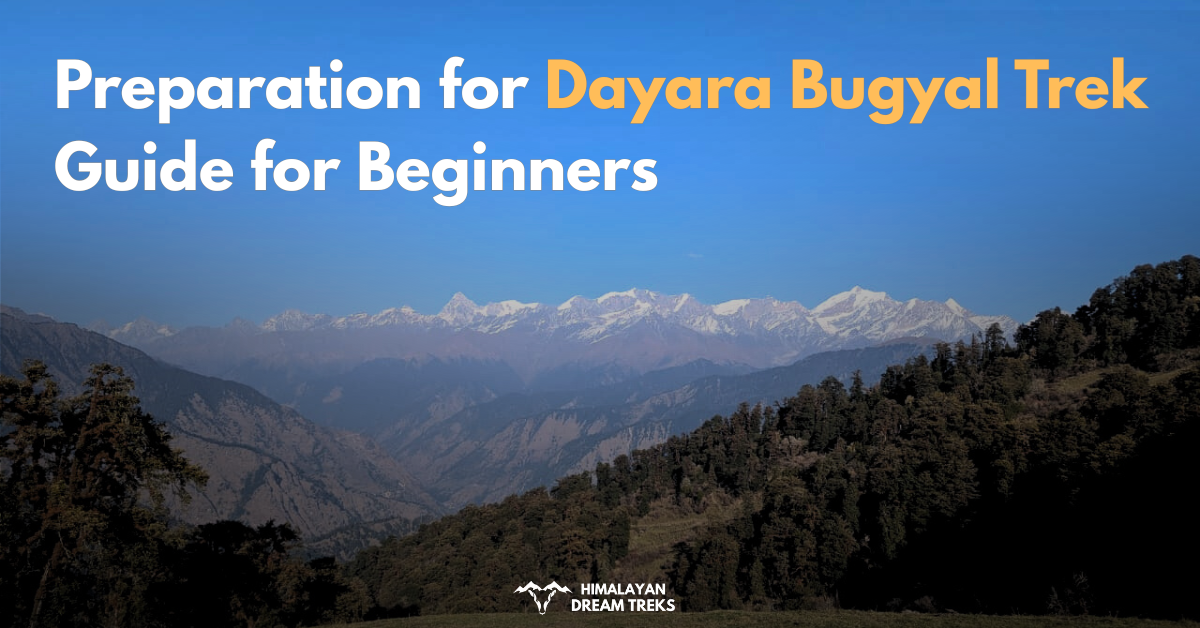
Dayara Bugyal is located in the Uttarkashi district, a region known for its warm local culture and peaceful mountain villages. The trek usually begins from Raithal or Barsu, where the first view of the mountains sets the perfect mood for the journey. The trail climbs gently through forests and open fields, allowing beginners to gain height without feeling rushed. Dayara Bugyal reaches a maximum altitude of about 12,400 feet (around 3,780 meters), where the meadows spread out like a wide green carpet. From here, the distant snow-covered peaks appear clear and bright, reminding you why this trek is loved by so many.
Ideal Duration
Most people complete the trek in 3 to 4 days, which is enough time for beginners to adjust to the terrain. This duration allows you to walk slowly, enjoy the views, and rest properly. The journey feels balanced, not too fast and not too slow. Taking an extra day also gives you time to explore the meadows from different angles and soak in the surroundings without any hurry.
Season-Wise Preparation Guide
Your preparation for dayara bugyal trek can vary depending on the season you choose. Summer, monsoon, post-monsoon, and winter all bring different trail and weather conditions, so your clothing, fitness routine, and trekking gear should be planned accordingly. Here is detailed guide for preparation for dayara bugyal trek in all seasons.
Preparation For Summer Season
Summer is generally a comfortable time for trekking, with pleasant temperatures during the day. However, walking for several hours in the sun can still leave you tired or dehydrated, especially on uphill sections. A few weeks before your trek, start working on your walking stamina. Regular brisk walking, jogging, stair climbing, or short hikes for around 30–45 minutes can help you get used to spending longer hours on your feet.
Keep these things in mind during the trek in summer season:
- Protect yourself from the sun: Carry sunglasses, sunscreen with SPF 30–50, and a cap or hat.
- Stay hydrated: Carry a reusable water bottle and take small sips throughout the day instead of waiting until you feel very thirsty.
- Dress in layers: Although afternoons can feel warm, mornings and evenings may still be chilly. A full-sleeve T-shirt, fleece, and lightweight insulated jacket are useful.
- Wear comfortable trekking shoes: Break in your trekking shoes before the trek. Wearing a brand-new pair on the trail can lead to blisters and discomfort.
- Maintain a steady pace: There is no need to rush uphill. Find a comfortable pace that allows you to walk without getting completely out of breath.
Summer can be a good season for beginners, but don’t underestimate the trek. You will still spend several hours walking and climbing each day, so having a basic level of fitness will make the experience much more enjoyable.
Preparation for Monsoon and Post-Monsoon Season
Monsoon trekking requires a little more attention because rain can make the trail muddy, slippery, and difficult in some sections. Your priority should be keeping yourself and your belongings as dry as possible. Before leaving for the trek, check that your trekking shoes have a good grip and, if possible, practice walking on uneven or slippery surfaces. Proper waterproofing is equally important, especially for your clothes, electronics, and other essential items.
Make sure your backpack includes:
- A good-quality rain jacket or poncho
- A rain cover for your backpack
- Waterproof pouches or dry bags for clothes, electronics, and important documents
- Extra pairs of socks
- Quick-drying trekking clothes
Be particularly careful while walking downhill. Wet rocks, mud, and uneven sections can become slippery, so take shorter steps and avoid rushing.
After the monsoon, the trail generally starts drying out, but the temperature can drop, particularly in the mornings and evenings. Carry an extra warm layer, gloves, and warm socks. The skies can also become clearer after the rains, so sunglasses and sunscreen remain useful during the day.
Preparation for Winter Season
Winter requires more preparation than the other seasons because you may encounter very cold temperatures, snow-covered sections, and shorter daylight hours. Your main focus should be staying warm and dry without making your backpack unnecessarily heavy.
Instead of relying on one thick jacket, use a proper layering system so you can adjust your clothing as your body temperature changes.
- Base layer: Thermal or moisture-wicking clothing to keep sweat away from your body
- Mid layer: Fleece or another warm insulating layer
- Outer layer: A warm padded or down jacket, along with a windproof outer layer when required
You should also carry:
- Warm gloves
- Woollen or thermal socks
- Woollen cap or balaclava
- Waterproof trekking shoes with good grip
- Extra dry socks
- Sunglasses to protect your eyes from bright sunlight and snow glare
Avoid relying on ordinary sports shoes if there is snow on the trail. Proper trekking shoes with good grip are much more suitable. Microspikes may also be useful on icy or slippery sections when trail conditions require them or when recommended by your trek operator.
Winter days are shorter, so try to organize your backpack the evening before. Keep things you may need during the day such as gloves, water, snacks, and your wind or rain layer somewhere easily accessible.
One more thing to remember in winter is not to wear too many layers while climbing. You can become sweaty while walking uphill, and if you stop for a long break in those damp clothes, you may cool down quickly. Remove or adjust layers when you get warm and put your insulating layers back on as soon as you stop for a longer break or reach the campsite.
4 Week Fitness Preparation Plan for Dayara Bugyal
You do not need to follow a heavy workout routine to prepare for the Dayara Bugyal. A simple four-week training plan can help you build the stamina, leg strength, and walking endurance needed for long trekking days. The goal is to gradually increase your activity each week instead of doing intense workouts just before the trek. Even though Dayara Bugyal is beginner-friendly trek, a basic level of fitness makes the entire journey more enjoyable. Good stamina helps you walk without losing breath, and stronger legs make the uphill sections easier. Fitness also keeps you relaxed and helps you enjoy the landscapes instead of worrying about tiredness. You do not need to be extremely athletic. Simple home workouts are enough if done regularly.

Week 1: Build a Routine
Start by creating a regular exercise routine. Focus on comfortable walking and basic leg exercises.
- Walk briskly for 30-40 minutes, 4-5 days a week.
- Do basic squats, lunges, and step-ups 2-3 times a week.
- Add 5-10 minutes of light stretching after exercise.
- Focus on maintaining a steady walking pace rather than speed.
Week 2: Increase Endurance
Once your body gets used to regular activity, slowly increase the duration and intensity.
- Walk for 40–45 minutes, 4–5 days a week.
- Add short jogging intervals if you are already comfortable with running.
- Include 15-20 minutes of stair climbing 2–3 times a week.
- Continue strength exercises for your legs and core around 3 days a week.
- Take at least one proper rest day each week.
Week 3: Focus on Trek-Specific Training
The third week should focus more on activities that feel similar to trekking.
- Walk for 45–60 minutes on most training days.
- Include uphill walking whenever possible.
- Increase stair-climbing sessions gradually.
- Continue step-ups, squats, lunges, and calf raises.
- Practise walking with a light backpack to get used to carrying your trekking gear.
Week 4: Simulate Trekking Conditions
The final week is about building confidence and preparing your body for longer walking days.
- Include one longer walk of around 60 minutes or more.
- Continue stair or uphill training at a comfortable intensity.
- Practise walking with a light backpack.
- Wear your trekking shoes during some training walks.
- Keep strength workouts moderate and allow enough time for recovery.
- Avoid starting any new or extremely intense exercise just before the trek.
Walking and Running Targets for Dayara Bugyal Trek
Walking should be the main part of your preparation because trekking involves spending several hours on your feet. Running can be added if you already run regularly, but it is not compulsory for preparing for Dayara Bugyal.
| Week | Walking Target | Running Target |
|---|---|---|
| Week 1 | 30-40 minutes | Optional |
| Week 2 | 40-45 minutes | Up to 10 minutes of short intervals |
| Week 3 | 45-60 minutes | 15-20 minutes if comfortable |
| Week 4 | 60 minutes or more | As comfortable; avoid overtraining |
Keep the Progress Gradual
You do not need to run long distances to prepare for a trek. Focus on gradually increasing your walking time, adding some uphill or stair training, and building leg strength.
If you are new to exercise, start at a comfortable level and increase the duration slowly. The aim is to reach the trek with good energy and confidence, not with tired or sore muscles from excessive training.
Food and Hydration Tips During the trek
Keeping your body energized is important on any trek. Eat simple meals like dal, rice, vegetables, or soup that give you steady energy without making you feel heavy. Carry small snacks like dry fruits, chocolates, or energy bars for quick breaks. Drink water regularly, even when you are not thirsty, because dehydration can happen easily at higher altitudes. Staying hydrated also helps avoid headaches and reduces fatigue.
Guided Trek vs Self-Planned Trek
For beginners, a guided trek is usually the better choice. A professional team handles food, camping, safety, and navigation, which allows you to focus more on the experience. Self-planning is possible, but it requires good knowledge of routes, weather, and gear. If this is your first trek, joining a trusted group makes the journey simpler, safer, and more enjoyable.
Tips for a Smooth Trekking Experience
- Walk at a comfortable pace
- Keep your backpack light
- Stay hydrated throughout the day
- Protect yourself from strong sunlight
- Pack warm layers even if you expect mild weather
- Respect nature and keep the trail clean
Conclusion
Dayara Bugyal is a wonderful choice for beginners who want an easy and rewarding introduction to the Himalayas. With a bit of preparation, simple fitness training, and season-wise planning, the trek feels smooth and enjoyable. The wide meadows, open sky, and peaceful surroundings make every step meaningful. When you prepare well, you not only complete the trek comfortably but also take home memories that stay with you for a long time.

Leave a Comment