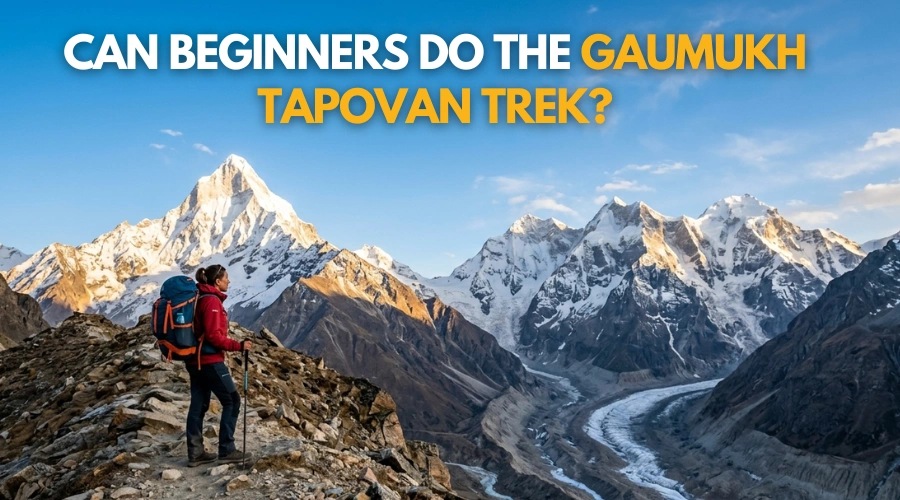
The Gaumukh Tapovan is one of the most iconic Himalayan journeys in India. The trek starts from Gangotri, one of the four sacred Char Dham pilgrimage in Uttarakhand. You walk beside the roaring Bhagirathi River, witness the Gangotri Glacier, and camp below giant Himalayan peaks like Shivling and Meru. But one question comes up again and again.
Can beginners do the Gaumukh Tapovan Trek?
The honest answer is no. If you are a complete beginner with no fitness preparation, no exercise routine, and no previous trekking experience. Gaumukh Tapovan is not the kind of trek where you can directly arrive from city life and expect the mountains to adjust for you.
But yes, if you are a beginner who stays physically active, does regular exercise, and has good stamina, you can complete this trek with proper preparation and guidance. Fitness and endurance matter much more here than trekking experience alone.
Before attempting the trek of Gaumukh Tapovan, it is better to gain experience on beginner-friendly Himalayan treks like Dayara Bugyal, Nag Tibba and Tungnath Trek. These treks help you understand how your body reacts to long walking hours, steep climbs, cold weather, and mountain altitude.
Gaumukh Tapovan is much more demanding. The trail includes steep ascents, rocky terrain, glacier sections, boulder crossings, and high altitude conditions above 4,000 meters. If your physical health is not good, this trek can become extremely exhausting both physically and mentally.
Even experienced trekkers respect this route because altitude and long trekking days can quickly drain your energy. Many beginners do complete the trek successfully every year, but most of them train properly before arriving in the Himalayas.
What Makes Gaumukh Tapovan Challenging for Beginners
The Gaumukh Tapovan Trek falls under the moderate to difficult category and requires better preparation than an easy Himalayan trek. While it does not involve advanced mountaineering skills, the combination of long walking hours, high-altitude terrain, steep sections, and changing trail conditions can be challenging for first-time trekkers. Beginners should therefore build their endurance and strength before attempting the trek, especially when compared with an easy beginner friendly trek in Uttarakhand.
1. High Altitude
Tapovan sits at around 14,150 feet. At this altitude, oxygen levels drop significantly. Many beginners underestimate altitude because they focus only on walking distance. In reality, altitude becomes the biggest challenge on this trek.
Common symptoms of altitude sickness include:
- Headache
- Nausea
- Fatigue
- Loss of appetite
- Dizziness
Altitude sickness can affect anyone, regardless of age or fitness level. That is why acclimatization matters so much during the trek.
2. Steep Climb to Tapovan
The section from Bhojbasa to Tapovan is considered the toughest and most demanding part of the trek. In just 8 km, trekkers gain nearly 1,900 ft of altitude, making the ascent steep and physically exhausting. Crossing the Bhagirathi River via trolley can also feel mentally challenging, especially during bad weather or crowded conditions.
As the altitude increases towards Tapovan at around 14,150 ft, the thinner air often causes breathlessness, fatigue, headaches, and mild AMS symptoms for many trekkers. The route is exposed to strong sun, cold winds, and changing weather.
This part demands:
- Good balance
- Leg strength
- Stamina
- Mental focus
Beginners usually find this stretch tiring, but experienced trek leaders and proper pacing make it manageable.
3. Long Trekking Hours
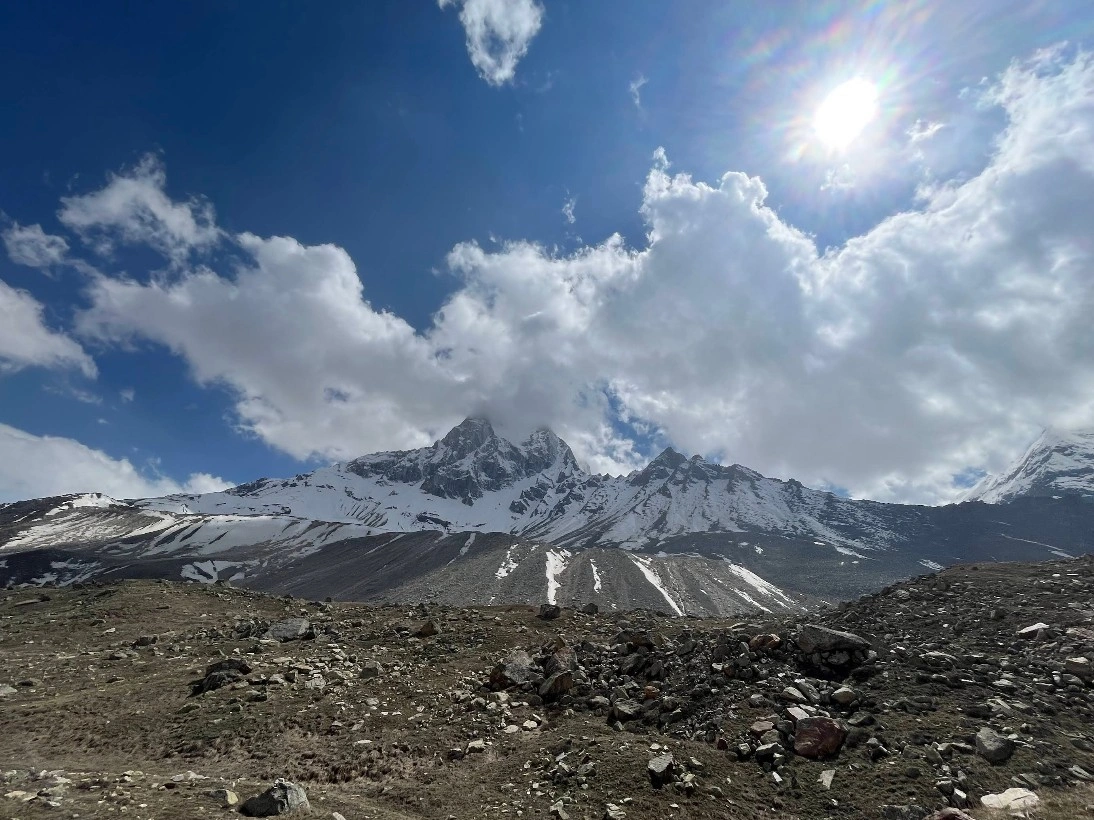
Trekkers usually walk 5 to 8 hours daily depending on the itinerary and weather conditions. The total trekking distance is roughly 45 kilometers round trip. Now, 45 kilometers may not sound much on paper. But carrying a backpack at high altitude while climbing rocky Himalayan terrain changes the experience completely.
4. Recovering and Pacing
Proper recovery plays an important role in completing a high-altitude trek comfortably. Getting enough sleep, staying hydrated, eating well, and maintaining a steady pace can help reduce unnecessary fatigue and allow your body to recover between trekking days.
What Fitness Level Do You Need for Gaumukh Tapovan Trek?
You do not need to be an athlete to attempt the Gaumukh Tapovan Trek, but you should have a good level of overall fitness and endurance. The focus should be on preparing your body for long periods of walking, uphill sections and consecutive trekking days rather than achieving a specific athletic level.
1. Cardiovascular Endurance
Good cardiovascular fitness helps you walk for several hours without becoming excessively tired. Regular brisk walking, jogging, cycling or similar aerobic activities can gradually improve your endurance before the trek.
2. Leg Strength
Strong leg are important for handling uphill and downhill sections comfortably. Exercises such as squats, lunges and step-ups can help strengthen the muscles used during trekking.
3. Uphill Walking Ability
You should be comfortable walking uphill or climbing stairs for an extended period. Adding stairs, inclined walking or hill walks to your training can help prepare your body for elevation gain.
4. Stamina
The trek requires you to remain active for multiple hours and across consecutive days. Gradually increasing the duration of your walks can help build the stamina needed to maintain a steady pace without exhausting yourself early.
5. Balance and Stability
Uneven and rocky sections require good balance and controlled movement. Strengthening your legs and core while practicing walking on varied surfaces can help improve stability during the trek.
6. Recovery
Fitness is not only about how much you can walk but also how well your body recovers afterward. Adequate sleep, proper nutrition, hydration and rest days should be part of your preparation so that you can stay active and recover between trekking days.
How to Prepare for the Trek as a Beginner
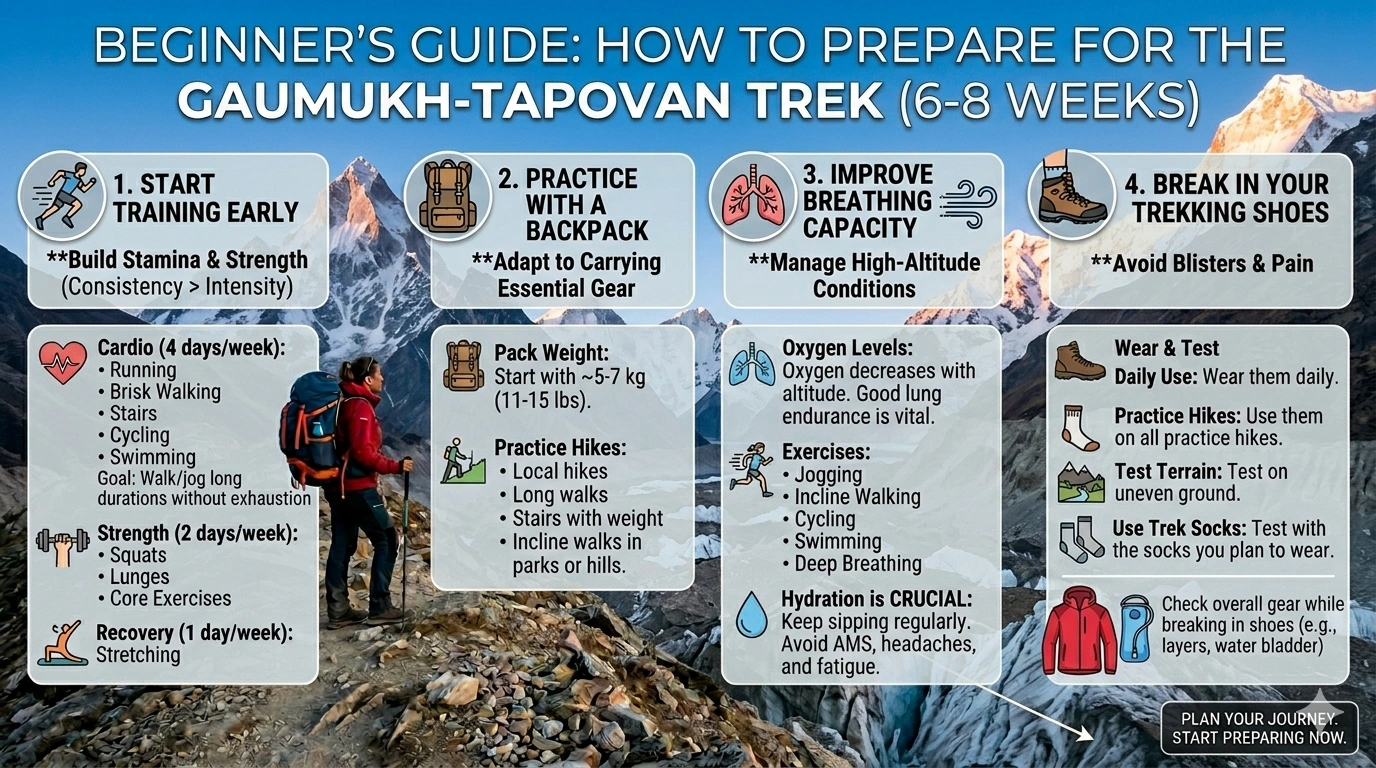
Proper preparation can completely change your trekking experience. This trek becomes much safer and more enjoyable when your body is ready for long walking hours, steep climbs, and high altitude conditions. If you are a beginner, start preparing at least 6 to 8 weeks before the trek instead of relying on last-minute fitness motivation. The mountains usually win against last-minute plans.
1. Start Training Early
Your body needs time to build stamina and strength for the Himalayan trek. Sudden, intense workouts one week before the trek will only make your muscles hate you. A balanced training routine works best for beginners. Focus more on consistency rather than extreme workouts.
A simple weekly structure can look like this:
- 4 days of cardio training
- 2 days of strength exercises
- 1 recovery or stretching day
For cardio, you can do:
- Running
- Brisk walking
- Stair climbing
- Cycling
- Swimming
Your goal should be to comfortably walk or jog for long durations without feeling exhausted too quickly.
2. Practice Trekking With a Backpack
One common mistake beginners make is training without carrying any weight. Then the actual trek begins, and suddenly the backpack feels much heavier than expected. During the trek, you will walk for hours while carrying essential gear. Your shoulders, back, and legs should already feel comfortable with that weight before the trek starts. Practice hikes with a backpack weighing around 5 to 7 kilograms can help your body adapt gradually.
You can start with:
- Local hikes
- Long walks
- Stair climbing with a backpack
- Incline walks in parks or hills
This simple habit improves endurance and reduces fatigue during the actual trek.
3. Improve Your Breathing Capacity
Breathing becomes harder at high altitude because oxygen levels decrease as you gain elevation. That is why good lung endurance helps a lot on the Gaumukh Tapovan Trek. You do not need superhero lungs, but your body should handle physical activity without struggling for breath after every climb.
Activities that improve breathing capacity include:
- Jogging
- Incline walking
- Cycling
- Swimming
- Deep breathing exercises
4. Break Your Trekking Shoes Before the Trek
Never bring brand-new trekking shoes directly to the Himalayas. Fresh shoes may look great in photos, but your feet will probably disagree after a few hours on rocky terrain.
New shoes often cause:
- Blisters
- Heel pain
- Foot discomfort
- Skin irritation
Use your trekking shoes regularly before the trek so they adjust to your feet properly.
You should:
- Walk in them daily
- Use them during practice hikes
- Test them on uneven terrain
- Wear the same socks you plan to use during the trek
Comfortable shoes can make a huge difference during long trekking days.
Common Mistakes Beginners Make on the Gaumukh Tapovan Trek
Many beginners focus only on reaching the destination and ignore the small mistakes that can make the trek much harder. The Gaumukh Tapovan Trek rewards patience, preparation, and smart decision-making more than speed or overconfidence.
Here are some common mistakes first-time trekkers should avoid.
1. Ignoring Altitude
One of the biggest mistakes beginners make is underestimating high altitude conditions. Good fitness helps, but it does not guarantee protection from altitude sickness.
As you gain elevation, oxygen levels decrease and your body needs time to adjust. If you climb too quickly or ignore symptoms, your trek can become risky very fast.
Common signs of altitude sickness include:
- Headache
- Nausea
- Dizziness
- Fatigue
- Loss of appetite
Always ascend gradually, stay hydrated, and listen carefully to your trek leader. Rest and acclimatization are extremely important during high-altitude treks like Gaumukh Tapovan.
2. Walking Too Fast
Many beginners start the trek with too much excitement and energy on the first day. They try to walk faster than necessary, especially on easier sections of the trail. Then day two arrives, and suddenly the legs begin negotiating with the brain.
High-altitude trekking is not a race. Fast walking usually leads to:
- Early exhaustion
- Heavy breathing
- Muscle fatigue
- Reduced stamina later in the trek
Maintain a slow and steady pace throughout the journey. A consistent rhythm helps conserve energy and keeps your body comfortable at altitude.
3. Carrying Too Much Weight
Overpacking is extremely common among first-time trekkers. Many people carry extra clothes, unnecessary gadgets, or items they never actually use. The problem is simple. Every extra kilogram feels heavier after several hours of uphill trekking. You do not need five jackets for a six-day trek.
Pack smart and focus only on essentials such as:
- Warm layers
- Trekking shoes
- Water bottles
- Basic toiletries
- Essential medicines
- Rain protection like Poncho
A lighter backpack makes trekking far more comfortable and reduces strain on your shoulders and knees.
4. Poor Hydration
Hydration is very important during high-altitude trekking. In cold weather, many trekkers do not feel thirsty and end up drinking less water without realizing it. This can lead to faster fatigue, headaches, and altitude-related problems. Keep sipping water regularly throughout the trek, even if you do not feel very thirsty.
Proper hydration helps with:
- Better energy levels
- Improved acclimatization
- Reduced headaches
- Better recovery
Final Verdict: Should Beginners Attempt the Gaumukh Tapovan Trek?
The honest answer is no if you are a complete beginner with zero fitness, no exercise routine, and no trekking experience. Gaumukh Tapovan is a physically demanding trek with steep climbs, rocky terrain, glacier sections, and high altitude conditions above 4,000 meters.
If you are planning this trek, first improve your stamina, strength, and endurance before coming to the mountains. Proper preparation makes a huge difference on this trail.
With good fitness, mental endurance, and preparation, beginners can complete this Trek successfully and enjoy one of the most beautiful Himalayan experiences.
Also, check our detailed guide on the best time to visit the Gaumukh Tapovan Trek before planning your journey.

Leave a Comment