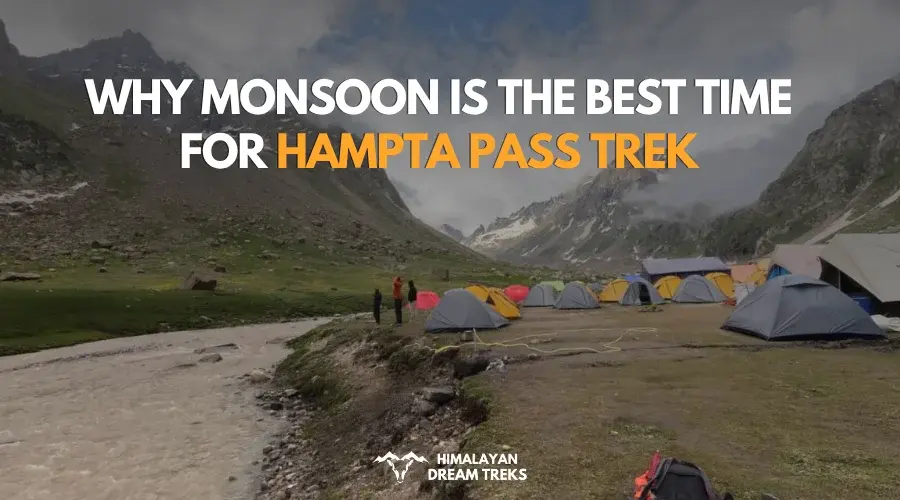
Most Himalayan Treks look nothing like their photos once monsoon hits trail wash out, visibility drops, campsite turn to mud. Hampta Pass is the exception. Here’s what a monsoon crossing of this trek actually looks and feel like, from the green meadows near kullu to the barren cold desert on the other side.
The trek offers something rare. In just a few days, you walk through green valleys, cross glacier streams, camp beside rivers, and then suddenly enter the barren landscapes of Spiti Valley. Very few treks in India provide this kind of contrast.
Table of Contents
What Hampta Pass Looks Like in Monsoon
1. The Valleys Become Incredibly Green
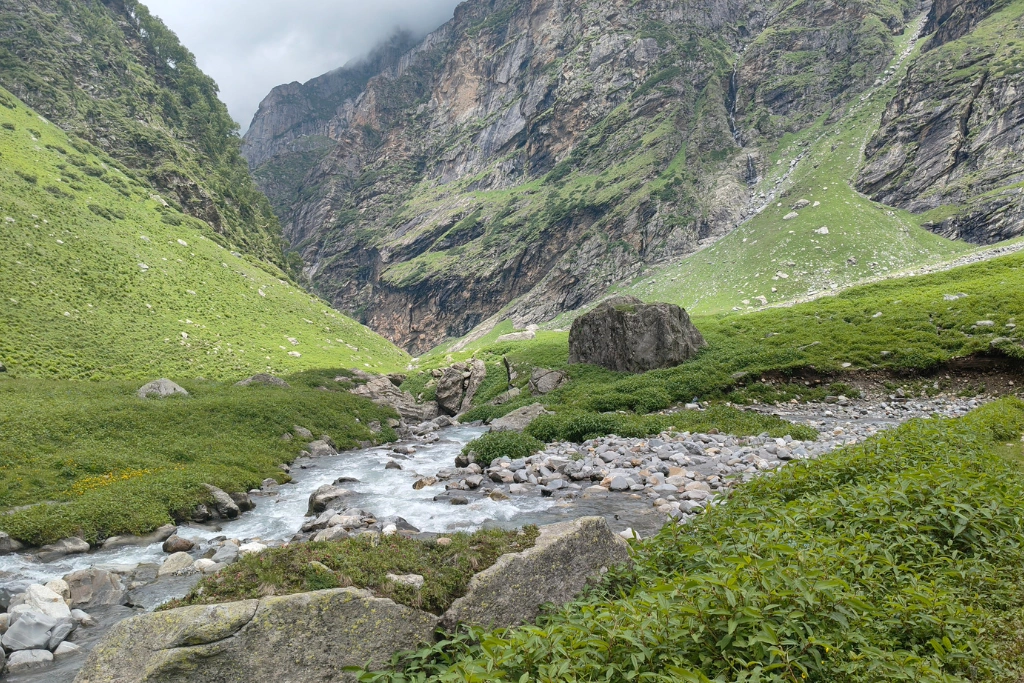
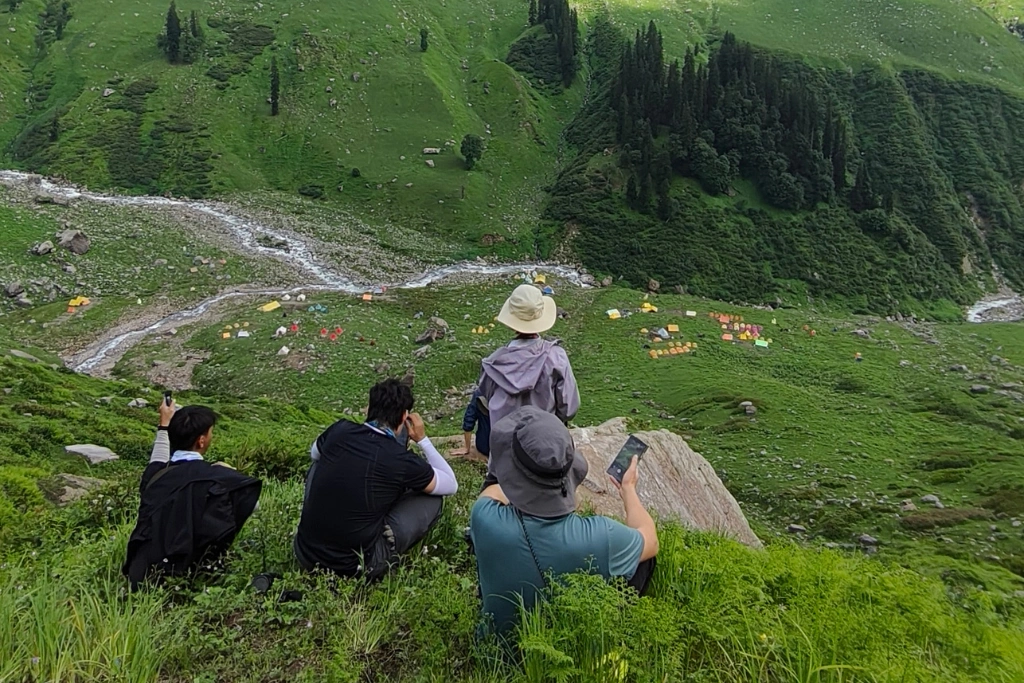
Monsoon completely transforms the Hampta Pass Trek. During July and August, the valley near Kullu receives regular rainfall, which makes the entire trail look fresh and vibrant.
The meadows turn bright green, tiny wildflowers bloom beside the route, and waterfalls appear across the mountains. Glacier streams flow strongly during this season, adding more beauty to the landscape.
As you trek from Jobra toward Chika and Balu Ka Ghera, the scenery keeps changing. Thick clouds move through the valleys while mist covers the mountains, creating dramatic views almost every hour.
What You Will See During Monsoon
- Green grasslands across the valley
- Wildflowers beside the trail
- Misty mountain views
- Flowing glacier streams
- Fresh forests near Jobra
- Waterfalls along the route
This greenery is one of the biggest reasons why many trekkers call Hampta Pass the best monsoon trek in India.
2. The Landscape Changes Dramatically
One of the biggest highlights of the Hampta Pass is the dramatic landscape transition. Very few treks in India offer such a massive change in scenery within just a few days. The trek begins in the lush green region near Kullu Valley, where the trail passes through forests, grasslands, rivers, and waterfalls. During monsoon, this side becomes even more vibrant because of regular rainfall.
However, after crossing Hampta Pass, the scenery changes completely as you move toward Spiti Valley. The green valleys slowly disappear, and the terrain starts looking dry, rocky, and barren. The mountains become rugged, the vegetation reduces significantly, and the landscape begins to resemble a cold desert.
This sudden contrast feels surreal for first-time trekkers.
On the Kullu Side, You Will See:
- Green meadows and grasslands
- Waterfalls flowing beside the trail
- Dense forests near lower sections
- Mist-covered mountain views
- Active glacier streams
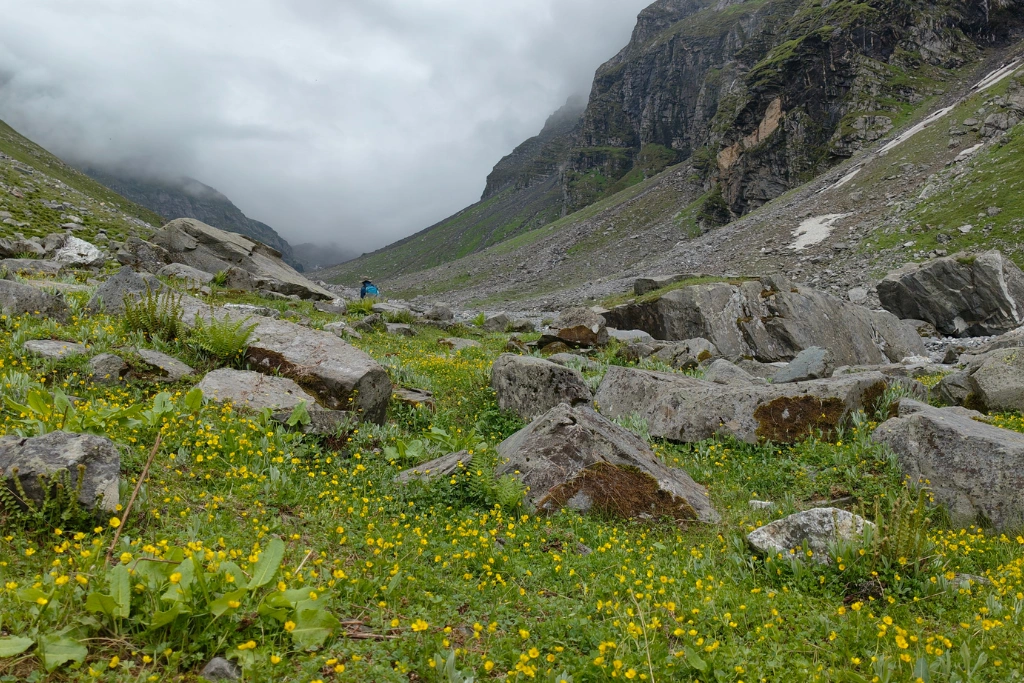
On the Spiti Side, You Will See:
- Rocky barren mountains
- Dry cold desert landscapes
- Sparse vegetation
- Wide open valleys
- Rugged Himalayan terrain
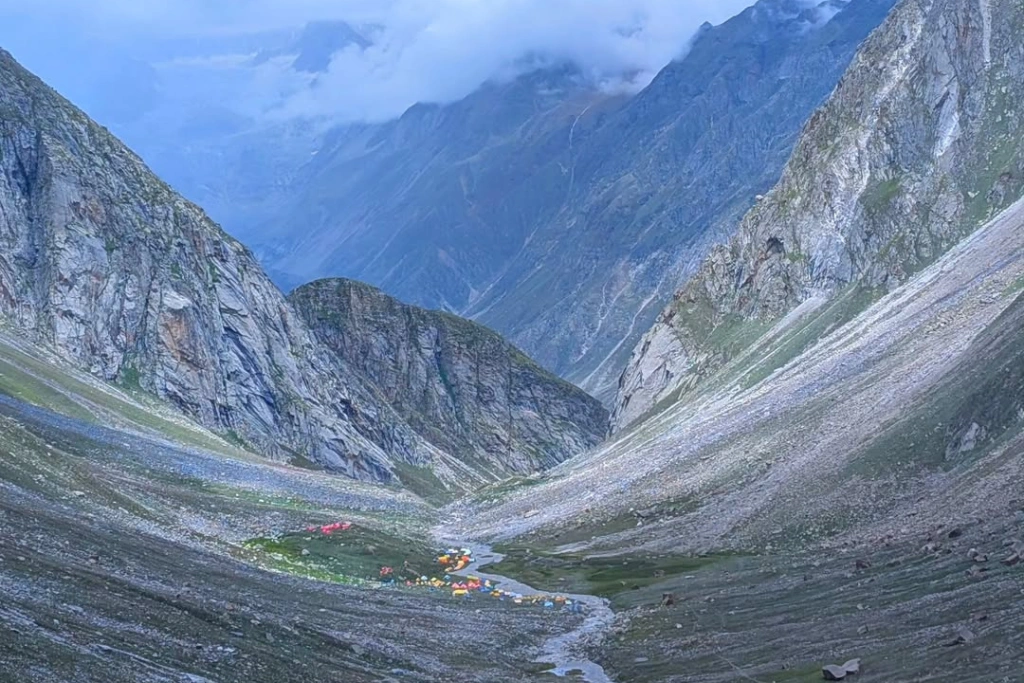
You do not just trek through one landscape here. You experience two completely different Himalayan worlds in a single journey.
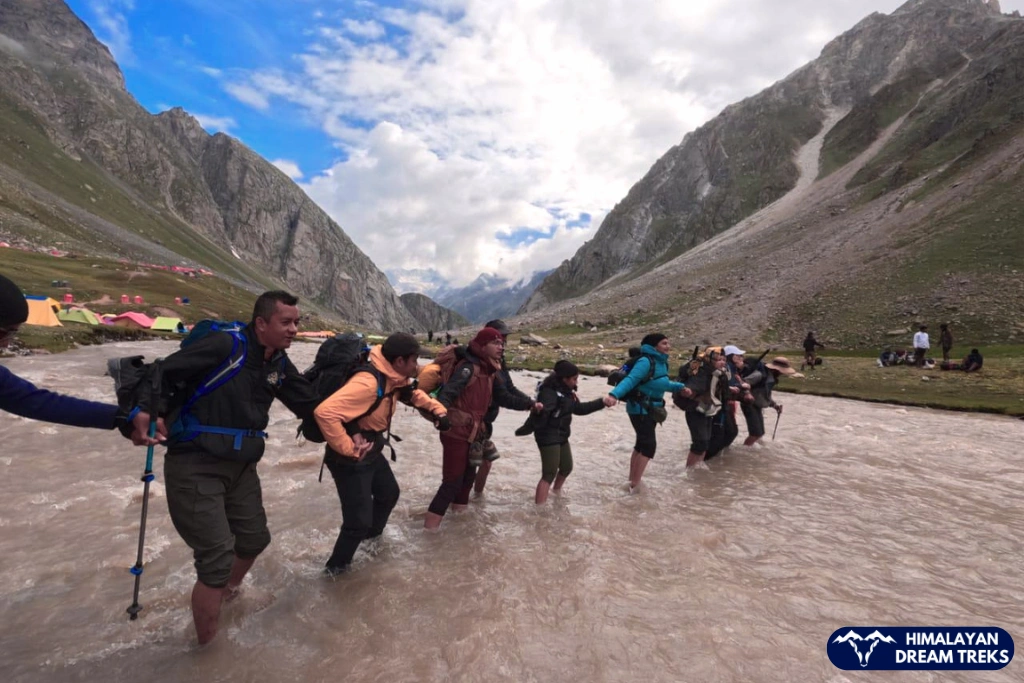
3. River Crossings Become More Exciting
River crossings are one of the most exciting parts of this trek. During monsoon, glacier-fed streams become stronger because of rainfall and melting snow, which adds more adventure to the trail.
Trekkers cross these icy streams under the guidance of experienced trek leaders. The water feels freezing cold, the current feels powerful, and your shoes usually get soaked within seconds.
At that moment, it feels challenging. Later, it becomes one of the best memories from the trek.
These crossings make the journey feel more adventurous without turning the trek highly technical. That balance is one reason why Hampta Pass remains popular among both beginners and experienced trekkers.
Why Trekkers Love the River Crossings
- Adds adventure to the trekking experience
- Makes the trail more exciting and memorable
- Gives a real Himalayan trekking feel
- Creates fun group moments during crossings
- Makes monsoon trekking more unique
4. Monsoon Clouds Make the Trek More Beautiful
Monsoon clouds completely transform the atmosphere of the Hampta Pass. The weather keeps changing throughout the day, which makes the scenery feel fresh and unpredictable during the entire journey.
Sometimes the mountains remain hidden behind thick fog and moving clouds. Then suddenly, the sky clears for a few minutes and reveals massive snow-covered peaks standing right in front of you.
That constant change in visibility makes the trek feel more dramatic and exciting. The valleys look different almost every hour.
During early mornings, clouds often float below the mountains, creating beautiful layered views across the valley. In the evenings, mist slowly moves through the campsites, giving the entire trail a cinematic Himalayan feel.
Monsoon Weather Creates:
- Dramatic mountain views
- Mist-covered valleys
- Cool and comfortable trekking conditions
- Better natural lighting for photography
- Cinematic Himalayan landscapes
5. The Trek Feels Peaceful and Refreshing
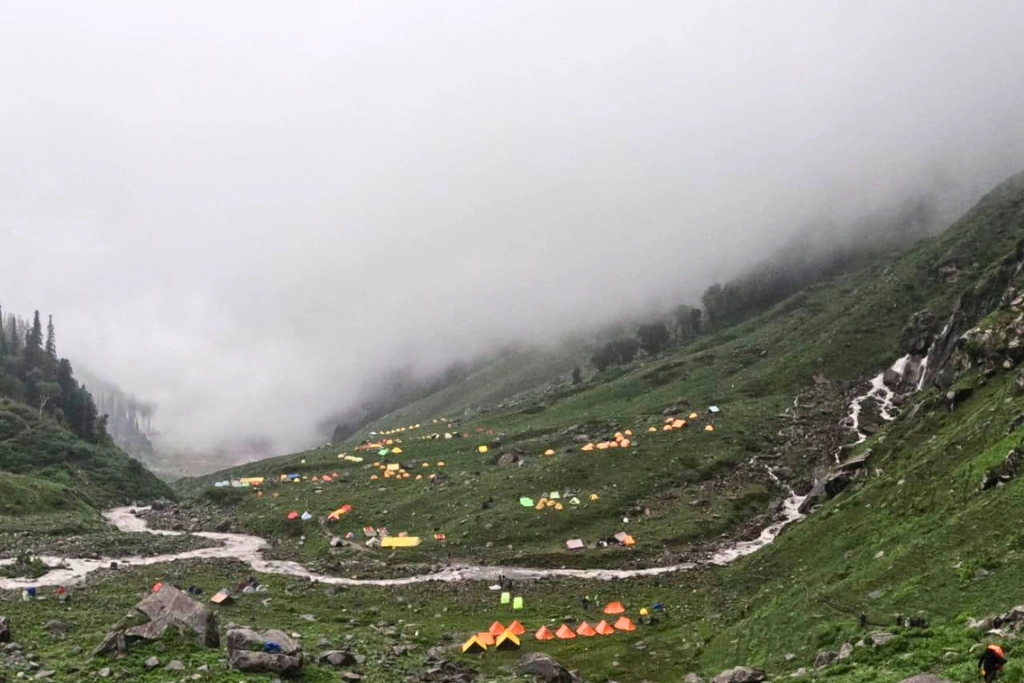
Monsoon clouds completely change the atmosphere of the Hampta Pass Trek. During July and August, the weather keeps shifting throughout the day, which makes the entire trail look more dramatic and scenic.
Sometimes the mountains remain hidden behind thick fog and moving clouds. Then suddenly, the clouds clear for a few minutes and reveal massive snow-covered peaks standing directly in front of you. That changing scenery keeps the trek exciting every single day.
As you move through valleys near Chika and Balu Ka Ghera, clouds often float between the mountains while mist slowly covers the trail. Early mornings usually bring soft light and dreamy mountain views, especially after overnight rain.
What Monsoon Clouds Add to the Trek
- Dramatic mountain scenery
- Mist-covered valleys
- Cool trekking temperatures
- Better natural lighting for photography
- Cinematic Himalayan landscapes
- Constantly changing weather view
6. Chandratal Lake Becomes the Perfect Bonus Experience
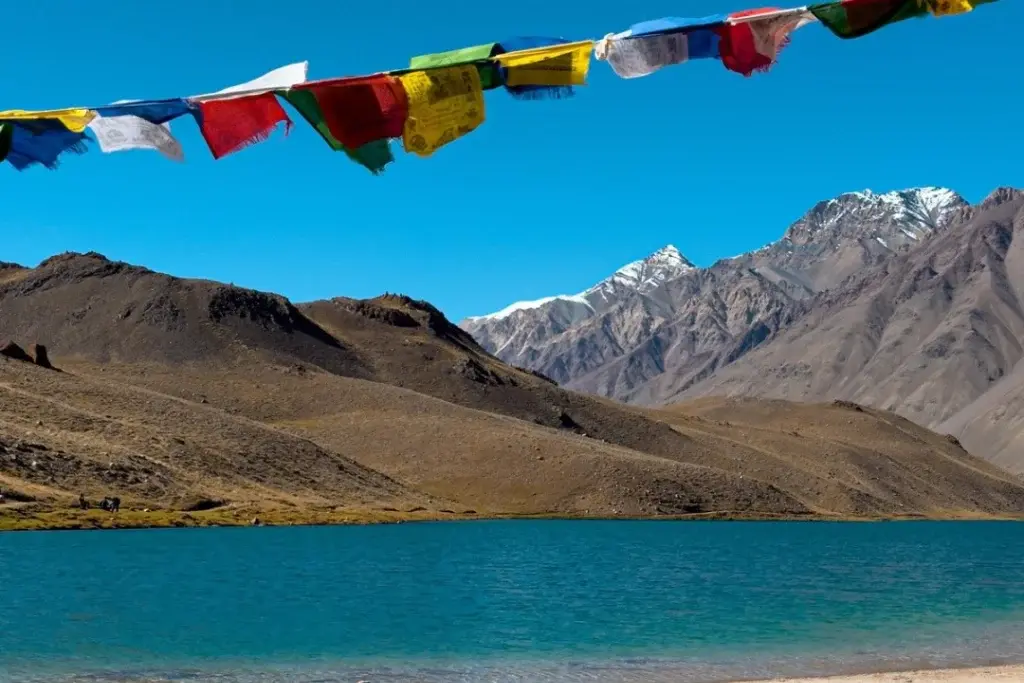
One of the best parts about the Hampta Pass is that many trekking groups also include a visit to Chandratal Lake after completing the trek.
Located in the high-altitude region of Spiti, Chandratal is famous for its crystal-clear water and dramatic mountain surroundings. After days of trekking through green valleys, rivers, and rocky terrain, reaching this lake feels like the perfect ending to the journey.
During monsoon, the route toward Chandratal becomes even more scenic. Clouds move across the barren Spiti mountains while the lake reflects changing shades of blue and green depending on the weather.
The contrast feels unreal. One day you walk through lush green valleys near Kullu, and the next day you stand beside a cold desert lake in Spiti.
Why Chandratal Makes the Trek More Special
- Adds an extra adventure after the trek
- Offers stunning high-altitude lake views
- Completes the Spiti Valley experience
- Creates a perfect ending to the journey
- Gives amazing photography opportunities
Final Thoughts
Hampta Pass during monsoon feels like the Himalayas at their most beautiful. The valleys turn bright green, waterfalls appear beside the trail, and thick clouds keep changing the mountain scenery throughout the day. During July and August, the entire route looks fresh, vibrant, and full of life.
One of the biggest highlights of the trek is the dramatic landscape transition. The journey starts in the lush green valleys near Kullu and gradually changes into the barren cold desert terrain of Spiti Valley after crossing the pass. Along the way, river crossings, glacier streams, scenic campsites, and cloudy mountain views make the experience even more memorable.
The trek becomes even more special with the visit to Chandratal Lake, which feels like the perfect ending after days of trekking. That mix of green valleys, cold river crossings, shifting cloud cover, and the sudden shift into Spiti’s barren terrain is what makes a monsoon crossing of Hampta Pass unlike most other treks in this range.

Leave a Comment