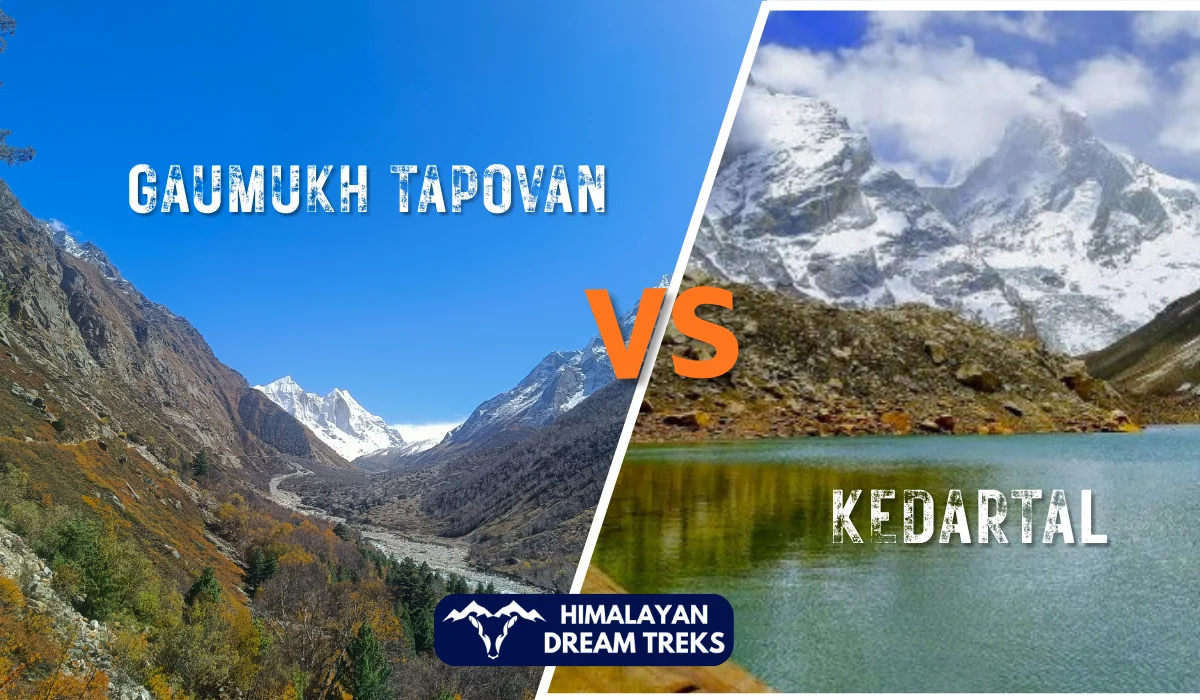
Planning a Himalayan trek can feel exciting and slightly confusing. With so many stunning options in Uttarakhand, two treks often stand out in summer: Kedartal and Gaumukh Tapovan. Both treks begin from Gangotri and lie in the same region in Garhwal Himalayas, yet they offer completely different trekking experiences.
Both treks bring dramatic mountain views, high-altitude adventure, and a deep connection with nature. But the trails, difficulty levels, and overall vibe differ more than most trekkers expect.
So, how do you choose the right one?
This guide breaks down Kedartal vs Gaumukh Tapovan in a clear, practical way. Whether you are a beginner, a seasoned trekker, or someone chasing that perfect mountain photo, you will find your answer here.
Table of Contents
Overview of Both Treks
Kedartal Trek
Kedartal is also known as the “Shiva Lake” and lies in the upper reaches of the Kedar Ganga Valley in Uttarakhand. Starting from Gangotri, the trek takes you through the rugged landscapes of Bhoj Kharak and Kedar Kharak before reaching Kedartal, a stunning glacial lake situated at around 15,531 feet.
The trek is known for its raw and less-crowded Himalayan character, with dramatic views of Thalay Sagar, Bhrigupanth and other surrounding peaks. Rocky sections and steep ascents make the route physically demanding, while the remote setting adds to its adventurous appeal. Kedartal is particularly suitable for trekkers looking for a challenging mountain experience centered around a high-altitude alpine lake and dramatic Himalayan scenery.
Gaumukh Tapovan Trek
The Gaumukh Tapovan Trek offers a distinctly different experience, combining the dramatic landscape of the Gangotri Glacier with the wide-open alpine meadows of Tapovan. The trek is known for its spectacular views of Shivling, Meru and the Bhagirathi peaks, along with the spiritual significance associated with Gaumukh and the source region of the Bhagirathi River.
Unlike Kedartal, where the glacial lake is the main attraction, Gaumukh Tapovan is more focused on glacier landscapes, expansive high-altitude terrain and close views of some of the most striking peaks in the Gangotri region. The combination of Gaumukh, Tapovan and the surrounding mountain scenery makes it a rewarding choice for trekkers who want a diverse Himalayan landscape and a stronger connection with the region’s natural and cultural significance.
Kedartal vs Gaumukh Tapovan – Quick Comparison Table
| Feature | Kedartal Trek | Gaumukh Tapovan Trek |
| Region Duration | Uttarkashi, Uttarakhand | Uttarkashi, Uttarakhand |
| Grade | Difficult | Moderate |
| Max Altitude | 15,531 ft | 14,150 ft |
| Distance | 24 Km (round trip) | 46 Km (round trip) |
| Best Time | May-June, Sep-Oct | May-June, Sep-Oct |
| Permits | Required | Required |
| Highlights | Kedartal Lake, Thalay Sagar, Spider Wall, Rock Fall sections | Gaumukh glacier, Tapovan meadows, Shivling Peak, Bhagirathi Peaks, Meru |
Difficulty Level – Which Trek is Tougher?
Both treks require good fitness, but the challenges are different. Kedartal involves steep ascents and rugged mountain terrain, while Gaumukh Tapovan includes glacier-related terrain, moraine sections and higher-altitude conditions. Your choice should depend on your previous trekking experience and comfort with high-altitude terrain.
Kedartal challenges you from day one. The trail remains steep, exposed, and physically demanding with very few relaxed sections.
- On Day 2, we go from 9975 ft (3040 m) (Gangotri) to 12,402 ft (3,780 m) (Bhoj Kharak)
- On Day 3, 12,402 ft (3,780 m) (Bhoj Kharak) to 14,353 ft (4,375 m) (Kedar Kharak),
- Day 4, 14,353 ft (4,375 m) (Kedar Kharak) to 15,531 ft (4,734 m) (Kedar Tal).
In contrast, Gaumukh Tapovan builds difficulty gradually, giving your body enough time to adapt before the tougher climb to Tapovan begins.
- On Day 2, we go from 9975 ft (3040 m) (Gangotri) to 11,700 ft (3,566 m) (Chirbasa).
- On Day 3, from 11,700 ft (3,566 m) (Chirbasa) to 12,450 ft (3794 m) (Bhojbasa).
- On Day 4, from 12,450 ft (Bhojbasa) to 14,150 ft (4312 m) (Tapovan).
Verdict on Difficulty
- Choose Kedartal if you want a tough, technical, and physically demanding trek. It can be your training trek for 5000 m peaks and passes.
- Choose Gaumukh Tapovan if you prefer a moderate trek with a balanced challenge.
This clear difference makes it easier to choose based on your fitness level and trekking experience.
Scenic Beauty – What Will You See?
Both Kedartal and Gaumukh Tapovan offer incredible Himalayan views, but the experience feels very different on each trail. Kedartal focuses on raw, rugged landscapes, while Gaumukh Tapovan delivers a mix of glaciers, meadows, and iconic peaks. Your choice depends on whether you prefer dramatic terrain or scenic variety.
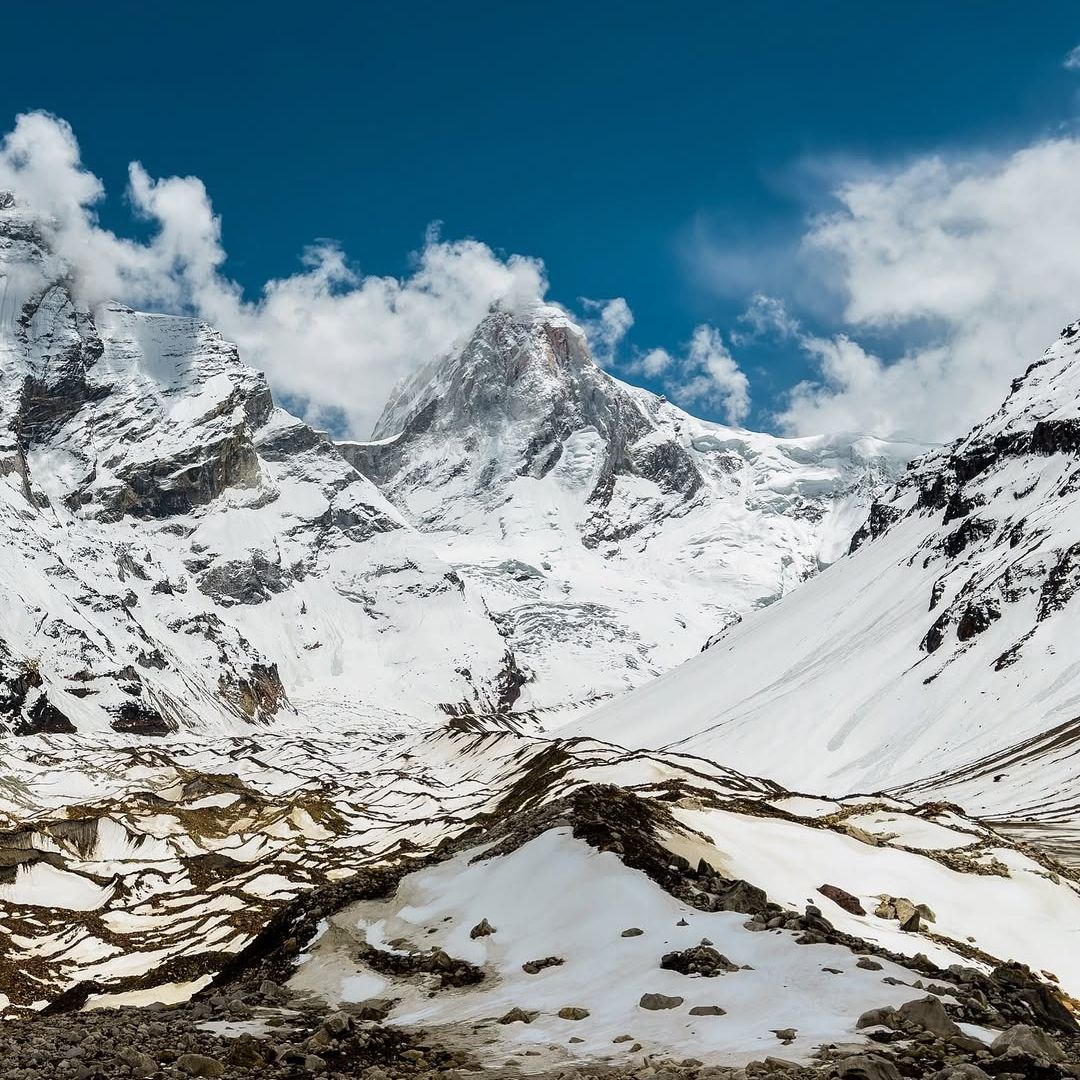
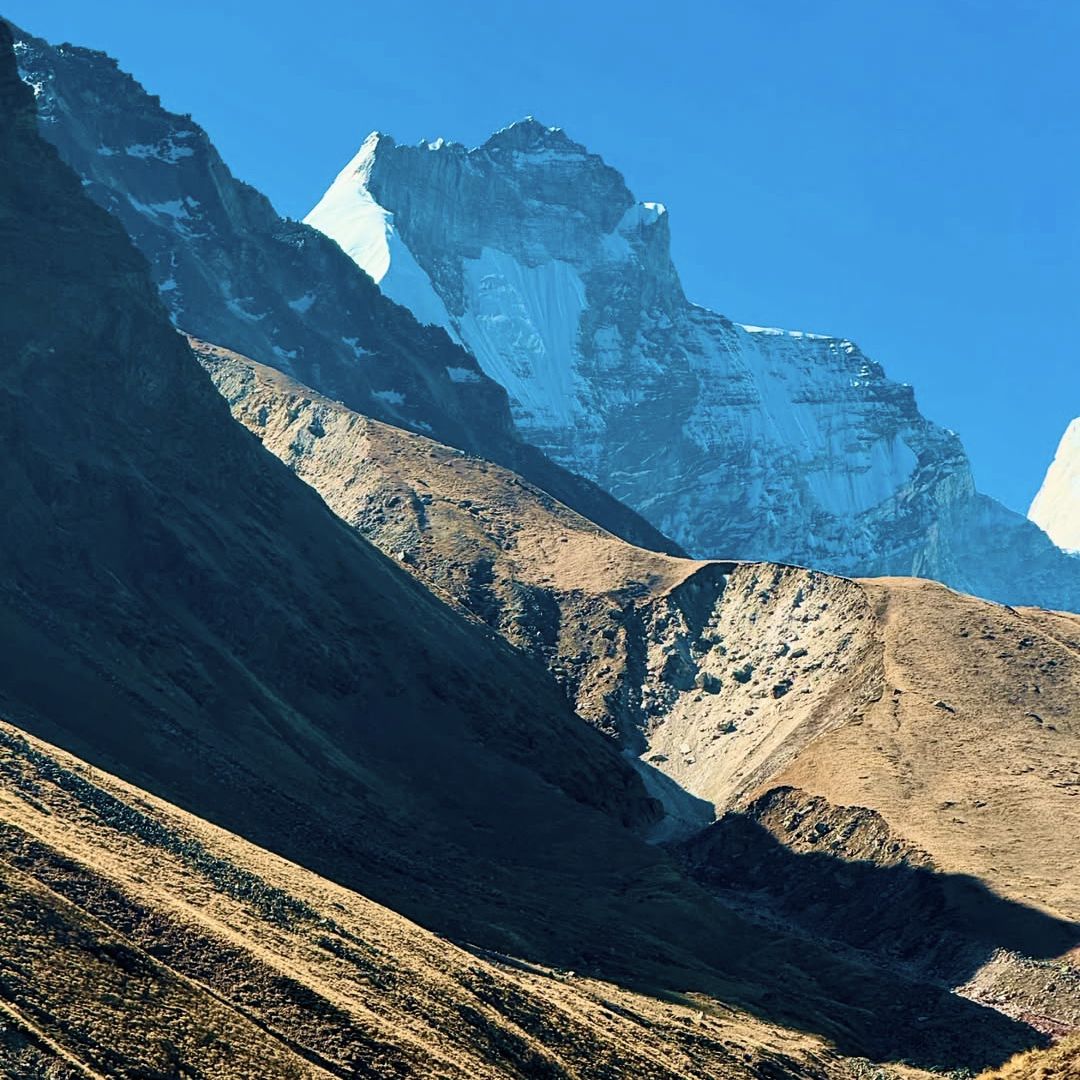
Views from Kedartal trails
Kedartal presents a wild and untouched side of the Himalayas. The landscape feels intense, with sharp peaks and rocky terrain dominating the entire route.
- Alpine lake
- Thalay Sagar
- Jogin peaks
- Forests
- Meadows
The overall scenery feels dramatic and powerful, making it ideal for trekkers who enjoy isolated and bold landscapes.
Views from Gaumukh Tapovan Trails
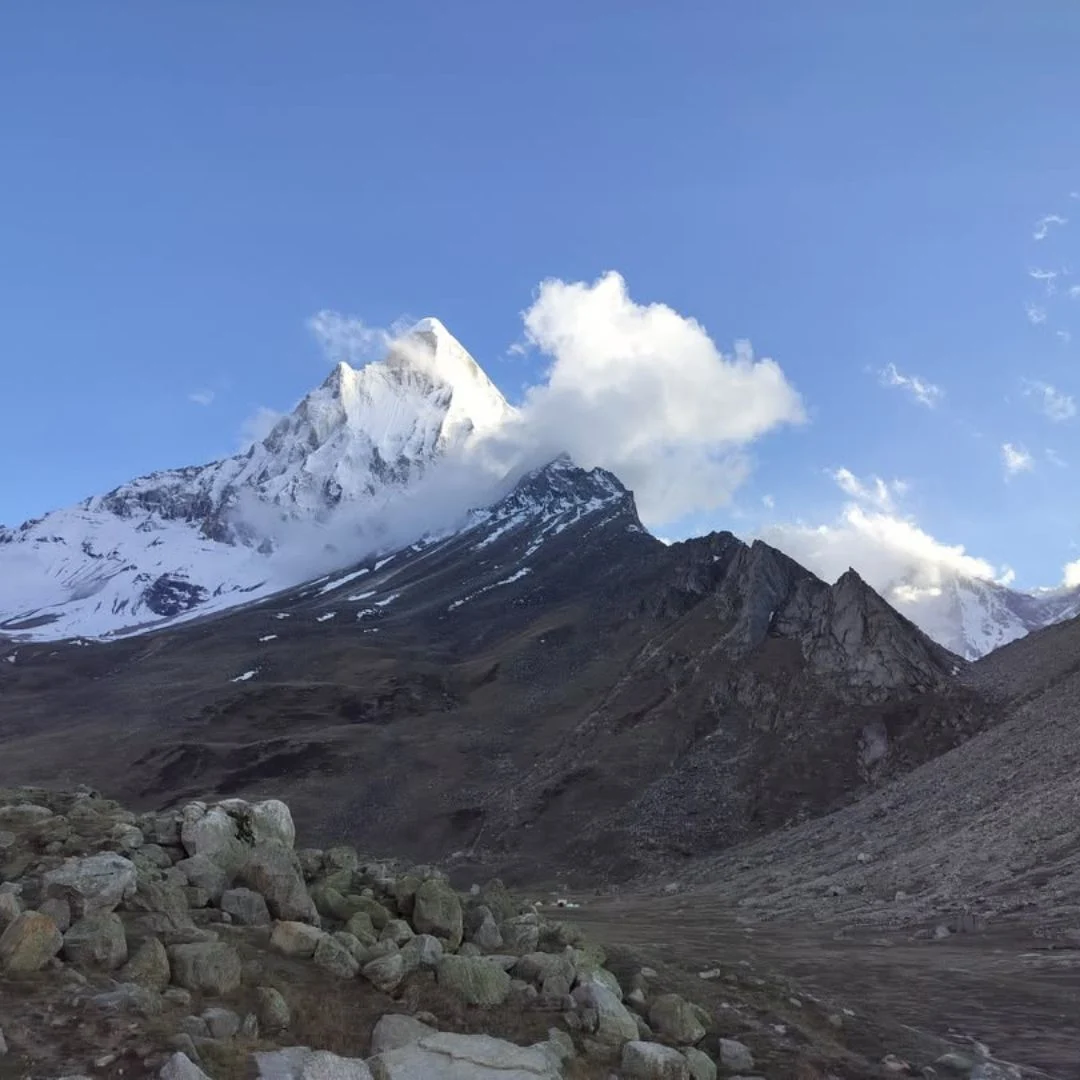
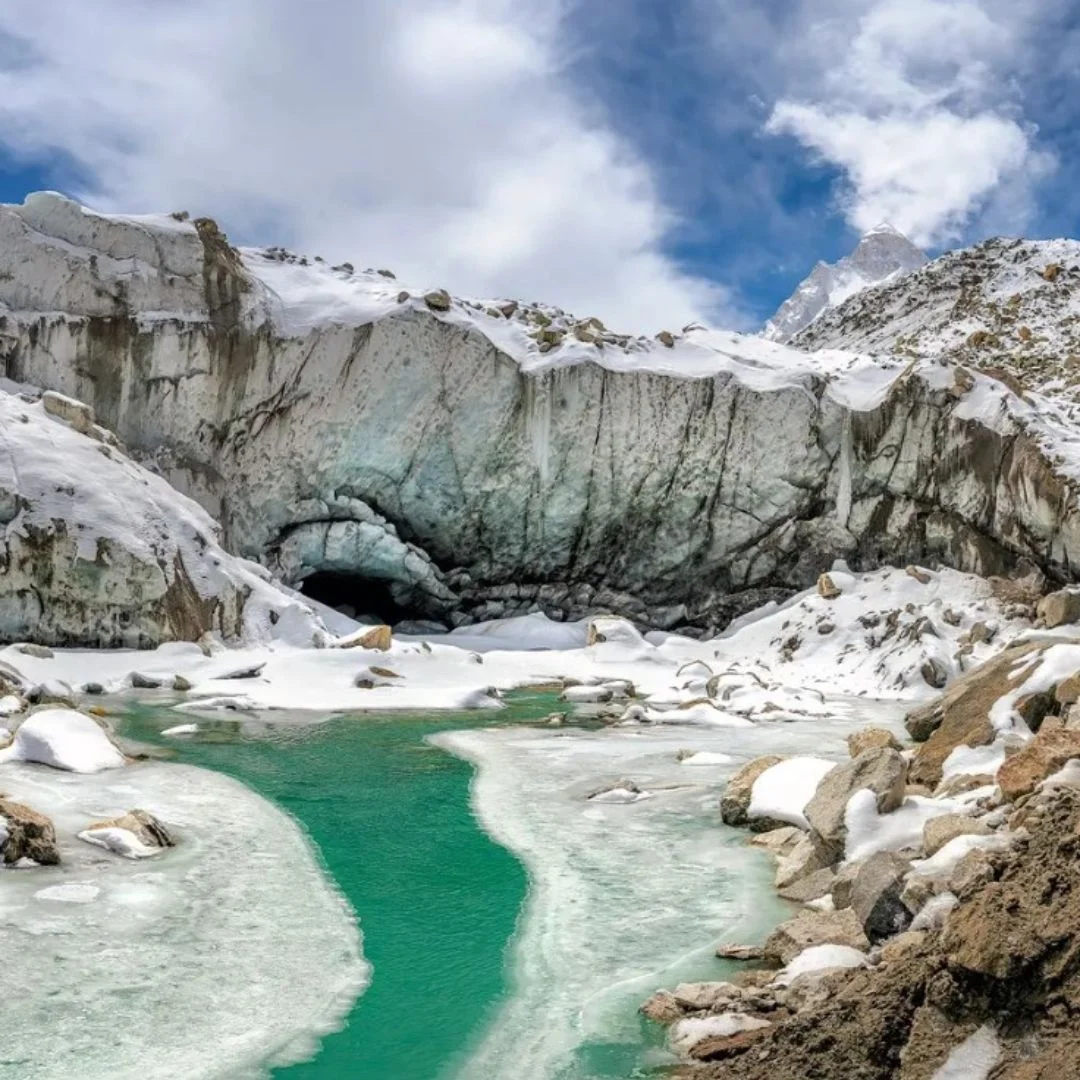
Gaumukh Tapovan offers more diversity in scenery. The trail combines spiritual landmarks with wide-open Himalayan views.
- Gangotri Glacier
- Gaumukh
- Tapovan meadows
- Shivling
- Bhagirathi peaks
This trek blends natural beauty with spiritual significance, offering a more varied and visually rich experience.
Which is More Scenic?
Both treks are visually rewarding, but they appeal to different preferences:
- Kedartal – Best for raw, dramatic, and rugged mountain landscapes
- Gaumukh Tapovan – Ideal for diverse scenery with glaciers, meadows, and iconic peaks
If you enjoy wild terrain, Kedartal stands out. If you want variety and iconic Himalayan views, Gaumukh Tapovan is the better choice.
Best Time to Visit Both Treks
Since Kedartal and Gaumukh Tapovan are in the same region and start from Gangotri, the best time to visit both treks remains almost the same. The most suitable months are May to June and September to October.
If you are planning your trip, this is the best time to visit Gaumukh Tapovan in these windows. In summer, the snow melts and the trail becomes easier to access, with comfortable daytime temperatures. After the monsoon, the weather clears up, giving you sharp mountain views and a cleaner atmosphere, which makes the experience even better.
Kedartal also follows the same timeline, but the trail conditions make it slightly more sensitive to weather. Early summer may still have some snow patches, while post-monsoon offers more stable trails and clearer views. Because of its rugged and exposed sections, timing becomes more important for Kedartal.
Note: It’s best to avoid the monsoon season (July-August). Rain makes the trails slippery and increases the risk of landslides, especially on the Kedartal route.
Altitude and Acclimatization
Altitude plays a key role in both treks, and it directly affects how your body performs on the trail. Kedartal reaches a higher elevation at around 4,734 meters, while Tapovan stands slightly lower at about 4,422 meters. This difference may look small on paper, but it significantly impacts how your body reacts to reduced oxygen levels.
Kedartal’s rapid and steep ascent increases the chances of Acute Mountain Sickness (AMS), especially if you don’t acclimatize properly. In comparison, Gaumukh Tapovan allows a more gradual gain in altitude, which helps your body adjust better over time.
Altitude Comparison
- Kedartal: ~4,734 meters (higher risk zone)
- Tapovan: ~4,422 meters (relatively better acclimatization profile)
Why Acclimatization Matters
At higher altitudes, oxygen levels drop, and your body needs time to adapt. Ignoring this can lead to AMS symptoms like headache, nausea, dizziness, and fatigue. Proper acclimatization helps you stay safe and enjoy the trek without health risks.
Tips to Stay Safe at High Altitude
- Ascend gradually and avoid rushing
- Stay well hydrated throughout the trek
- Avoid alcohol and smoking
- Eat light but energy-rich meals
- Pay attention to early AMS symptoms
- Take rest days if needed
Final Verdict – Which Trek Should You Choose?
Choosing between Kedartal and Gaumukh Tapovan depends on your experience, fitness level, and what you expect from the trek. Both offer incredible Himalayan experiences, but they cater to different types of trekkers.
Choose Kedartal Trek If:
Kedartal suits those looking for a challenging and less crowded adventure. It demands strong fitness and prior trekking experience.
- You want a high-intensity and adventurous trek
- You already have trekking experience
- You enjoy rugged, raw mountain terrain
- You prefer offbeat and less crowded routes
Choose Gaumukh Tapovan Trek If:
Gaumukh Tapovan works better for trekkers who want a balanced experience with iconic views and a gradual climb.
- You are a beginner with good fitness
- You want to see famous Himalayan landmarks
- You prefer a more structured and gradual trek
- You enjoy a mix of nature and spiritual experience
There is no “better” trek here only the one that matches your goals. Choose wisely based on your comfort level, and you will enjoy every step of the journey.

Leave a Comment