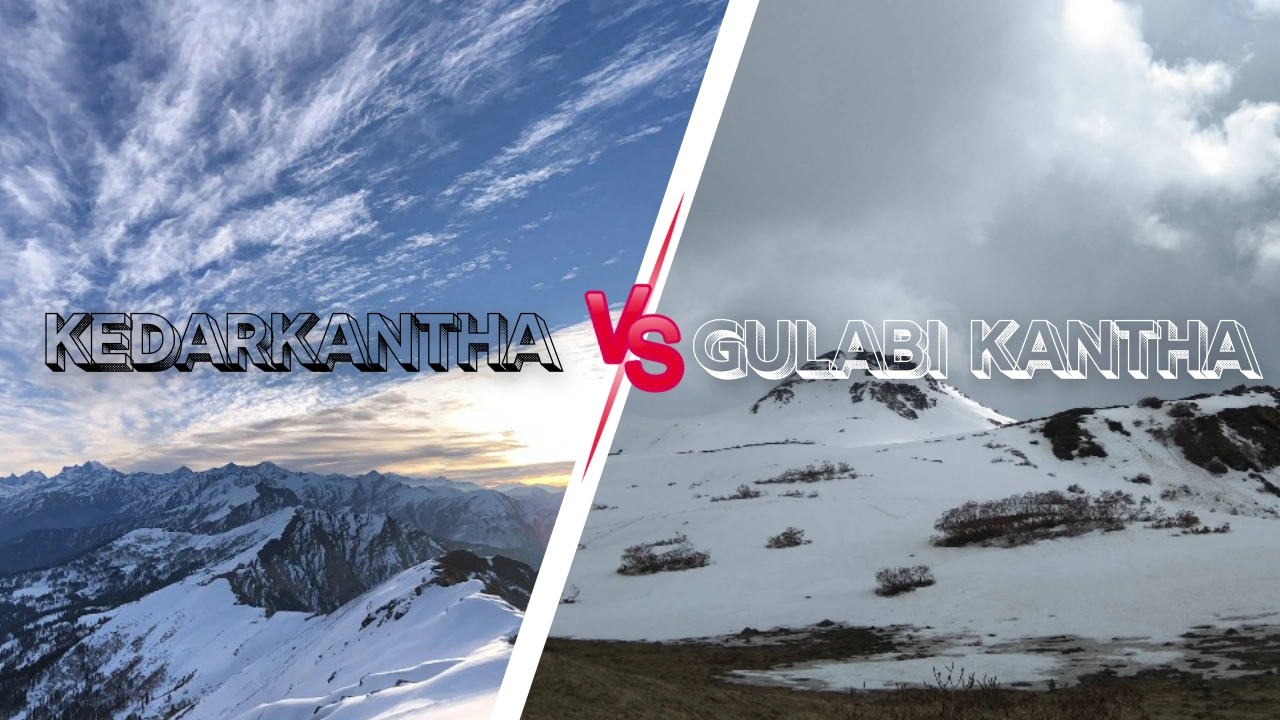
Kedarkantha and Gulabi Kantha are two different Himalayan trekking experiences in Uttarakhand, and both offer beautiful mountain landscapes and rewarding trail experiences. While Kedarkantha is widely known for its classic summit climb, winter snow and well-established trekking route, Gulabi Kantha offers a quieter experience with open meadows, scenic landscapes and a more peaceful trail environment.
Although both treks can be suitable for trekkers looking for a Himalayan adventure, they differ in several aspects, including altitude, route, terrain, summit experience, difficulty, season, scenery and crowd levels. Understanding these differences can help you choose a trek based on the kind of experience you are looking for.
This comparison looks at Kedarkantha vs Gulabi Kantha across these important factors, helping you decide which trek is better suited to your preferences, trekking experience and travel plans.
Quick Overview: Kedarkantha vs Gulabi Kantha
| Aspect | Kedarkantha | Gulabi Kantha |
|---|---|---|
| Location | Uttarkashi, Uttarakhand | Uttarkashi, Uttarakhand |
| Base Camp | Sankri Village | Hanuman Chatti |
| Height | 12,500 ft | 13,200 ft |
| Trek Distance | 20 km | 28 km |
| Grade | Easy to Moderate | Easy to Moderate |
| Age Criteria | 7+ | 7+ |
| Duration | 5 days | 5 days |
| Health Requirement | 5 km in 30 minutes | 5 km in 30 minutes |
| Avg Cost | ₹6,000-8,000 | ₹6,000-8,000 |
| Popularity | Very popular, one of the best winter treks in India | Offbeat, less crowded, still among best winter treks in Uttarakhand |
| Famous Highlight | Kedarkantha Summit and Juda ka Talab | Gulabi Kantha Meadows |
| Crowd | More Populars | Generally quieter |
| Permit | Offline | Offline |
Highlights of Kedarkantha
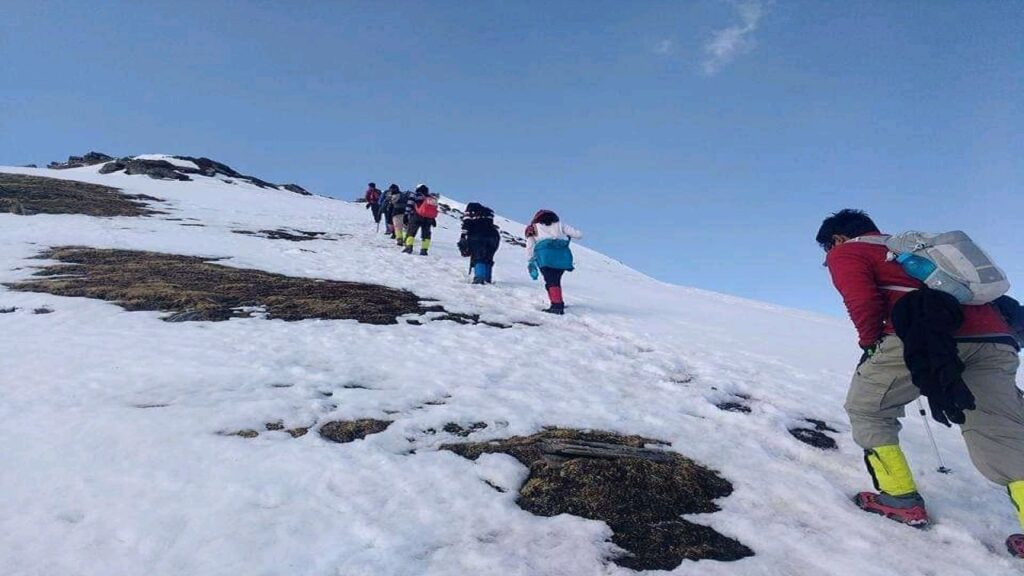
- Thrilling Summit Climb: The steep ascent to 12,500 ft offers trekkers a true mountaineering feel, making the climb both challenging and rewarding.
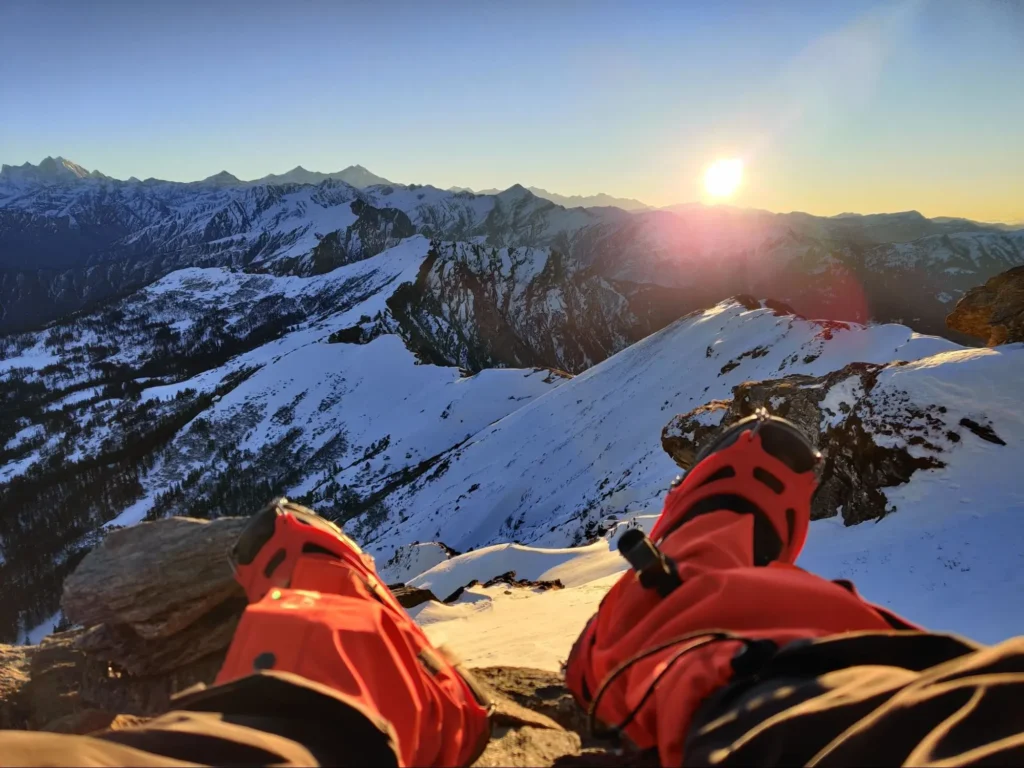
- Spectacular Sunrise: Known for producing one of the most famous sunrise views in all of Uttarakhand, the Kedarkantha summit provides a golden Himalayan panorama as the very first rays of the sun kiss the peaks of Swargarohini and Black Peak.
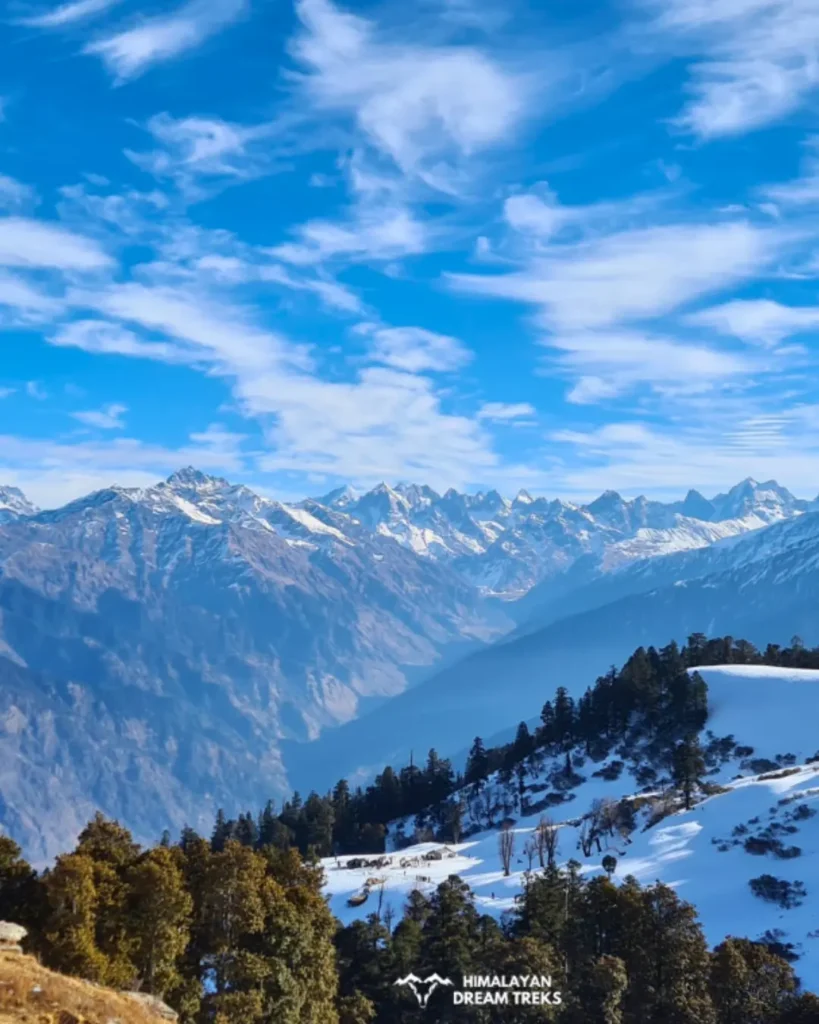
- Snow-Covered Landscapes in Winter: Winter transforms Kedarkantha into a fairytale snowland where dense pines, meadows, and trails wear a thick white carpet.
- Juda ka Talab: A frozen lake en route that adds a magical element to the trail, especially in mid-winter.
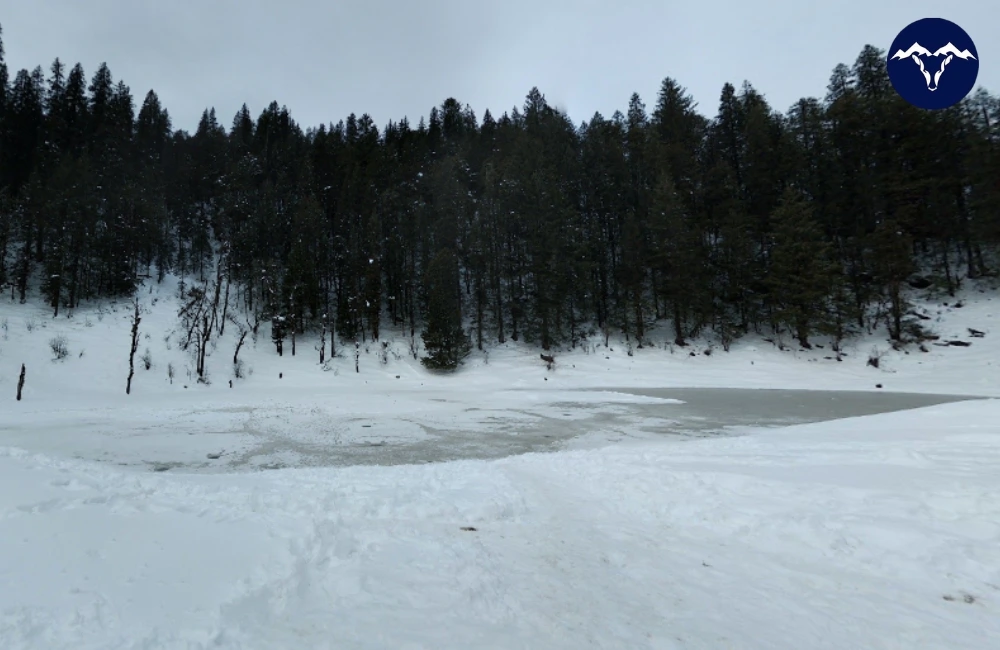
- Cultural Heritage: Sankri village and nearby remote villages like Osla showcase traditional Garhwali and Jaunsari lifestyle, allowing trekkers to connect with local culture.

- Trek Extensions: The Kedarkantha trek can be extended to Phulara Ridge, rich in alpine meadows and wildflowers, which is best explored during summer and autumn.
Highlights of Gulabi Kantha
- Gradual but High Summit Climb: At an altitude of 13,200 ft, Gulabi Kantha provides a gentler summit approach compared to Kedarkantha, making it highly beginner-friendly.
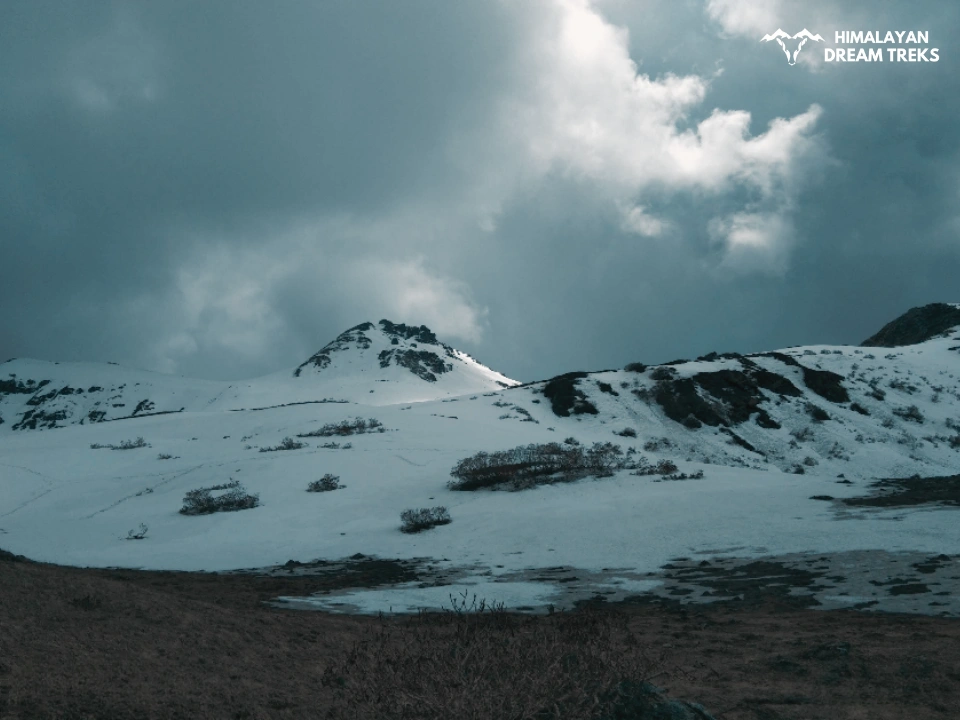
- Unparalleled Sunset Views: While Kedarkantha is celebrated for sunrise, Gulabi Kantha stands out for its mesmerizing sunsets, painting Himalayan skies in rose, orange, and purple hues.
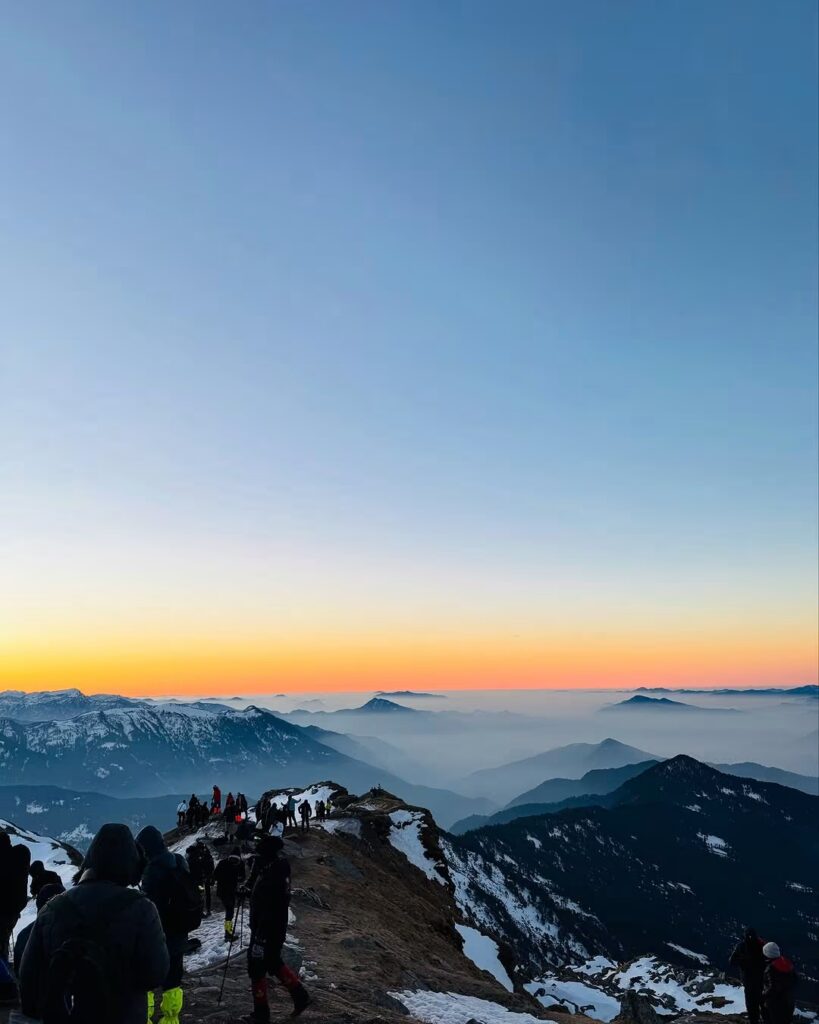
- Closer Himalayan Peaks: From Gulabi Kantha, the view of Bandarpunch, and other major ranges is far closer and more dramatic, giving trekkers an immersive Himalayan experience.
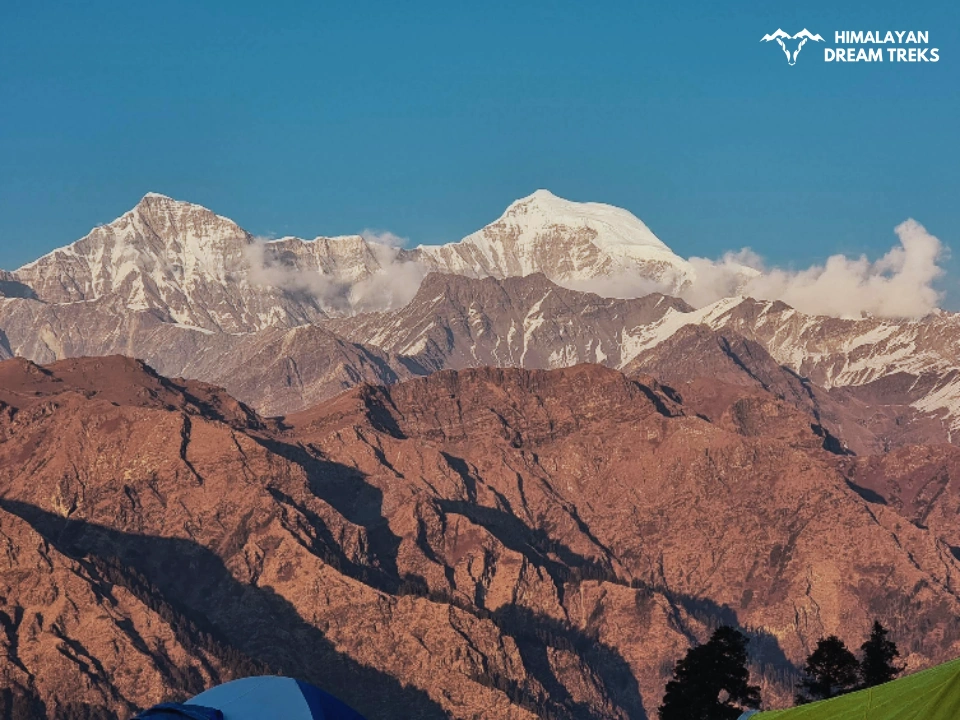
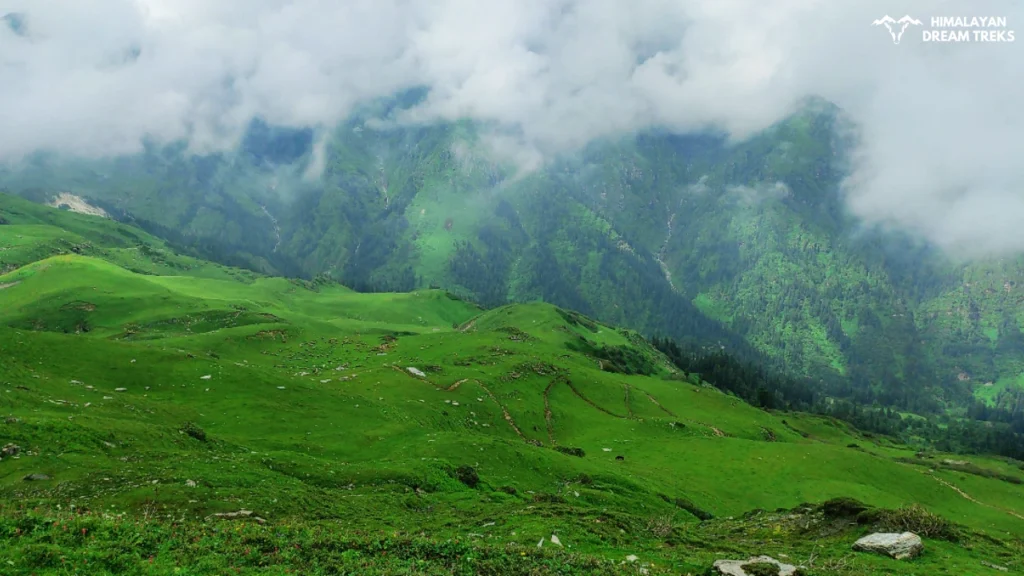
- Expansive Bugyal Meadows: Gulabi Kantha passes through lush green pastures and bugyals, dotted with wildflowers in spring and blanketed in pristine snow during winter.
- Cultural Circuit: Its proximity to Yamunotri Dham, one of the holiest Char Dham pilgrimage sites, adds cultural depth. After the trek, a short extension leads trekkers to the sacred shrine of Goddess Yamuna and nearby historic temples.

- Trek Extensions: The trail connects to Dodital and Darwa Pass, offering an additional adventure in summer and autumn when snow cover is minimal. This creates opportunities for a multi-trek circuit.
Kedarkantha vs Gulabi Kantha: Which Is More Difficult?
Both are categorized as easy to moderate treks, approachable for trekkers of all age groups with basic fitness.
- Kedarkantha: Slightly more challenging, especially due to its steep summit climb. This makes it more suited to those who seek adventure and don’t mind exerting themselves.
- Gulabi Kantha: Slightly easier because of its gradual ascent and zig-zag trail route, making it an ideal choice for first-time trekkers or those who prefer a less strenuous experience.
Both Kedarkantha and Gulabi Kantha require reasonable fitness and basic trekking ability, but the challenge on each trek comes from different aspects of the route. Rather than considering one universally harder than the other, it is more useful to compare the type of terrain, ascent and overall trekking experience each offers.
Kedarkantha has a more pronounced final ascent towards the summit. The summit section involves a steeper climb and an early-morning push, which can feel physically demanding, particularly when the trail is covered in snow during winter. The defined summit objective makes it a good choice for trekkers who enjoy a challenging climb followed by panoramic mountain views.
Gulabi Kantha generally follows a more gradual approach, with a greater emphasis on open meadows and steady ascent. The route can feel more relaxed for trekkers who prefer a less summit-focused experience and enjoy spending time on the trail rather than tackling a distinct steep summit section.
Ultimately, the better choice depends on what type of trekking experience you prefer. If you want a defined summit push and the satisfaction of reaching a prominent peak, Kedarkantha offers that experience. If you prefer a more gradual, meadow-oriented trail with a quieter trekking environment, Gulabi Kantha may feel more suitable.
Scenery & Photography: Kedarkantha vs Gulabi Kantha
Kedarkantha offers a diverse visual experience, with dense conifer forests, open meadows, snow-covered trails and expansive Himalayan views. The landscape changes noticeably as you gain altitude, eventually leading to the summit ridge where trekkers can enjoy wide mountain panoramas. During winter, the snow-covered trail and early-morning summit climb create excellent opportunities for classic Himalayan trekking photographs.
Gulabi Kantha, on the other hand, has a more meadow-focused landscape, with broad open stretches, rolling terrain and quieter surroundings. The trail is particularly appealing to photographers who enjoy capturing landscapes, changing light, open mountain views and the natural character of the high-altitude meadows. Its relatively quieter atmosphere can also make it easier to spend time photographing the surroundings without the crowds often seen on popular winter trekking routes.
If your priority is a classic summit photograph, snow-covered landscapes and a defined summit experience, Kedarkantha may suit you better. If you prefer open meadows, peaceful surroundings and a more relaxed landscape-focused experience, Gulabi Kantha may be the better choice.
Why Choose Kedarkantha?
Choose Kedarkantha if you want a classic Himalayan trekking experience with a clearly defined summit objective. It is particularly popular among trekkers looking for a winter trek with snow-covered trails, forest sections and panoramic mountain views.
Choose Kedarkantha if you want:
- A classic Himalayan summit experience with a defined peak objective
- A popular winter trekking destination with a well-known snow trekking route
- Snow-covered landscapes, especially during the winter season
- The scenic Juda Ka Talab campsite and its surrounding forest landscape
- A memorable early-morning summit climb with wide Himalayan views
- A trek that is widely chosen by first-time Himalayan trekkers with reasonable fitness
- A combination of forest trails, open meadows and summit views within one trek
- If your priority is a recognisable winter trek with snow, a proper summit climb and a well-established trekking experience, Kedarkantha can be a strong choice.
Why Choose Gulabi Kantha
Gulabi Kantha can be a good choice for trekkers who want a quieter and less crowded Himalayan experience away from some of the more popular trekking routes. Its open meadows, gradual trail sections and peaceful surroundings make it suitable for those who enjoy spending more time experiencing the landscape rather than focusing only on a summit climb.
Choose Gulabi Kantha if you want:
- A quieter trekking experience away from busy popular trails
- Less crowded trails and more peaceful surroundings
- Beautiful open meadow landscapes and wide mountain views
- A more gradual approach that allows you to enjoy the trail at a steady pace
- An offbeat alternative to the popular Kedarkantha Trek
- A trek focused more on landscapes, meadows and peaceful surroundings than a classic summit experience
- Option to extend with Dodital and Darwa Pass trek, opening up more high-altitude exploration.
- More opportunities to enjoy scenic photography and nature without the atmosphere of a heavily frequented trekking route
Which Trek Should You Choose?
| If you want… | Choose |
| Famous summit experience | Kedarkantha |
| Quieter/offbeat trail | Gulabi Kantha |
| Juda Ka Talab | Kedarkantha |
| Higher altitude | Gulabi Kantha |
| Classic winter trek | Kedarkantha |
| Meadow-focused experience | Gulabi Kantha |
| More established/popular trek | Kedarkantha |
| Less crowded experience | Gulabi Kantha |
Final Verdict: Kedarkantha or Gulabi Kantha?lusion
Both Kedarkantha and Gulabi Kantha are jewel-like winter treks in Uttarakhand, offering similar ease of access, affordability, and panoramic Himalayan vistas. There is no single winner between Kedarkantha and Gulabi Kantha, the better trek depends on the experience you want.
Choose Kedarkantha if your priority is a classic summit trek, winter snow, Juda ka Talab and a more established trekking experience. Choose Gulani Kantha if you prefer quieter trails, open meadows and a more offbeat Himalayan experience.
If you are still unsure, compare the route, altitude, season, difficulty and scenery based on your own trekking goals rather than choosing only by popularity.

Leave a Comment