
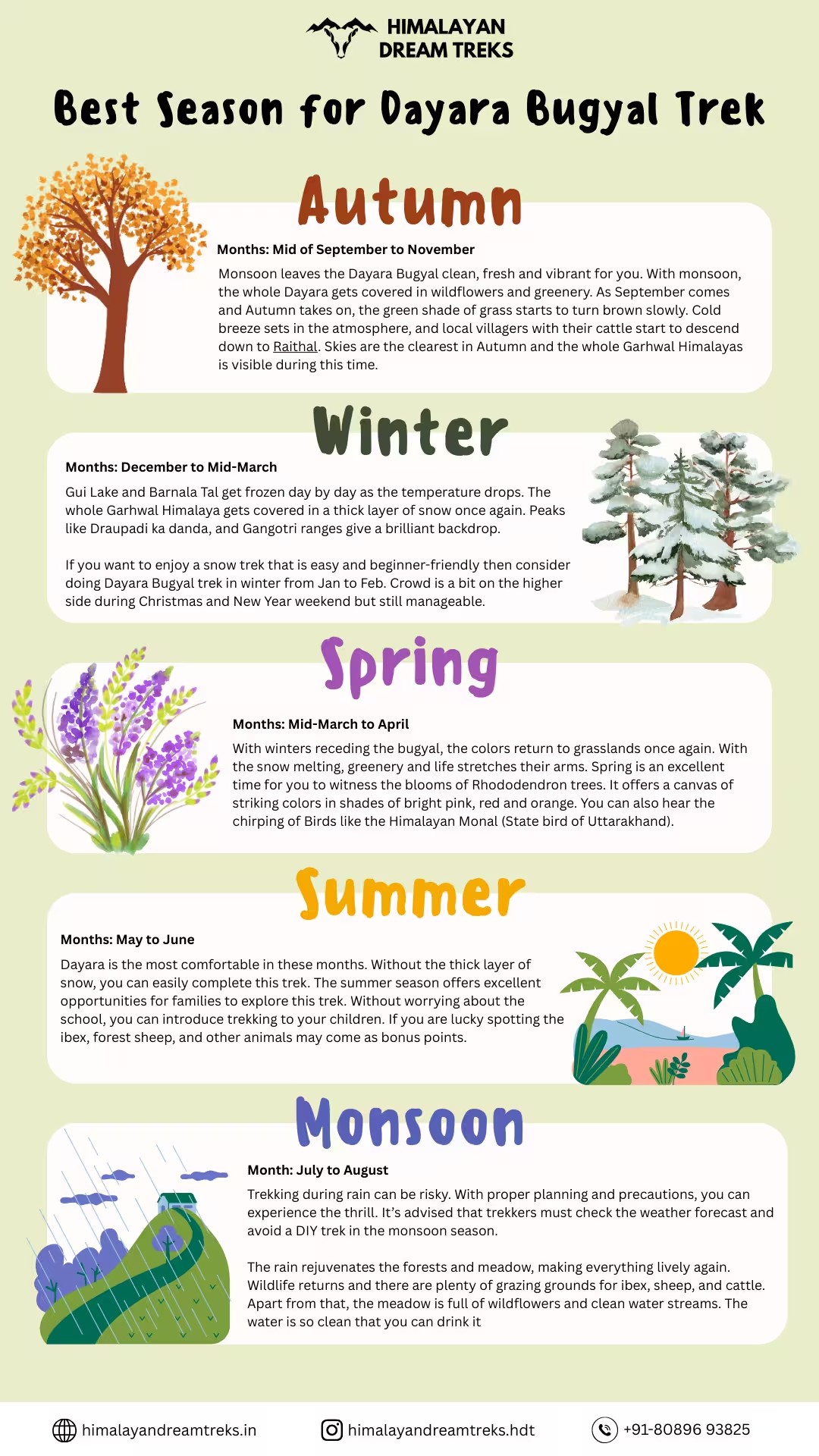
The Dayara Bugyal trek can be experienced in different seasons throughout the year, but the best time to visit depends on what you want to see and experience on the trail. Every season transforms this high-altitude meadow in a different way. Winter brings snow-covered landscapes, spring brings blooming rhododendrons, summer offers comfortable trekking conditions, monsoon turns the meadows lush green and brings wildflowers, while autumn is known for clear skies and spectacular Himalayan views.
So, there is no single “best” season for everyone. If you dream of walking through snow, winter is the ideal choice. For colourful forests and rhododendron blooms, choose spring. Summer is a comfortable option for trekkers who prefer milder weather and snow-free trails, while monsoon offers vibrant greenery and wildflowers but also comes with rain-related challenges. If clear mountain views and crisp weather are your priority, autumn is one of the best times to visit Dayara Bugyal.
With the changing seasons, Dayara Bugyal takes on a completely different character. The landscape moves from white in winter and colourful in spring to green in summer and monsoon, followed by the golden-brown hues of autumn. In this guide, we will look at each season and help you decide the best time for your Dayara Bugyal trek.
At a Glance – Which Month Is Best for Dayara Bugyal?
| Month/Period | What to Expect | Best For |
| January–February | Snow-covered trail and campsites | Snow trek |
| March–April | Rhododendrons, melting snow, fresh greenery | Flowers & nature |
| May–June | Pleasant weather, open meadows | Families & beginners |
| July–August | Green meadows, wildflowers, rain | Monsoon greenery |
| September–October | Clear skies, fresh meadows, mountain views | Best overall views |
| November | Cold, dry conditions, autumn landscape | Quiet trekking |
Best Season to Visit Dayara Bugyal Trek
1. Winter – Snow-Covered Landscapes and a Classic Himalayan Trek
- Months: December to Mid-March
- Temperature: Daytime temperatures can range around 7°C to 12°C, while nighttime temperatures can fall to around -10°C or lower, depending on snowfall and weather conditions.
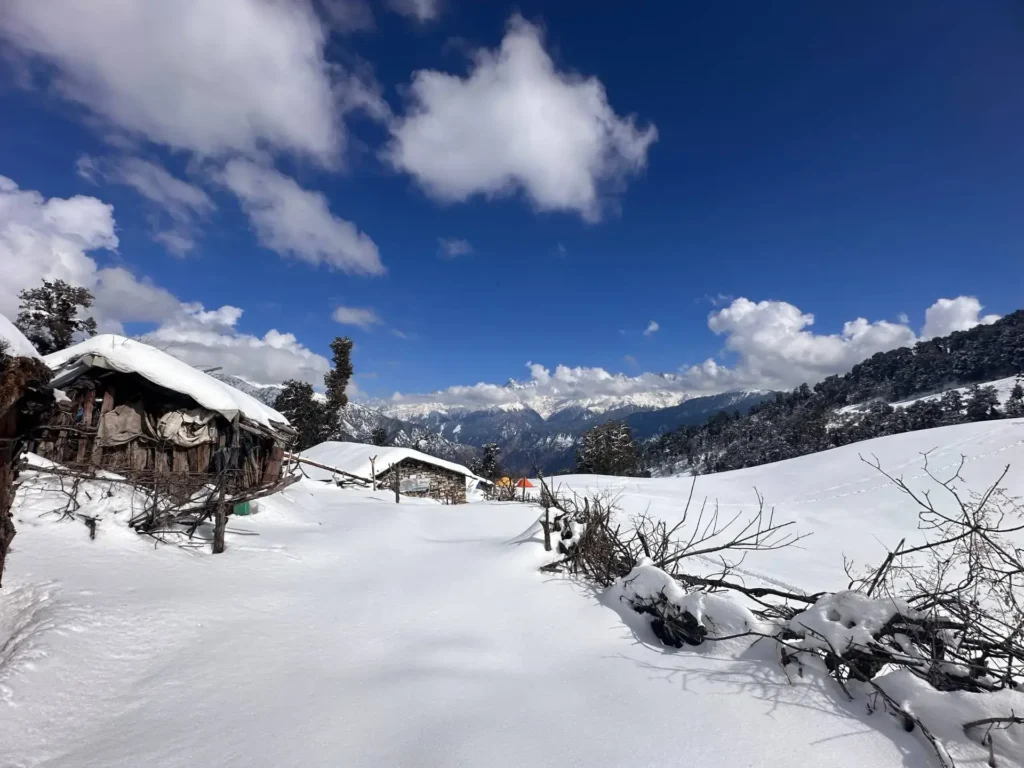
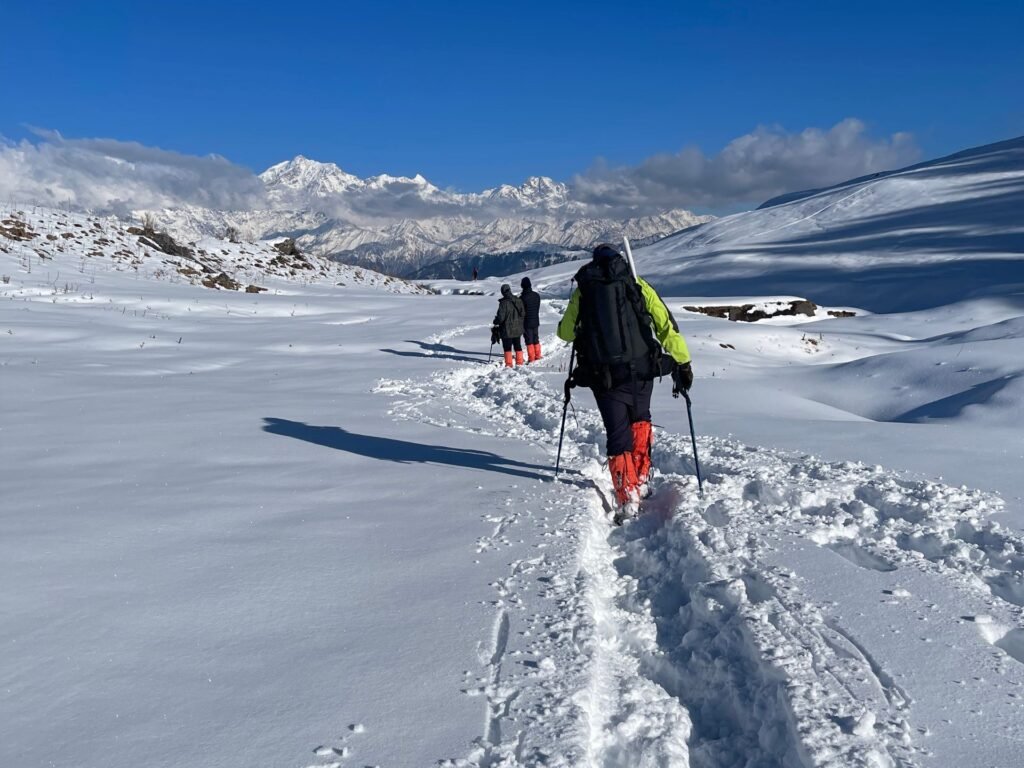

Winter transforms Dayara Bugyal into a beautiful snow-covered landscape. As temperatures fall, the meadows, forests and surrounding mountain peaks gradually become covered in snow, creating the classic winter-trek experience that many trekkers come to Dayara for. Gui and the surrounding high-altitude areas can also receive substantial snowfall, while nearby water bodies such as Gui Lake and Barnala Tal may freeze during colder periods.
The best period for a snow experience is generally January and February, although the amount and timing of snowfall can vary from year to year. If your main goal is to walk through snow-covered meadows and enjoy winter Himalayan scenery, these months are worth considering.
Winter can also be a good choice for first-time trekkers who specifically want to experience a snow trek, as Dayara is known for its relatively accessible terrain. However, winter conditions still require proper preparation, warm clothing and careful planning.
The trek tends to see higher demand around Christmas and New Year, while other winter periods can be comparatively quieter. If you prefer a snowy landscape with fewer crowds, consider travelling outside the peak holiday period.
Who should choose winter? Choose this season if your priority is snow, frozen landscapes, crisp mountain air and a classic Himalayan winter experience. If you want detailed information about winter temperatures, snowfall, clothing, equipment and preparation, read our Dayara Bugyal in Winter guide.
2. Spring – Rhododendrons, Fresh Greenery and Colourful Forests
- Months: Mid-March to April
- Temperature: Daytime temperatures can reach around 15°C, while nights can remain cold and may drop to around 0°C, depending on altitude and weather conditions.
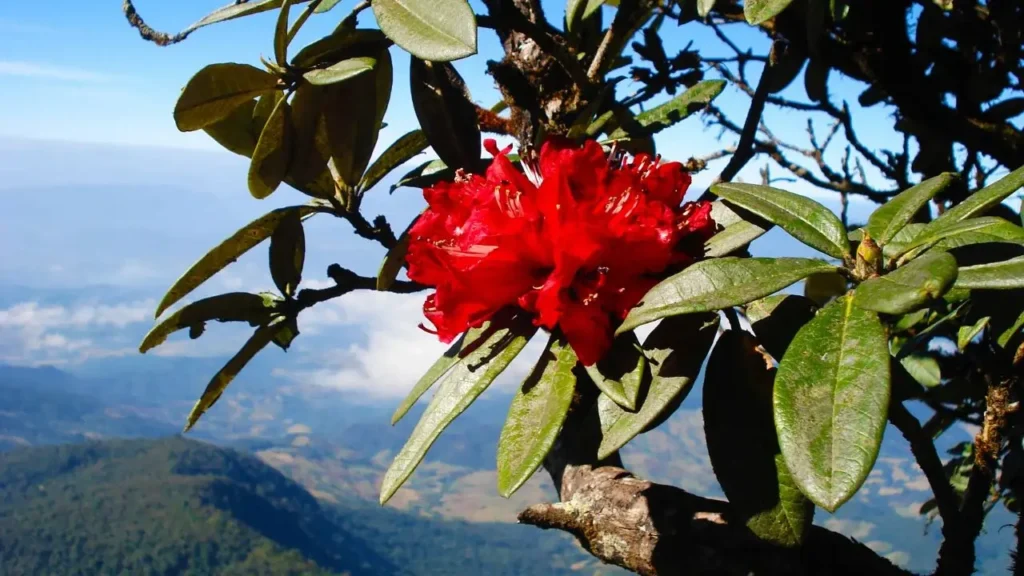
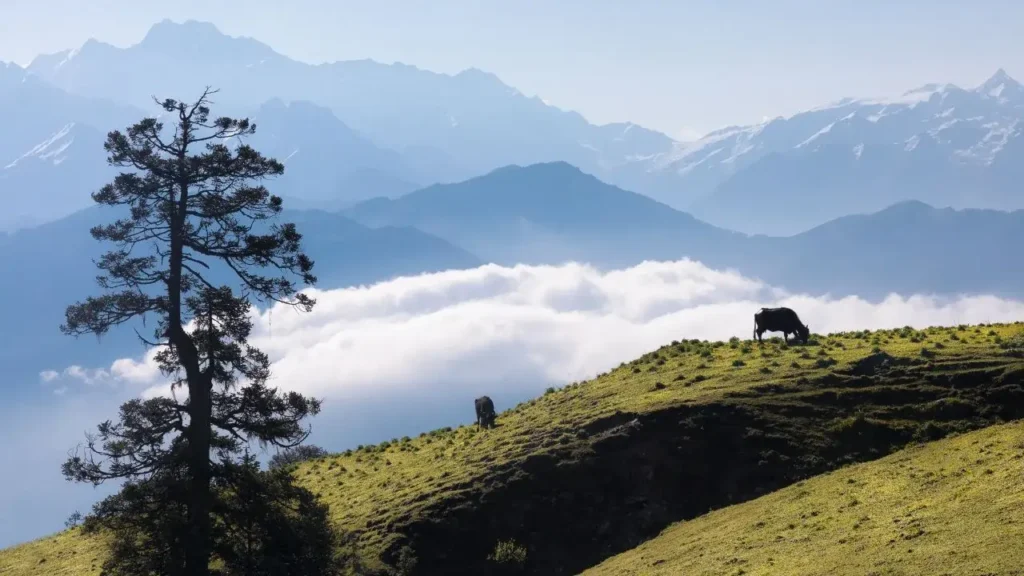

As winter gradually recedes, the snow begins to melt and the landscape around Dayara Bugyal starts coming alive again. The meadows regain their greenery, streams begin flowing with melting snow, and the forests become filled with the colours of spring.
One of the biggest attractions of visiting Dayara Bugyal in spring is the rhododendron bloom. The forests can take on shades of pink, red and orange as rhododendron trees begin flowering. You may also hear the calls of Himalayan birds, including the Himalayan Monal, while wildflowers and other seasonal vegetation add colour to the trail.
The spring landscape is not limited to the higher meadows. Around Raithal, fields can also take on bright yellow shades as Fyoli and mustard bloom. Bees and other pollinators become active around the wildflowers, adding to the lively atmosphere of the season.
As Narendra Singh Negi said (Famous Singer of Uttarakhand) Mera dandi kanthiyo ka muluk jaleu, Basant ritu ma jayee (If you are going to the mountains, visit in Springs). This is a famous Garhwali song of our region which you can listen to here.
What to Expect in Spring – Early spring can still feel like winter at higher elevations. Some snow may remain on the higher sections of the trail, especially after a good winter snowfall. As temperatures rise, melting snow can also make parts of the trail wet or muddy, so conditions may change from one week to another.
The weather can remain cold, particularly in the mornings, evenings and at higher elevations. Trekkers should therefore carry warm layers even though daytime conditions become more pleasant.
Best For – Spring is an excellent choice for nature lovers, photographers and trekkers who want to experience rhododendron blooms, fresh greenery and the seasonal transformation of the Himalayan landscape. If your main priority is colourful forests and spring flowers rather than snow-covered meadows, mid-March to April can be a rewarding time to explore Dayara Bugyal.
3. Summer – Comfortable Weather and Open Meadows
- Months: May to June
- Temperature: Daytime temperatures can range around 18°C to 23°C, while nighttime temperatures may drop to around 5°C, depending on altitude and weather conditions.
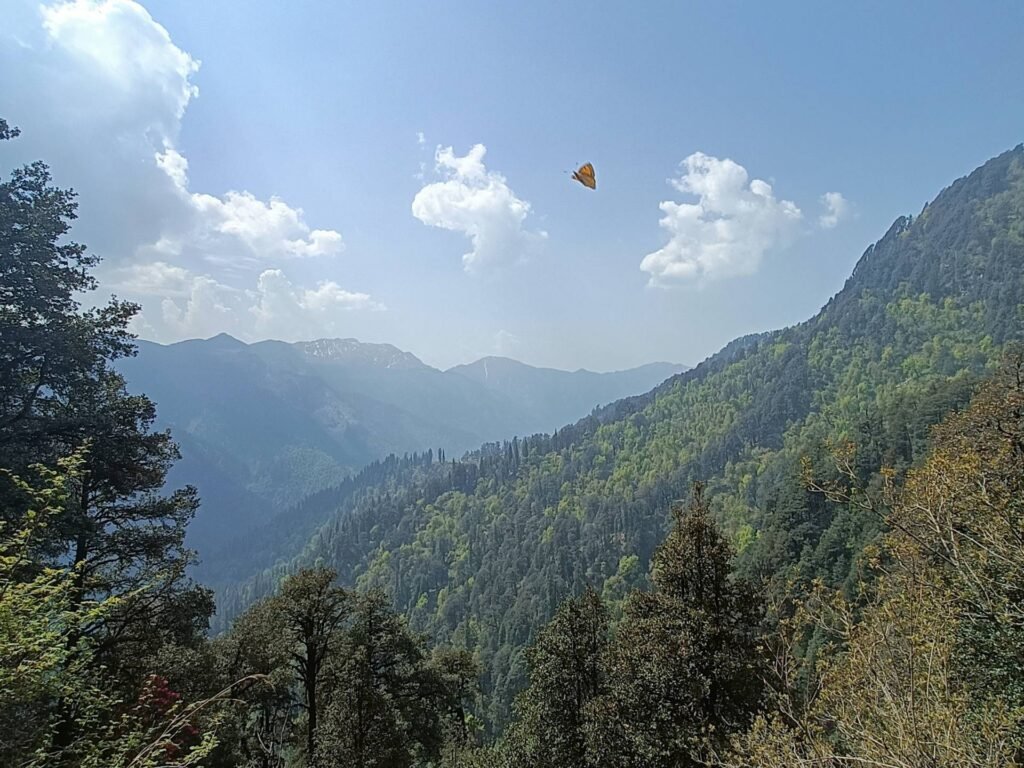
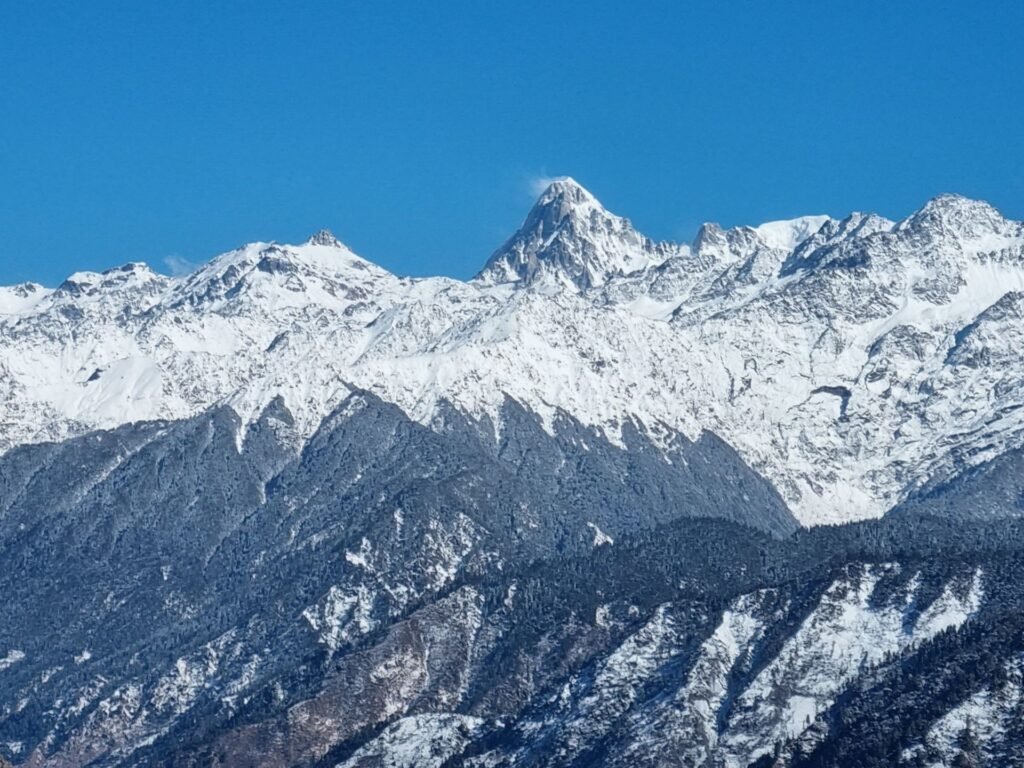
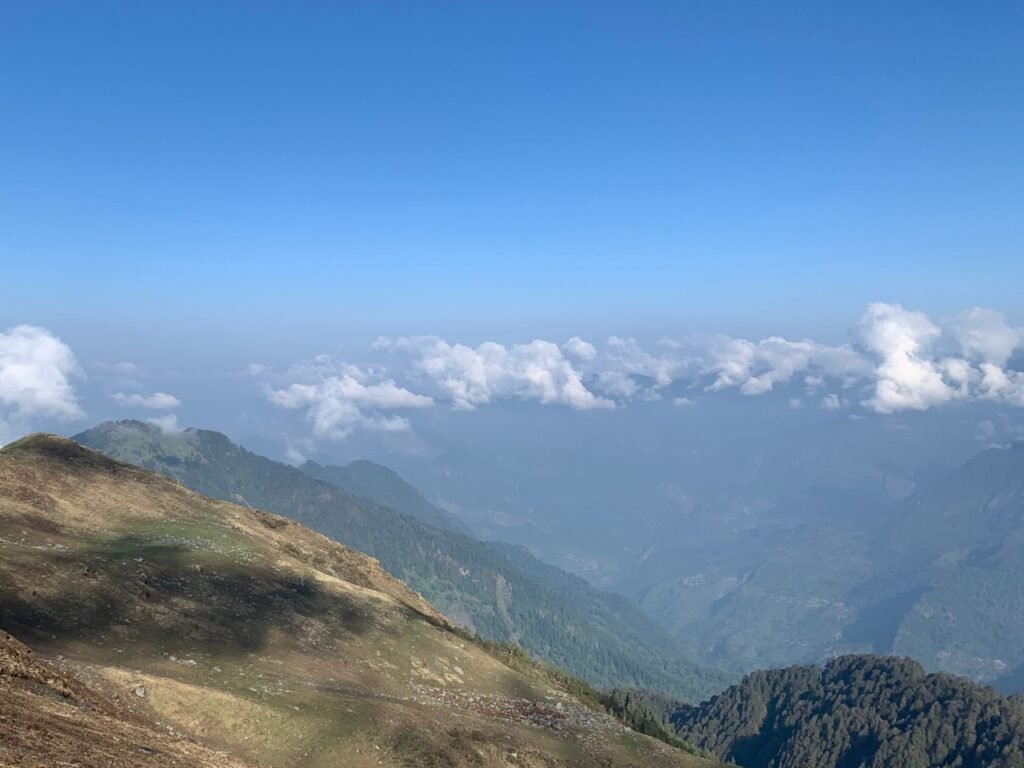
By May, most of the winter snow has usually receded from the main trekking trail, and Dayara Bugyal begins to open up into wide, green alpine meadows. The relatively comfortable temperatures and generally snow-free trails make summer one of the more comfortable periods for trekking in Dayara Bugyal.
The season is ideal for trekkers who want to enjoy the open meadows, mountain views and longer stretches of clear trekking terrain without dealing with the extreme cold of winter. From the higher sections, you can enjoy views of peaks such as Mount Srikanth, while the surrounding villages and valleys can be seen from viewpoints around Bakariya Top.
Is Summer Good for Beginners and Families? The milder weather can make May and June a suitable choice for first-time trekkers and families, particularly those who prefer to avoid winter temperatures and snow-covered trails. Children can also enjoy the open landscapes and relatively comfortable daytime conditions, provided they are physically prepared for the trek.
Summer is also a good option for trekkers who find extreme cold uncomfortable and want to experience Dayara Bugyal in a more accessible, snow-free setting.
Wildlife sightings are possible in the wider landscape, but they are unpredictable and should never be considered guaranteed. Trekkers should enjoy the natural surroundings without approaching or disturbing animals.
Things to Keep in Mind – Summer can also bring dry conditions, forest fires and increased dust or pollen in some areas. Smoke and haze from forest fires can occasionally reduce visibility and affect views of distant Himalayan peaks. Weather conditions can also change, so it is important to check the latest local conditions before starting the trek.
If you prefer comfortable daytime temperatures, open green meadows and snow-free trekking trails, summer is a good season to consider for the Dayara Bugyal trek.
4. Monsoon – Lush Green Meadows, Wildflowers and Changing Weather
- Month: July to August
- Temperature: Monsoon brings relatively mild temperatures to Dayara Bugyal, but conditions can vary considerably with rainfall, cloud cover and altitude.
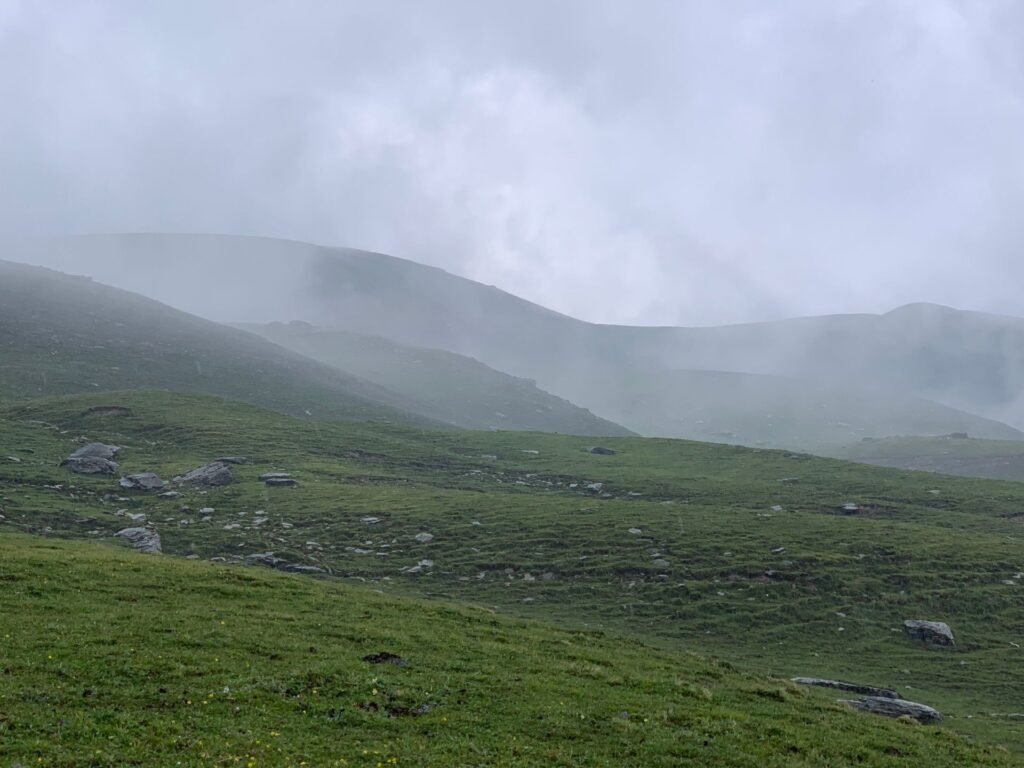
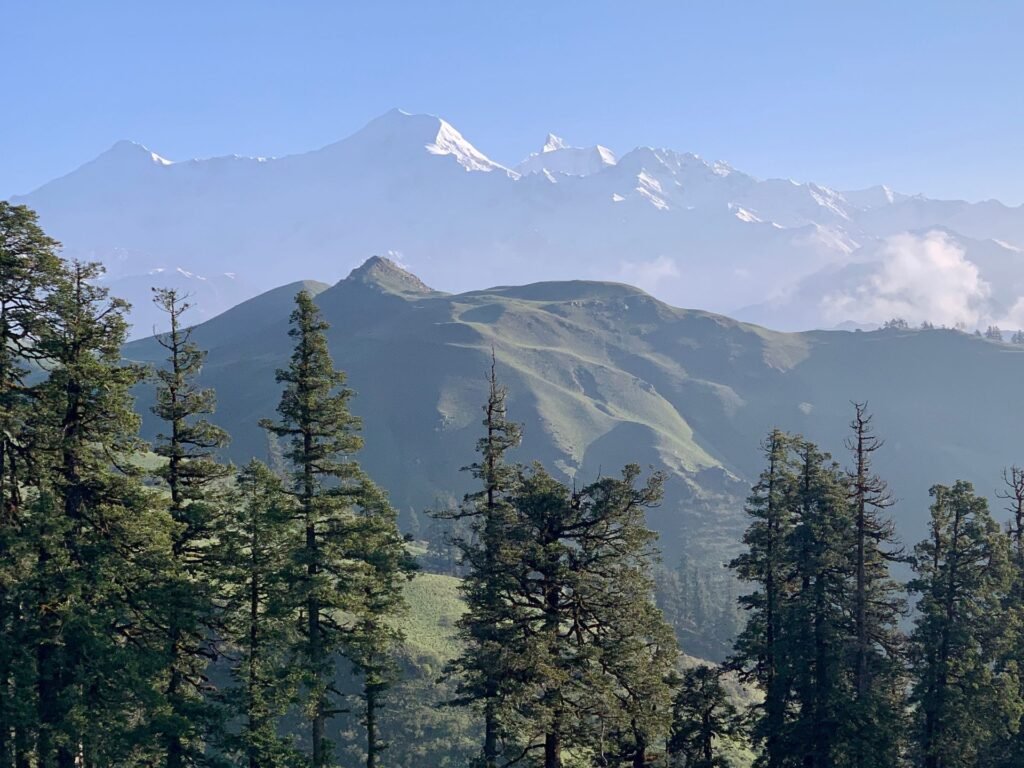
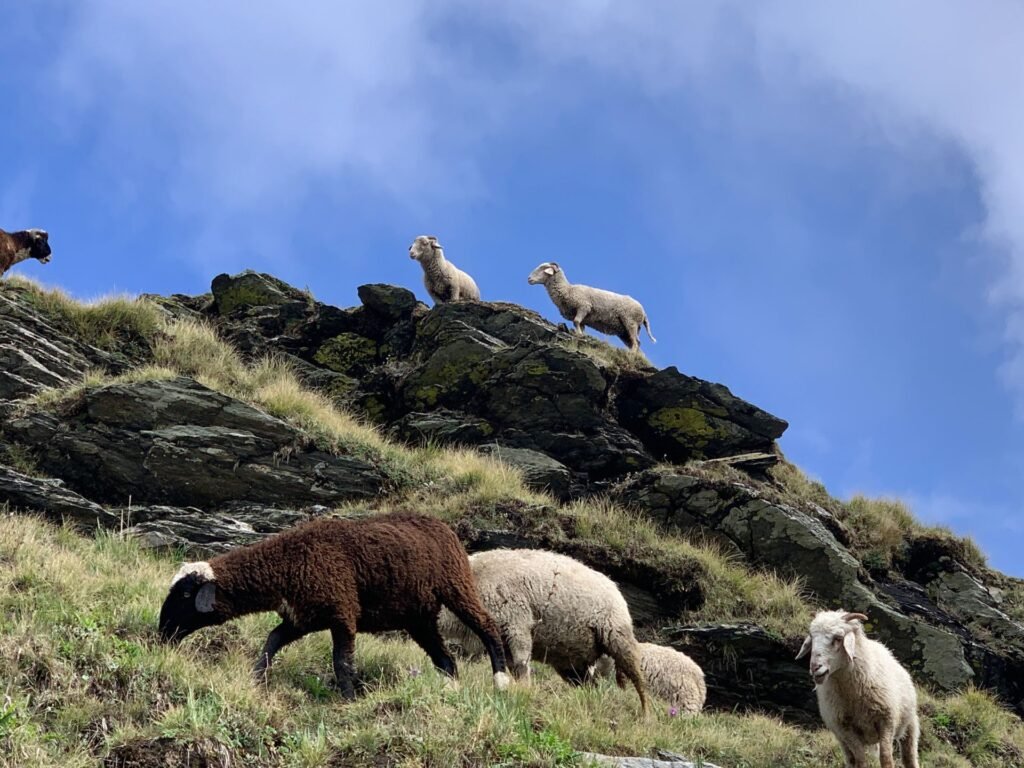
During the monsoon, the landscape around Dayara Bugyal changes dramatically. The meadows become lush green, seasonal wildflowers add colour to the landscape, and the surrounding forests look fresh after frequent rainfall. Clouds often move across the mountains, creating a completely different atmosphere from the clear skies of autumn.
The season can be especially appealing to nature lovers and photographers who want to experience Dayara when the bugyal is at its greenest. You may also see grazing sheep and cattle across the meadows, while streams and small water channels become more active after rainfall.
However, monsoon trekking requires more planning. Rain can make trails slippery and muddy, reduce visibility and cause sudden changes in trail conditions. Heavy rainfall can also affect road travel to the trek’s starting point, so trekkers should check the latest weather and road conditions before travelling.
Is Monsoon a Good Time for Dayara Bugyal? – Monsoon can be a rewarding time to visit if your priority is green meadows, wildflowers, clouds and a quieter Himalayan experience. However, it may not be the best choice if you prefer dry trails, stable weather and clear mountain views.
Because conditions can change quickly during the rainy season, a monsoon trek should be planned according to the latest weather and local conditions. Check the weather forecast, road conditions and local/operator advisories before starting your journey, and avoid attempting the trek independently when conditions are unsuitable.
For a detailed guide covering monsoon weather, trail conditions, what to expect, preparation and safety considerations, read our Dayara Bugyal in Monsoon guide.
A Special Monsoon Experience – The monsoon season is also associated with the Butter Festival, a traditional celebration connected with the pastoral communities of Dayara Bugyal. If you are interested in the cultural side of the region, you can learn more in our Butter Festival in Dayara Bugyal guide.
“I did the Dayara Bugyal trek in June 2023 via the Gorsali Route. During my trek, I saw forests full of wild birds, Himalayan langurs and water streams. Initially, I didn’t notice the bird chirping, but later, when I reviewed my recorded videos, I found bird chirping in every video. I also saw a herd of Blue Himalayan Sheep. That night, we stayed with a Gujjar family, and I learned about the importance of monsoon in meadows and the lives of Gujjars.” – Says Bhuvi Uniyal.
Note: Most people prefer the Valley of Flowers during monsoon, but due to climate change and infrastructural development work, many landslides and cloudbursts occur during monsoon near Chamoli and Rudraprayag. As compared to Valley of Flowers, Dayara is safer and can be done in monsoon also. It’s safe to say that Dayara Bugyal can be a safer alternative to the Valley of Flowers trek.
5. Autumn –Clear Skies, Mountain Views and Golden Hues
- Months: Mid of September to November
- Temperature: Daytime temperatures can range around 12°C to 15°C, while nights can become much colder and may drop to around -5°C, depending on weather conditions and altitude.

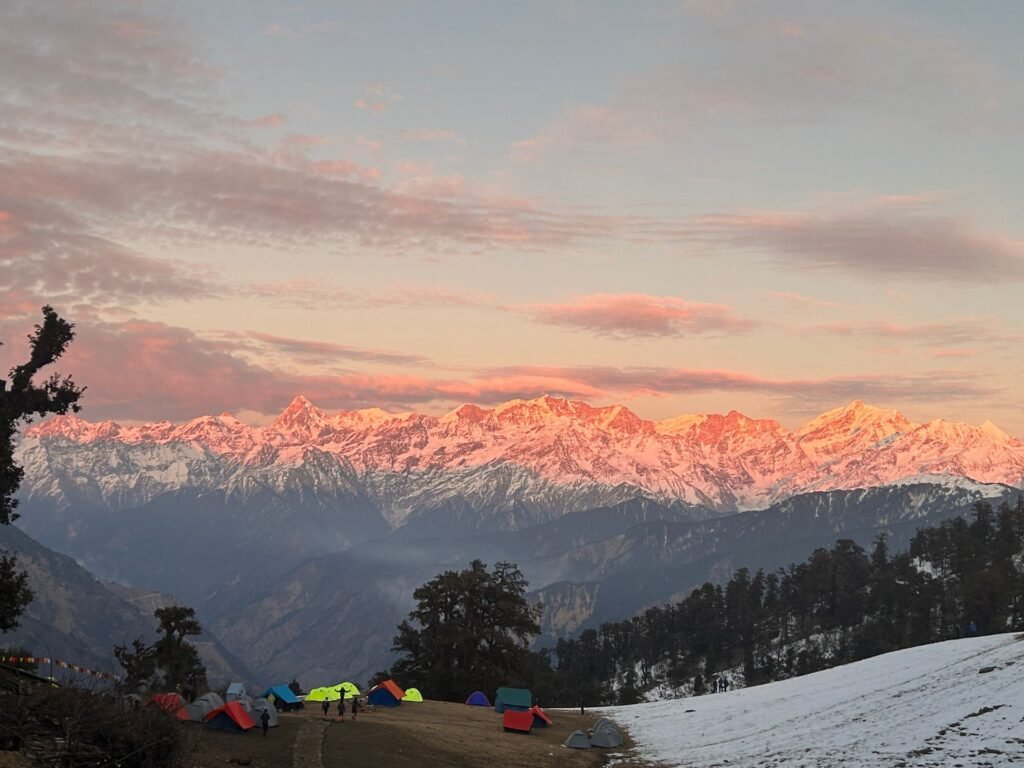

After the monsoon, Dayara Bugyal looks fresh, clean and vibrant. As autumn begins in September, the lush green grasslands gradually take on brown and golden hues, while a cool breeze settles over the meadows. Local villagers and their cattle also begin descending towards Raithal as the season changes.
One of the biggest attractions of autumn is the clear mountain visibility. With fewer clouds after the monsoon, trekkers can often enjoy spectacular views of the surrounding Garhwal Himalayas, including peaks such as Mount Srikanth, Bandarpoonch and Kala Naag. The changing colours of the forests around Chilapada and Gui add another layer to the landscape, with maple and cedar trees creating beautiful golden-brown tones.
Autumn is also an interesting time to experience the local culture around Raithal. Villagers begin harvesting paddy, while traditional cultural activities and festivals bring the village to life. You may get to see local performances such as Jhoda and Pandav Nritya, along with rituals connected to village deities.
Wildlife activity can also be observed in and around the Dayara landscape, although sightings are always unpredictable. Trekkers may occasionally spot Himalayan wildlife depending on the season, trail conditions and luck.
If you enjoy clear Himalayan views, crisp weather, golden landscapes and local mountain culture, autumn is one of the most rewarding seasons for the Dayara Bugyal trek. The combination of open mountain views, changing forest colours and quieter post-monsoon surroundings makes September to November an excellent time to explore the region.
Final Verdict: What Is the Best Time for Dayara Bugyal?
With each season with its specialty, it isn’t easy to best season for Dayara Bugyal. By using the given details, you can decide which path to walk on – snowy, golden, or green and which season suits you the best. There’s always a chance for you to return and go to Dayara Bugyal and experience each season’s specialty.
There is no single best season for every trekker. The ideal time to visit Dayara Bugyal depends on the kind of experience you are looking for.
- For snow: Choose January to February for a classic winter-trek experience, subject to snowfall and trail conditions.
- For rhododendron blooms: Choose mid-March to April when the forests begin to fill with spring colours.
- For comfortable trekking: May to June offers relatively mild daytime temperatures and mostly snow-free trails.
- For lush greenery and wildflowers: July to August brings vibrant meadows and a fresh monsoon landscape, although rain can make trekking conditions unpredictable.
- For clear Himalayan views: September to October is an excellent choice, with crisp weather, clearer skies and beautiful autumn colours.
If you are unsure which season to choose, May to June and September to October are good options for trekkers who prefer relatively comfortable conditions and open trails. However, if your main goal is to experience Dayara Bugyal covered in snow, January and February are generally the preferred months, depending on the year’s snowfall.
Ultimately, Dayara Bugyal offers a different experience in every season from snow-covered meadows in winter to colourful forests in spring, green landscapes in monsoon and clear Himalayan views in autumn. Choose the season that matches the experience you want, and plan according to the latest weather and trail conditions.
Leave a Comment