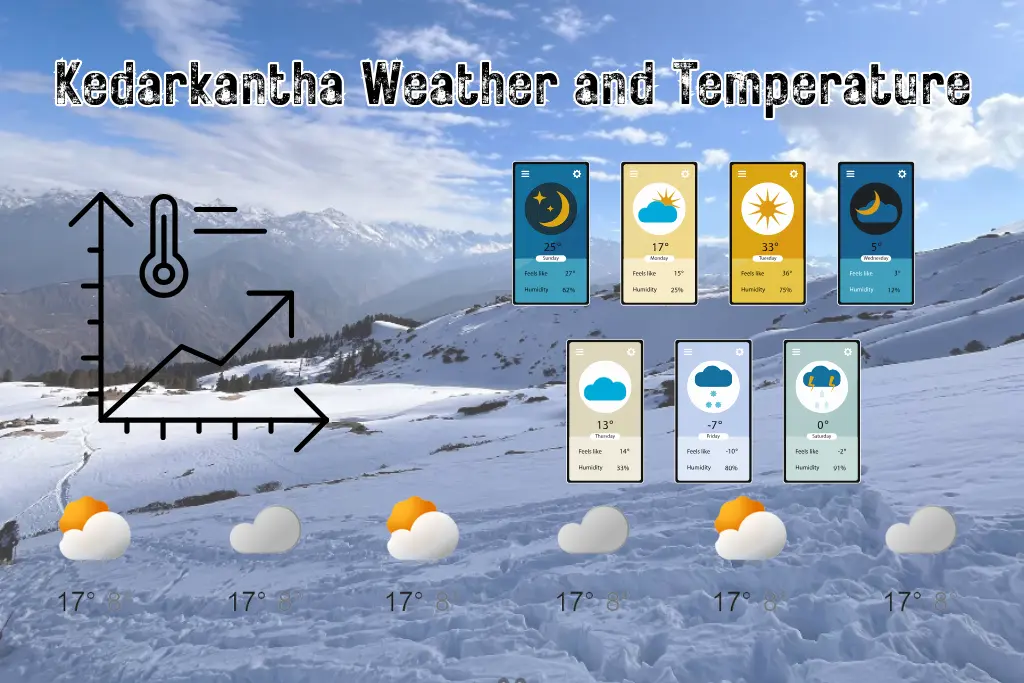
When people talk about Kedarkantha, they usually talk about snowfall, thrilling summit climb, sunrise view, and that classic winter-trek vibe. But behind every good summit photo is one quiet truth most first-timers underestimate—the WEATHER. Kedarkantha’s weather decides everything: what you pack, how hard the trek feels, and honestly, how much you enjoy it.
Sitting at an altitude of around 12,500 ft (3,810 m) inside the Govind Pashu Vihar region of Uttarakhand, Kedarkantha experiences sharp temperature drops, frequent snowfall in winter, and fast-changing mountain conditions. Knowing what kind of weather you’ll face is not just helpful—it’s essential.
Visit the official website of the India Meteorological Department (IMD Mausam) to check the latest 7-day weather forecast for Uttarakhand.
For thrilling adventures like the Kedarkantha Trek, choose Himalayan Dream Treks and create memories that last a lifetime.

Why Kedarkantha Weather Matters More Than You Think
Kedarkantha is often labeled as a beginner-friendly Himalayan trek, but that description can be misleading if you ignore the weather. Even an “easy” trail becomes challenging when snow depth increases, temperatures fall sharply at night, or strong winds hit the summit ridge.
The “Sankri vs Summit” Trap: A common mistake is checking the weather for Sankri (the base village) and assuming the trek will be similar. Because of the “Environmental Lapse Rate“, temperatures drop by approximately 6°C for every 1,000 meters of ascent. When it is something 10°C in Sankri, it could easily be well below freezing at the Kedarkantha Base Camp.
Weather becomes colder as you gain altitude. Sankri, located at a lower elevation, generally experiences milder conditions than Juda Ka Talab, Kedarkantha Base Camp and the summit.
At higher camps, nighttime temperatures can fall significantly, and wind can make the conditions feel colder than the actual temperature. The summit is exposed compared with the forested sections, so trekkers should be prepared for stronger wind and colder conditions during the early-morning summit push.
Day temperatures may feel manageable, but nights at camps like Juda Ka Talab and Kedarkantha Base can test your layering system. Weather awareness helps you pace better, pack smarter, and stay mentally prepared.
Weather conditions can change quickly in the mountains, so trekkers should check the latest forecast before starting the trek and remain prepared for changing conditions.
Kedarkantha Weather & Temperature by Season
1. Kedarkantha Weather in Winter – December to February (The True Snow Trek Experience)
Winter is the coldest period on the Kedarkantha route and is also the period when snowfall can significantly change trail conditions. Daytime conditions can remain cold, while temperatures fall much further after sunset and during the early-morning summit climb.
Fresh snowfall, icy sections and strong winds can make conditions feel considerably colder, particularly at higher camps and exposed sections of the route.
Temperature Range
- Day: -2°C to 8°C
- Night: -8°C to -12°C (sometimes lower)
Snowfall is frequent during this season, especially in January. While days are often clear, nights are extremely cold, and frost builds up quickly once the sun sets. So you must have a complete guide on how to overcome cold in Himalayan trekking.
NOTE: In recent years, peak snowfall has shifted slightly later. While December offers a dusting, the most reliable “Winter Wonderland” conditions are now found from late January through February.
Required Clothing During This Time
Winter layering needs to be taken seriously. Cutting corners here usually shows up as discomfort or exhaustion.
- Thermal base layers (top and bottom)
- Heavy fleece or down jacket
- Insulated waterproof outer jacket
- Snow trekking pants or insulated trousers
- Woollen cap, balaclava, and neck gaiter
- Waterproof gloves with inner liners
- Thick trekking socks (preferably wool)
Good insulation is more important than style in winter Kedarkantha. Read more on how to trek like a pro in winter.
2. Kedarkantha Weather in Spring: March to April
Spring brings a gradual transition from winter conditions. Snow begins to melt from lower sections of the trail, while higher areas can continue to experience cold and occasional snow depending on conditions.
Daytime temperatures become more comfortable, but mornings, evenings and nights remain cold at higher camps. Weather conditions can therefore vary significantly between the lower and upper sections of the trek.
Temperature range
- Day: 5°C to 12°C
- Night: -2°C to -6°C
Trails are more stable, sunlight feels stronger, and camps are slightly less punishing after sunset.
Required Clothing During This Time
You still need winter layers, but you can go a bit lighter compared to peak winter.
- Thermal base layers
- Mid-layer fleece or light down jacket
- Windproof and waterproof outer shell
- Trek pants with thermal layering option
- Woollen cap for mornings and nights
- Light to medium gloves
Layering flexibility is the key in spring, as temperatures fluctuate through the day.
3. Kedarkantha Weather in Summer: May to June
Summer generally brings warmer daytime conditions at lower elevations, while higher camps remain considerably cooler. Snow cover reduces on many sections of the trail, although conditions at higher elevations can vary depending on the preceding winter and current weather.
Afternoon cloud formation or occasional rain can occur as the season progresses, so trekkers should still carry suitable rain protection.
Temperature range
- Day: 10°C to 18°C
- Night: 2°C to 6°C
This is one of the easiest seasons physically, though it lacks the dramatic snow landscapes.
Required Clothing During This Time
Summer trekking is forgiving, but nights still demand warmth.
- Light thermal layer for evenings
- Fleece jacket or light insulated layer
- Windproof jacket for summit mornings
- Regular trekking pants
- Cap or hat for sun protection
Heavy winter gear is usually unnecessary during this season.
4. Kedarkantha Weather During Monsoon: July to September
Monsoon brings wetter and more unpredictable weather to the region. Rain can affect lower sections of the route, while clouds and changing visibility can influence conditions at higher elevations.
Trails may become wet and slippery during periods of rainfall, and trekkers should check current weather and local advisories before planning a trek during this period.
Temperature range
- Day: 12°C to 20°C
- Night: 8°C to 12°C
Most trekking operators pause Kedarkantha batches during this period.
Required Clothing During This Time
If you still attempt it, rain protection becomes critical.
- High-quality rain jacket and rain pants
- Quick-dry clothing
- Waterproof backpack cover
- Extra socks
That said, monsoon is generally not recommended for this trek. There are other good treks in Uttarakhand suitable in monsoon months, you should consider them instead.
5. Autumn (September to November): Clear Skies and Growing Cold
Autumn generally brings cooler and more stable conditions after the monsoon period. Skies can become clearer, while temperatures gradually fall as winter approaches.
Daytime conditions can remain comfortable for trekking, but temperatures at higher camps drop significantly after sunset and during early mornings. Warm layers become increasingly important as the season progresses.
Temperature range
- Day: 8°C to 15°C
- Night: 0°C to -5°C
By late November, early snowfall may appear, especially near the summit.
Required Clothing During This Time
Autumn requires a mix of summer comfort and early winter preparedness.
- Thermal base layers
- Fleece or light insulated jacket
- Windproof outer layer
- Trek pants with optional thermal layer
- Woollen cap and gloves for night
It’s a great season if you like cold air without extreme snow.
Kedarkantha Weather Month by Month
| Month | General Weather | Snowfall / Trail Conditions | Temperature Trend |
| December | Cold, winter conditions | Snowfall possible | Very cold |
| January | Coldest winter conditions | Snow-covered sections likely | Very cold |
| February | Cold winter conditions | Snow conditions may continue | Very cold |
| March | Transition from winter | Snow may remain at higher sections | Cold to moderate |
| April | Spring conditions | Snow gradually reduces | Moderate |
| May | Warmer daytime conditions | Less snow on lower sections | Mild to warm |
| June | Warmer with changing weather | Mostly reduced snow | Mild to warm |
| July | Monsoon conditions | Wet/slippery conditions possible | Mild to moderate |
| August | Monsoon conditions | Wet/slippery conditions possible | Mild to moderate |
| September | Transition after monsoon | Conditions gradually improve | Moderate |
| October | Cooler, clearer conditions | Little/no lower-altitude snow | Cool |
| November | Cold conditions return | Winter gradually approaches | Cold |
Wind Chill and Summit Weather Reality
Regardless of the season, the Kedarkantha summit remains highly exposed. Winds pick up sharply along the ridge, creating a strong wind-chill effect that can make a moderate –5°C feel closer to –15°C. This final stretch is a challenging yet rewarding summit climb, where a reliable windproof outer shell matters more than any other layer during the last 1–2 km push. Below are factors you should consider about weather at the summit:
1. The “False Warmth” of the Ascent
Many trekkers make the mistake of stripping off layers during the steep climb because their body generates immense heat. However, the moment you reach the exposed ridge (the shoulder), the wind hits you instantly.
NOTE: “Layer down” slightly for the climb to avoid soaking your inner clothes in sweat, but have your windcheater/hardshell in the outer pocket of your bag. The transition from the sheltered forest to the exposed ridge happens in seconds.
2. The 4:00 AM Factor
The summit push usually starts in the dark to catch the sunrise.
NOTE: This is the coldest hour of the day. Between 4:00 AM and 6:00 AM, the ground has lost all its heat, and the sun hasn’t yet provided any. Your gear needs to be at its maximum performance during these two hours. Once the sun hits the summit, the perceived temperature can jump by 10°C within 30 minutes.
3. Convective Heat Loss
Wind doesn’t just feel cold; it physically “vacuums” the warm air trapped between your clothing layers. Also, at higher altitudes, lower air density causes the “Radiator Effect,” where body heat escapes faster in thin air, making the temperature feel colder than the actual reading.
NOTE: If your outer jacket isn’t cuffed at the wrists and cinched at the waist, the wind will blow right through your layers, rendering your expensive down jacket useless. Ensure all “entry points” for air are sealed before hitting the ridge.
4. Psychological “Summit Fever”
High winds and extreme cold can cause panic or “muddled thinking” (early signs of mild hypothermia).
NOTE: If the wind is so strong that you cannot stand steadily, or if your fingers go numb and lose dexterity, it is time to turn back. “The summit is optional; the return is mandatory.”
The “-12°C Survival” Packing List
When temperatures hit double-digit negatives, your gear must focus on heat retention.
- The Upper Body: 1x Synthetic thermal top, 1x Heavy-duty fleece, and 1x High-loft down jacket (rated for -10°C or lower).
- The Lower Body: 1x Thermal leggings and 1x Water-resistant, windproof trekking trousers.
- Extremities: 1x Woolen cap (covering ears), 1x Neck gaiter, and waterproof outer mittens.
- The Footwear: 2 pairs of socks (thin liner + thick wool) and sturdy waterproof trekking boots.
- The “Night Saver” Kit: A personal thermos for warm water and a headlamp for the 4:00 AM summit push.
Snowfall in Kedarkantha: When Can You Expect Snow?
Snowfall is one of the most important weather factors on the Kedarkantha Trek. Snow conditions vary from year to year depending on the timing and intensity of winter snowfall.
During the core winter months, snow can cover large sections of the higher trail and campsites. As spring progresses, snow gradually melts from lower sections, although higher areas may continue to hold snow.
Because snowfall varies each year, previous-season snowfall should not be treated as a guarantee for the current trekking season.
Day vs Night Temperature on Kedarkantha
The difference between daytime and nighttime conditions can be significant on Kedarkantha. Daytime temperatures may feel relatively comfortable while walking, but temperatures can drop sharply after sunset and before sunrise, especially at higher camps.
The summit push usually begins early in the morning, when conditions are among the coldest of the trek. Warm layers, gloves, a cap and proper insulation are therefore important even when daytime weather appears comfortable.
Helpful Tips to Get the Most of the Kedarkantha Trek
Check the right location on weather map: Look for weather updates specific to the higher altitudes of Govind Pashu Vihar, not just Dehradun or Sankri.
- The 3-Layer Rule: Use a moisture-wicking base, an insulating mid-layer, and a windproof outer shell.
- Dry Set Rule: Always keep one set of thermals and socks in a waterproof bag, reserved strictly for sleeping.
- Manage Sweat: Start your summit push well-layered, but vent your jacket if you start to sweat; moisture turns cold very quickly in sub-zero temps.
- Sun Protection: Snow reflects 80% of UV rays. Use UV-protected sunglasses and SPF 50+ sunscreen to avoid snow blindness.
Final Thoughts: Choosing Your Window
- For heavy snow: Late January to February
- For snow with comfort: March to early April
- For easy conditions: May and October
- For clear mountain views: October and November
When your clothing and expectations align with the weather, the Kedarkantha trek feels less like a struggle and more like a rewarding Himalayan journey.
Frequently Asked Questions About Kedarkantha Weather
Is Kedarkantha very cold in winter?
Yes. Winter brings the coldest conditions of the year, particularly at higher camps and during the early-morning summit climb. Proper thermal layers, insulation and wind protection are essential.
Does Kedarkantha receive snowfall every year?
Snowfall conditions vary from year to year. Winter usually offers the highest possibility of snow, but the amount and timing depend on the season’s weather conditions.
Is Kedarkantha trek possible during monsoon?
Monsoon brings wetter and more unpredictable conditions. Rain, slippery trails and changing visibility can affect trekking conditions, so current weather forecasts and local advisories should be checked before planning.
Is there a big difference between Sankri and Kedarkantha weather?
Yes. Sankri is at a much lower elevation than the higher camps and summit, so temperatures generally become colder as you gain altitude

Leave a Comment