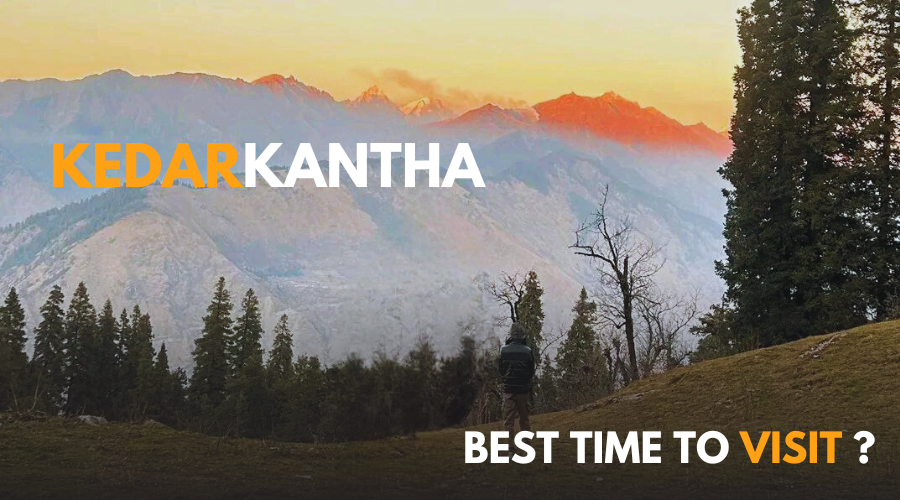
The best time to visit Kedarkantha depends on the experience you want from the trek. It is commonly known as the best winter trek of Uttarakhand, as the snow-covered peaks offer resplendent views and you make memories to cherish forever. Winter is the most popular season for snow-covered trails and summit views, while spring, summer and autumn offer different landscapes and trekking conditions. Monsoon is generally avoided because of rainfall and unpredictable trail conditions.
This guide explains what Kedarkantha is like in each season, which months are best for snow, which period is more comfortable for first-time trekkers, and what you can expect during your visit.
Table of Contents
Suggestion for the 2026-27 Season
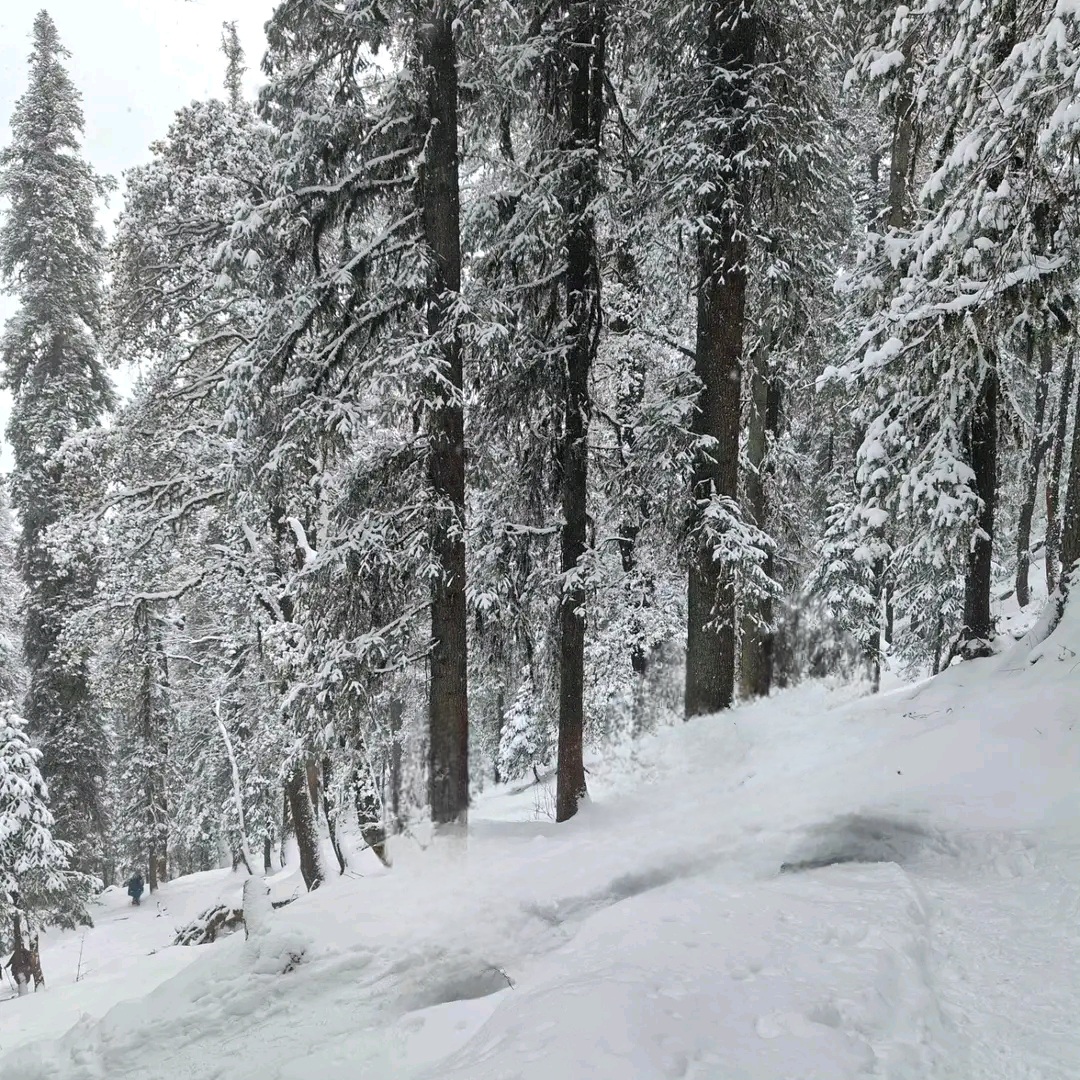
This season there has been ample snowfall in the region, leading to increased footfall. As there is no contrary advisory as of now, you can scale the Kedarkantha peak in the initial months of 2026 without any hassle. In case you have never been to a winter trek, this is your chance. Make sure you check the government advisory before planning out, to prevent any last-minute troubles.
As far as the safe time for trekking is concerned, you can plan out anytime when it is not raining heavily or the overall atmosphere is conducive for climbing. The adventurous trekkers in this area swear by the fact that this trek should not be tried without having the necessary trekking gear. With that, you are all set to begin 2025 with all the fun and adventures Kedarkantha trek has to offer you.
What is the Kedarkantha trek?
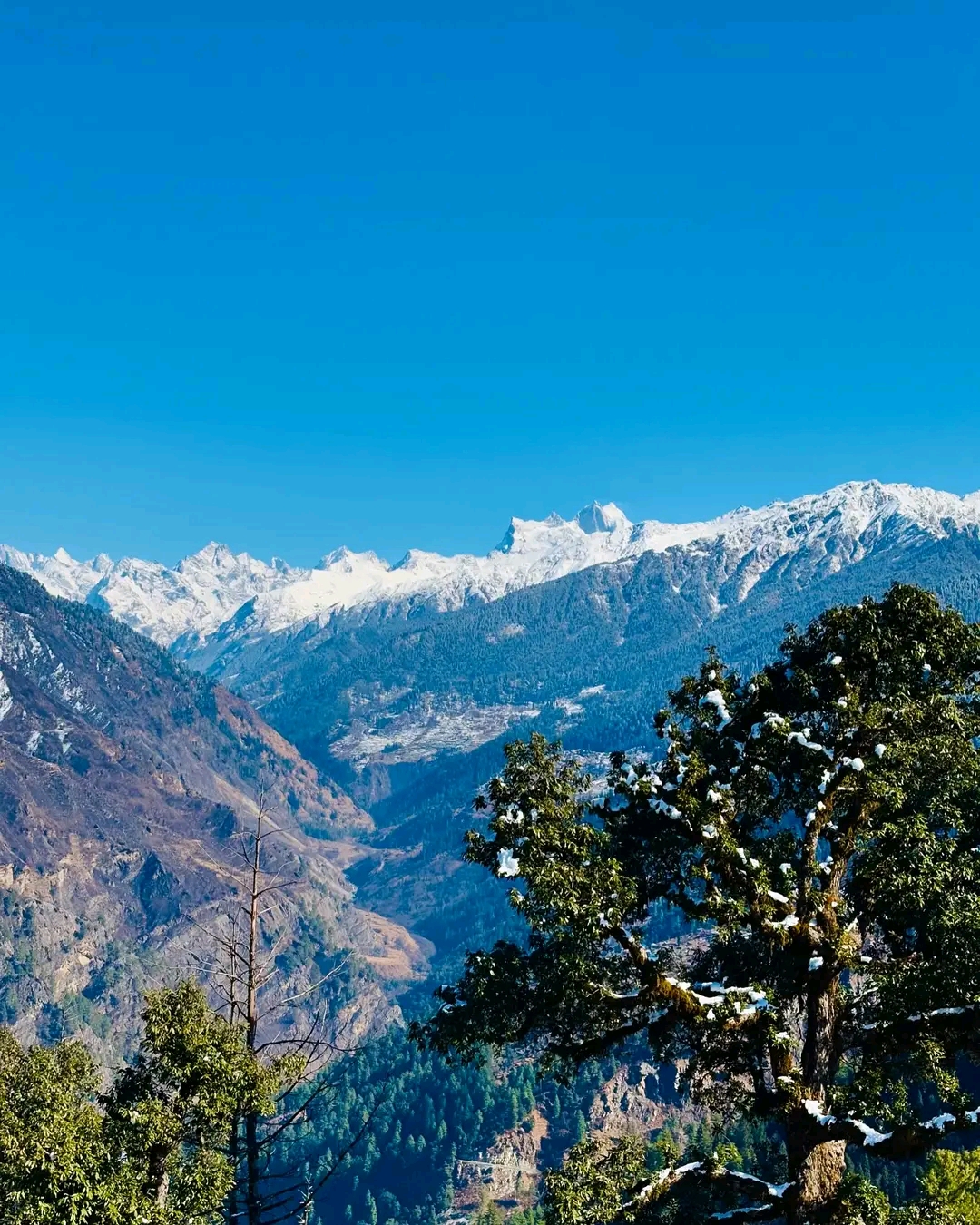
Kedarkantha is a popular Himalayan trek in Uttarkashi district of Uttarakhand. The trek generally starts from Sankri, and passes through forest trails, Juda Ka Talab and Kedarkantha Base Camp before reaching the summit at around 12,500 feet. It is particularly popular during winter because of its snow-covered landscapes and scenic Himalayan views.
- State: Uttarakhand
- District: Uttarkashi
- Last motorable spot: Sankri village
- Sightseeing: throughout the route
- Average altitude: 12,500 feet above sea level
What Is the Best Month for Kedarkantha?
For most trekkers, December to February is the preferred period for experiencing Kedarkantha as a winter trek, especially if your main goal is snow-covered trails and a classic Himalayan winter landscape. March can also offer a mix of snow and clearer trekking conditions depending on the season.
If you prefer greener landscapes, relatively milder conditions and less winter snow, spring and summer offer a different experience. Autumn can also be rewarding for clear mountain views and fresh post-monsoon landscapes.
July and August are generally avoided because heavy rainfall can make mountain trails slippery and conditions unpredictable.
What is the Best Month for Kedarkantha Trek
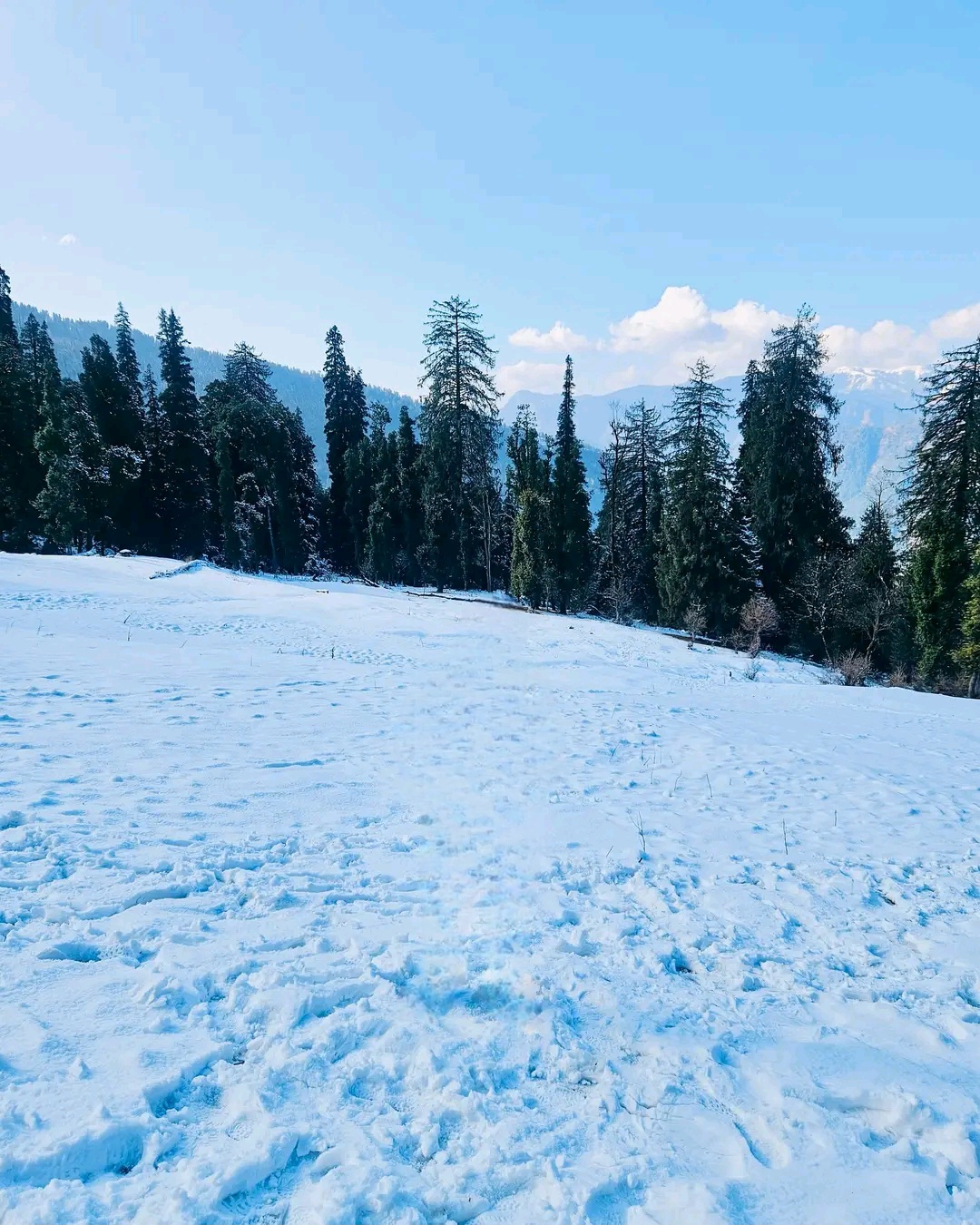
For most trekkers, December to February is the preferred period for experiencing Kedarkantha as a winter trek, especially if your main goal is snow-covered trails and a classic Himalayan winter landscape. March can also offer a mix of snow and clearer trekking conditions depending on the season.
If you prefer greener landscapes, relatively milder conditions and less winter snow, spring and summer offer a different experience. Autumn can also be rewarding for clear mountain views and fresh post-monsoon landscapes.
July and August are generally avoided because heavy rainfall can make mountain trails slippery and conditions unpredictable.
1. Kedarkantha in Spring – March to April
Spring brings a transition from the winter landscape towards greener mountain surroundings. Snow may still be present on higher sections depending on the season, while lower parts of the trail begin to show fresh vegetation.
This period can be a good choice for trekkers who want to experience a mix of winter scenery and the changing Himalayan landscape. Proper footwear is still important because melting snow can make some sections wet or slippery.
2. Kedarkantha in Summer – May to June
Summer offers a different side of Kedarkantha, with greener landscapes and generally more comfortable conditions than the peak winter period. Snow becomes less prominent as the season progresses, while the forest trails and surrounding mountain scenery become more vibrant.
This period can suit trekkers who prefer a greener Himalayan landscape rather than a snow-covered trail. However, conditions can begin changing towards the monsoon, particularly during June.
3. Kedarkantha in Monsoon – July to September
Monsoon is generally not considered a suitable period for the Kedarkantha Trek because of rainfall and changing mountain conditions. Heavy rain can make trails slippery, reduce visibility and increase the possibility of delays or route-related difficulties.
Trekkers should avoid planning the trek during periods of heavy rainfall and should always check the latest local weather and trekking advisories before travelling.
4. Kedarkantha in Autumn – September to November
Autumn follows the monsoon season and can bring fresh landscapes and clearer mountain views. As the season progresses, the landscape gradually transitions towards colder conditions and the possibility of early snowfall at higher elevations.
This period can be a good option for trekkers who prefer post-monsoon mountain views and want to experience Kedarkantha before the main winter season begins.
5. Kedarkantha in Winter – December to Mid-March
Winter is the most popular season for the Kedarkantha Trek, especially for trekkers who want to experience snow-covered trails and Himalayan winter landscapes. From December onwards, snowfall can transform the forests, campsites and summit route into a white mountain landscape.
The winter season can also bring colder temperatures and snow-covered trails, so proper winter clothing, trekking shoes and suitable equipment are essential. Conditions can vary from year to year, so trekkers should check the latest weather and trail conditions before departure.
Difficulty Level of Kedarkantha Trek
It is easy to moderate, as per the past experiences of trekkers. It is the best winter trek for beginners due to adequate stops and easy terrain. The trek begins from Sankri district, where accommodation is easily available and the views are also breathtaking. Juda camp also provides limited accommodation but the views are worth the toll. On the other hand, Kedarkantha base camp has enough resources for you to prepare for the trek ahead. For detailed information about the difficulty level, fitness requirements and summit-day challenges, read our Kedarkantha Trek Difficulty guide.
Final Verdict
If snow is your main priority, choose the winter season, particularly December to February, while keeping in mind that snowfall can vary each year. If you prefer greener landscapes and less snow, spring and summer offer a different experience. Autumn can be a good choice for post-monsoon scenery and clear mountain views, while the monsoon period is generally avoided because of rainfall and unpredictable trail conditions.
Ultimately, the best time to visit Kedarkantha depends on the experience you want. Before booking your trek, check the latest weather, snowfall and trail conditions and choose your travel dates accordingly.
FAQ’s
Which month is best for Kedarkantha Trek?
December to February is generally preferred for trekkers who want a classic snow-covered Kedarkantha experience. Snowfall can vary each year, so current conditions should be checked before travelling.
Is Kedarkantha open in summer?
Yes, Kedarkantha can be experienced in summer, although the landscape is generally greener and there is less snow compared with winter.
Can I do Kedarkantha Trek during monsoon?
Monsoon is generally avoided because rainfall can make trails slippery and mountain conditions unpredictable.
Which season is best for snow in Kedarkantha?
Winter, particularly December to February, is generally the best period for experiencing snow on the Kedarkantha Trek.


Leave a Comment