The fourth Kedar of the sacred Panch Kedar Yatra, Rudranath, stands out for its raw beauty, dense forests, and endless alpine meadows. Unlike other Kedars, this trek demands effort—and rewards you with silence, solitude, and some of the finest views in the Garhwal Himalayas.
Routes like Sagar – Pung Bugyal – Lyuti Bugyal – Panar Bugyal – Rudranath take you through changing landscapes that feel almost cinematic. But here’s the catch: timing matters a lot.
Rudranath trek opens every year around May and closes after Diwali (usually in October or early November). That gives you a limited window of about 4–5 months. Choosing the right time can make or break your trek.
Let’s break it down clearly.
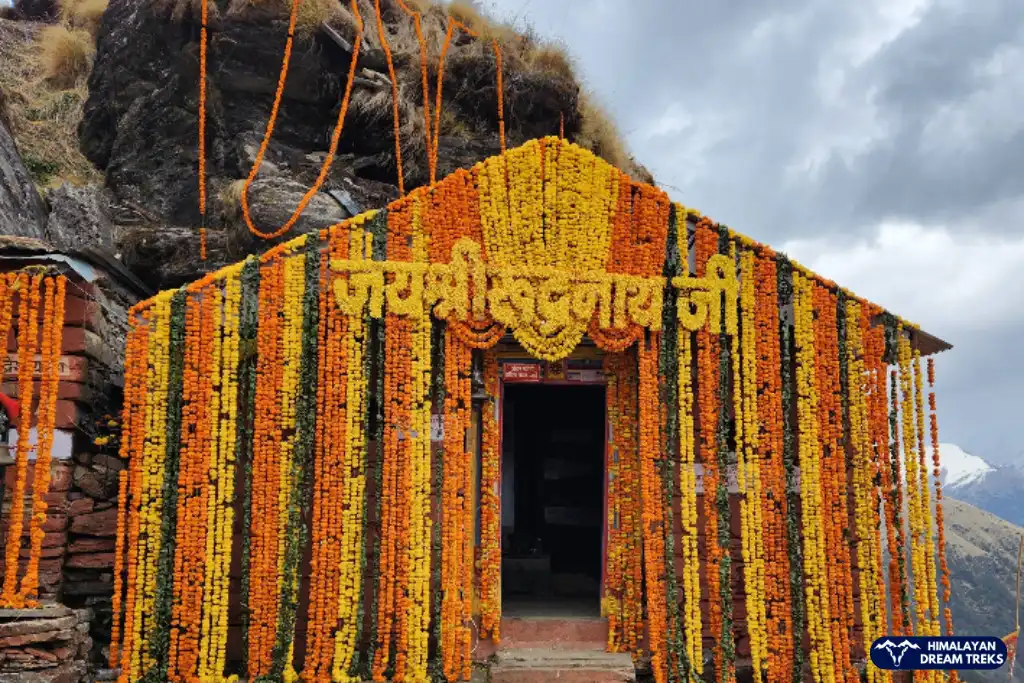
Table of Contents
Best Months for Rudranath Trek
The best time to visit Rudranath falls into two primary seasons:
- Summer (Mid-May to June)
- Autumn (Mid-September to Mid-October)
These months offer stable weather, safer trails, and the best mountain views.
According to our trek expert, most high-altitude temples in Garhwal remain accessible only during these months due to heavy snowfall in winter and risky conditions during the monsoon.
Summer Season (Mid-May to June)
Temperature
- Day: 13°C to 27°C
- Night: -3°C to 12°C
Weather
Pleasant days with cool, crisp nights. Ideal trekking conditions overall. Summer is hands-down the best time for the Rudranath trek, especially for first-time trekkers. The weather stays stable, and the skies remain mostly clear.
One of the biggest highlights? Snow. If you visit in May or early June, you will likely cross patches of snow at higher altitudes. It adds a bit of adventure without making the trek dangerous.
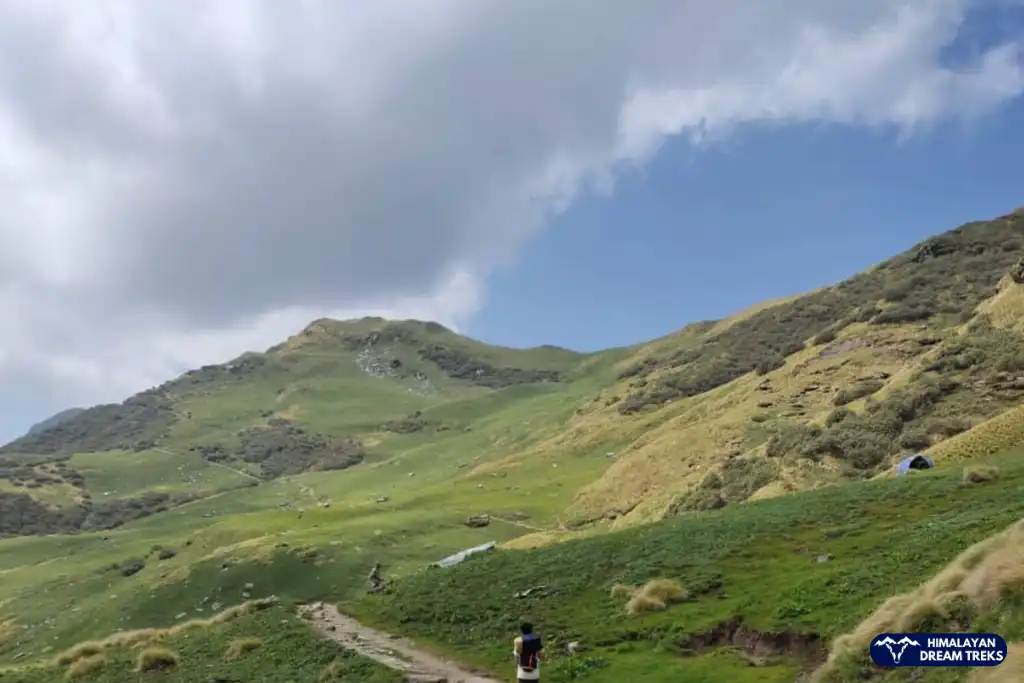
The meadows—especially Panar Bugyal and Lyuti Bugyal—turn vibrant with wildflowers. You get wide, uninterrupted views of Himalayan peaks like Nanda Devi and Trishul on clear days. Also, longer daylight hours help you cover distance comfortably.
Why choose summer:
- Best for beginners
- Clear mountain views
- Blooming meadows
- Balanced temperatures
Things to keep in mind:
- Nights can get surprisingly cold
- Carry layers even in summer
Autumn Season (Mid-September to Mid-October)
Temperature
- Day: 10°C to 22°C
- Night: -6°C to 5°C
Weather
Cool, dry, and stable with excellent visibility. Autumn quietly competes with summer as the best season for the Rudranath trek.
After the monsoon clears, the entire region looks freshly washed. The air feels sharper. The skies turn deep blue. Visibility improves dramatically. This is the time photographers love. Meadows begin to shift colors—from green to golden and amber. Forest trails feel calmer, and the overall trekking experience becomes more peaceful.
Also, fewer crowds compared to peak summer.
Why choose autumn:
- Crystal-clear mountain views
- Post-monsoon greenery
- Ideal for photography
- Less crowded trails
Things to keep in mind:
- Nights are colder than summer
- Shorter daylight hours
- Carry proper warm gear
By mid-October, winter starts knocking. After that, snowfall makes the trek inaccessible.
Avoid Monsoon Season (July to Early September)
Temperature
- Day: 20°C to 27°C
- Night: 7°C to 11°C
Weather
The region receives significant rainfall due to its location in the Garhwal Himalayas. Trails become muddy and unstable. Water streams swell quickly, and landslides remain a real risk.
According to our trek leaders, monsoon months see the highest number of route disruptions due to landslides and flash floods.
That said, the landscape looks incredibly lush. Forest sections become dense and alive. Clouds roll dramatically across valleys, creating a mystical vibe.
Why most trekkers avoid monsoon:
- High landslide risk
- Slippery trails
- Poor visibility
Who can consider it:
- Experienced trekkers
- Off-season explorers
- Those comfortable with uncertainty
If you go during this time, you must plan with local guidance and buffer days.
Why Winter Is Not Suitable
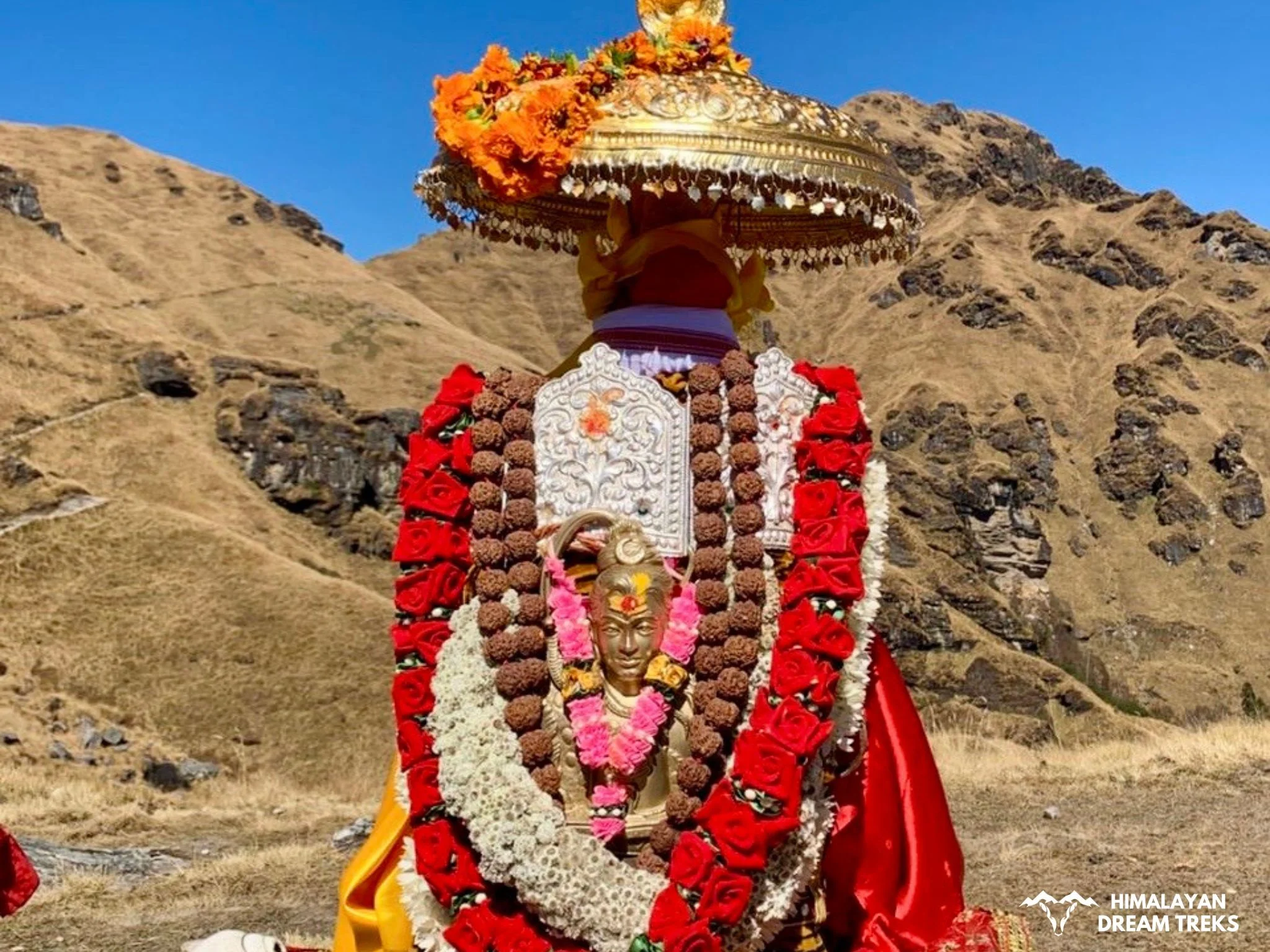
From late October or early November, heavy snowfall covers the entire region. The temple closes, and the idol is moved to a lower-altitude village as per tradition.
Trekking routes become unsafe and often completely blocked.
Simply put— Rudranath in winter is not a trekking destination.
Final Verdict: When Should You Go?
If you want the simplest answer:
- Go in May–June: Best for comfort, beginners, and balanced weather
- Go in late September–October: Best for views, photography, and solitude

Leave a Comment