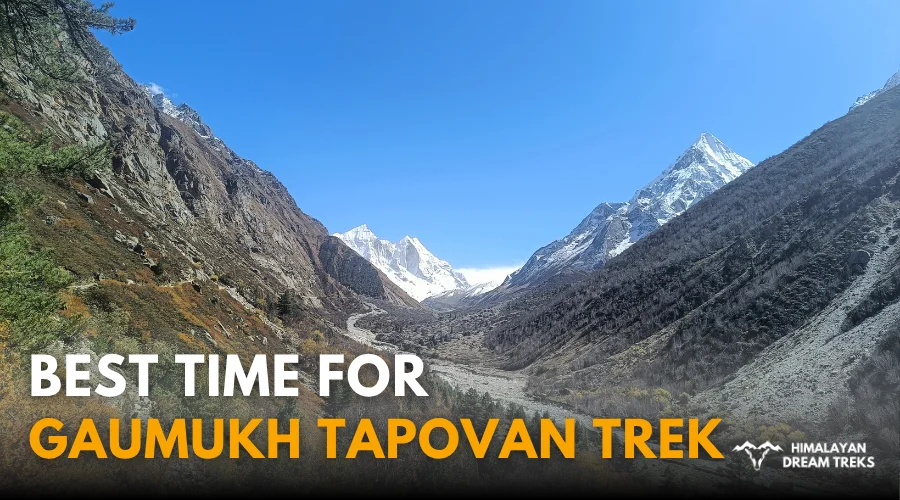
Timing can turn your dream trek into either a postcard memory or a survival story you didn’t sign up for. The Gaumukh Tapovan Trek is one of the most iconic trek in India. It takes you to the source of the sacred Ganga River (Gaumukh Glacier) and further up to Tapovan, a stunning meadow with close views of Mt. Shivling. The landscape feels raw, powerful, and honestly a little intimidating.
But here’s the catch this trek depends heavily on when you go. Choose the wrong season, and you might deal with landslides, blocked trails, or endless clouds. Choose the right one, and you will get clear skies, safe paths, and views that stay with you for life.
This guide will help you pick the perfect time, avoid common mistakes, and experience the trek the way it’s meant to be.
Table of Contents
Why Timing Matters for Gaumukh Tapovan
The Gaumukh Tapovan route crosses glaciers, rocky terrain, and exposed sections where weather changes quickly. Even a small shift in temperature can affect trail conditions and visibility. What looks like a simple trail on paper can feel completely different depending on the season.
A clear day gives you sharp views of Shivling and Bhagirathi peaks. A cloudy day? You might see nothing but white.
Here’s what timing directly impacts:
- Trail safety and difficulty
- Weather stability
- Visibility of mountain views
- Accessibility and permits
In simple words, the right timing gives you the Himalayas at their best. The wrong timing tests your patience more than your stamina.
Best Time to Do Gaumukh Tapovan Trek
If you want a direct answer without confusion:
Best time: May-June and September-October
These two windows offer the most balanced experience. You get stable weather, open trails, and good visibility without extreme risks.
Now, choosing between them depends on what you want:
- May-June: Easier conditions, better for beginners
- September-October: Best views, fewer crowds, sharper landscapes, but bit cold
Both are great, but they offer slightly different experiences.
Season-Wise Breakdown
Summer Season (May-June) – Most Popular Time
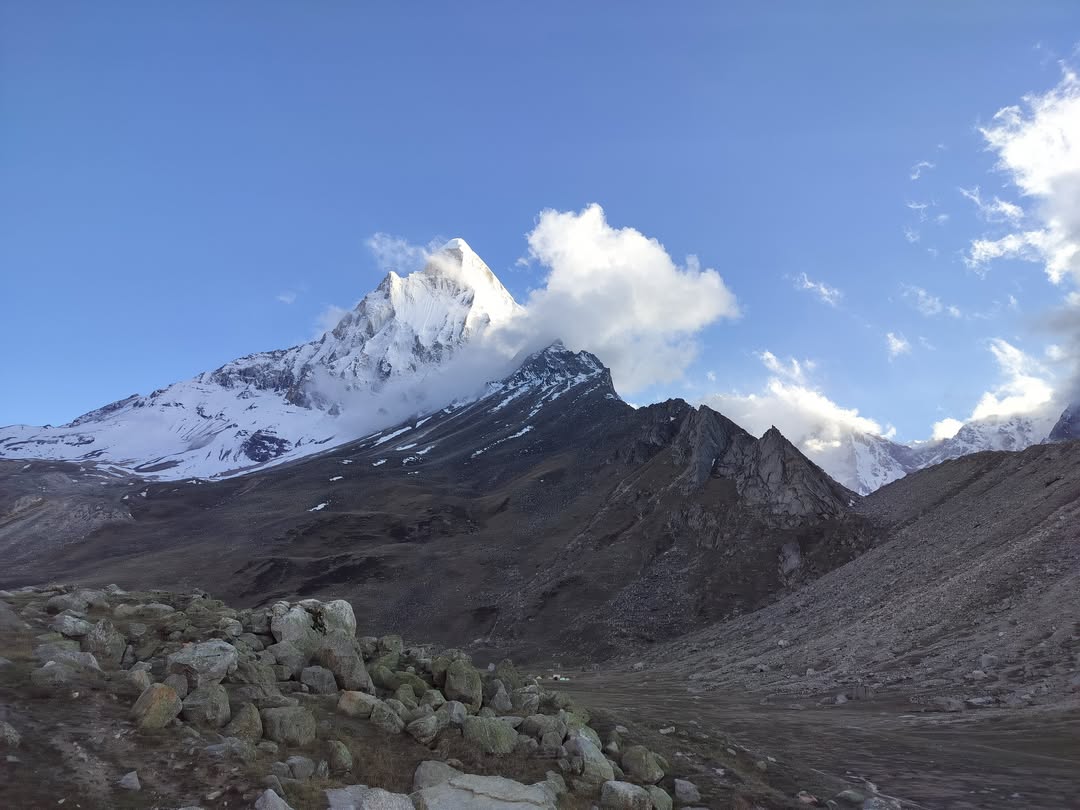
Summer marks the start of the trekking season as snow begins to melt and the route gradually opens up. The trail becomes easier to follow, and the overall terrain feels more approachable, especially for first-time trekkers. Days are usually pleasant, allowing you to cover long distances without feeling drained, while the views remain clear enough to keep you motivated throughout the journey.
At the same time, nights bring a noticeable drop in temperature, reminding you that you are still in a high-altitude environment. This season offers a comfortable balance between challenge and safety, which is why it attracts many trekkers. While you may encounter some crowds and slightly slippery sections due to melting snow, the overall experience remains stable, enjoyable, and well-suited for beginners.
Why summer works well:
- Clear skies on most days
- Well-defined and accessible trails
- Safer glacier crossings
- Ideal for beginners
Things to keep in mind:
- By late afternoon, it’s sure to get cloudy, and the Bhagirathi and Shivling might get covered in clouds. So make sure to start your journey early in the morning to enjoy the whole landscape.
- Even though glacier crossings are safer. But in summers, the streams swell in the afternoon. Make sure to cross Khada Patthar early afternoon. Cause Akash Ganga stream get swelled up in the late afternoon.
- Slightly crowded routes
- Slippery sections due to melting snow
- You will surely get to see the Blue Sheep lambs this season.
If you want a safe introduction to high-altitude trekking, summer is your best bet.
Monsoon Season (July-August) – Avoid This Period
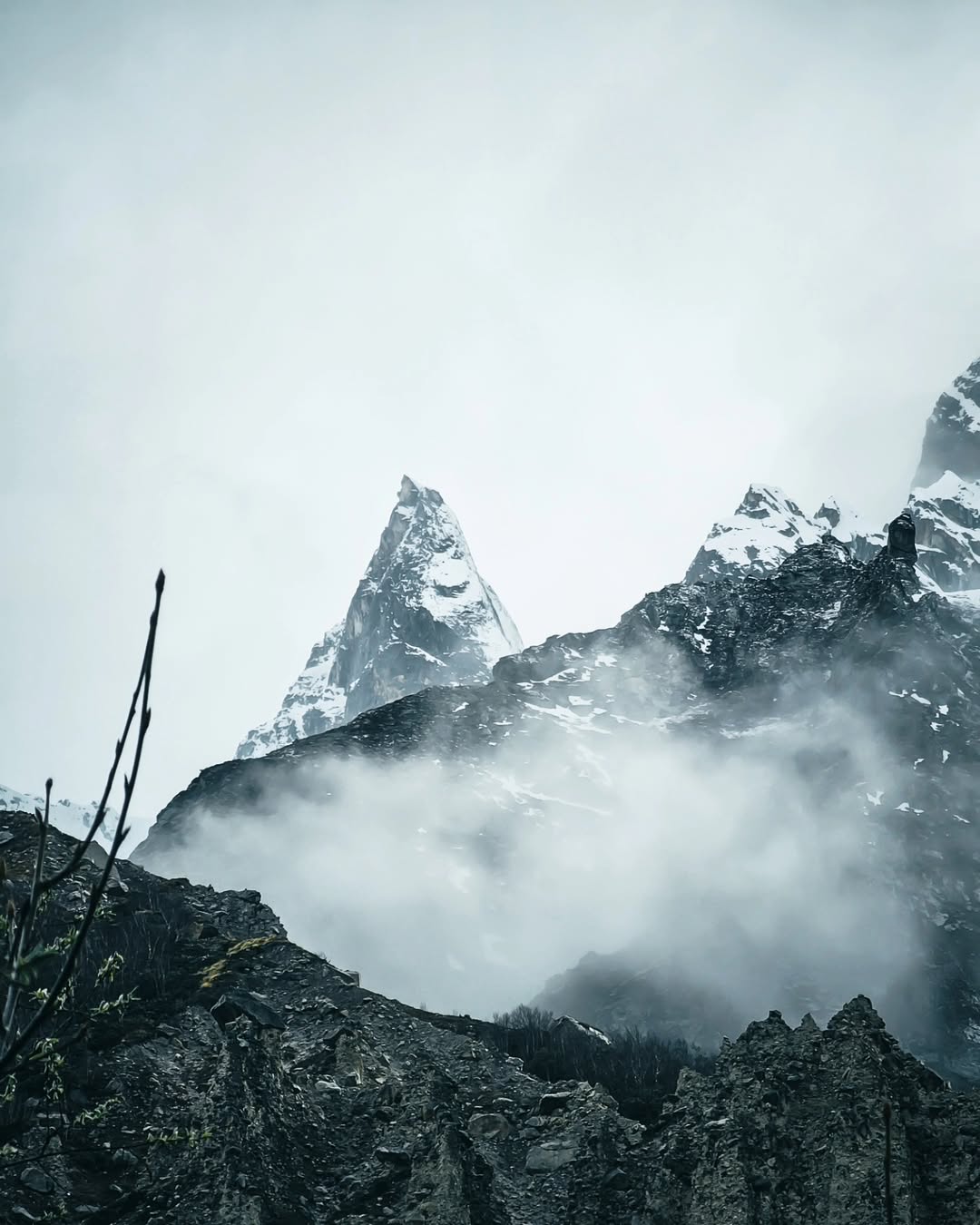
Monsoon completely changes the character of the trek, and not in a way most trekkers would enjoy. Continuous rainfall makes the terrain unstable, especially on the route leading to Gangotri, where landslides and road blockages become common. Even before you begin the actual trek, reaching the base can turn into a challenge, adding unnecessary stress to your journey.
On the trail, things don’t improve much. Wet and slippery paths slow you down, while thick clouds reduce visibility to almost nothing. Peaks like Shivling remain hidden behind fog, taking away the very reason most people attempt this trek. With safety concerns rising and views disappearing, the overall experience feels more frustrating than rewarding.
Why monsoon is a bad idea:
- Landslides and road blockages
- Slippery and damaged trails
- Poor visibility
- Unpredictable conditions
It may sound adventurous, but it’s not worth the risk.
Autumn Season (September-October) – Best Overall Experience
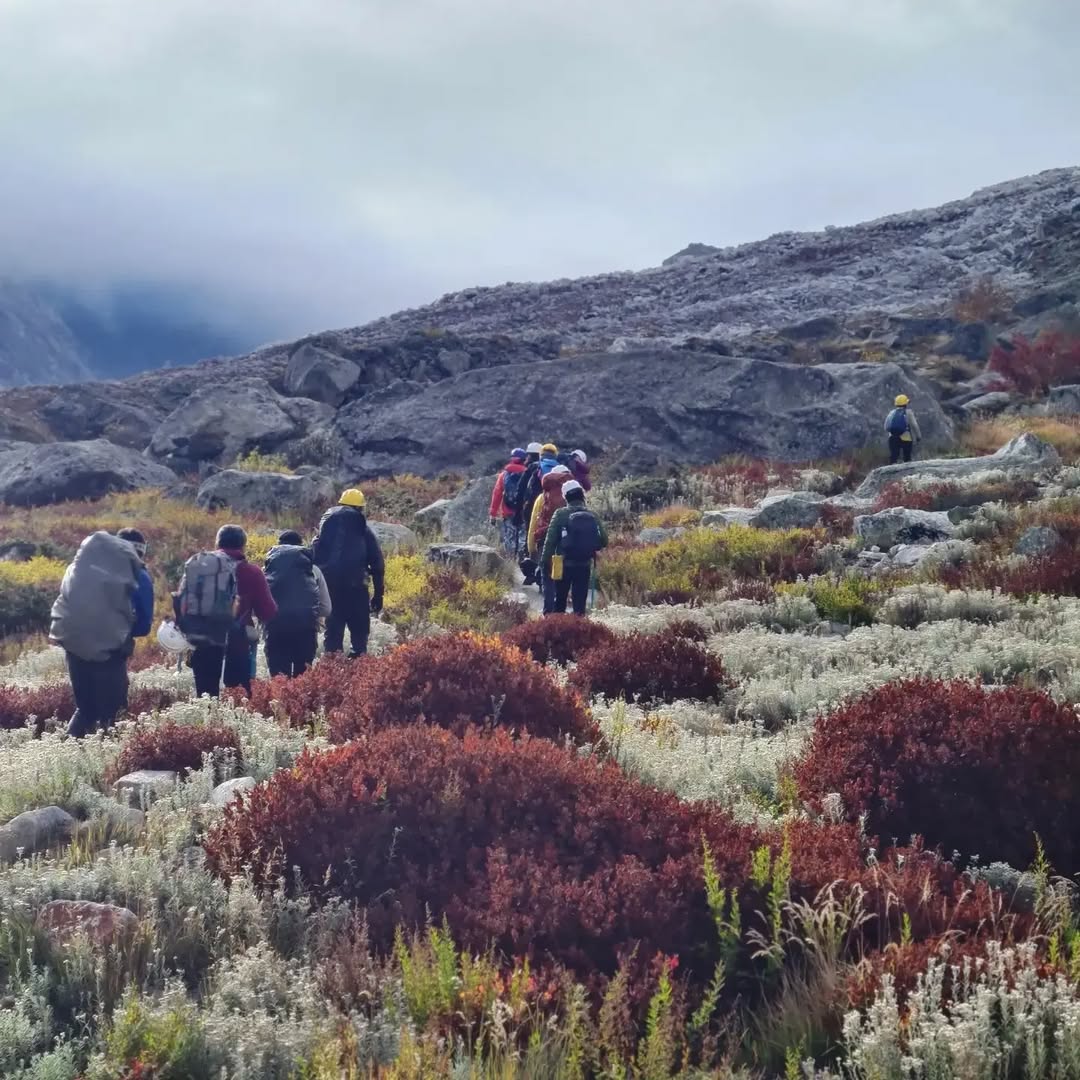
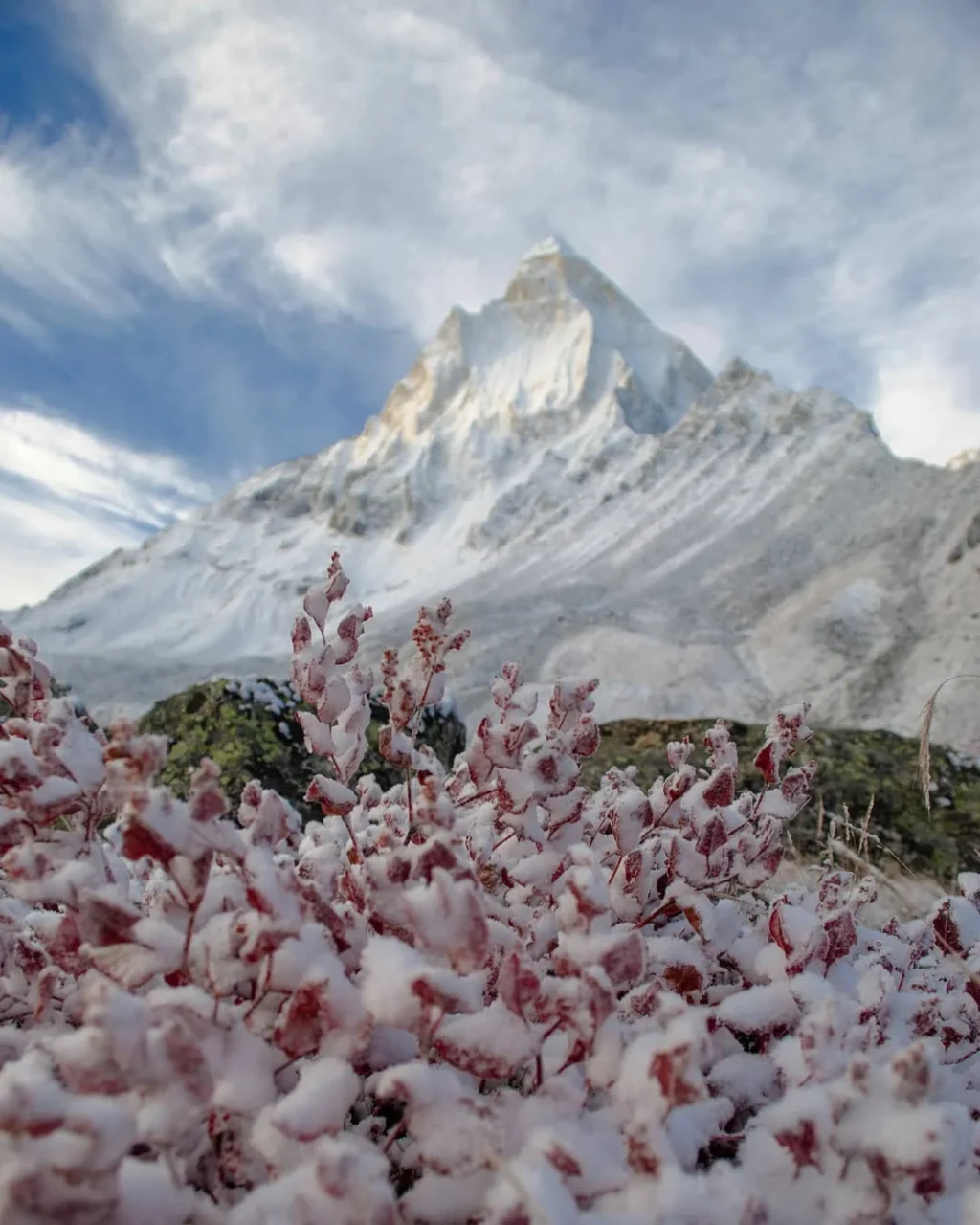
Autumn is when the Himalayas reveal their best version clear, sharp, and incredibly rewarding. After the monsoon fades away, the dust settles and the air becomes much cleaner, which dramatically improves visibility. Peaks like Shivling appear more defined, the sky turns a deep blue, and the entire landscape feels vibrant and alive with golden tones.
The trekking conditions also improve during this time, as the trails dry up and become more stable underfoot. You won’t have to deal with excessive mud or unpredictable weather, making your overall journey smoother and more enjoyable. While nights do get colder, the combination of clear views, calm weather, and fewer crowds makes autumn the most satisfying time to experience this trek.
Why autumn stands out:
- Crystal-clear mountain views
- Stable and dry trails
- Fewer crowds than summer
- Beautiful post-monsoon colors
What to prepare for:
- Colder nights
- Slightly tougher conditions than summer
If you want the best mix of beauty and stability, autumn wins.
Winter Season (November–April) – Extreme & Closed
During the winter months, the Gaumukh Tapovan remains closed as Gangotri National Park shuts access for safety reasons. The entire region experiences extreme cold, and high-altitude areas like Tapovan get covered under heavy snow, making the route inaccessible. Temperatures drop significantly, often ranging between sub-zero levels, which creates harsh and risky conditions for trekking.
Due to these factors, most trekking operations stop during this period, and even reaching key sections of the trail becomes nearly impossible. The combination of frozen terrain, blocked routes, and severe weather makes winter unsuitable for regular trekkers. It’s best to avoid planning this trek during these months and wait for safer conditions.
Why winter doesn’t work:
- Extreme cold temperatures
- Snow-covered and hidden trails
- High risk conditions
- Limited accessibility
Unless you’re part of a trained expedition, it’s best to avoid winter completely.
Month-by-Month Guide (Quick Table)
| Month Range | Condition | Recommendation |
| May – June | Stable and accessible | Best for beginners |
| July – August | Rain and landslides | Avoid |
| September – October | Clear skies and best views | Best overall experience |
| November – April | Snow and extreme cold | Not Accessible and Closed |
Common Mistakes to Avoid
Most trekking mistakes don’t happen on the trail they happen long before you even reach the mountains. Many people treat the Himalayas like a regular travel destination, but the reality is very different. Conditions here change quickly, and even a small planning mistake can affect your safety, comfort, and overall experience. Things like weather timing, gear selection, and permits may seem minor at first, but they play a huge role once you’re actually on the trek.
When you prepare properly, the journey feels smooth and enjoyable. But when you ignore key details, the same trek can feel unnecessarily difficult and stressful. To avoid that, keep these common mistakes in mind:
Avoid these common mistakes:
- Choosing monsoon months to avoid crowds
- Underestimating cold conditions at Tapovan
- Ignoring required permits
- Not checking weather updates
- Packing without proper planning
Pro Tips to Catch the Best Views
The Himalayas don’t always reveal themselves easily you have to time it right. A few simple decisions can dramatically improve what you actually see during the trek. These small tweaks often make the difference between a good trip and a memorable one.
Tips that actually work:
- Start your trek early in the morning
- Spend an extra night at Tapovan
- Carry spare batteries for your camera
- Choose post-monsoon for better clarity
Who Should Go When?
Not every trekker needs the same conditions.
Your experience level and expectations should guide your timing. Choosing the right season based on your goal makes the trek more enjoyable and less stressful.
Best timing based on your profile:
- Beginners: May-June for easier conditions
- Photographers: September-October for clear views
- Adventure seekers: Late September for a raw experience
Conclusion
Let’s keep it simple and practical. If you’re looking for a comfortable and beginner-friendly experience, plan your Gaumukh Tapovan Trek between May and June, when trails are more accessible and conditions feel manageable.
If your priority is the best views and a more refined Himalayan experience, then September to October stands out with clearer skies and sharper mountain landscapes.
Both seasons offer something valuable, but the key is to choose based on your goal. In the end, one simple rule works best go when the mountains are stable, not when they are unpredictable.

Leave a Comment