In Uttarakhand, Lord Shiva is not treated as a distant deity. He feels local. Almost personal. From village temples to household rituals, Shiva exists as part of daily life. People here do not just worship him. They live with his presence.
This deep-rooted belief is why Uttarakhand is traditionally known as Kedarkhand, meaning the land or abode of Lord Shiva. The name appears in ancient scriptures and continues to shape the cultural identity of the Garhwal Himalayas even today.
Among all Shiva-related pilgrimages in this region, Panch Kedar holds a special place. It is not a single temple visit. It is a circuit. A demanding one. Physical, mental, and spiritual all at once.
Many travellers ask the same questions before planning this journey. What exactly are Panch Kedar temples? Why only these five temples? Is there a fixed visiting order? How difficult is the route? When should one go? What about registration and opening dates?
This guide answers all those questions related to the Panch Kedar temples in one place.
What Is Panch Kedar?
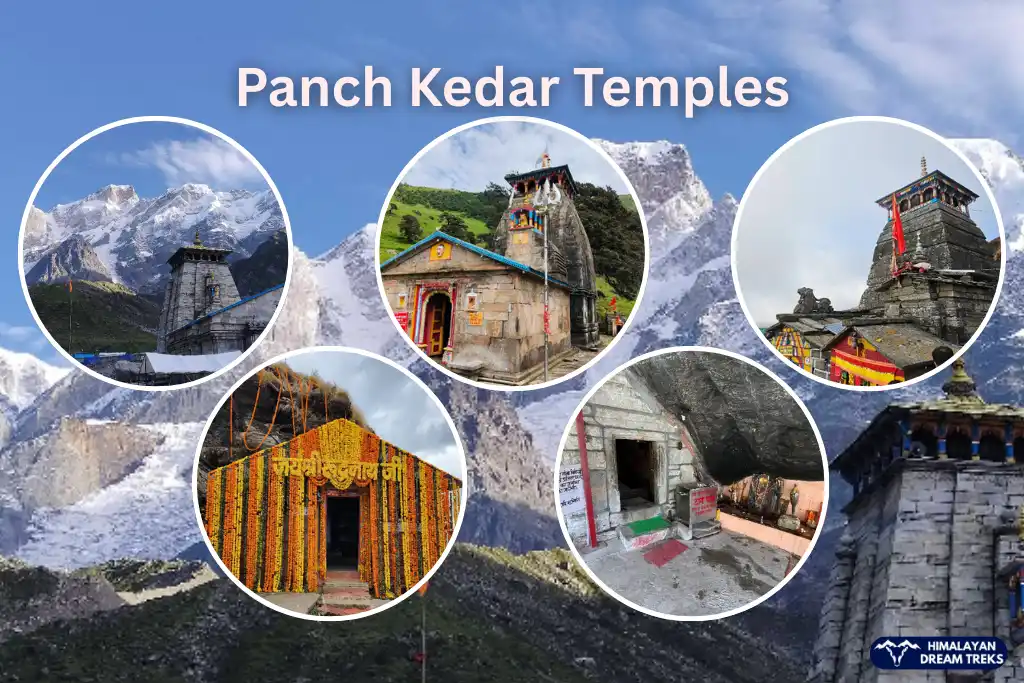
“Panch” is a Sanskrit word that means five. Panch Kedar refers to a group of five sacred temples of Lord Shiva located in the Garhwal region of Uttarakhand. These temples are not separate pilgrimages but parts of one connected spiritual circuit.
The five Panch Kedar temples are Kedarnath, Madhmaheshwar, Tungnath, Rudranath, and Kalpeshwar. Each temple represents a different form of Lord Shiva and holds its own importance in the journey.
These temples are linked through ancient stories, mountain geography, and age-old worship practices. Together, they form a complete spiritual path dedicated to the different forms of Lord Shiva.
Unlike the Char Dham yatra, Panch Kedar asks for more physical effort and patience. Long treks and remote locations make the journey tougher, which is why many pilgrims feel a stronger and more personal connection along the way.
Let us take a simple overview of these five Kedar temples, one by one.
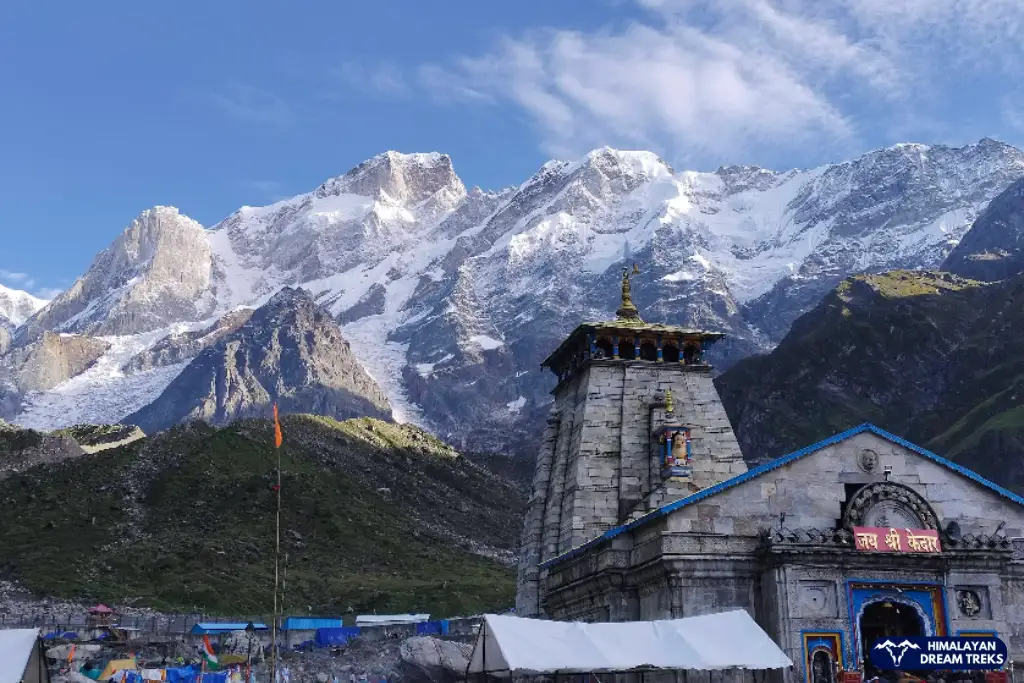
Kedarnath – Pratham Kedar
Kedarnath is the first temple of the Panch Kedar yatra, where Shiva is worshipped in the form of the hump. Located in the Rudraprayag district, it is one of the most important pilgrimage sites in North India and is part of both the Char Dham circuit and the 12 Jyotirlingas.
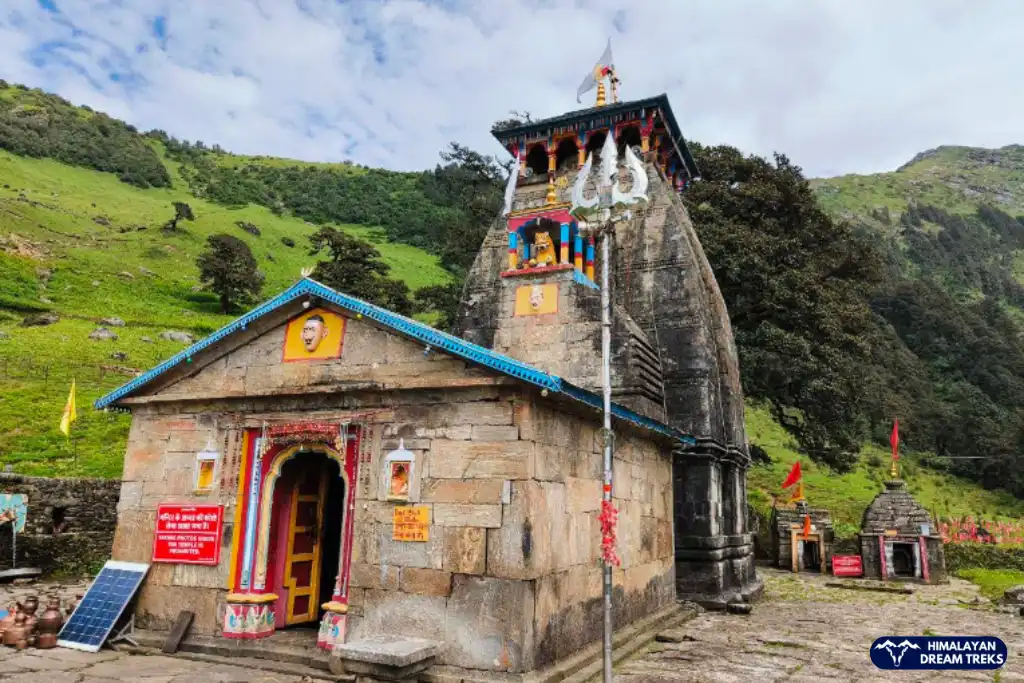
Madhmaheshwar – Dwitiya Kedar
Madhamaheshwar is the second temple in the Panch Kedar circuit, where the navel of Lord Shiva is worshipped. The trek to this temple begins from Ransi village near Ukhimath.
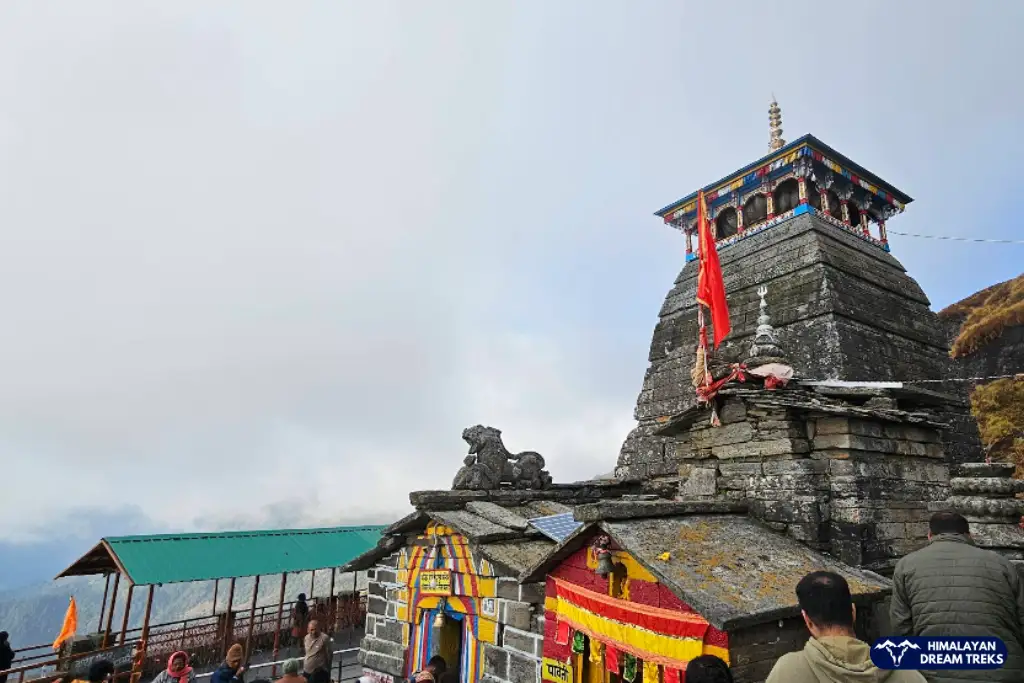
Tungnath – Tritiya Kedar
Tungnath is the third temple of the Panch Kedar yatra and the highest Shiva temple in the world. Situated at an altitude of about 3,680 metres in the Rudraprayag district, it is also one of the easiest Panch Kedar temples to reach.
Rudranath – Chaturth Kedar
Rudranath is considered the toughest Panch Kedar temple to visit. It is known for its long walking routes, quiet surroundings, high-altitude passes like Pitra Dhar, and wide meadows such as Panar and Lyuti.
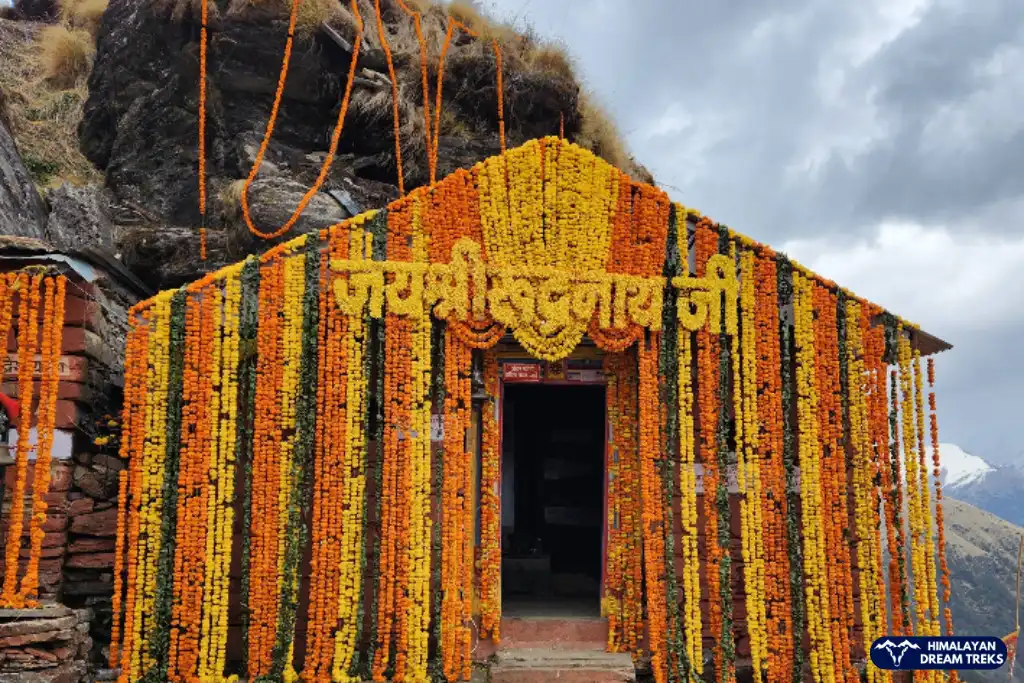
Kalpeshwar – Pancham Kedar
Kalpeshwar is the only Panch Kedar temple open throughout the year. Located in the Urgam Valley of Chamoli district, this temple worships Lord Shiva in the form of his matted locks, or jata.
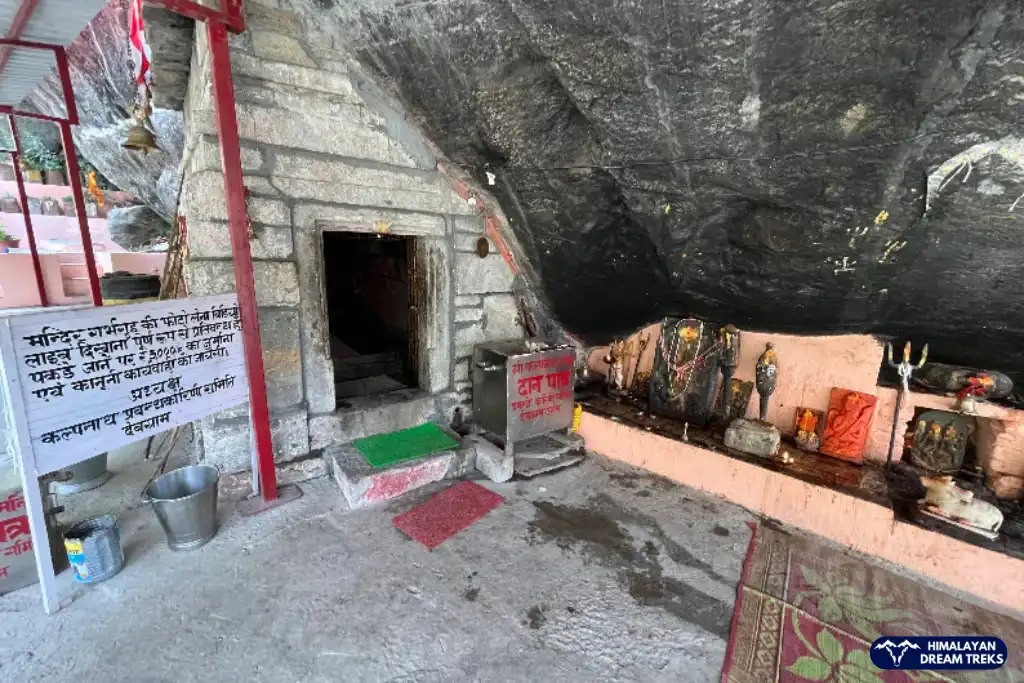
| Temples | Kedarnath | Tungnath | Rudranath | Madhmaheshwar | Kalpeshwar |
| Region | Rudraprayag district | Rudraprayag district | Chamoli district | Rudraprayag district | Chamoli district |
| Altitude | 3,583 meters | 3,680 meters | 2,286 meters | 3,490 meters | 2,200 meters |
| Religious significance | One of the 12 jyotirlingas; represents the hump of Lord Shiva’s bull form | The highest Shiva temple in the world; represents Shiva’s arms | The temple is to worship Lord Shiva’s face | The temple represents Shiva’s navel. | Devoted to the worshipping of Lord Shiva’s hair (jata). |
| Opening dates | yet to announce | yet to announce | yet to announce | yet to announce | Open on all days of the year. |
Panch Kedar History and Mythological Context
Several folk traditions and scriptural references explain why these five temples form the Panch Kedar circuit. The most widely accepted narrative connects Panch Kedar with the Pandavas from the Mahabharata.
After the Kurukshetra war, the Pandavas sought redemption for the bloodshed caused during the battle. They wished to seek forgiveness from Lord Shiva. However, Shiva did not want to meet them directly and took the form of a bull, disappearing into the earth.
According to belief, different parts of Shiva’s body reappeared at five locations in the Himalayas. These locations later became the Panch Kedar temples.
Each temple represents a specific part of Shiva’s form:
- Kedarnath – hump of the bull
- Madhyamaheshwar – navel
- Tungnath – arms
- Rudranath – face
- Kalpeshwar – matted hair (jata)
Kedarnath holds additional importance because it is also part of Chota Char Dham and one of the 12 Jyotirlingas of Lord Shiva, as referenced in Shaiva traditions and Puranic literature.
Sources for this narrative include regional Garhwali oral traditions, Skanda Purana references to Kedarkhand, and long-established temple histories maintained by local priest families.
Panch Kedar Temple Circuit Sequence
A common question asked by pilgrims is about the correct order of visiting Panch Kedar temples.
There is no strict scriptural rule that defines a mandatory sequence. However, over time, a commonly followed route has emerged due to geography, road connectivity, and spiritual tradition.
Most Commonly Followed Panch Kedar Sequence: Kedarnath → Madhyamaheshwar → Tungnath → Rudranath → Kalpeshwar.
Most yatras conclude at Badrinath Temple, even though it is not part of Panch Kedar temples.
Why Badrinath Matters: There is no direct textual command stating that Panch Kedar remains incomplete without Badrinath. Still, many devotees believe so.
According to belief, Badrinath was the original Kedarnath Dham during Satyuga. Later, Lord Vishnu assumed guardianship of Badrinath, while Shiva chose the present Kedarnath as his eternal abode.
Because of this spiritual connection, pilgrims often consider Badrinath Darshan as the closing act of the Panch Kedar journey.
This complete circuit can be covered through the Panch Kedar Tour Package provided by Himalayan Dream Treks.
Best Time to Visit Panch Kedar
Panch Kedar temples lie deep in the Uttarakhand Himalayas, where weather controls almost every part of the journey. Harsh terrain, high altitude, and limited access make timing very important. Since the temples open only for a few months each year, choosing the right season matters.
The temples of Panch remain open from starting fo the summer till the end of the autumn. But during the monsoon the pilgrimage is not visited due to heavy rainfall. So, summer and autumns remain best time to visit Panch kedar.
First Best Time to Visit is from May to June in Summer
May to June is the most comfortable time to visit Panch Kedar. During this period, temperatures usually stay between 10°C and 20°C, which feels pleasant for trekking.
The snow on the trails starts melting, making paths safer and easier to walk. This season works well for long treks like Rudranath and Madhyamaheshwar.
Nature looks fresh during these months. Rhododendron forests bloom, valleys turn green, and the overall scenery feels lively.
Most importantly, all five Panch Kedar temples remain open for darshan during this time. That makes it ideal for completing the full circuit in one journey.
Second Best Time to Visit is from September to October
September to October is another good window for the Panch Kedar yatra. After the monsoon ends, the weather becomes clear and stable.
Temperatures range between 5°C and 15°C, offering cool and crisp conditions. Trekking feels comfortable, especially for those who prefer fewer crowds.
The skies stay mostly clear, which allows wide views of Himalayan peaks. Meadows and valleys show autumn colors, adding calm beauty to the route.
All temples usually remain open until late October. Pilgrims must plan carefully, as closures depend on weather and snowfall.
How Difficult Are the Panch Kedar Temples?
Not all Panch Kedar temples are equally easy to reach. Some are close to roads, while others sit deep in the mountains and require long treks. Because of this mix, the overall Panch Kedar yatra is considered moderately difficult and needs basic fitness.
In short, Kedarnath, Madhyamaheshwar, and Rudranath involve demanding treks. Tungnath and Kalpeshwar are much easier and suitable even for beginners.
Panch Kedar tests endurance more than technical skills. With basic fitness and proper pacing, most pilgrims can complete the journey comfortably.
Kedarnath Trek Difficulty
The Kedarnath trail is wide and well-maintained due to heavy pilgrim movement. Facilities like rest points, shops, and water sources are available along the route.
The challenge comes from the steep climb and high altitude of 3,551 metres. Thin air, unpredictable weather, and a mostly uphill path make the trek physically tiring.
Tungnath Trek Difficulty
Tungnath is the highest Shiva temple, yet it is one of the easiest to reach. The trek from Chopta is only 3.5 km with a smooth and gradual climb.
The paved trail and short distance make it beginner-friendly. Many visitors complete Tungnath and Chandrashila together without difficulty.
Rudranath Trek Difficulty
Rudranath is the toughest temple in the Panch Kedar circuit. The trek passes through forests, steep slopes, and slippery sections.
It usually takes three to four days to complete and requires good stamina. The long climb to Pitra Dhar is demanding but rewards trekkers with wide meadow views before descending to the temple.
Madhyamaheshwar Trek Difficulty
The trek to Madhyamaheshwar starts from Ransi village and stretches 16 to 18 km one way. The ascent is steady and long, which makes it tiring.
As the trail nears the temple, the terrain becomes rough. First-time trekkers often find this route physically demanding.
Kalpeshwar Trek Difficulty
Kalpeshwar is the easiest Panch Kedar temple to reach. It is also the only one open throughout the year.
A short 200-metre walk from the road leads to the temple. No serious trekking or altitude stress is involved.
Panch Kedar Registration and Opening Dates 2026
Opening and Closing Dates
All Panch Kedar dates are traditionally announced on Mahashivratri, which falls on 15 February 2026. Visit our website on the day of Mahashivratri when all the opening dates of these temples will be announced.
Registration Details
- Registration follows the Char Dham Yatra system as it include Kedarnath and Badrinath in our itinerary.
- Visit the official website of Char Dham Yatra Registration and get registered for Kedarnath and Badrinath only.
- Kedarnath date will be on day two of our Panch Kedar itinerary, and Badrinath on the second last day.
- Valid ID proof is required at checkpoints
Short Itinerary
- Day 1: Rishikesh to Sonprayag
- Day 2: Drive from Sonprayag to Gauri Kund and ascend to Kedarnath
- Day 3: Descend from Kedarnath to Gaurikund and Drive Back to Sonprayag/Phata
- Day 4: Drive from Sonprayag to Ransi and trek to Gaundhar
- Day 5: Gaundhar to Madhmaheshwar
- Day 6: Madhmaheshwar to Ransi and drive to Ukhimath
- Day 7: Ukhimath to Chopta, trek to Tungnath, drive to Sagar Village
- Day 8: Sagar to Lyuti Bugyal
- Day 9: Lyuti Bugyal to Rudranath and return to Lyuti Bugyal
- Day 10: Trek from Lyuti Bugyal to Sagar Village
- Day 11: Sagar to Kalpeshwar and Drive to Badrinath
- Day 12: Drive from Badrinath to Rishikesh
Panch Kedar vs Char Dham Yatra: What’s the Difference?
Although both pilgrimages are located in the Garhwal Himalayas, their spiritual focus differs.
- Panch Kedar is entirely dedicated to Lord Shiva.
- Char Dham represents a broader spiritual spectrum—Lord Vishnu at Badrinath, Lord Shiva at Kedarnath, Goddess Ganga at Gangotri, and Goddess Yamuna at Yamunotri.
As a result, the Char Dham Yatra is well suited for devotees seeking a comprehensive pilgrimage, while the Panch Kedar Yatra appeals to those looking for a deeper Shaiva experience combined with physical and spiritual challenge.
Difference Between Panch Kedar, Panch Badari, and Panch Prayag
- Panch Kedar: Five Shiva temples including Kedarnath
- Panch Badari: Five Vishnu temples including Badrinath
- Panch Prayag: Five sacred river confluences of the Alaknanda and its tributaries
Each circuit represents a different spiritual aspect of Uttarakhand.
Panch Kedar Preparation Guide
With an average altitude of around 3,500 metres, preparation becomes non-negotiable.
Physical Preparation
- Ability to run 5 km within 40 minutes
- Cardio training 4 to 5 times a week
- Strength training focusing on legs and core
- Regular stretching and flexibility exercises
Mental Preparation
- Read verified trekking resources
- Study route maps and weather patterns
- Practice meditation and controlled breathing
- Visualise the trek and challenges calmly
Acclimatisation Tips
- Ascend gradually
- Stay hydrated
- Avoid alcohol and excessive caffeine
- Eat simple and clean food
- Rest adequately
Essential Safety Tips
- Check weather updates daily
- Use local guides
- Carry a basic medical kit
- Respect temple customs
- Avoid rushing the itinerary
Final Thoughts on Panch Kedar Temples
Panch Kedar temples are not about ticking temples off a list. It demands effort. It slows you down. It tests patience.
From the crowded path of Kedarnath to the silent forests of Rudranath, the journey changes rhythm constantly. Villages remain simple. People remain grounded. Mountains stay indifferent.
That contrast stays with you.
If you prepare well, respect the terrain, and move at the mountain’s pace, these sacred Panch Kedar temples become more than a pilgrimage. It becomes a lived Himalayan experience rooted in faith, geography, and humility.


Leave a Comment