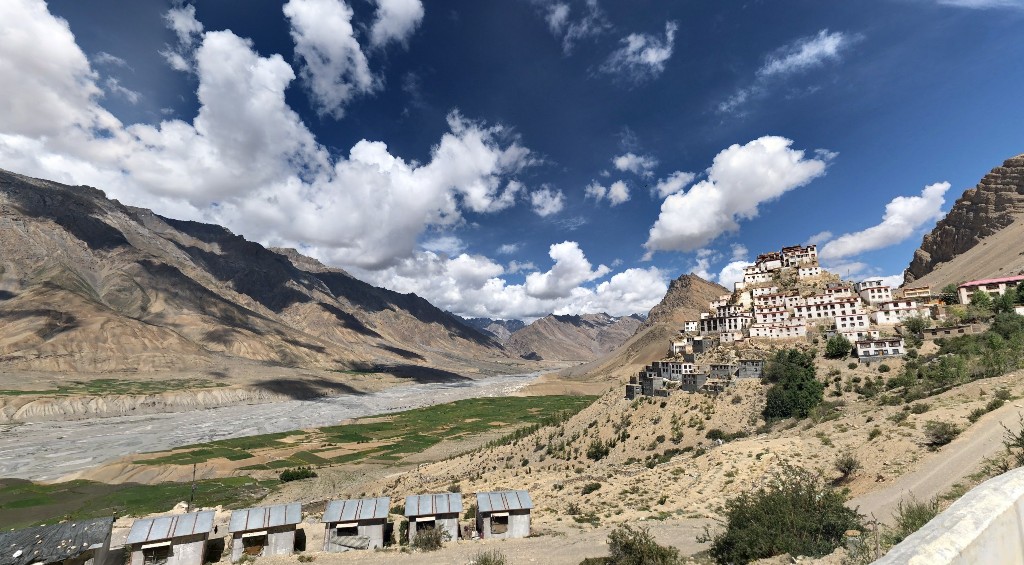
The Key Monastery (Key Gompa) is situated on a high hill overlooking the Spiti River. Its first appearance may cause a momentary stop for anyone as the structure seems to have literally emerged from the rock. The entire white rooms are lying one over the other, and from a distance, the entire building looks like a small mountain village tightly packed on one slope. The altitude of the monastery is about 4,166 meters, which gives it a special atmosphere.
The monastery is part of the Gelugpa sect of Tibetan Buddhism. It is a place where many monks learn, pray, and live throughout the year. Its site makes Key Monastery the center of spiritual life in Spiti. People come to the monastery for blessings. The locals climb the hill during the festive season. The kids have their playground near the steps. The tourists occupy the corners of the terrace for their view of the valley. The structure has been standing there for hundreds of years. Each of the corners reveals the time’s marks.
Table of Contents
How Key Gompa Began – History

Old stories say that the early monastery belonged to the 11th century, when a disciple of Atisha named Dromtön helped bring the teachings of Tibetan Buddhism into this valley. That early building was small. It likely had a simple prayer hall, a handful of rooms, and a few monks living together. But this base made space for something larger.
In the 15th century, Sherap Zangpo, who followed the teachings of Je Tsongkhapa, expanded the monastery. This was the time the gompa began taking the shape known today. The hill on which it stands is steep and uneven, so builders used natural rock as a support. They built small rooms on the ledges, and then more rooms on top of those. This created the “stacked” look the monastery has today.
The history of Key Gompa is not peaceful. Many conflicts reached this valley. The monastery suffered during the Ladakh–Kullu wars. Later, in 1841, when Dogra forces and Sikh soldiers clashed with Tibetan defenders, Key Gompa was damaged again. Some parts burned. Some walls fell. Sometime in the same century, a fire destroyed many rooms.
In 1975, a strong earthquake shook the valley, cracking the old walls. Instead of rebuilding it in a modern way, the monks and local people repaired it using the same traditional style. This is why the monastery looks natural and old, not modern or polished. It feels like a living piece of history.
What Makes Key Gompa’s Architecture Special
Walking inside Key Gompa feels nothing like entering a modern building. The passageways turn sharply. Staircases rise at uneven heights. Some steps are smooth from many years of use. The walls are thick and cool. The ceilings are low in some places, high in others. Each level leads to another set of rooms, often through a tiny doorway that forces you to bow your head while crossing. This style may seem confusing at first, but it served many purposes.
Why the design is this way:
- It made the gompa harder to attack.
- Thick walls protect against winter winds.
- Small rooms stay warm naturally.
- The stacked layout uses the mountain slope well.
- It creates many protected areas for monks to study quietly.
Inside the main prayer halls, the atmosphere changes completely. The walls display bright thangkas that show Buddhist stories. Big statues sit at the centre, surrounded by lamps, offerings, and colourful cloths. The older paintings have warm tones, deep reds, golden yellows, and soft greens. They glow gently under the natural light. Every time a door opens, a breeze carries the smell of incense through the room.
The Tangyur room stores scriptures wrapped in cloth. These are long, rectangular texts in traditional Tibetan format. Some are written by hand, some printed using old wooden blocks. Monks handle them carefully because many are centuries old.
The rooftops are another highlight. Standing there feels like standing at the edge of the world. The Spiti River looks small from above. The mountains stand tall around you. The valley stretches for kilometres on all sides.
A Day in the Life of Key Gompa
Key Gompa’s daily routine is very strict, as it is a holy place and a monastery at the same time. Monks, before sunrise, gather to pray. The shrill sound of the long trumpets is heard coming from the valley. The beating of the drums is very slow. The range of soft voices gradually continues to be heard.
The kitchen is immediately occupied by the monks after morning prayers. Breakfast is the same for all: tea, tsampa (roasted barley flour), rice, or just plain soup. The warmth in the kitchen comes from the fire that is kept burning in the traditional stoves. Young monks are sitting side by side and talking in low voices. The older monks are subtly guiding them. The soft morning sun is coming through the windows and is heating the room.
After breakfast, study sessions take place. Monks are reading from scriptures, practising debates, and memorising hymns. Some are working in the storerooms, some are sweeping the courtyard, while others are taking care of the visitors. The gompa is full of life, but without the noise. Even the necessary work is of little sound.
The monks eat lunch in groups. The food is still simple and warm. The afternoons bring more chanting, more studying, or helping with small repair works. Occasionally, little groups of tourists arrive at the monastery, and the monks greet them with a smile.
The night prayers signal the end of the daily activities. When the prayers are over, the light outside has already turned yellow. The valley appears to shine very softly. The temperature drops very quickly. Dinner is ready early. When night comes, the gompa is completely quiet. The stars are very bright because the sky is clean and dark in this place. Nights at Key Gompa seem to be longer than in most other places.
Best Time to Visit Key Monastery
The months from mid-May to late September work best for a trip to Key Monastery. These months offer a good balance of road safety, open stays, and pleasant weather. The sun remains bright, and the skies stay clear most days. The long days allow visitors to explore nearby villages without rushing.
Late May to mid-June:
This period is calm. Snow still covers the high summits. The valley feels fresh. Only a few travellers reach Spiti by this time, so the roads and monasteries remain peaceful. Morning temperatures stay low, but the daytime warmth is comfortable.
July and August:
These months bring the warmest temperatures. Spiti stays dry because it is a cold desert, but the road through Kinnaur faces problems due to rockfalls. Travellers use these months because holidays fall during this time. Food, homestays, and transport are easily available.
September:
Many travellers say this is the best month. The air becomes clean and crisp. The sky turns deep blue. Crowds thin out. Photography becomes excellent because the light remains sharp and soft at the same time. Evenings become cool, but not too cold.
Early October:
This month is beautiful but short. The passes may close anytime. Temperatures drop quickly. The valley becomes quieter. Homestays begin closing for winter.
Winter travel from November to March is possible only for trained or prepared travellers because the cold reaches extremely low levels.
Seasons to Avoid for Most Travellers
Winter is the toughest season in Spiti. The cold can be dangerous for anyone who is not used to such climates. Water freezes inside pipes. Roads close due to snow. Even daily tasks like walking outside or washing hands become difficult.
The oxygen level is lower because of altitude, which makes every movement slow and tiring. Medical support is limited in winter. Most homestays and shops close. For these reasons, winter should be avoided unless one has strong reasons and proper gear.
Monsoon season also needs care, not in Spiti itself, but on the way. The Shimla–Kinnaur route becomes risky due to falling rocks. Roads close without warning. Landslides are common. Drivers wait for hours until machines clear the road. Anyone travelling at this time should keep extra days and avoid driving late in the day.
How to Reach Key Monastery
Reaching Key Gompa starts with reaching Kaza, the main town of Spiti.
The two main routes:
1. Manali → Atal Tunnel → Gramphu → Batal → Kunzum Pass → Kaza
This route opens from mid-June to October.
- Distance: around 183 to 200 km
- Time: 7 to 10 hours
- Road after Gramphu is rough and rocky
- Water crossings appear during the day
The scenery along this road is dramatic. You see waterfalls, glaciers, broken cliffs, and long open valleys. The road feels adventurous and should be done slowly.
2. Shimla → Rampur → Reckong Peo → Pooh → Nako → Tabo → Kaza
This route stays open for most of the year.
- Distance: around 420 to 425 km
- Time: 12 to 16 hours or two days by bus
- Road is narrow in Kinnaur
The landscape changes slowly. You pass through apple orchards, pine forests, and then enter rocky terrain. As you get closer to Spiti, the mountains become sandy and dry.
Kaza to Key Gompa
The final leg is easy.
- Distance: 14 km
- Time: 30 to 40 minutes
The road begins smooth and later climbs sharply. The last part winds around the hill. The view gets better as you go up. The monastery appears suddenly when you turn the final bend.
Stays Near Key Gompa
Most travellers choose Kaza because it has more food and stay options.
- Rooms come in many types, from homestays to small hotels to simple guest rooms. Hot water is usually given by bucket.
- Food is homely. You get dal, rice, roti, momos, thukpa, chowmein, and tea. Cafes in Kaza serve coffee, sandwiches, pancakes, and soups.
- If you want a quiet stay, places around Key Village, Kibber, and Chicham offer a peaceful environment.
- Homestays there give simple rooms, warm blankets, and family-cooked food.
Staying near Key Gompa lets you visit the monastery at sunrise or sunset, which gives the best experience.
Places to Visit Near Key Monastery
The area around Key Gompa has some of Spiti’s most interesting places.
Kibber:
A high village known for snow leopards, stone houses, and open meadows. The village has clean paths and wide views of the mountains.
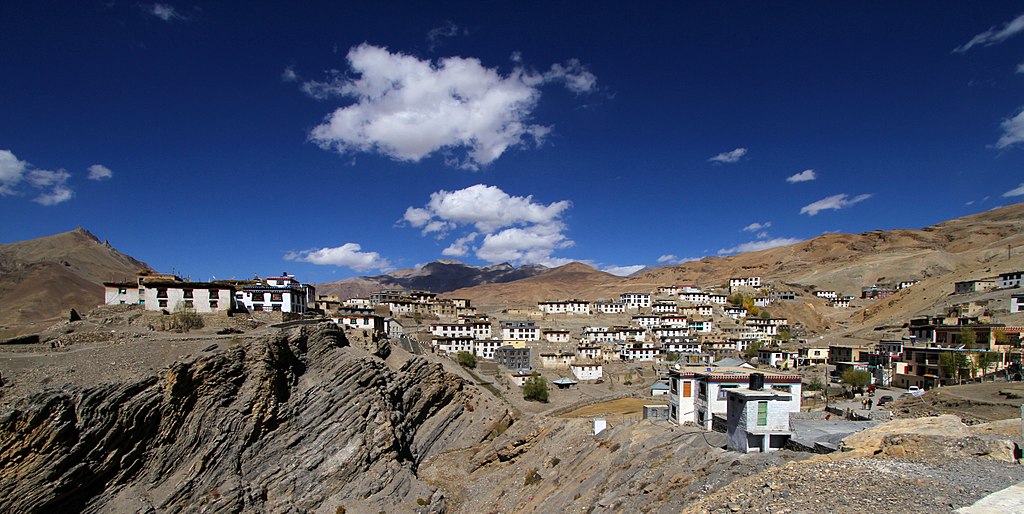
Chicham:
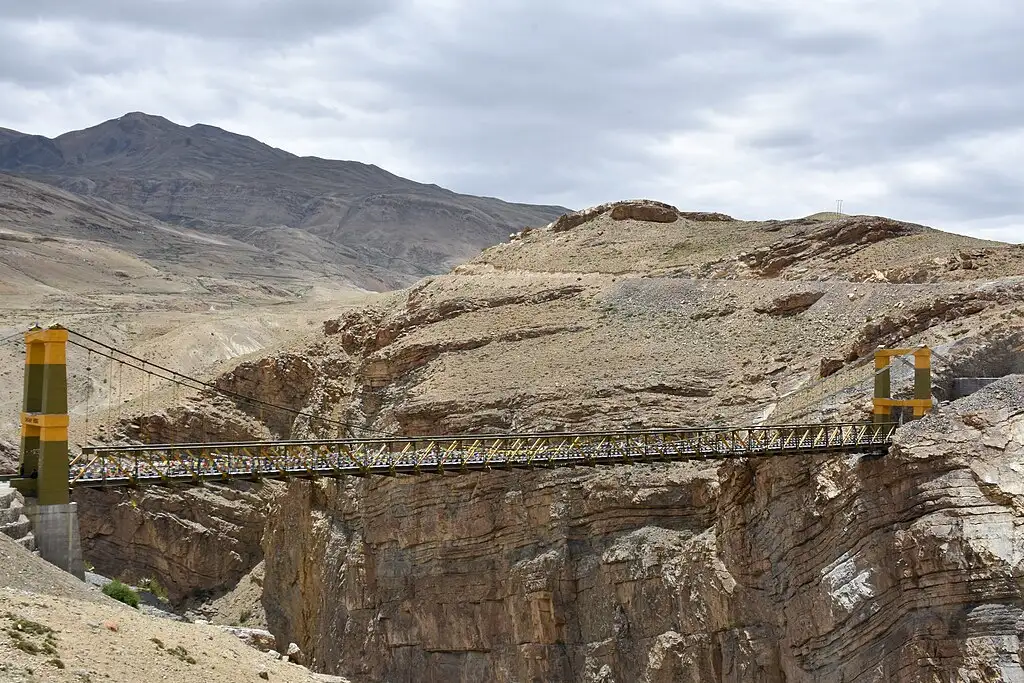
Connected to Kibber by the famous Chicham Bridge. The bridge stands high over a deep gorge. Crossing it gives a strong thrill because the drop below is massive.
Langza:
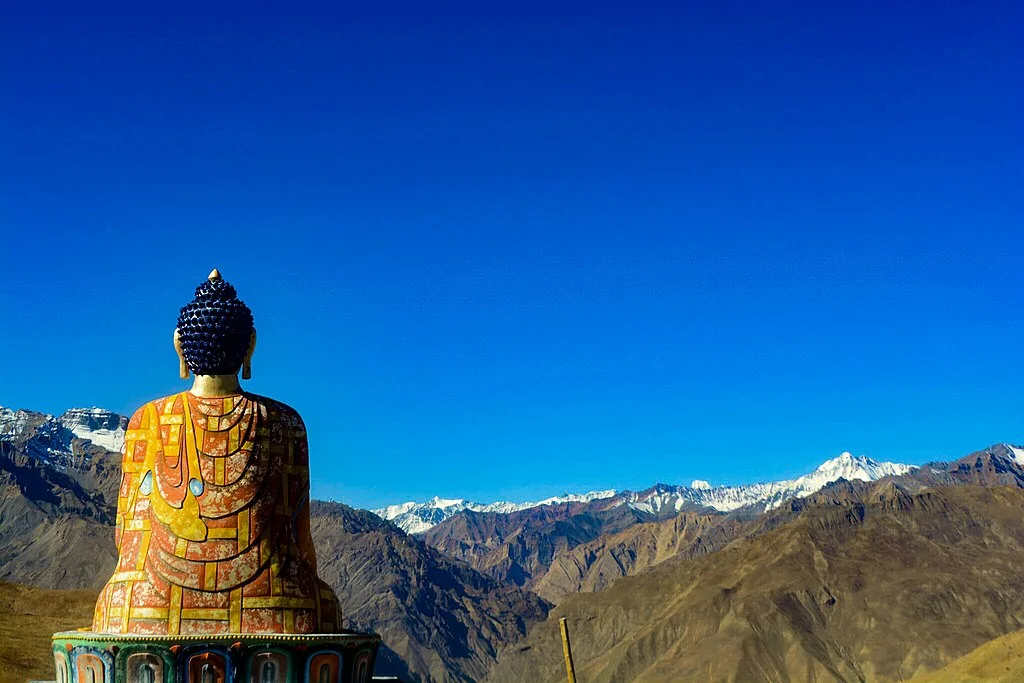
Famous for its tall Buddha statue and fossil-rich slopes. The village looks calm and wide, with gentle winds crossing the fields.
Hikkim:
Known for having one of the highest post offices. Travellers send postcards from here to family and friends.
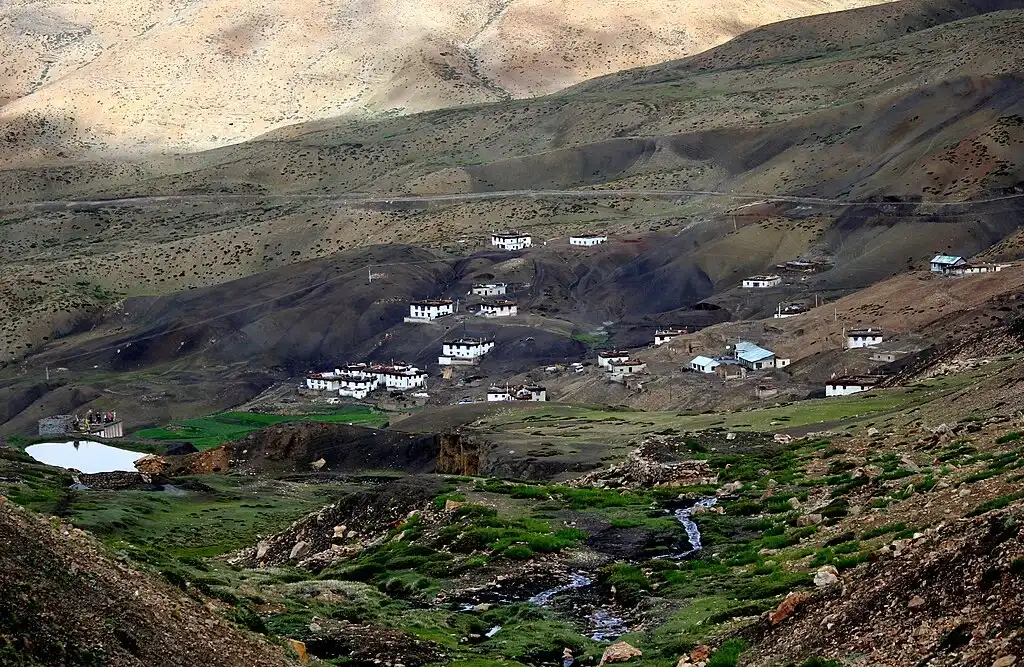
Komic:
A high-altitude village with a small monastery and endless mountain views.
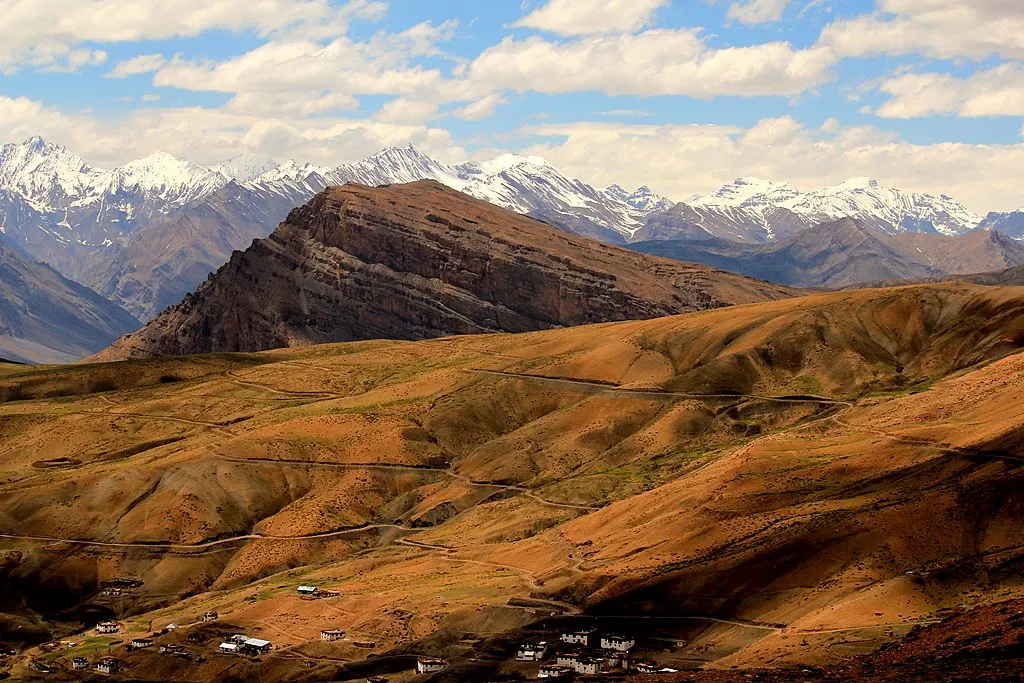
Tabo:
One of the oldest monasteries in the region. The walls inside the monastery hold paintings that date back many centuries. The site feels sacred and important.
Weather, Altitude and Health Tips
Spiti is at a great altitude, and therefore the body takes time for acclimatization.
- The very first thing you should do is to spend one whole day in Kaza before you plan to move up the hill.
- Water should always be available. The intake of food should be restricted to light meals. When going up stairs, be careful and take your time.
- Sunscreen and sunglasses are a must as the sun is very bright at this height. A winter jacket should be part of your summer outfit since it can be hot in the day and cool at night.
- If a headache or dizziness occurs, sit down, take a break, and breathe deeply.
- Do not drink alcohol. Spiti’s nights are very cold quickly, so warm clothing is necessary even when the day seems warm.
Responsible Travel
The Key Monastery is a place where prayer lives. Visitors must conduct themselves with respect. In the prayer halls, the whispering is the loudest.
- Do not touch the statues or the books.
- Take off your shoes where required. Check first whether you can take pictures.
- Carry your plastic waste with you until you find a suitable bin.
- Don’t interrupt monks when they are praying. Purchase food, tea, or small things from local shops to support the families.
Final Thoughts
Key Gompa is not just a stop on a travel map, it feels like a place that stays with you long after you leave. Its quiet rooms, old walls, soft chants, and wide valley views make you slow down without trying. The silence here feels warm, not empty. The monks move gently, the wind carries a calm kind of sound, and the mountains stand like silent guardians. When you walk away from Key Gompa, you don’t just remember the views, you remember the feeling of peace that settles inside you, even if only for a short time.

Leave a Comment