Located on the traditional route of Ladkakh and Tibet and banks of the Spiti River, Kibber (Kibber Khas) is often considered one of the world’s highest permanently inhabited villages. While title claims often shift, its altitude of roughly 4,270 metres (14,010 ft) ensures that a trip here is anything but ordinary.
Base camp of Kanamo Peak, and Tso Moriri (Parang La 5,578 m – Karzok – Tso Moriri), Kibber has a lot of things to offer.
If you’ve been dreaming of adventures, culture, history, wildlife spotting, and astrophotography, this comprehensive guide is your essential roadmap. We’ll cover everything from the best time to visit to the near by spots.
Table of Contents
Why Kibber Should Be on Your Bucket List

The Altitude Advantage
The sheer elevation of Kibber is a draw in itself. Historically known as the highest motorable village, its status draws travellers who seek the thrill of literally being on top of the world. This high altitude translates into an incredibly thin, clean atmosphere, perfect for stargazing that will leave you spellbound.
Gateway to Wildlife: Kibber Wildlife Sanctuary
For nature lovers and wildlife photographers, Kibber is particularly significant because it acts as the base for exploring the Kibber Wildlife Sanctuary. Established on 1st Nov 1999 with an area of 1,400 km square (540 sq mi), this protected area is a crucial habitat for some of the Himalayas’ most endangered creatures. We are talking about the Snow Leopard, Himalayan Wolf, and the rare Siberian Ibex.
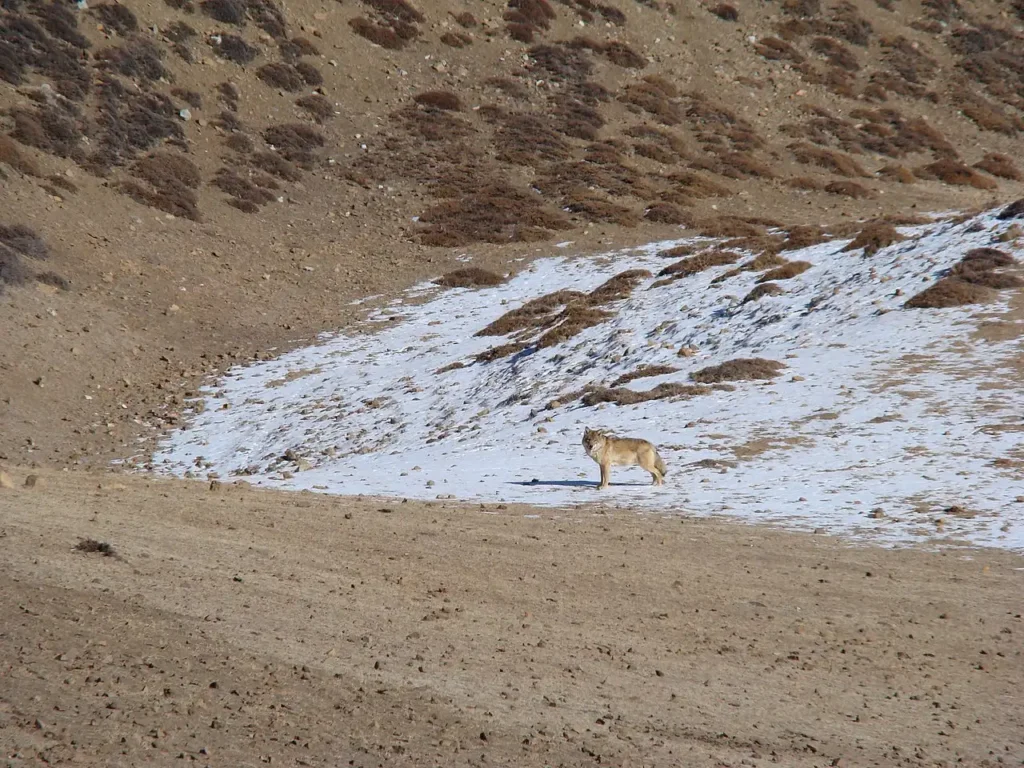
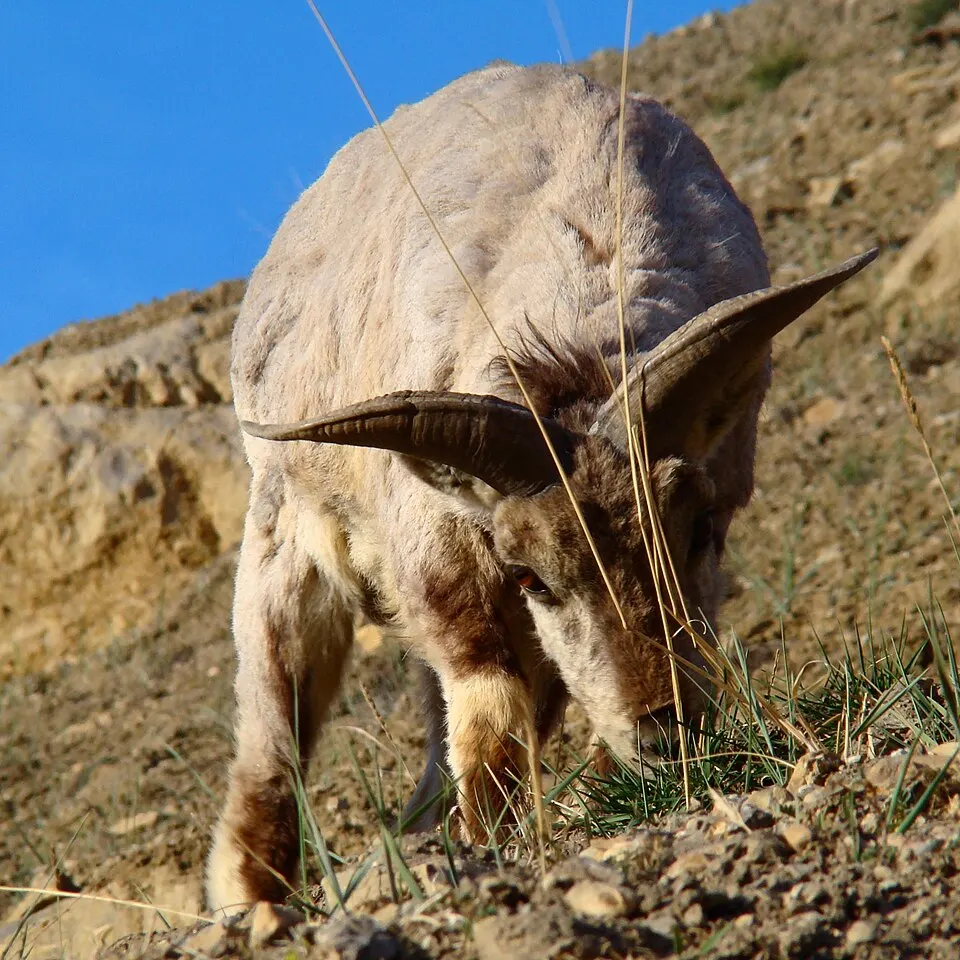
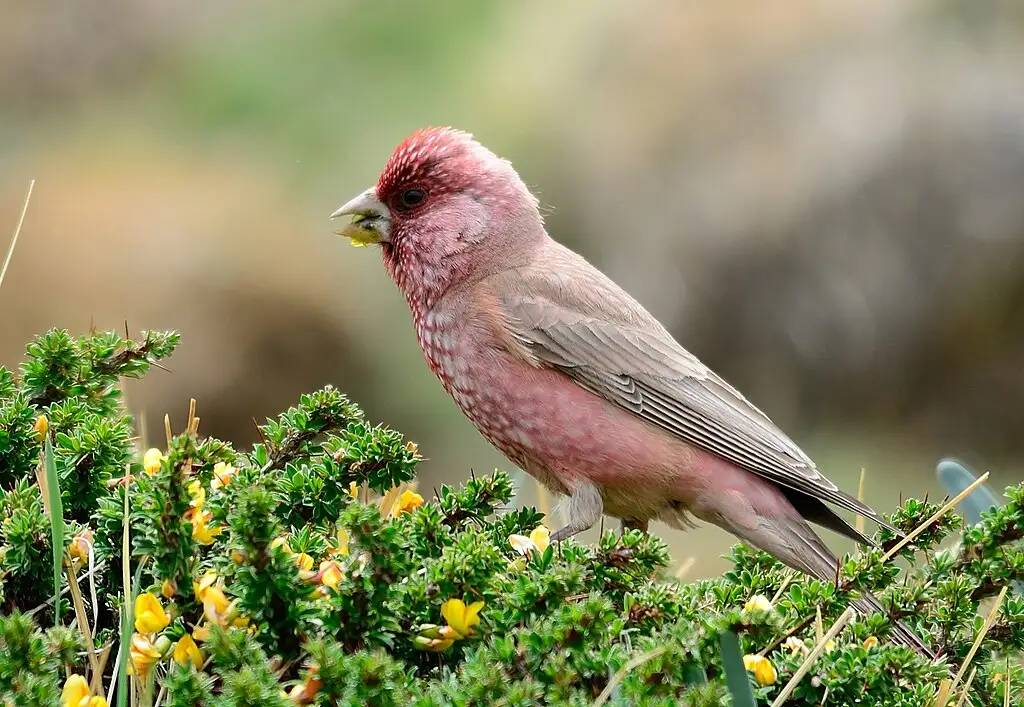
During the peak winter months, when snow forces these animals to descend to lower altitudes in search of food, Kibber turns into a prime location for Snow Leopard spotting.
Culture and History
Despite its remote location, Kibber boasts a rich cultural legacy. It has a beautiful little monastery, the Kibber Gompa, that offers spectacular panoramic views of the valley. The village itself is connected by a famous suspension bridge, one of the highest bridges of its kind. The Buddhist influence is profound, peaceful, and wonderfully evident in the everyday life of the villagers. Located at the end of the Spiti Valley, Kibber was a trade route to Ladakh and Tibet.
How to Reach Kibber Village
Kibber is situated about 18-20 kilometres from Kaza, the main administrative town of Spiti Valley.
The Main Access Routes to Kaza
Your journey to Kibber essentially begins by reaching Kaza. There are two primary routes to get there, and your choice depends on the time of year and your starting point.
1. The Shimla – Kinnaur – Kaza Route (The All-Weather Route)
- Route: Shimla → Narkanda → Rampur → Sangla/Chitkul (optional detour) → Reckong Peo → Kalpa → Nako → Tabo → Kaza.
- Why choose this route: This path is generally open for a longer duration, often accessible from April/May until November/December. It is considered slightly safer and offers a more gradual acclimatisation to the high altitude.
- Journey Time: 450 km route that takes approximately 2-3 days of driving, with essential overnight stops.
- Key Consideration: This route follows the treacherous but stunning Hindustan-Tibet Highway. The landscape shifts dramatically from lush deodar forests to the stark, arid beauty of the cold desert.
2. The Manali – Rohtang – Kunzum La – Kaza Route (The Summer Route)
- Route: Manali → Atal Tunnel → Koksar → Batal → Kunzum Pass (Kunzum La) → Losar → Kaza.
- Why choose this route: It’s shorter in distance and more direct from the tourist hub of Manali, offering a quicker entry into Spiti. It involves crossing Atal Tunnel and Kunzum La.
- Journey Time: It’s 185 km of road and can be done in 1 long day (10-12 hours) or broken up into two days with a stay in Losar or Kaza.
- Key Consideration: This route is only open for about 4-5 months a year, typically from late June/early July to September/October, depending on the snow. It involves higher altitude crossing earlier in the journey, making Altitude Sickness (AMS) a higher risk. Also, this patch is rough for a considerable distance, hence a SUV is preferred.
Kaza to Kibber: The Final Leg
Once you arrive in Kaza, reaching Kibber is relatively straightforward.
- By Taxi: The easiest and quickest way is to hire a local taxi. The drive takes about 45 minutes to 1 hour.
- By Bus: Local HRTC (Himachal Road Transport Corporation) buses operate between Kaza and Kibber (often to the higher village of Chicham via Kibber). The timing is limited, usually one or two buses a day, but this is the most economical option and provides an authentic local experience.
- On Foot/Hitchhiking: For the truly adventurous, you can trek or hitchhike, but remember the distances are long and the terrain is demanding.
Crucial Travel Tip: Always start your acclimatisation in Kaza for at least one night before heading to Kibber. Moving too fast to the higher altitude of Kibber can severely increase the risk of AMS.
Best Time to Visit Kibber Village
| Season | Months | Temperature Range | Key Experience | Who Should Visit |
| Summer | June to September | – 2 to 7 (Celcius) | Best weather, all roads open, lush (for a cold desert), trekking is easy. | First-timers, trekkers, general tourists. |
| Autumn | October to Early November | -10 to 2 (Celcius) | Clear skies, brilliant photography, a bit cold, fewer crowds. | Photographers, those seeking solitude. |
| Winter | Late November to March | -15 to -25 (Celcius) | Snow, extreme cold, possibility of Snow Leopard sighting, roads often closed. | Wildlife enthusiasts, hardcore adventurers, Snow Leopard trackers. |
| Spring | April to May | -5 to 2 (Celcius) | With roads just opening (Shimla route), less touristy, still very cold. | Budget travellers, those seeking peaceful solitude before the rush. |
The Peak Tourist Season (June to September)
This is undoubtedly the most popular time. The Manali-Leh Highway and Kunzum Pass are open, providing access from both sides. The temperatures are pleasant during the day (15°C to 25°C), though nights are always chilly. The weather is stable, making it ideal for camping, trekking, and sightseeing. This is the best time to visit if you want hassle-free travel and clear views.
The Snow Leopard Season (December to February)
If your primary goal is to spot the elusive Snow Leopard in the Kibber Wildlife Sanctuary, you must brace for the extreme winter. Temperatures can plummet to -25°C or lower. The Manali route is completely shut, and you must travel via the Shimla route. You will need specialised gear, and hiring a local guide is mandatory for safety and successful tracking. This journey is intense but offers the most profound and unique wildlife experience.
Top Attractions and Places to Visit in Kibber and Nearby
While the village itself is a destination, the surrounding areas hold incredible historical and natural significance.
1. Kibber Monastery (Kibber Gompa)

Smaller and less famous than its neighbour, Key Monastery, the Kibber Gompa offers a sense of peace. It is perched slightly above the main village and is a wonderful spot for meditation and absorbing the panoramic views.
2. Kibber Wildlife Sanctuary
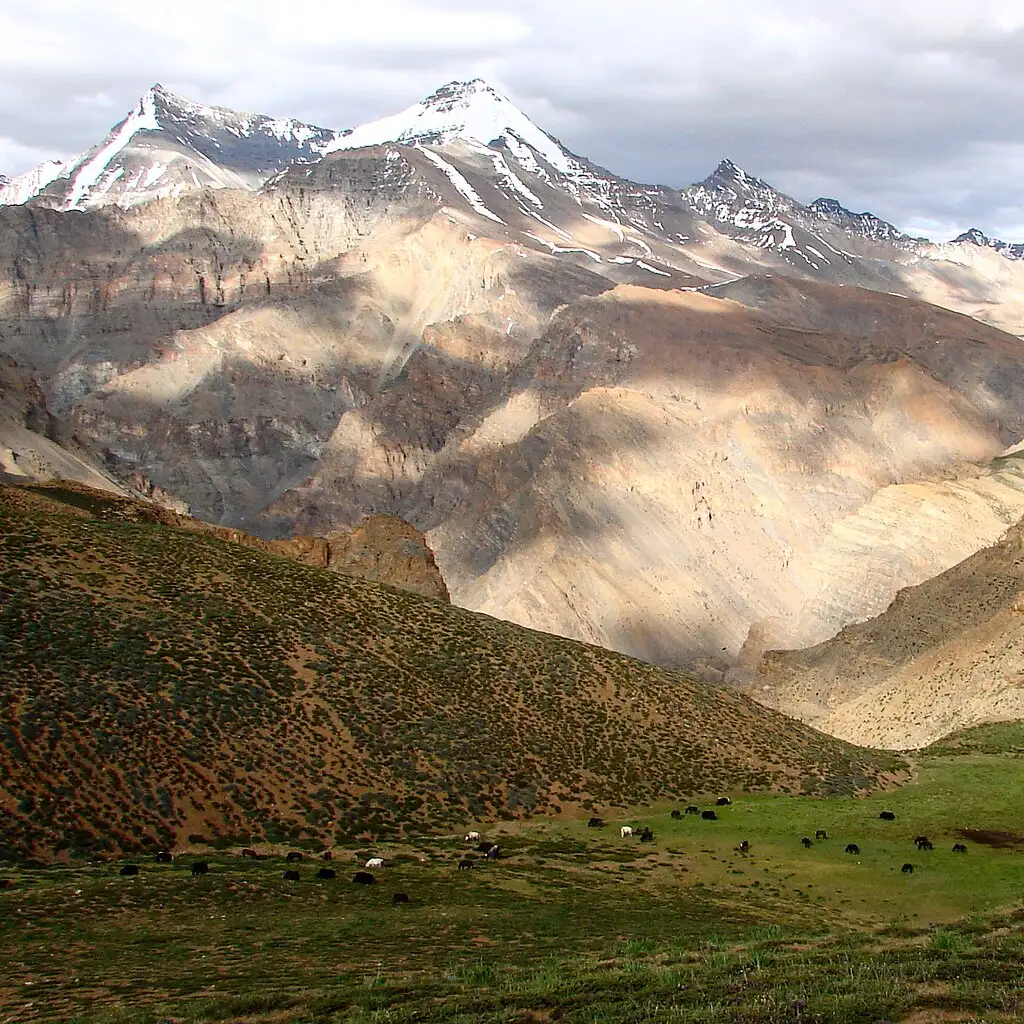
As mentioned, this is the prime highlight. Stretching over 1,400 sq km with an average elevation of 3,500 m – 6,800 m, it is a high-altitude cold desert reserve. For anyone planning to trek, register your presence and obtain any necessary permits. Even if you aren’t lokking for the Snow Leopard, a walk through the surrounding hills gives you a true sense of the vast, rugged Spitian landscape. Keep an eye out for the Blue Sheep; they are the most common large mammals you will encounter.
3. The Chicham Bridge
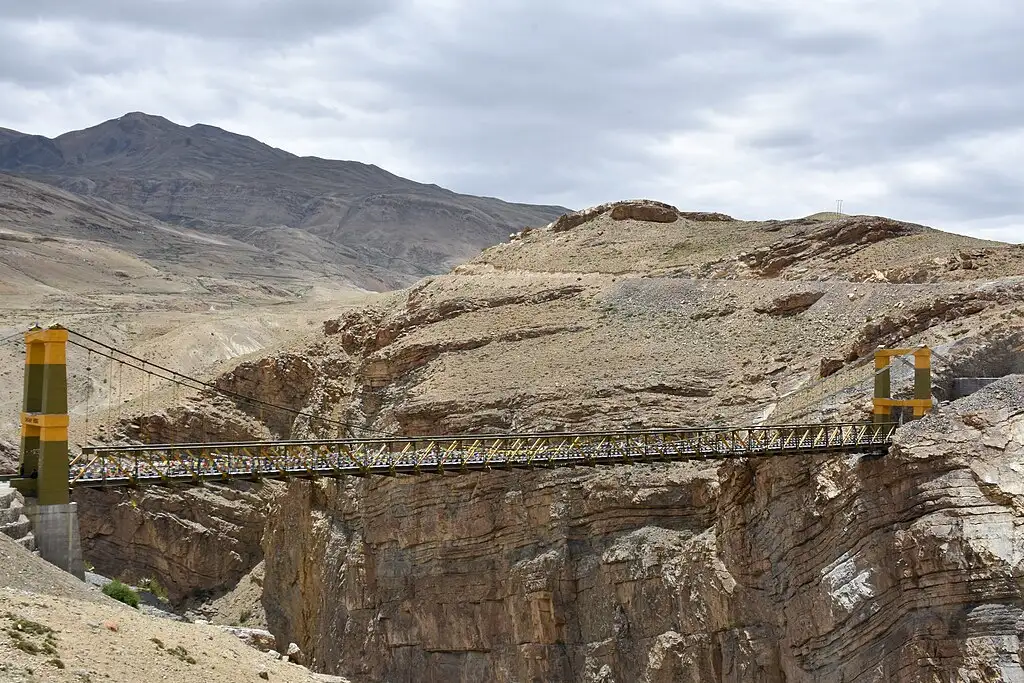
Located just a short drive past Kibber, the Chicham Bridge is an engineering marvel and a must-see spot. It connects Kibber to the village of Chicham and is suspended over a deep, dramatic gorge, making it one of the highest suspension bridges in Asia.
4. Key Monastery (Ki Gompa)
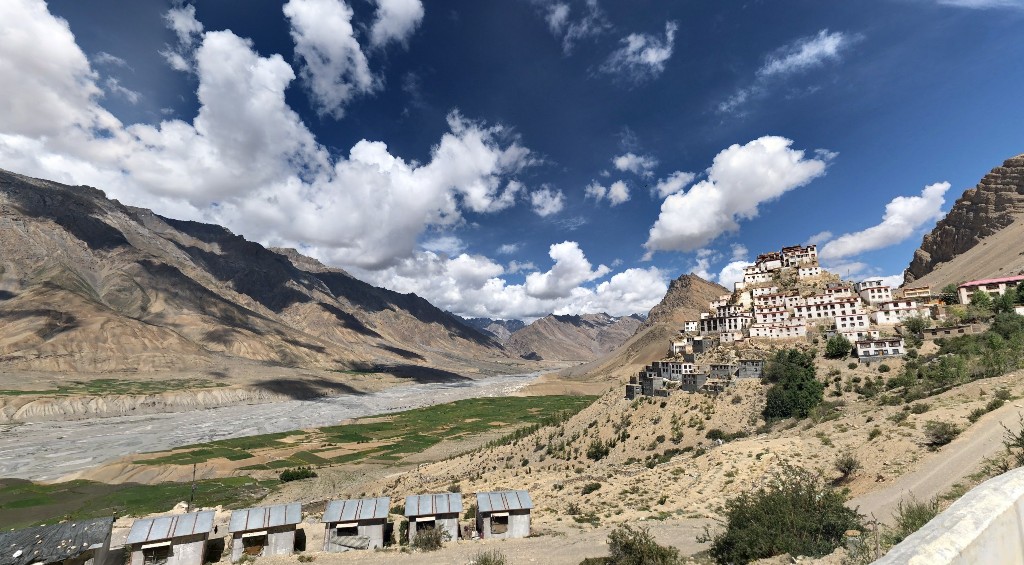
No trip to Kibber is complete without visiting the iconic Key Monastery, which is only about 15-20 km away towards Kaza. Key Gompa is the largest and arguably the most beautiful monastery in the entire Spiti Valley. It sits majestically on a hilltop, resembling a tiered fort.
5. Kaza Town
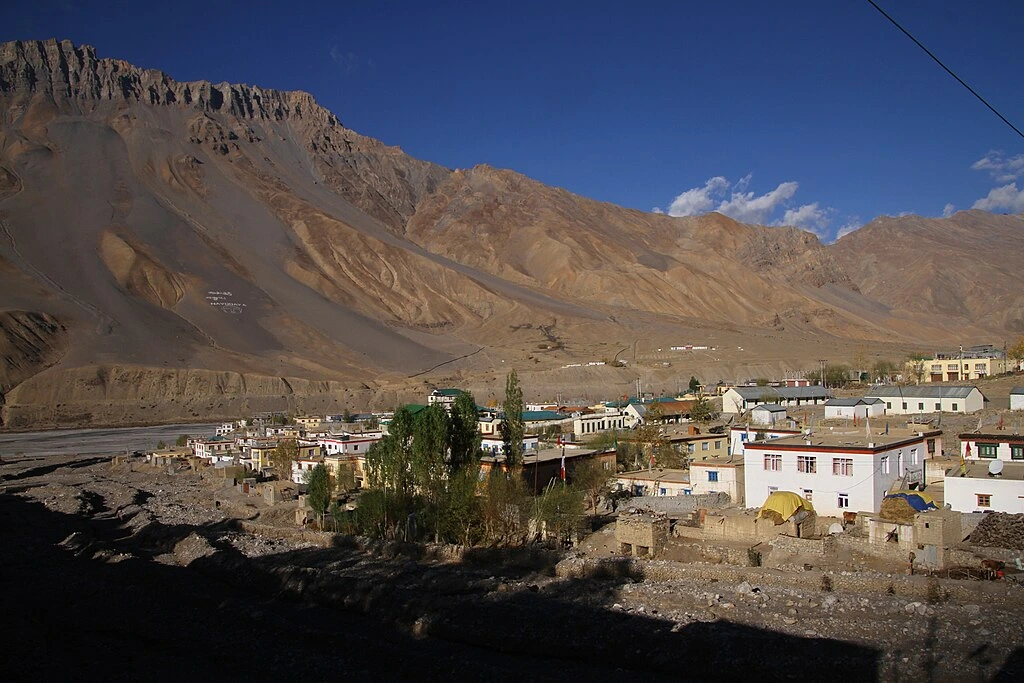
The nearest major town, Kaza, serves as the administrative and commercial centre of Spiti. It’s the best place to find petrol, an ATM (though often unreliable), a decent restaurant, and mobile network connectivity. It’s a great pit stop for supplies.
Life in the Cold Desert: Accommodation and Cuisine
The experience of staying and eating in Kibber is deeply tied to its unique local culture. Forget luxury hotels; Kibber offers something far more meaningful.
Your Stay: The Homestay Experience
The preferred and most authentic accommodation in Kibber Village is the traditional homestay. These are family-run establishments where you live with a local family, sharing their kitchen and routines. Recommended homestays are Norling Homestay, Deshek Homestay, and Tashi Homestay.
- What to Expect: Simple, clean rooms; traditional Spitian architecture (thick mud walls for insulation); shared bathroom facilities; and incredibly warm hospitality.
- Benefits: This is the best way to understand local life, learn about their Buddhist traditions, and contribute directly to the local economy. It also provides the best environment for acclimatisation. Many homestays offer traditional Bukhari (a wood-fired stove) for warmth in the evenings.
Local Cuisine: What to Eat in Kibber
Spitian food is heavily influenced by Tibetan cuisine, perfect for the cold climate. It is nutritious, warming, and comforting.
- Momo (Dumplings): Available in both vegetarian and non-vegetarian fillings, often served with spicy chilli sauce.
- Thukpa (Noodle Soup): A hearty, staple soup with vegetables or meat, perfect for warming up after a long day of travel.
- Tingmo (Steamed Bread): A soft, spongy steamed bread that is great with curries or dal.
- Skyu: A unique traditional dish of the Spiti Valley, consisting of small, thumb-sized pieces of pasta cooked with vegetables and meat (optional).
- Butter Tea (Chai): Also known as Suja or Po Cha, this salted tea made with yak butter is an acquired taste but an essential local drink, providing energy and helping with the cold.
Essential Travel Tips for Kibber
1. The Threat of Altitude Sickness (AMS)
This is the most critical factor. Kibber’s altitude of 14,000+ ft is significant.
- Mandatory Rule: Slow and steady acclimatisation. Spend at least one night in Shimla/Manali, then another in Reckong Peo/Kalpa, and definitely one in Kaza before moving to Kibber.
- Hydration: Drink plenty of water (not alcohol or caffeine).
- Rest: Avoid strenuous activity immediately upon arrival.
- Medication: Consult your doctor about carrying Diamox (acetazolamide) as a prophylactic measure.
2. Inner Line Permits (ILP) and Documents
For Indian nationals, you generally do not need an Inner Line Permit to enter Spiti Valley via the Shimla route. However, if you are travelling directly from the Manali side via Rohtang Pass, you will need a Rohtang Pass Permit (though this is often managed by taxi operators for tourists). It’s always smart to carry multiple photocopies of your Aadhar Card/Voter ID and Driving Licence for checkpoints. Foreign nationals need an ILP.
3. Clothing and Gear
Even in summer, Kibber is cold. Pack layers, not just heavy clothes.
- Thermal wear (base layer)
- Fleece/Woollen Sweater (mid-layer)
- Down Jacket/Windproof, Waterproof Jacket (outer layer)
- Warm gloves, woollen cap/beanie, muffler/scarf
- Sunglasses (essential for snow glare) and sunscreen (UVA/UVB exposure is higher at this altitude)
- Sturdy trekking boots
4. Respecting Local Culture
Spiti is a deeply conservative Buddhist region.
- Dress modestly: Especially when visiting monasteries. Cover your shoulders and legs.
- Monastery Etiquette: Always walk clockwise around chortens (stupas) and prayer wheels. Never point your feet at religious objects or people. Ask permission before taking photos of people or inside prayer halls.
Activities and Experiences
1. Snow Leopard Tracking
This is the ultimate experience for the serious nature enthusiast. The hills around Kibber, particularly near the Kibber Wildlife Sanctuary, are prime hunting grounds for snow leopards. This requires:
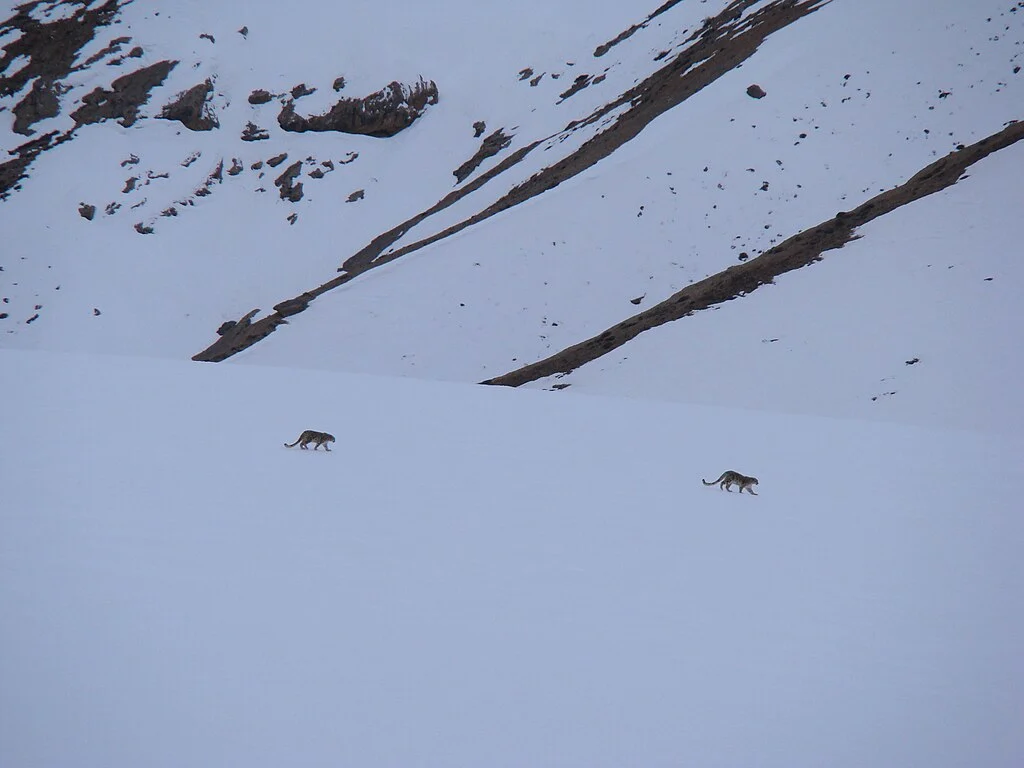
- Hiring a Local Guide: Absolutely necessary. They know the terrain, the animal behaviour, and the safety protocols.
- High-Quality Gear: Warmest clothing, high-powered binoculars, and cameras with telephoto lenses.
- Patience: Snow leopards are masters of camouflage. You must be prepared to wait days or even weeks for a sighting.
2. Trekking to the High Pastures
Kibber serves as the starting point for several famous treks:
- Kibber to Tso Moriri (Ladakh): A multi-day, challenging trek only for experienced trekkers.
- The Parang La Trek: Another high-altitude pass that connects Spiti to the Changthang region of Ladakh.
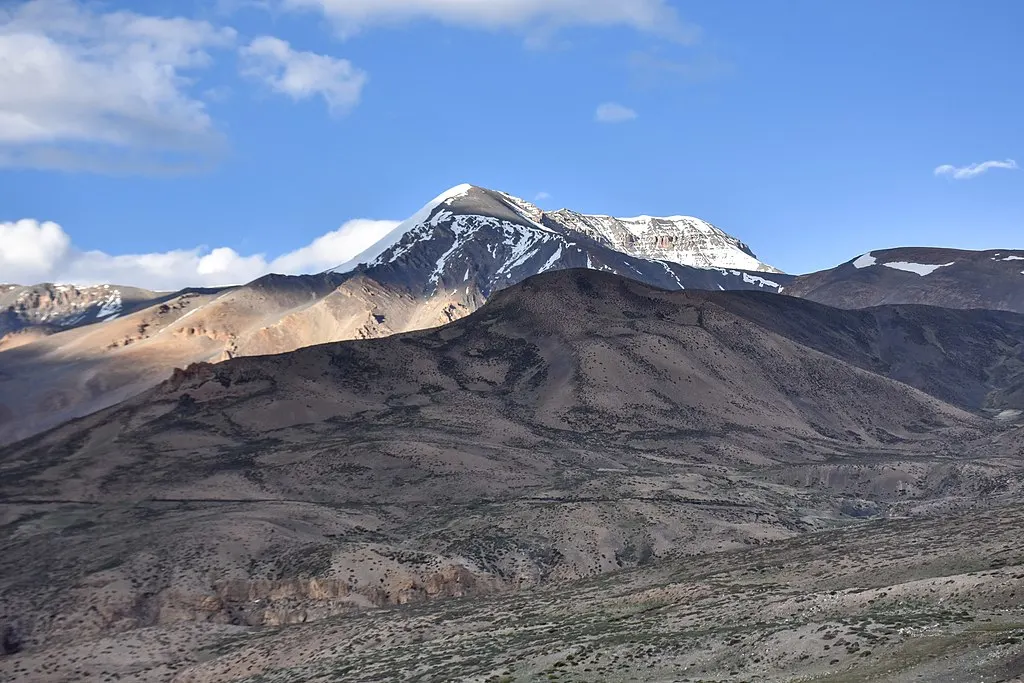
- Kanamo Peak Trek
3. Star Gazing and Astro-Photography
Due to the remote location, lack of light pollution, and high altitude, Kibber offers some of the clearest night skies in the entire Himalayan region. Find an open spot just outside the village lights, perhaps near the old Gompa, and watch the celestial drama unfold. This is a paradise for amateur astronomers and astro-photographers.
4. Village Tour and Life
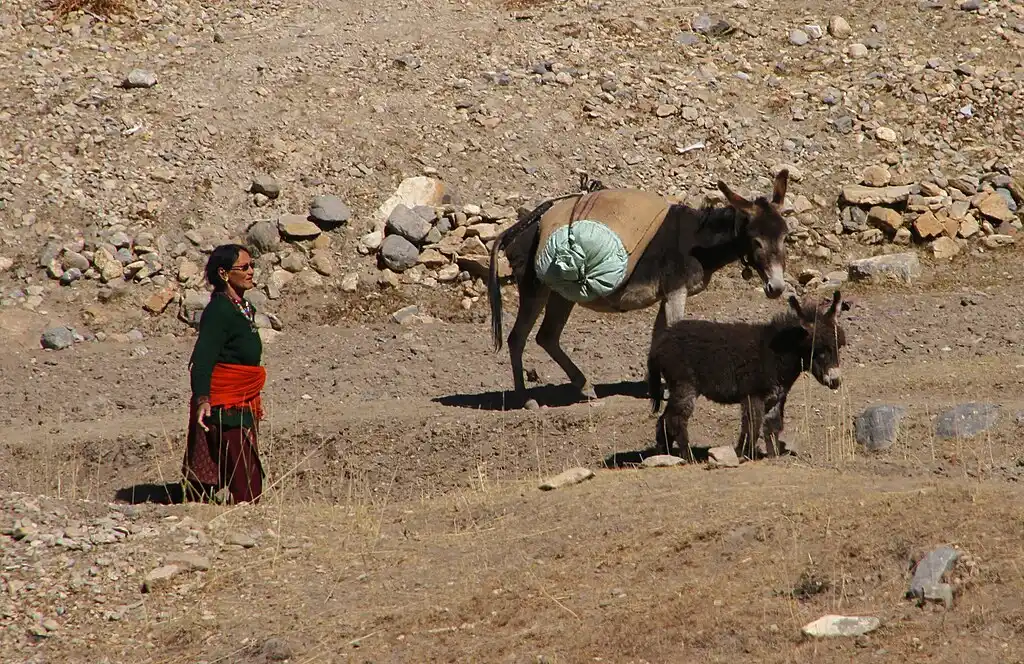
Spend a day just sitting with your homestay host. Learn to make momos or thukpa. Listen to their stories of life in such harsh conditions, their Buddhist faith, and how they manage through the long, unforgiving winters. True travel is about connection, and Kibber provides that opportunity in abundance.
Conclusion
Kibber Village is far more than just a pin on a map of Himachal Pradesh. It is a testament to human resilience, a sanctuary for some of the world’s most spectacular wildlife, and a place where every sunrise feels like a spiritual revelation. From the bone-chilling thrill of standing on the Chicham Bridge to the quiet awe of witnessing a prayer flag fluttering against the backdrop of the cold desert, Kibber stays with you long after you’ve left its rugged embrace.
Prepare properly, travel slowly to acclimatise, and treat the fragile ecosystem and its warm people with the utmost respect.
Team Himalayan Dream Treks regularly organizes Himachal village tours and the Spiti Circuit. You can check our offerings or contact us directly at [email protected]

Leave a Comment