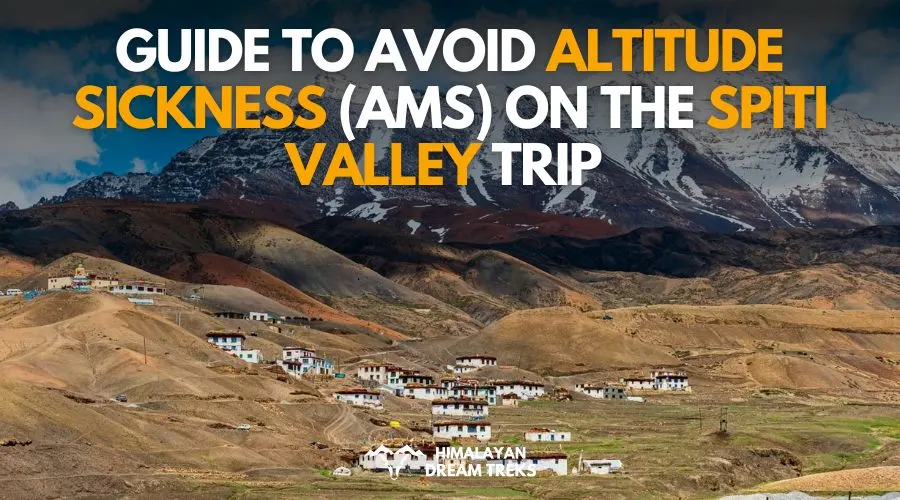
For travelers, a trip to Spiti, with its ancient monasteries, villages clinging to cliff faces, and the raw beauty of Kaza, is the ultimate escape; a pilgrimage of the soul. Yet, this beauty comes with a silent, invisible challenge: Altitude Sickness, scientifically known as Acute Mountain Sickness, or AMS.
AMS is an important factor that determines the success or failure of your entire Spiti Valley trip. Failing to respect the altitude can instantly turn your dream trip into a terrifying medical emergency. Many visitors, eager to cover the mountains quickly, make critical mistakes that lead to days of misery, premature descent, or worse.
This article is designed to be your comprehensive, step-by-step roadmap to ensuring your body gracefully adjusts to the heights of Spiti.
The Science of Acute Mountain Sickness (AMS)
The Oxygen Paradox
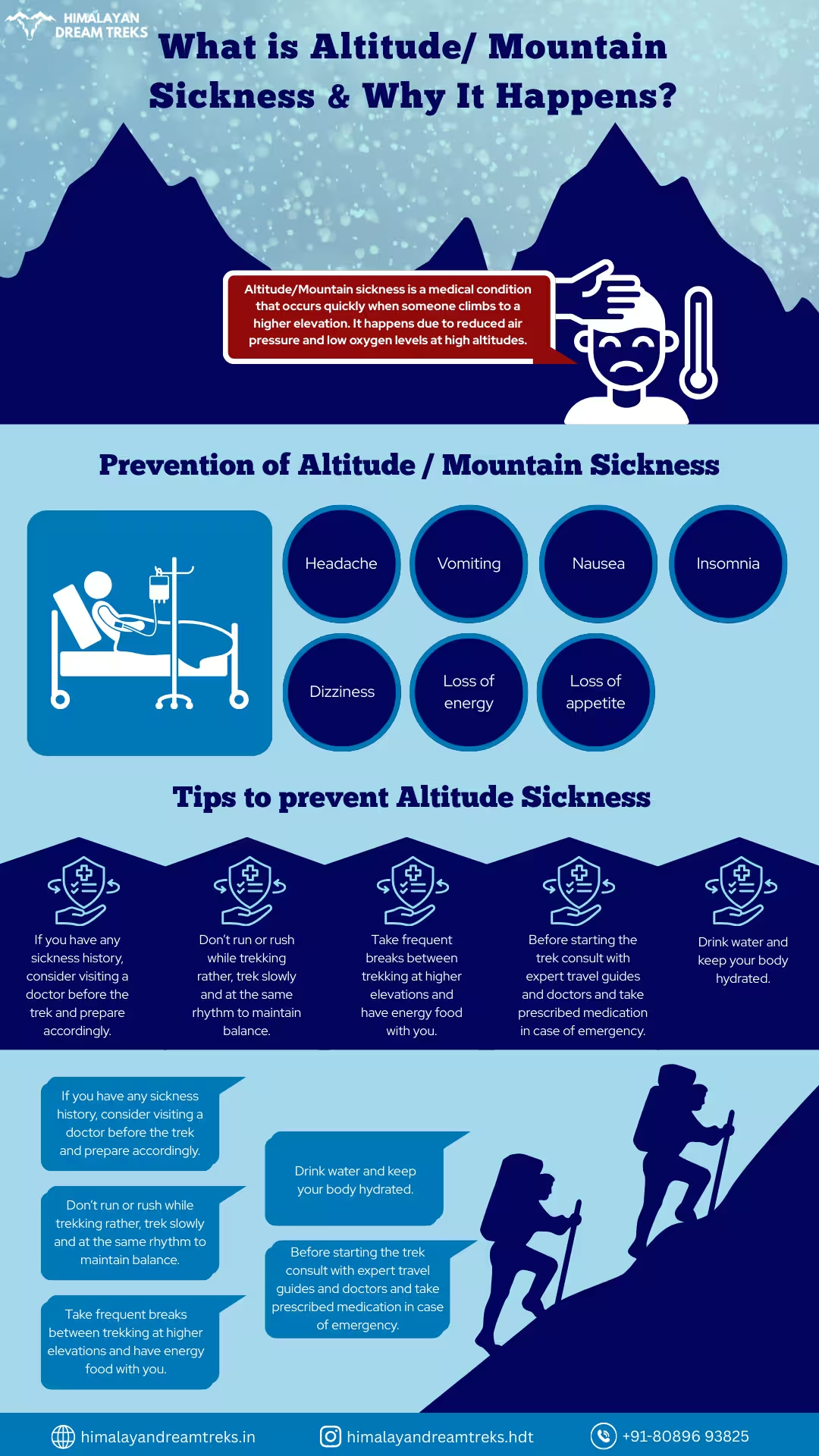
At sea level, the air we breathe has plenty of oxygen molecules, and the atmospheric pressure is high, forcing those molecules into our bloodstream efficiently. As you ascend, the proportion of oxygen in the air remains the same (21%), but the atmospheric pressure drops drastically. This drop means fewer oxygen molecules are pushed into your lungs and blood with each breath. Your body begins to starve for oxygen, and that’s when AMS symptoms appear.
The body’s natural response is to breathe faster and deeper, and eventually, to produce more red blood cells; a process called acclimatisation. AMS occurs when you ascend faster than your body can manage this adjustment.
The Stages of Altitude Sickness
AMS is often categorized into three levels, and recognizing the early stage is absolutely crucial for prevention.
1. Acute Mountain Sickness (AMS): The Warning Signal
This is the most common form, typically setting in 6 to 12 hours after reaching a high altitude.
- Symptoms: Persistent, throbbing headache (often the first sign), nausea (sometimes vomiting), dizziness, fatigue, and difficulty sleeping (insomnia).
- Action: Stop ascending. Rest, hydrate, and take mild painkillers. If symptoms worsen, descend immediately.
2. High Altitude Cerebral Edema (HACE): The Major Threat
HACE is a severe, life-threatening progression where the brain swells due to fluid leakage. It is rare but deadly.
- Symptoms: Extreme confusion, loss of coordination (cannot walk a straight line), behavioral changes, and hallucinations.
- Action: This is an EMERGENCY. Immediate descent is mandatory.
3. High Altitude Pulmonary Edema (HAPE): The Lung Danger
HAPE is a fluid build-up in the lungs, making breathing difficult.
- Symptoms: Severe breathlessness even at rest, persistent cough (sometimes with pink or bloody sputum), fever, and chest tightness.
- Action: This is also an EMERGENCY. Immediate descent is mandatory.
The key takeaway is this: A headache at high altitude is not just a headache; it is a clear sign that your body is struggling. Ignoring it is the biggest mistake you can make.

Strategic Acclimatisation with The Spiti Itinerary
The single most effective way to avoid AMS on your Spiti Valley trip is to follow a gradual, strategically planned itinerary.
Why the Shimla Route is Safer for AMS Prevention?
While the Manali-Kaza route is shorter (approximately 12-14 hours of driving), it involves a steep, rapid climb over Kunzum Pass (14,931 ft/4,551m) within a single day or two. This sharp ascent over high passes causes AMS for a vast majority of people.
The Shimla – Kinnaur – Kaza Route is recommended by Himalayan experts for superior acclimatisation. This route is longer (approximately 20+ hours of driving spread over several days) but offers a gentle, stair-step increase in altitude.
| Overnight Stop | Approximate Altitude | Acclimatisation Benefit |
| Shimla/Kalka (Starting Point) | 7,200 ft (2,200 m) | Base Level Start |
| Day 1: Rampur/Sarahan | 4,200 – 7,500 ft | First descent, then minor gain. Gentle introduction. |
| Day 2: Kalpa / Reckong Peo | 8,900 – 9,800 ft | Your first critical night above 8,000 ft. Sleep at this altitude. |
| Day 3: Tabo / Nako | 10,700 – 10,000 ft | Crossing into Spiti; the body is now adjusting to 10k ft. |
| Day 4: Kaza | 12,470 ft (3,800 m) | Final major altitude gain. You should spend at least 2 nights here before exploring higher villages. |
| Day 5: Kaza (Rest Day) | 12,470 ft | Essential rest day. Explore Key Monastery and Langza slowly. |
| Day 6: Kibber / Chicham | 13,800 – 14,000 ft | Highest point of the trip. Only visit after Kaza acclimatisation. |
The Critical Acclimatisation Rules
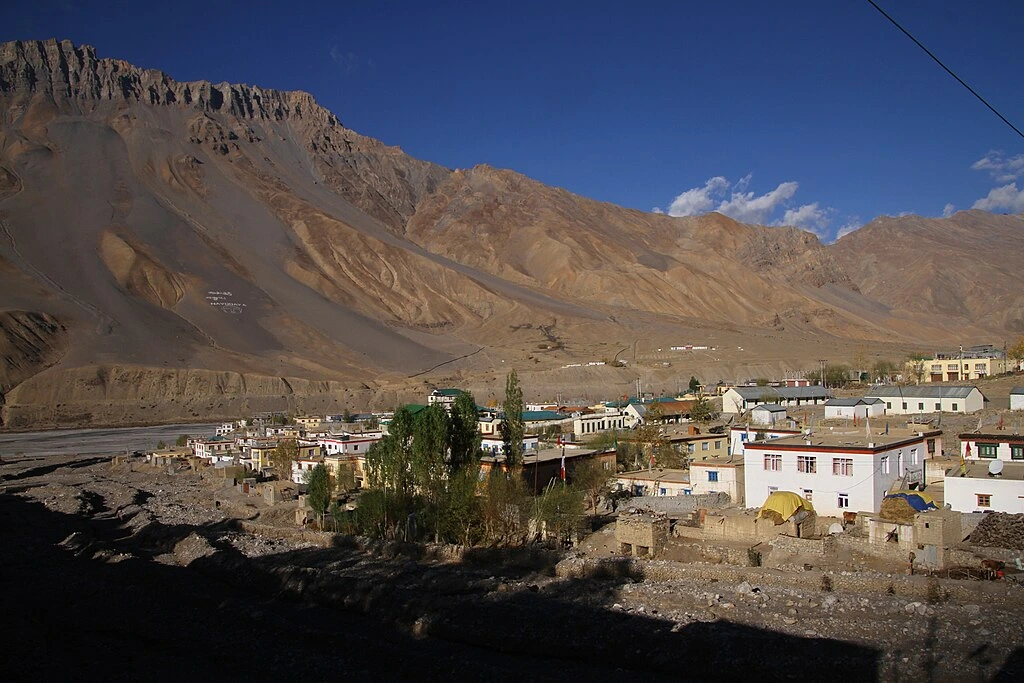
Following the itinerary is only half the battle. Your behavior at each stop is what truly determines your safety.
1. The 10,000 ft Threshold: Kalpa is Key
Your night spent at Kalpa (or Reckong Peo) is perhaps the most important night of the entire trip. If you feel fine after sleeping at this altitude (approx. 9,000 ft), your body is likely ready for Spiti. Any noticeable symptoms here should be a severe warning to slow down.
2. The Kaza Two-Night Rule
Never rush past Kaza. The jump from Tabo (10,700 ft) to Kaza (12,470 ft) is significant. You must spend a minimum of two nights in Kaza before you attempt to visit the highest villages like Komic, Hikkim, Langza, or Kibber. Kaza serves as your essential base camp for high-altitude exploration.
3. Climb High, Sleep Low
This is a mountaineering principle you can apply. On your rest day in Kaza (Day 5), you can take a light drive up to Key Monastery or Langza. However, ensure you descend back to Kaza to sleep. Sleeping at a slightly lower altitude than your highest daytime point significantly aids the acclimatization process.
Diamox and Medical Preparation
While acclimatization is the primary method, sometimes a pharmaceutical aid is needed. Diamox (Acetazolamide) is the most widely recommended medicine for AMS prevention.
Diamox: How It Works and When to Start?
Diamox is not a painkiller; it is a diuretic that forces your kidneys to excrete bicarbonate, making your blood more acidic. This metabolic change tricks your brain into believing it needs more oxygen, forcing you to breathe faster and deeper, which ultimately speeds up the body’s natural acclimatization process.
- When to Start: Consult your doctor, but the standard recommendation is to start taking Diamox 24 to 48 hours before you reach high altitude (before Kalpa/Tabo).
- Dosage: The typical prophylactic dosage is 125 mg twice a day (morning and evening).
- Duration: Continue the dosage until you are fully acclimated or begin your descent (usually 3-5 days).
- Side Effects: The most common side effect is a tingling sensation in the fingers, toes, or face (paresthesia). It may also increase urination. These are generally mild and harmless.
Crucial Advice: Never start Diamox after symptoms have become severe. It is a preventative medicine, and you must check for any allergies, especially to sulfa drugs, before taking it. Always carry your doctor’s prescription with you.
Essential Medical Checklist
- Ibuprofen/Paracetamol: For managing mild AMS headaches.
- Antiemetics: For nausea and vomiting (e.g., Ondansetron).
- Basic Supplies: Pain relief balms, antiseptic creams, and bandages.
- Pulse Oximeter: A small, portable device that measures the oxygen saturation level in your blood (SpO2). While at sea level, this should be 95% or higher. At Kaza, anything consistently above 80% is generally acceptable, but a sudden, severe drop should be noted as a warning sign.
The 5 Commandments of High-Altitude Travel
In addition to your itinerary and medication, your daily habits on the road are critically important. Treat the journey as an expedition, not a casual road trip.
Commandment 1: Hydrate, Hydrate, Hydrate (The Water Mandate)
This cannot be overstated. High altitude combined with the arid environment of Spiti Valley causes rapid dehydration.
- Drink 3 to 4 liters of water daily. Carry a reusable water bottle and refill it constantly.
- Avoid: Alcohol, smoking, and excessive caffeine. Alcohol and smoking depress your respiratory drive, slowing down acclimatization. Caffeine can dehydrate you and mask the early signs of a headache, leading you to ignore the crucial AMS warning sign.
Commandment 2: Restrict Physical Exertion
Upon arrival at any new, high-altitude location (like Tabo, Dhankar, or Kaza), the first few hours should be spent resting.
- Do not rush to unpack, explore, or trek immediately. Sit down, breathe deeply, and allow your body to adjust.
- When walking, adopt the slow, deliberate pace of the local Pahari people. Rushing short distances can drastically increase oxygen demand and trigger AMS.
Commandment 3: Eat Light, Eat Carbs
At high altitudes, the body uses more carbohydrates for energy than fats or proteins, and digestion slows down significantly.
- Focus on carbohydrates: Rice, bread, pasta, and the local staple momos and thukpa are excellent energy sources.
- Avoid: Very oily, spicy, or heavy meals, especially meat, right before bed. Digestion requires oxygen, which is already scarce.
Commandment 4: Dress Warmly and Sleep Well
The cold temperatures in Spiti force the body to expend energy just to maintain core heat, diverting resources away from the acclimatization process.
- Layer Up: Use thermal wear and windproof outerwear to stay warm, especially in the evenings when temperatures drop sharply.
- Sleep: Use warm blankets and avoid getting chilled. While many homestays provide a Bukhari (wood-fired stove) in the common area, ensure your own sleeping space is adequately insulated. A restless night is a common AMS symptom, but striving for good quality rest is essential.
Commandment 5: Know Your Limits and Listen to Your Body
This is the most personal rule. No one knows your body better than you do.
- If you feel breathless after walking a few steps, slow down.
- If your headache is not responding to Ibuprofen, it is AMS.
- Do not take medication to hide symptoms and keep climbing. That is the single most reckless action you can take. Your health is not worth the view from the top of the pass.
Recognizing the Red Flags: When to Descend
Knowing the signs of mild AMS is important, but knowing the signs that warrant immediate action is literally life-saving. If you or your travel companion exhibits any of the following “red flags,” immediate descent (even 1,000 to 2,000 feet) is the only treatment.
- Failure to coordinate (Ataxia): The inability to walk heel-to-toe in a straight line. If someone struggles to tie their shoes or zip their jacket, it is a critical warning for HACE.
- Confusion or Severe Behavioral Changes: Being confused about the time, location, or simple instructions. Slurred speech, aggression, or apathy.
- Breathlessness at Rest: Gasping for air when simply sitting or lying down, indicating HAPE.
- Coughing up Frothy, Pink Sputum: A definitive sign of HAPE; fluid has entered the lungs.
When these symptoms appear, do not wait for a full day. Do not wait for a doctor. The only effective cure for severe altitude sickness is to reach lower elevation where the air pressure is higher. This is why having a robust and capable vehicle and driver is necessary when exploring the remote areas of Spiti Valley.
Fitness and Preparation at Home
Getting fit before the Himachal Pradesh trip will increase your body’s oxygen efficiency and improve your tolerance.
- Aerobic Conditioning: Focus on activities that boost your cardiorespiratory fitness: running, cycling, swimming, or brisk walking. Start at least six to eight weeks before your trip.
- Breathing Exercises: Practice deep, diaphragmatic breathing exercises. This helps improve lung capacity and efficiency, skills you will rely on heavily at high altitude.
- Pre-Trip Health Check: If you have pre-existing conditions (e.g., high blood pressure, asthma, heart disease), a mandatory consultation with your physician is required before finalizing your Spiti trip.
The journey to Spiti is a marathon, not a sprint. Proper preparation ensures that when you stand on that towering mountain, you are focused on the celestial beauty above, not the throbbing pain in your head.
Conclusion: Slow is Smooth, Smooth is Safe
The Spiti Valley, from the ancient wisdom of Tabo Monastery to the high-altitude thrills of Kibber Village, are waiting for you. They demand respect, and in the mountains, respect means patience.
Opt for the Shimla-Kaza route for its gentler climb, prioritize hydration and rest, and let your body set the pace. Never rush, never ignore the headache, and never hesitate to descend if symptoms worsen.
The real adventure is not in conquering the altitude, but in allowing your body the time to peacefully coexist with it. Wish you a happy journey, and enjoy the land of the Gods.

Leave a Comment