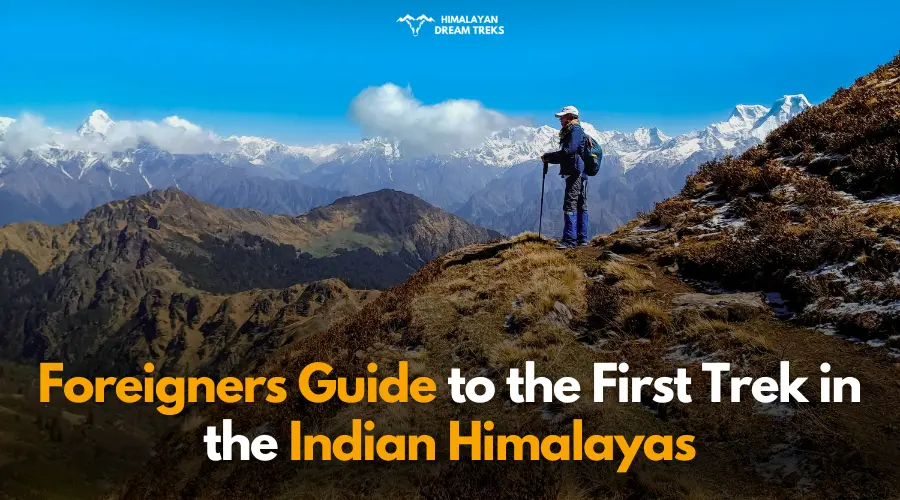
Stepping out of an Indian hill bus at your first mountain town, you can usually tell who is a first time trekker in the Indian Himalayas. They look fit, experienced and well travelled, but there is often a hint of surprise on their face. The hills feel bigger, the towns feel more chaotic, the rules are not written on signboards, and everyone seems to “know someone” who can arrange a trek. For a foreign national, this mix of raw mountains, living culture and loose looking systems can be magical, but it can also feel confusing and risky if you do not know what to expect.
This guide is for those first timers. It takes you through visa and travel insurance, permits, choosing the right Himalayan trek in India, staying healthy at altitude, respecting local culture and avoiding problems with things like satellite phones, certain GPS devices and drones that are simply not allowed here. The idea is simple: by the time you finish reading, your first Himalayan trekking in India plan should feel clear, safe and exciting, not like a lucky gamble.
Table of Contents
The Big Picture
The Indian Himalayas are different from the Alps, Rockies or even Nepal in three big ways. The trails are wilder and less marked, the cultural layer is stronger and more present in daily life, and the regulations around borders, communication devices and trekking permits are stricter than many visitors assume.
For a foreigner, this means a Himalayan trek in India is not just about picking a pretty trail. It is about entering a landscape where altitude, weather, bureaucracy and village customs all have their own rhythm. Respecting that rhythm is what keeps the trek safe and deeply rewarding.
Choosing Region, Trek And Season
For a first Himalayan trek in India, the most common regions are Uttarakhand, Himachal Pradesh, Ladakh and Sikkim. Each offers a different mix of altitude, infrastructure and culture.
Key Regions At A Glance
| Region | Typical altitude on beginner treks | Style and feel | Who it suits best |
| Uttarakhand treks | 2,500 to 4,000 m | Forest trails, meadows, village stays, temple towns | First timers, cultural travellers, winter snow lovers |
| Himachal Pradesh treks | 2,800 to 4,300 m | Mixed pine forests, high passes, road access to passes | Those who want variety and shorter travel from Delhi |
| Ladakh treks | 3,300 to 5,200 m | High altitude desert, monasteries, long remote valleys | Experienced trekkers or fit first timers with time to acclimatise |
| Sikkim and East | 2,400 to 4,500 m | Rain forests, big Kanchenjunga views, village routes | Trekkers who enjoy green landscapes and cloud forests |
A simple way to choose your first India trekking route is to combine three questions:
- How high can you safely go, given your experience with altitude?
- How many days you can spend in India, including acclimatisation in the Himalayas?
- Whether you prefer a cultural trek in India with homestays and temples, or a quieter camping style route?
Most first time foreign trekkers do well on moderate trails like Gaumukh Tapovan, Kedar Tal, Panch Kedar, Hampta Pass trek, Kuari Pass, Valley of Flowers or Markha Valley, rather than pushing straight into remote expeditions. These routes have more support, clearer itineraries and better emergency options.
Seasons And What They Mean
Season choice shapes your entire Himalaya trekking experience.
| Season (rough) | What you get | What to watch out for |
| April to June | Spring snow patches, long days, blooming forests | Meltwater streams, hot days in lower sections |
| July to early September | Lush greenery in some areas | Monsoon, landslides, leeches, many treks shut |
| Mid September to November | Clear skies, stable weather, best summit views | Cold nights, early snow at higher passes |
| December to February | Winter treks in India with snow and quiet trails | Very cold camps, shorter trekking days, route closures |
For a first Indian Himalayan trek for foreigners, late September to November or April to early June are usually the safest choices, depending on the region you pick.
Visas, Permits And Travel Insurance
Getting The Right Indian Visa
Most foreign trekkers enter on a tourist e visa for India, which is usually enough for popular non technical treks. If your plan involves technical climbing, border touching expeditions or very remote routes, your operator may advise a special mountaineering visa and Indian Mountaineering Foundation clearance.
Good practice for a first timer is simple:
- Apply for your India tourist visa several weeks in advance.
- Carry printed copies of your visa approval, not just digital versions.
- Make sure your passport has enough validity left beyond your travel dates.
Permits And Restricted Areas
Certain frontier zones in Ladakh, Himachal, Uttarakhand, Sikkim, Arunachal Pradesh and other border states are classified as Protected Areas or Inner Line Permit regions. Foreigners often need special permits, and some routes are off limits entirely.
A local, registered trek operator usually arranges:
- Area permits (ILP or PAP) based on your passport and visa details.
- Forest or national park permits for specific treks.
Ask clearly in advance whether your chosen Himalayan trek in India needs such permits and who is responsible for obtaining them.
Travel Insurance As Essential Paperwork
In the Indian Himalayas, travel insurance for trekking is not a luxury. It is how you protect yourself against expensive evacuation, hospital care and last minute cancellations. Many serious Himalayan trekking companies in India will not take foreign guests without valid insurance that names trekking at altitude as a covered activity.
Key points to look for:
- Altitude limit: the policy should cover the maximum height of your Himalayan trek, usually at least 4,000 to 5,000 metres.
- Activity wording: it should clearly include high altitude trekking, not exclude it as “mountaineering” or “expedition”.
- Evacuation cover: emergency rescue, helicopter or ground evacuation, and repatriation should be clearly included.
- Medical and cancellation: cover for hospitalisation, lost baggage, delayed flights and trip cancellation helps when mountain weather disrupts plans.
You should keep printed and digital copies of your India trekking insurance policy and share the details with your trek operator on day one.
Health, Acclimatisation And On‑Trail Realities
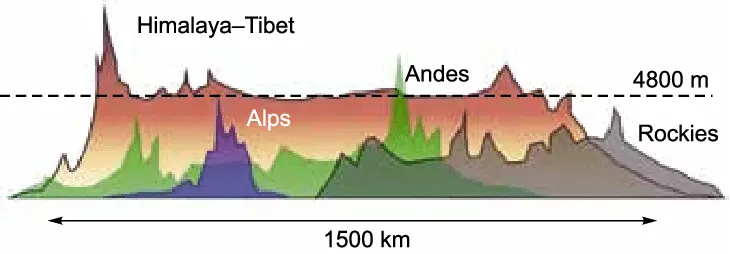
Altitude is the biggest difference many Europeans or Americans feel on a first trekking in Indian Himalayas. Simple numbers tell the story. Common European treks often hover below 3,000 metres. Many Indian routes cross 3,500 or 4,000 metres on the very first multi day experience.
Basic Acclimatisation Rules
A simple approach keeps most first timers safe:
- Once above 2,700 to 3,000 metres, sleep heights should not jump more than 400 to 600 metres per day if possible.
- For treks above 3,500 to 4,000 metres, plan one acclimatisation or rest day after every 1,000 metres of gain.
- Follow the classic “climb high, sleep low” principle whenever the route allows.
Common early signs of Acute Mountain Sickness include headache, loss of appetite, poor sleep and unusual fatigue. If symptoms worsen, the only reliable treatment is to descend and rest, not to “push through”. A good Himalayan trekking guide in India will know when a team member needs to go down.
Weather And Health In Real Conditions
On paper, a campsite at 3,000 metres may sound manageable to any fit trekker. On the ground in the Indian Himalayas, that same campsite can feel harsher than expected because of strong wind, sudden snowfall and rapid temperature swings.
Common health challenges and responses:
- Stomach upsets from new food or water: stick to boiled or filtered water, use hand sanitiser before meals, carry basic medication after checking with your doctor.
- Respiratory issues: cold, dry air and dust can aggravate existing conditions, so carry inhalers or medicines if prescribed.
- Blisters and minor injuries: good boots, liner socks, taping hot spots early and carrying a small personal blister kit prevent small issues becoming big ones.
If you have never trekked at altitude before, treat your first Himalayan trek as a slow, mindful trip rather than a race to a pass.
Electronics, GPS, Satellite Phones And Drones
One of the most surprising rules for foreigners is that satellite phones in India are banned for visitors. This is not a soft guideline. Indian embassies clearly state that bringing or using Thuraya, Iridium or similar satellite phones is illegal, and those found with such devices can face confiscation and penalties under Indian telecom laws.
What is banned and what is allowed?
You can think of it like this:
| Device type | Status for foreign trekkers in India |
| Satellite phone (Thuraya, Iridium etc.) | Banned. Do not pack or use. |
| Satellite messenger (InReach, SPOT) | Strongly discouraged; may be treated like satellite phones in practice. |
| Consumer drone for photography | Highly restricted, effectively off limits for foreign trekkers without special permits. |
| Smartphone with offline maps | Generally allowed and widely used. |
| Normal GPS watch or phone GPS | Allowed, provided it does not send satellite texts. |
The logic behind these restrictions is security. Satellite communication can bypass local networks and interfere with sensitive installations, especially in border regions. As a foreign trekker, the safest approach is to leave satellite based communication devices at home and rely on your operator’s communication systems.
With drones in the Indian Himalayas, rules are equally important. Civil aviation regulations strictly control where and how drones can be flown. Protected areas, border belts, national parks and many religious sites prohibit drone use, and permits are complex even for professionals. For a first time foreign trekker, carrying a drone for trail videos is almost never worth the legal risk.
Packing, Gear And Everyday Practicalities
Packing for Himalayan trekking in India is about balancing warmth, simplicity and respect for local conditions. International trekkers often bring heavy cotton clothes, city jackets and big suitcases, then discover that a smaller, layered system would have worked better.
Clothing And Gear Basics
A simple three layer system works for most trekking in Uttarakhand, Himachal or Sikkim.
- Base layer: moisture wicking thermal or synthetic inner that keeps you dry.
- Mid layer: fleece or light insulated jacket.
- Outer layer: windproof and waterproof shell for snow, rain and strong wind.
Good trekking shoes for Indian Himalayas, wool socks, gloves, a warm beanie and a sun hat make more difference than half the extra clothes many people carry. In late autumn and winter, a proper down or synthetic insulated jacket is essential, even on so-called “easy” trails.
Documents And Money
Simple paperwork habits make life easier on and off the trail:
- Passport, India visa printouts, permit copies and travel insurance details should be kept in a waterproof pouch, with digital backups in email or cloud storage.
- Carry extra passport photos, which can help with sudden permit requirements in hill towns.
- Keep some local cash for taxis, tips, snacks and emergencies, as card and digital payments are not reliable in remote villages.
Water, Food And Hygiene
The day to day routine of a Himalayan trek is simple but different from city life.
- Water: Use boiled, filtered or purified water. Many organised treks provide this in camp. Carry your own bottle and purification tablets as backup.
- Food: expect simple vegetarian Indian meals like rice, lentils, vegetables, chapati and occasional eggs. This diet is usually easier to digest at altitude.
- Toilets: In many camps, you will use dry pit toilets or simple toilet tents. Proper disposal of tissue and sanitary products is important to keep fragile alpine areas clean.
If you come from a very structured hiking culture, it helps to remember that things here can feel informal yet still be competent. Focus on the essentials rather than expecting a hotel-like experience in camp.
Safety, Guides, Scams And Local Decorum
Choosing the right people to trek with is as important as choosing the right route. A good Himalayan trekking company can turn a difficult week into a deeply meaningful journey. A careless operator can turn a beautiful valley into a stressful risk.
Picking A Safe Operator Or Guide
Before confirming your India trekking tour, check:
- Whether the company is registered, listed on the Indian Mountainerring Foundation, local tourism body and has a real office address or at least a consistent online and local presence. We at Himalayan Dream Treks are registered with IMF, Uttarakhand Tourism, ATOAI, and MSME.
- Itinerary details: realistic walking hours, acclimatisation days, maximum group size, backup plans for bad weather.
- Safety signs in reviews: people mentioning how the team handled altitude issues, injuries or storms, not just how “fun” the trek was.
Good operators are transparent about what is included, what is extra, and how refunds or date changes work. They do not pressure you to push on when weather or health suggests otherwise.
Common Money And Permit Tricks
Most people you meet in the mountains are honest and helpful, but like any tourist region, there are a few patterns that repeat.
- Last minute “permit problems” used to demand extra fees without clear receipts.
- Taxi drivers quoting very high prices to just arrived foreigners; checking government rate cards or asking your guesthouse for a sense of fair prices helps.
- Gear rentals that look cheap but are worn out or unsuitable for the route.
Simple habits protect you: agree prices in advance, ask for receipts, and do not be shy about politely saying no. If something feels wrong, talk to your trek organiser or guesthouse rather than accepting pressure on the spot.
Respecting Culture On The Trail
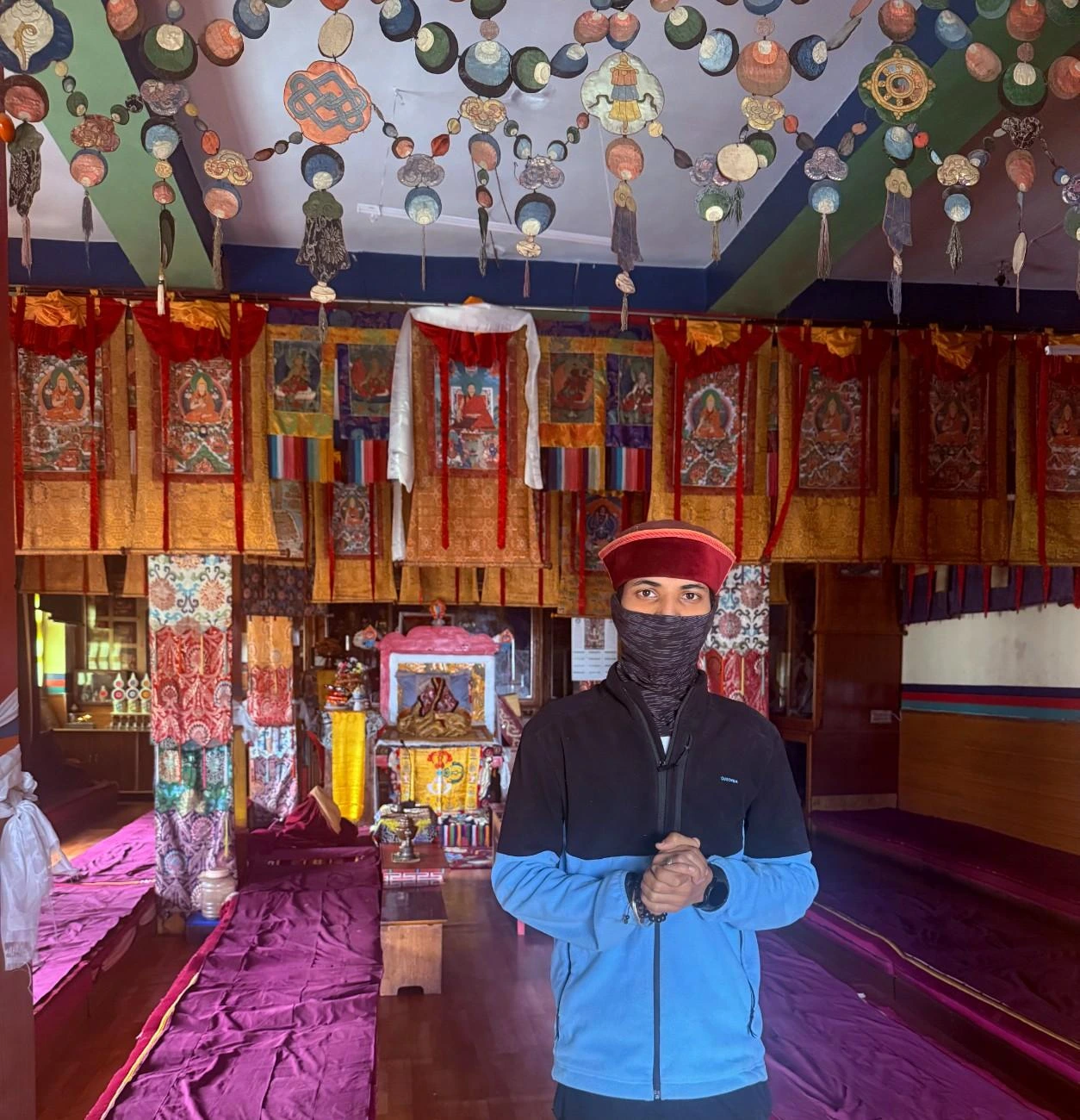
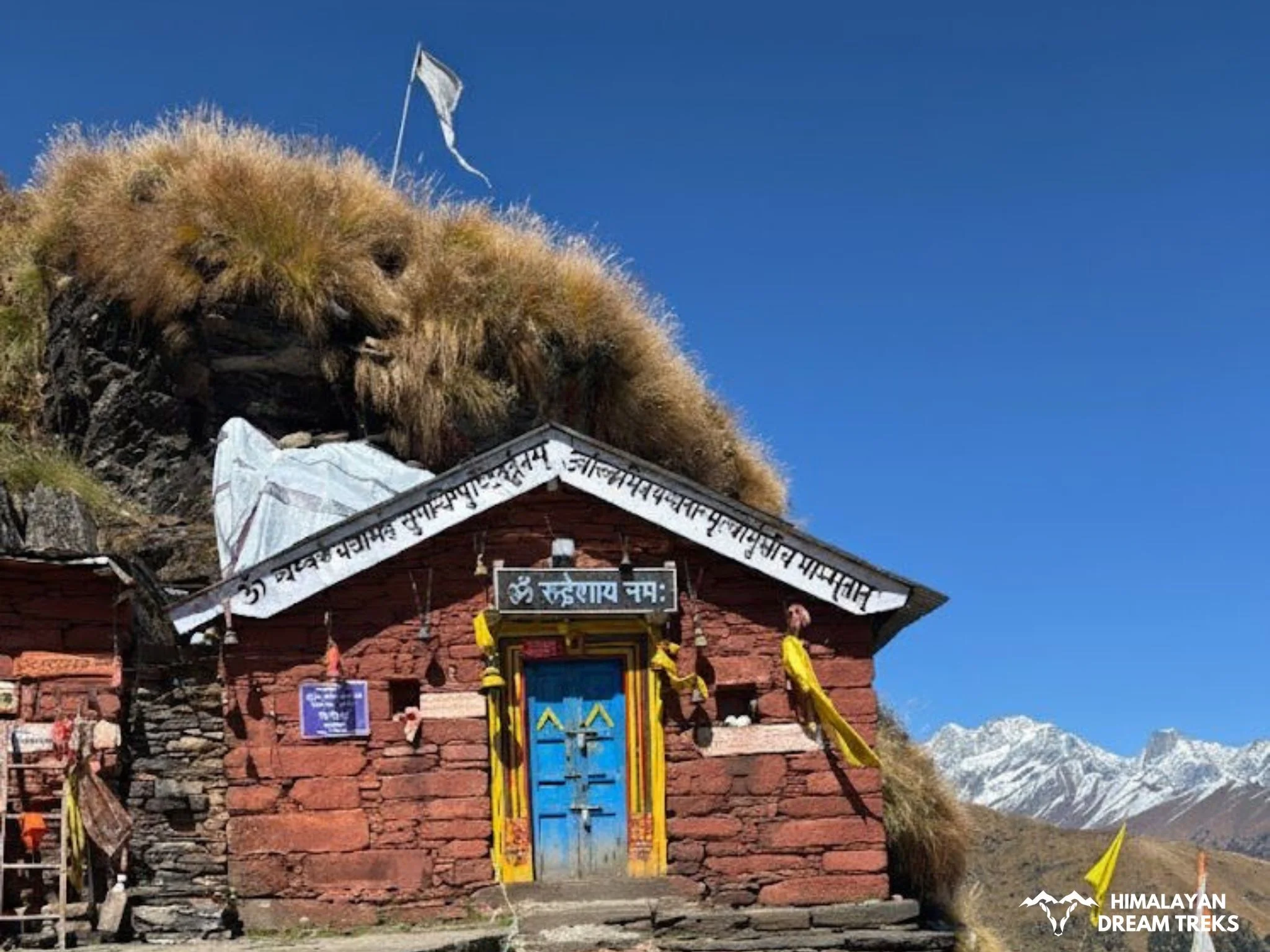
The Indian Himalayas are not empty wilderness. They are home to Hindu, Buddhist and local indigenous communities whose shrines, monasteries, village commons and grazing lands you pass through every day.
A few principles keep things smooth:
- Dress modestly in villages and at temples or monasteries. Shorts and tight tops can feel uncomfortable for locals even if nobody comments directly.
- Remove shoes where required, speak softly inside shrines, and ask before photographing people, pujas or prayer rooms.
- Public displays of affection that may feel normal in Western cities can attract attention in small hill settlements.
Treating your Himalayan trekking in India days as a visit to someone’s extended home, not just a playground, usually leads to warm invitations, shared tea and stories.
Money, Connectivity And Final Checklist
The last pieces of the puzzle are simple logistics that many first time foreign trekkers underestimate.
Money And Mobile Networks
In big Indian cities, card and digital payments have grown quickly. In small Himalayan towns, things are changing but slowly.
- ATMs exist in major bases like Rishikesh, Dehradun, Manali, Leh and Gangtok, but cash can run out on busy weekends or holidays.
- Some guesthouses and shops accept cards or UPI payments, but network coverage can fail for hours. Carry enough cash for your full trek and return buffer.
- Once you leave the roadhead, expect long stretches without mobile signals. Treat any connection you do get as a bonus, not a guarantee.
Final Pre Departure Checklist
A quick checklist for your first trek in the Indian Himalayas helps make everything above practical:
- India tourist visa approved and printed
- Trek permits or ILP/PAP confirmed with operator
- Travel insurance for trekking in Himalayas with altitude, evacuation and medical cover
- No satellite phone, satellite messenger or drone in your luggage
- Layered clothing, good trekking shoes, gloves, hat and sunglasses packed
- Personal medicines and basic first aid kit prepared
- Cash withdrawn for trek, taxi and extras in the mountains
- Trek operator vetted, emergency contacts shared at home and with the team
- 45-60 Ltr Bag Pack With Rain Cover & Comfortable Straps
- 20-30 Ltr Day Pack with Rain Cover
- Head Torch
- Waterproof Trekking Shoes
- Trek Pant
- 1-2 Trekking Pole
- Down Jacket
- 1 Poncho or Rain Coat
- Tiffin Box for Packed Lunches
- 1 Hydration Pack / Hot & Cold Water Bottle Like Borosil & Milton
- 45-60 Ltr Bag Pack With Rain Cover & Comfortable Straps
- 20-30 Ltr Day Pack with Rain Cover
- Head Torch
- Waterproof Trekking Shoes
- Trek Pant
- 1-2 Trekking Pole
- Down Jacket
- 1 Poncho or Rain Coat
- Tiffin Box for Packed Lunches
- 1 Hydration Pack / Hot & Cold Water Bottle Like Borosil & Milton
- 45-60 Ltr Bag Pack With Rain Cover & Comfortable Straps
- 20-30 Ltr Day Pack with Rain Cover
- Head Torch
- Waterproof Trekking Shoes
- Trek Pant
- 1-2 Trekking Pole
- Down Jacket
- 1 Poncho or Rain Coat
- Tiffin Box for Packed Lunches
- 1 Hydration Pack / Hot & Cold Water Bottle Like Borosil & Milton
- 45-60 Ltr Bag Pack With Rain Cover & Comfortable Straps
- 20-30 Ltr Day Pack with Rain Cover
- Head Torch
- Waterproof Trekking Shoes
- Trek Pant
- 1-2 Trekking Pole
- Down Jacket
- 1 Poncho or Rain Coat
- Tiffin Box for Packed Lunches
- 1 Hydration Pack / Hot & Cold Water Bottle Like Borosil & Milton
Once these boxes are ticked, your first Himalayan trekking in India experience becomes far less about worrying over rules and paperwork, and far more about what brought you here in the first place. Long valley walks where the air gets thinner and quieter. Temple bells at dusk in a small village. The way stars look from a cold campsite at 3,500 metres. With some planning, you get to enjoy all of this fully, while staying safe, legal and respectful in one of the most powerful mountain ranges on earth.

Leave a Comment