Overview
Have you ever looked at a giant mountain and thought, “I need to stand right there, on top of that”? If that feeling lives inside you, then the Kanamo Peak Trek is exactly what you have been searching for. This is not just another walk in the hills. This is an adventure into the heart of the great Spiti Valley in Kibber Wildlife Sanctuary. Kanamo Peak stands tall at an altitude of approximately 5,964 meters (nearly 19,600 feet).
Kanamo is known as a trekkable 6000m peak. This means you do not need special climbing skills or ropes and axes like a technical mountaineer. You need strong legs, a strong will, and a lot of heart. The name ‘Kanamo’ itself is beautiful, meaning ‘White Lady’ or ‘White Hostess’ in the local language. When you see her, especially early in the season with her crest dusted white with snow, you will understand why the locals gave her this name. She looks serene and grand, watching over the remote villages of Kibber and Tashi Gang.
You start your trek from the famous Kibber village, which is already high enough to take your breath away. From there, you climb higher and higher, crossing rocky paths and scree slopes, until you reach the summit. From the top, the reward is something you cannot put into words,a 360-degree view of the entire Himalayan range, stretching across Spiti, Kinnaur, and even into Ladakh.
Highlights of Kanamo Trek:
1. Summit View
First, the Summit View itself is the main attraction, of course. Standing on Kanamo Peak at almost 6,000 meters is an achievement few can claim. From this vantage point, you get a view that is simply massive. You can see numerous mighty peaks of the Great Himalayan range. On a clear day, you get panoramic views of the entire Spiti, Lahaul, and Kinnaur regions. You can spot massive, famous passes like the Pin Parvati Pass and the ancient trading route of Parang La. You might even catch a glimpse of the far-off mountains of Ladakh. This 360-degree vista is the ultimate reward for your hard work and the primary reason people push their limits to reach the top.
2. Spiti Valley
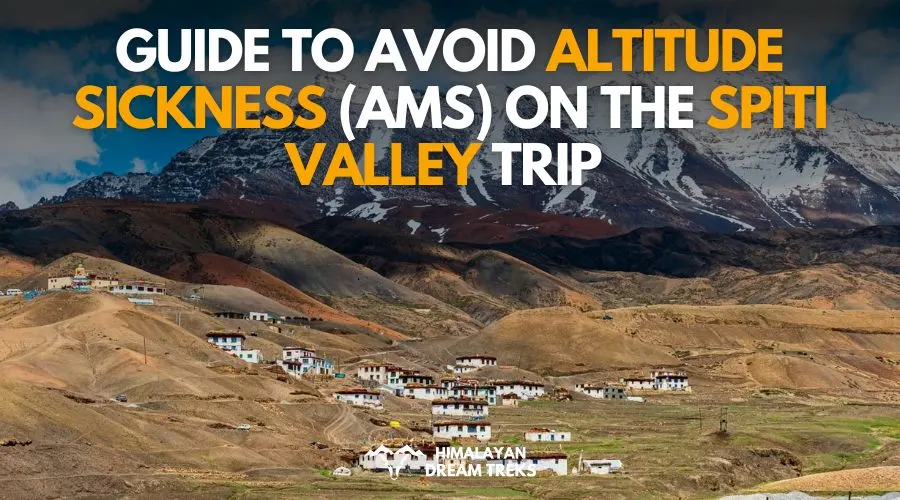
Second, the trek introduces you to the raw, unmatched beauty of the Spiti Valley’s high-altitude desert. This landscape is unlike anything you see in other parts of the Himalayas. You move through brown, arid mountains, which have hardly any trees, only sparse, tough vegetation. The mountains here are sculpted by wind and time, showing off incredible geological layers. The colors change throughout the day, from pale morning gold to deep sunset ochre. This stark, silent, and dramatic environment provides a sense of peace and isolation that is very hard to find anywhere else in the world.
3. Culture of Spiti
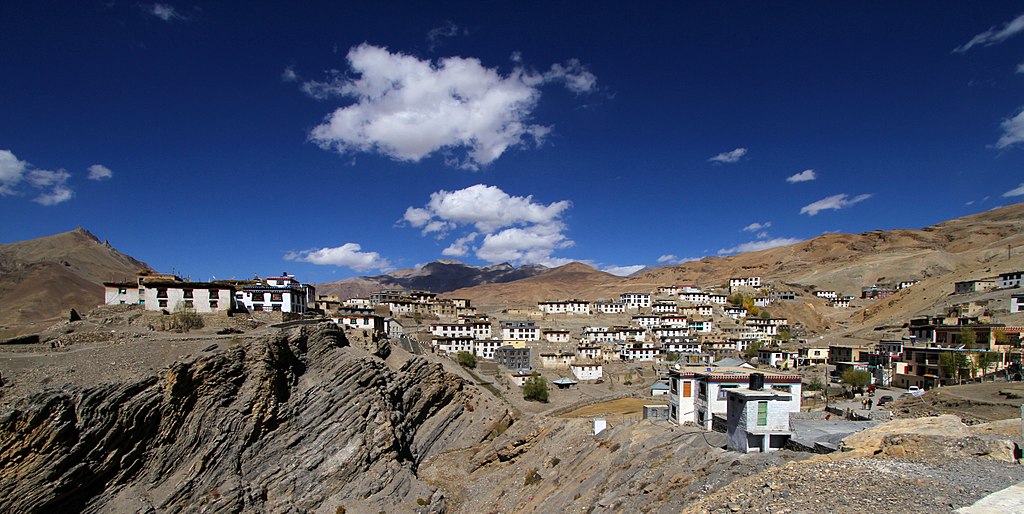
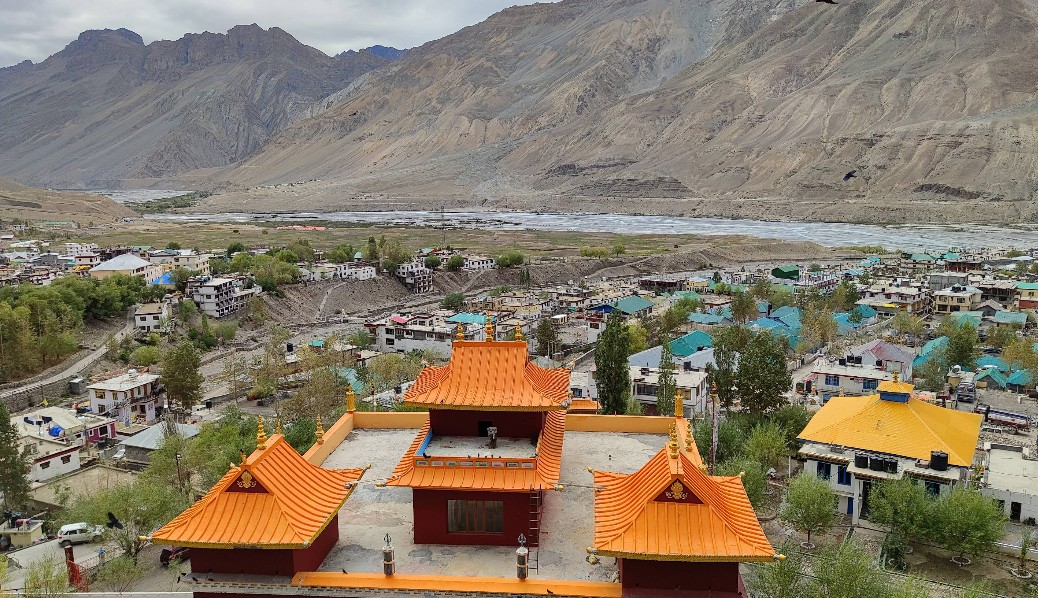
Third, cultural immersion is a huge highlight. The base camp for the trek is the historic Kibber Village. Kibber is considered one of the highest villages in the world with motorable road access. Staying here and in Kaza allows you to experience the traditional Spitian lifestyle. You will see whitewashed houses, fields of barley and peas that look like green carpets in a brown landscape, and interact with the warm, Buddhist locals. Nearby, the famous Key Monastery (Ki Gompa) sits perched on a hilltop, looking over the Spiti River, offering incredible views and a deep dive into Tibetan Buddhist history.
4. Stargazing Opportunity
Fourth, the stargazing opportunity at the Kanamo Base Camp is absolutely world-class. Since Spiti Valley has minimal light pollution due to its remote location and high altitude, the night sky here is a visual spectacle. Imagine lying in your tent and seeing the Milky Way galaxy clearly visible, stretching across the sky like a river of stars. For city dwellers, this experience alone is worth the long journey.
5. Wildlife Spotting in Kibber Wildlife Sanctuary
Finally, the chance to spot rare Himalayan wildlife is a thrill. Spiti Valley is famous for being home to the elusive Snow Leopard. While spotting one is rare, you are almost guaranteed to see Himalayan Ibex and Blue Sheep (Bharal) grazing on the steep slopes near Kibber and the Base Camp. Seeing these magnificent animals in their natural, harsh environment is a powerful reminder of nature’s resilience. These highlights combined make the Kanamo Peak Trek a truly complete and unforgettable adventure.
Kanamo Peak Trek Itinerary
Drive Distance: 190 km; 10-12 hrs
Altitude: 3,800m/12,500 ft
You start your journey from Manali, a popular tourist town. The day involves a long, challenging drive of approximately 10 to 12 hours to reach Kaza, the administrative center of Spiti Valley. You will cross the famous Atal Tunnel and Kunzum Pass.
The landscape dramatically changes from the lush greenery of Kullu to the stark, arid mountains of Spiti. This drive is long and tiring but offers some of the most dramatic views in the Himalayas. The key here is to leave early in the morning. Upon reaching Kaza, check into your guesthouse and rest.
This day is absolutely necessary. You should spend the entire day in Kaza, taking it easy and allowing your body to start adjusting to the high altitude. We recommend a short, easy walk to a nearby monastery or perhaps visiting the local market.
You can also visit nearby villages like Langza (known for its massive Buddha statue and marine fossils) or Hikkim (home to the world’s highest post office). Remember to keep yourself hydrated and avoid overexertion. Acclimatization is a slow process; patience is your best friend.
Drive Distance: 20 km, 1-2 hour
Altitude: 4,200m/14,000 ft
Today is a short drive of about 1 to 2 hours from Kaza to Kibber Village, the base village for the actual trek. Kibber is situated at an even higher altitude. Once you settle into your homestay or guesthouse, you must go for a short acclimatization walk. You should climb up a nearby small ridge for an hour or so, gain some altitude, and then walk back down. This practice of ‘climb high, sleep low’ is vital for your body’s preparation for the peak climb. Spend the evening talking to the locals and preparing your daypack for the trek tomorrow.
Trek distance & Time: 8 km, 5-7 hrs
Altitude: 4,800m/15,750 ft
The trekking starts today. The path from Kibber is a continuous, though gradual, ascent. The total trekking time is around 5 to 7 hours, covering a distance of about 7 to 8 kilometers. The trail takes you through rocky terrain and the unique high-altitude grasslands of Spiti.
You will pass by small alpine lakes, one of which supplies water to Kaza. Reaching the Kanamo Base Camp is a huge psychological victory. Once you reach the camp, have lunch, and then take a mandatory short walk around the base camp in the late afternoon. Resting is important, but a light walk helps with oxygen flow.
Altitude: 4,800m/15,750 ft
This is the second crucial rest day. Your body is now at a high altitude, and it needs time to stabilize before the massive summit push. On this day, the trek leaders will often take you for a practice hike towards a higher point, maybe gaining an extra 200–300 meters, and then descending back to the base camp for the night. This final acclimatization hike tests your gear and your body’s reaction to extreme height. Use this day to organize your summit gear, check your headlamps, and drink a lot of fluids, especially warm water.
Trek Distance: 12 km/ 11-12 hours
Altitude: 5,964m/19,553 ft
This is the big day. You will start very early, usually between 2:00 AM and 4:00 AM, depending on the weather and the group speed. Starting in the dark means you will reach the summit ridge right around sunrise, which is spectacular. The climb is extremely demanding. The path is a long, continuous ascent over scree slopes (loose, broken rocks) and patches of snow, especially in the early season.
The final stretch to the peak is very steep and challenging. It takes approximately 6 to 7 hours to reach the summit. Once there, spend a short time (maybe 30 minutes) taking in the views and capturing memories. The descent back to the Base Camp is faster but hard on the knees and takes around 3 to 4 hours. It is a long day, totaling 10 to 14 hours of continuous effort.
Trek Distance: 8 km/ 4-5 hours
Drive Distance: 190 km/ 8-9 hour
After the triumph of the summit, today is a relaxed day. You trek back down to Kibber village, which is a short and easy descent of about 2 to 3 hours.
From Kibber, depending on your total package duration, you either drive back to Kaza for an overnight stay or begin the long drive all the way back to Manali. This marks the successful completion of the Kanamo Peak Expedition.
If you head back to Manali, expect a very long drive. It is highly recommended to keep a buffer day in your overall plan.
Kanamo Peak Trek Package
Price Inclusion
Stay: Accommodation is included for all days of the trek. Tents will be provided on a triple-sharing basis. Single and double sharing available at extra cost.
Meals: All meals are provided from Day 1 dinner to Day 7 breakfast.
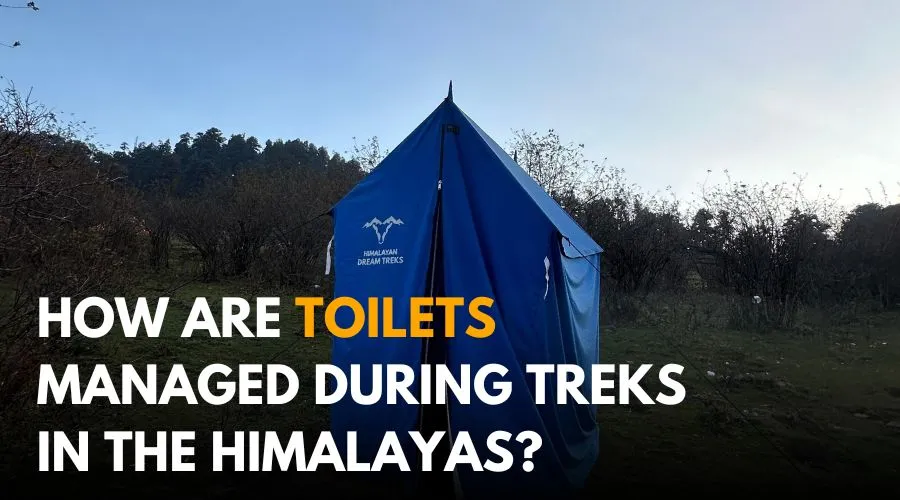
Trek Equipment: All essential trek equipment is included, such as sleeping bags, kitchen and dining tents, utensils, mattresses, personal tents, toilet tents, and crampons.
Forest Entry and Permits: All required fuel charges, tolls, forest entry fees, and permits are covered.
Trek Staff: A qualified, professional team, including a mountaineering-certified trek leader, guide, cook, and support staff, will accompany you.
Emergency Kit: First aid medical kits, oxygen cylinders, and stretchers are provided for safety.
Trek Certificate & HDT Badges: Receive a trek certificate and HDT badges to celebrate your adventure.
Price Exclusion
Meals during Transfer: Meals are not included while traveling to and from the trek starting points.
Emergency Evacuations: Any charges related to emergency evacuation are not included
Personal Expenses: Any meals or accommodations outside of the provided itinerary or additional services not listed in the inclusions.
Personal Luggage Carrying: Charges for mules or porters to offload personal luggage are not included in the package.
5% GST
Check the booking procedure, including details on booking deposits, payment terms, and the cancellation policy.
Best Time to Visit Kanamo Peak Trek
Choosing the right time for the Kanamo Peak Trek is essential for a successful summit. Since this trek is located deep within the high-altitude desert of Spiti Valley, it is cut off from the rest of the world for nearly six months of the year due to heavy snow blocking the passes like Rohtang and Kunzum.
The trekking window for Kanamo is short and specific, making it a seasonal trek. The best time to undertake this adventure is from Mid-June to the end of September.
June (Mid to Late): If you love snow and want a proper winter feel, late June is a good time. The mountain passes (Rohtang and Kunzum) typically open up around this time. You will find significant snow patches, especially on the summit day and sometimes even at the base camp. The daytime temperature is around 5°C cool and pleasant, but the night temperature can drop quite low, sometimes -10 to 0°C. This period is less crowded, but the trail conditions might be more challenging due to the melting snow and ice. You must carry proper gear, including gaiters and possibly crampons, if your trek leader advises.
July and August: These two months are generally considered the peak season and the best time to trek Kanamo. Why? Because Spiti Valley falls in a rain shadow area. This means that while the rest of India, including Manali and Kullu, experiences heavy monsoon rains, Spiti remains largely dry and sunny. The trails are usually clear of snow and ice, making the long summit push safer and quicker. The temperatures are moderate during the day (around 10°C to 15°C) and manageable at night (around -3°C to 2°C). The visibility for the summit view is usually excellent, and the valley floor starts to see a burst of small alpine flowers. This is when the weather is most stable, which is crucial for high-altitude treks.
September (Early to Mid): September is another fantastic month. The monsoon season has ended in the rest of India, and the skies in Spiti become incredibly clear. This clarity offers the best visibility for photography and for seeing the distant Himalayan peaks from the summit. The air is crisp and cool. Daytime temperatures are still comfortable, but the cold at night starts to bite a bit more. The number of trekkers often decreases after mid-September, offering a more peaceful trekking experience. It is important to avoid late September and October as early snowfall can happen, which makes the mountain very risky for non-technical climbers.
Times to Avoid: You must avoid the winter months from November to May. The roads are completely closed, the temperatures drop to extreme lows (easily -15°C to -25°C), and the entire region is buried under heavy snow. The trek is simply not possible during this period.
Difficulty Level of Kanamo Peak Trek
The Kanamo Peak Trek is classified as a Moderate to Difficult level trek. This is a crucial detail, especially for trekkers who may have successfully completed popular moderate treks like the ones in Uttarakhand or Sikkim. Kanamo is a definite step up.
The difficulty does not come from technical climbing, as the peak is non-technical, meaning you do not need specialized skills like ice climbing or using complex ropes. The challenge is entirely due to two major factors: High Altitude and Endurance Requirement.
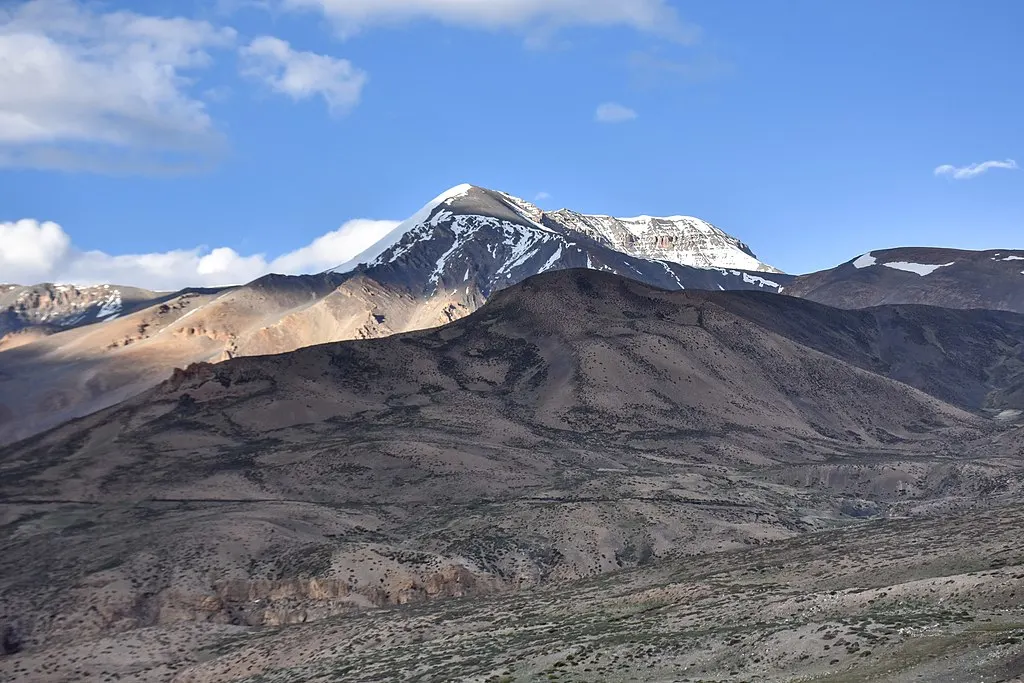
High Altitude Challenge: The peak reaches a height of nearly 6,000 meters (19,600 feet). Once you cross 15,000 feet, the air becomes significantly thin. The oxygen level drops dramatically. This is the biggest obstacle. Even if you are very fit, your body’s reaction to thin air is unpredictable. Acute Mountain Sickness (AMS) is a real risk, and you must take the acclimatization days seriously. The high altitude makes simple tasks feel tiring, and every step requires conscious effort. This height is what pushes the trek into the ‘difficult’ category.
Endurance and Summit Day: The summit day is extremely challenging and is where your true endurance is tested. You have to start very early in the dark and climb and descend about 1,200 meters (about 4,000 feet) in a single push, covering a distance of roughly 10 to 14 kilometers in 10 to 14 hours. This requires immense physical and mental stamina. The terrain on the final ascent is over scree and boulder slopes, loose, small, broken rocks that slip and roll under your feet. It feels like climbing two steps up and sliding one step down. This strenuous climb, often at a steep angle, is relentlessly tiring, especially with the reduced oxygen. If you have never done a 12-hour trekking day before, this can be overwhelming.
Terrain and Trail Conditions: The trail from Kibber to Base Camp is moderately difficult, involving continuous ascent. However, the final climb to the peak involves negotiating loose scree. If you go in June, you might face deep snow, requiring you to use gaiters and potentially micro-spikes. If you go later in the season, the lack of snow exposes more of the scree, which is difficult for footing. You must be prepared for a rocky, dry, and often windy path.
Who is this trek for? The Kanamo Peak Trek is not recommended for beginners. It is best suited for people who have:
- Completed at least two to three high-altitude treks previously (above 4,000 meters).
- Have experience walking on scree and snow.
- Are able to maintain a decent walking pace for 8 to 10 hours continuously.
If you respect the mountain, follow the guide’s instructions, and are well-prepared physically, the trek moves from ‘difficult’ to ‘challenging but rewarding’.
Physical Fitness Preparation for the Trek
Since the difficulty level of the Kanamo Peak Trek is high, your physical preparation needs to be serious and systematic. You cannot just decide to go one week before and expect your body to handle the demands of 6,000 meters. Ideally, you should start your fitness regime at least two to three months before the date of your trek.
The goal of your preparation should be to increase two things: Cardiovascular Endurance and Leg Strength.
1. Cardiovascular Endurance (The most important part): This helps your body manage the thin air at high altitudes. Your lungs and heart need to be working efficiently.
- Running/Jogging: This is the best activity. Aim to be able to run or jog 5 kilometers in 30 to 35 minutes comfortably without stopping. Start small, maybe 2 km, and gradually increase the distance and pace over the preparation period. Do this at least 5 times a week.
- Cycling/Swimming: If you cannot run due to knee issues, swimming or cycling for at least one hour is an excellent alternative to build lung capacity and stamina.
- Stair Climbing: This perfectly mimics the continuous steep ascent on a high-altitude trail. Climb up and down stairs for 30 to 45 minutes straight, carrying a small backpack (around 5 kg) to simulate trekking weight. If you have access to a stadium, use the stadium steps.
2. Leg Strength and Flexibility: Strong legs and core stability are essential for carrying your daypack and handling the steep scree slopes on summit day.
- Squats and Lunges: Do 3 to 4 sets of 15 to 20 repetitions daily. These are crucial for building the muscular endurance required for continuous climbing and controlled descending.
- Calf Raises: The lower leg muscles take a huge hit during trekking. Do standing calf raises to strengthen your calves and ankles.
- Planks and Core Exercises: A strong core helps you maintain balance on uneven ground and reduces strain on your lower back. Hold a plank position for at least 1 minute, 3 times a day.
- Hiking/Walking with Weight: On weekends, if possible, go for long walks (10 to 15 km) on natural terrain (hills or rough patches, if available) while carrying a backpack weighing 6 to 8 kg. This training is invaluable as it prepares your body for the actual trekking environment.
3. Mental Preparation and Hydration: Trekking for 12 hours on summit day is as much a mental challenge as a physical one. You must be mentally prepared for the long hours, the cold, and the exhaustion. Train your mind to keep going even when tired. Additionally, during your training phase, practice drinking water regularly and frequently. Hydration is key to success and avoiding AMS on the mountain. Focus on overall good health, a balanced diet, and quit smoking or drinking alcohol at least one month before your trek date. Your body will thank you for this commitment when you are pushing for the Kanamo summit.
Things to Carry [Backpack Essentials]
- Sleeping Bag
- Common Tent
- Mattress
- Dining Tent
- Camping Stool
- Walkie Talkie (For Team)
- Utensils
1. Clothing
- Base Layer (Thermals): 2 sets (Top & Bottom)
- T-shirt: 2 Quick-dry trekking T-shirt (+1 extra)
- Mid Layer: 1 Fleece Jacket + 1 Sweater
- Outer Layer: 1 Down Jacket (Heavy)
- Waterproof Shell: 1 Windproof and waterproof shell jacket
- Rain Gear: 1 Poncho or Raincoat
- Trekking Pants: 1 Insulated, quick-drying trek pant + 1 trouser (for camp)
- Warm Socks: 3 pairs
- Woolen socks 4 pair (for trekking) + 3 pair (for night)
- Gloves: 1 Waterproof & insulated gloves + 1 pair liners
- Headwear: 1 Warm Hat + 1 Scarf/Balaclava
- Sun Hat: 1
- Gaiters: 1 pair (Must-have) Microspikes: 1 pair (Must-have)
2. Footwear
- Trekking Boots: 1 pair (Sturdy, high-ankle, waterproof)
- Camp Shoes: 1 pair (Sandals/Slippers)
3. Backpack & Trekking Gear
- Rucksack: 1 (40–50 liters, with a waterproof cover)
- Daypack: 1 (For day-hike)
- Trekking Poles/Sticks: 1 pair
- Headlamp: 1–2 head torches (with extra batteries)
4. Health & Hygiene
- First-Aid Kit: 1 (Personal medications, painkillers, etc.)
- Toiletries: Biodegradable soap, mouthwash, wet wipes
- Sun Protection: Sunscreen
- Lip Balm: 1
- Snacks: Energy bars, dry fruits, chocolates (Must include)
5. Accessories
- Bottle/Bladder: 1
- Reusable Thermos: 1 (For hot beverages)
- Sunglasses: 1 (UV-protected and polarized)
- Camera (optional): 1
- Power Bank (optional): 1
How to Reach Kibber
The journey to the base camp for the Kanamo Peak Trek is an adventure in itself, taking you deep into the remote and secluded Spiti Valley. The final road head is the famous Kibber Village.
The entire journey is broken down into three main legs: reaching the nearest major hub, reaching Kaza, and finally reaching Kibber.
Leg 1: Reaching the Nearest Hubs (Delhi/Chandigarh to Manali/Shimla)
The Kanamo trek typically starts from either Manali or Shimla, as these are the two main gateways into the Spiti Valley.
- By Air (Nearest Airport): The nearest airport is Bhuntar Airport (Kullu), which is about 50 km from Manali. However, flights here are often unreliable due to weather conditions. A much better and more reliable option is to fly to Chandigarh International Airport (IXC). Chandigarh is well-connected to all major Indian cities. From Chandigarh, you can take an overnight Volvo bus or hire a taxi to Manali or Shimla.
- By Rail (Nearest Railway Station): The nearest major railway station is Chandigarh Railway Station or Kalka Railway Station. Kalka connects to the narrow-gauge railway to Shimla, which is a heritage ride, but for reaching Spiti, Chandigarh or Delhi are better starting points. Take an overnight train to Chandigarh, and then proceed by road.
- By Road (Recommended): The most common way to start is taking an overnight Volvo bus from Delhi to Manali. These buses are comfortable and run frequently, taking around 12 to 14 hours. Most trek packages start by picking you up in Manali early on Day 1.
Leg 2: The Drive to Kaza (The Spiti Gateway)
Once you are in Manali, the long, arduous, and scenic drive to Kaza (3,800m) begins.
- Route from Manali to Kaza: This is the most common and direct route for trekking groups. It is approximately 190 to 200 kilometers, but due to poor road conditions, it takes 10 to 12 hours. You cross Kunzum Pass (4,590m). This road is only open from June to October. You must leave Manali very early (around 5:00 AM) to avoid traffic jams near Rohtang.
- Route from Shimla to Kaza (via Kinnaur): This route is longer but better for gradual acclimatization. It takes multiple days, stopping at places like Sangla and Kalpa, before reaching Kaza. This route is often preferred in the early season when the Manali-Kaza road is still closed.
Leg 3: Reaching the Base Village (Kaza to Kibber)
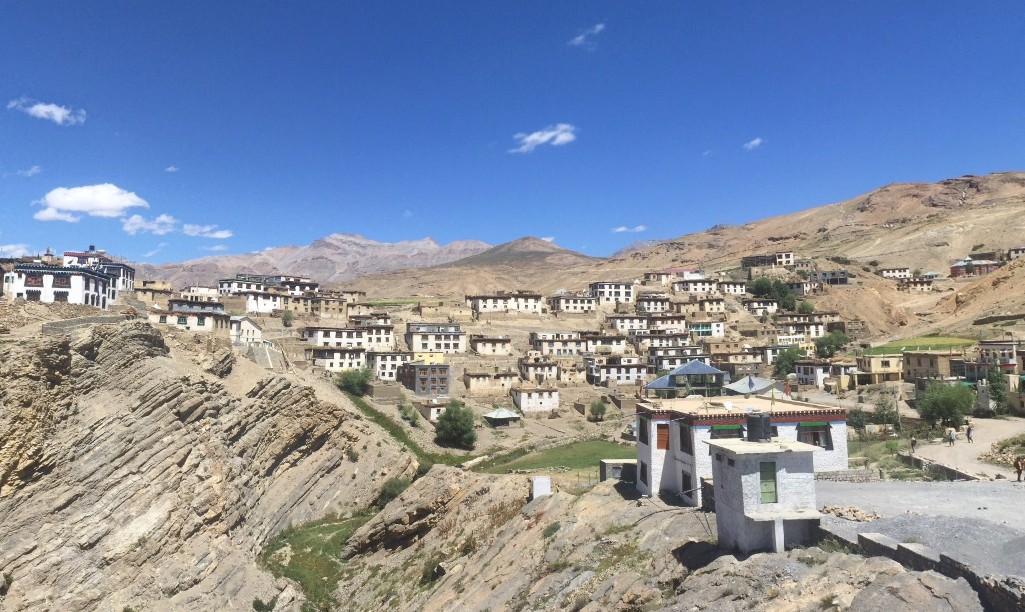
- Kaza to Kibber: Kibber is the road head and base village for the trek. It is only about 18 to 20 kilometers from Kaza. You can easily hire a local taxi or a shared cab from Kaza for this leg, which takes around an hour. The road is motorable right up to Kibber.
Final Trek Start: The actual walk begins from Kibber. After spending a day or two in Kaza and Kibber for mandatory acclimatization, you start your trek on foot from Kibber Village towards the Kanamo Base Camp (KBC). You will hike the first few kilometers, leaving the highest motorable road behind and stepping into the high-altitude desert path.
The nearest major railway stations are Haridwar and Rishikesh. From these stations, one can take a taxi or board a bus to Rudraprayag or Ukhimath. The road journey from Rishikesh to Chopta takes around 8 to 9 hours. Regular buses are available to Rudraprayag and limited services to Ukhimath. From Ukhimath, which is about 30 kilometers from Chopta, shared jeeps or private taxis can take you to the base.
If you’re planning to travel by car, it’s better to leave early in the morning and aim to reach Chopta by the afternoon. Ukhimath is the last town with ATM facilities and petrol pumps, so it’s a good place to stop and refuel or withdraw cash. Roads beyond Rudraprayag are narrow but manageable. It is wise to carry enough fuel, cash, and warm clothes.
From Rishikesh take a bus to Karanprayag and from there change buses for Tharali. Tharali is connected to Loahjung and local taxis are available. Alternatively, you can also reach Lohajung via Haldwani. From Haldwani, take a bus to Tharali and from Tharali take a taxi to Lohajung.
Special Casual Leave for Trek
Himalayan Dream Treks (HDT) is registered tour operator with the IMF, and we can cater to the needs of SCL for Government Employees. According to the rule, the government of India provides its employees with a prospect where they’re allowed to apply for a 30-day special casual leave in a calendar year to do trekking, hiking, or whatever adventure pleases them.
Mail us at info@himalayandreamtreks.in, if you want to avail SCL.
Flora and Fauna of Kibber Wildlife Sanctuary
Flora (Plant Life)
The general landscape of Spiti is marked by barren, rocky slopes, but if you look closely, you will find life clinging on fiercely.
- High-Altitude Shrubs and Grasses: Most of the visible plant life consists of low-lying, cushion-like shrubs and hardy grasses. These plants are built to withstand strong winds and freezing temperatures. They often grow close to the ground to retain warmth and moisture.
- Medicinal Herbs and Wildflowers: During the peak season of July and August, when the snow melts, the ground bursts into a short-lived display of colors. You will spot tiny, vibrant wildflowers, particularly near the Kanamo Base Camp and the alpine lakes. One of the most famous plants found in this region is the Brahma Kamal (Saussurea obvallata), which is revered as a sacred and medicinal flower. Finding these flowers in the rugged environment is a special treat.
- Barley and Peas: In the villages like Kibber and Kaza, you will see fields of barley and green peas cultivated by the locals. These fields appear as striking patches of emerald green against the backdrop of brown mountains, showing how human effort can coax life out of the desert.
Fauna (Animal Life)
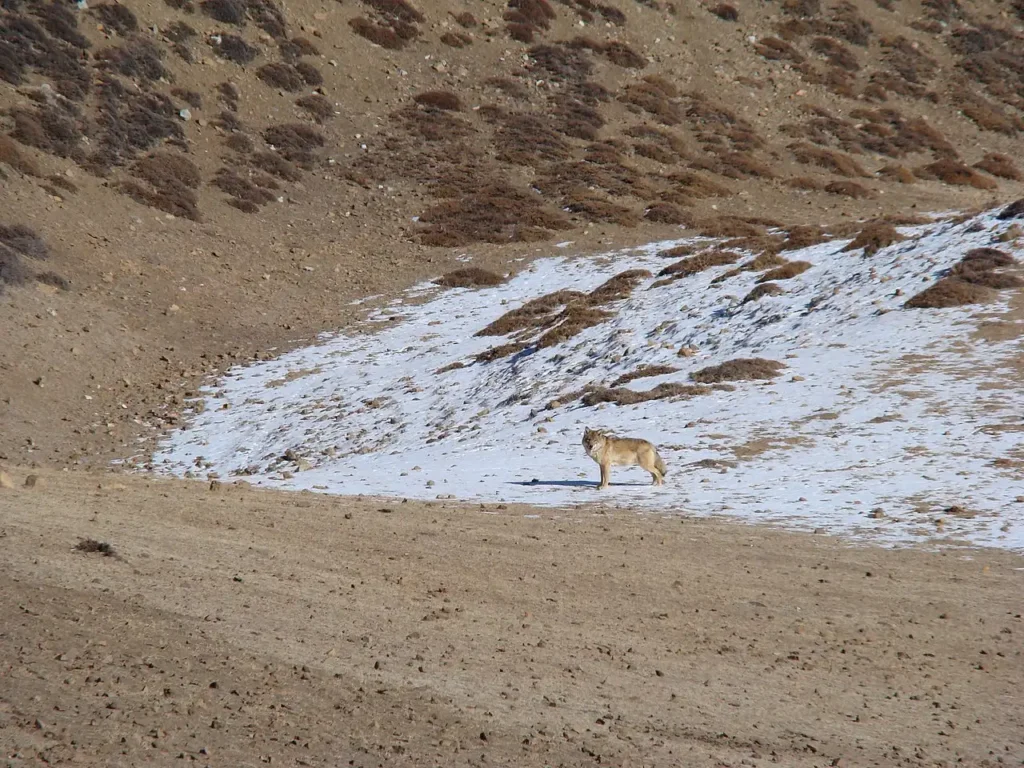
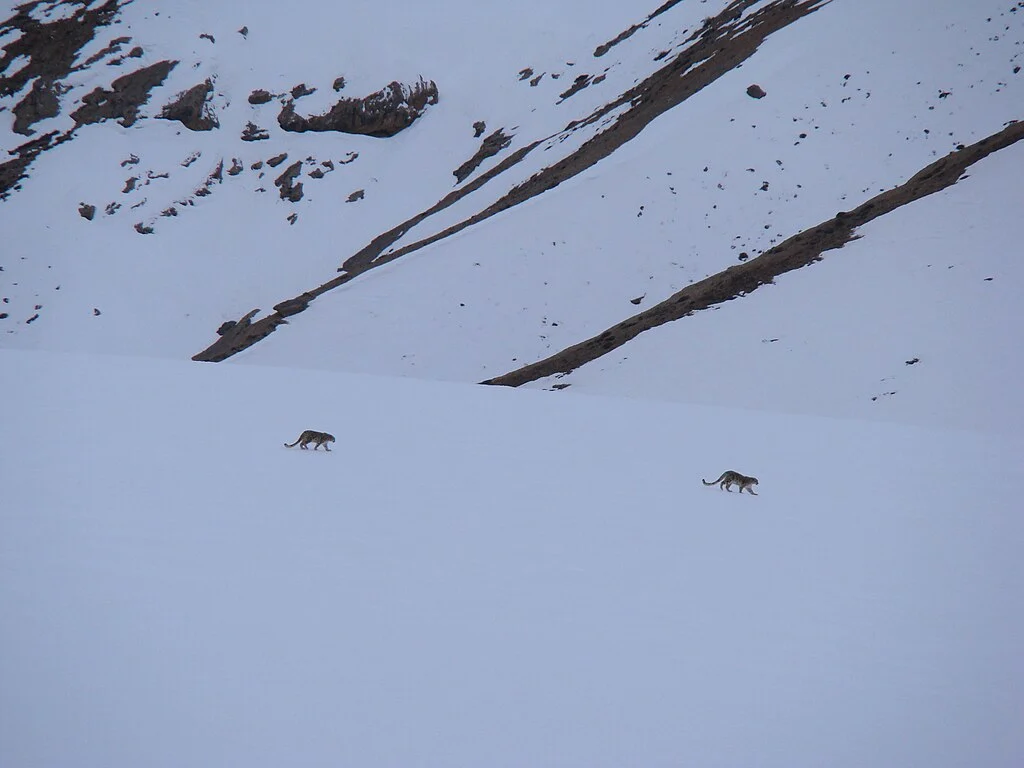
The cold desert is home to some of the rarest and most magnificent animals in the world, perfectly camouflaged in the terrain. Spotting these animals is a major attraction of the Spiti region.
- The Himalayan Ibex and Blue Sheep (Bharal): These two are the most common large mammals you will see, especially on the steep mountain slopes near Kibber and the Kanamo Base Camp. The Ibex has impressive, massive curved horns, while the Blue Sheep (Bharal) is actually a greyish-blue color and looks more like a goat than a sheep. They are excellent climbers and often graze in large herds. Your trek guide will usually point them out to you in the distant ridges.
- The Snow Leopard: Spiti Valley is one of the best habitats in the world for the Snow Leopard (known as Shan in the local Spitian language). While spotting one on the trek is rare and considered extremely lucky, their presence is a huge part of the region’s identity. They prey on the Ibex and Blue Sheep.
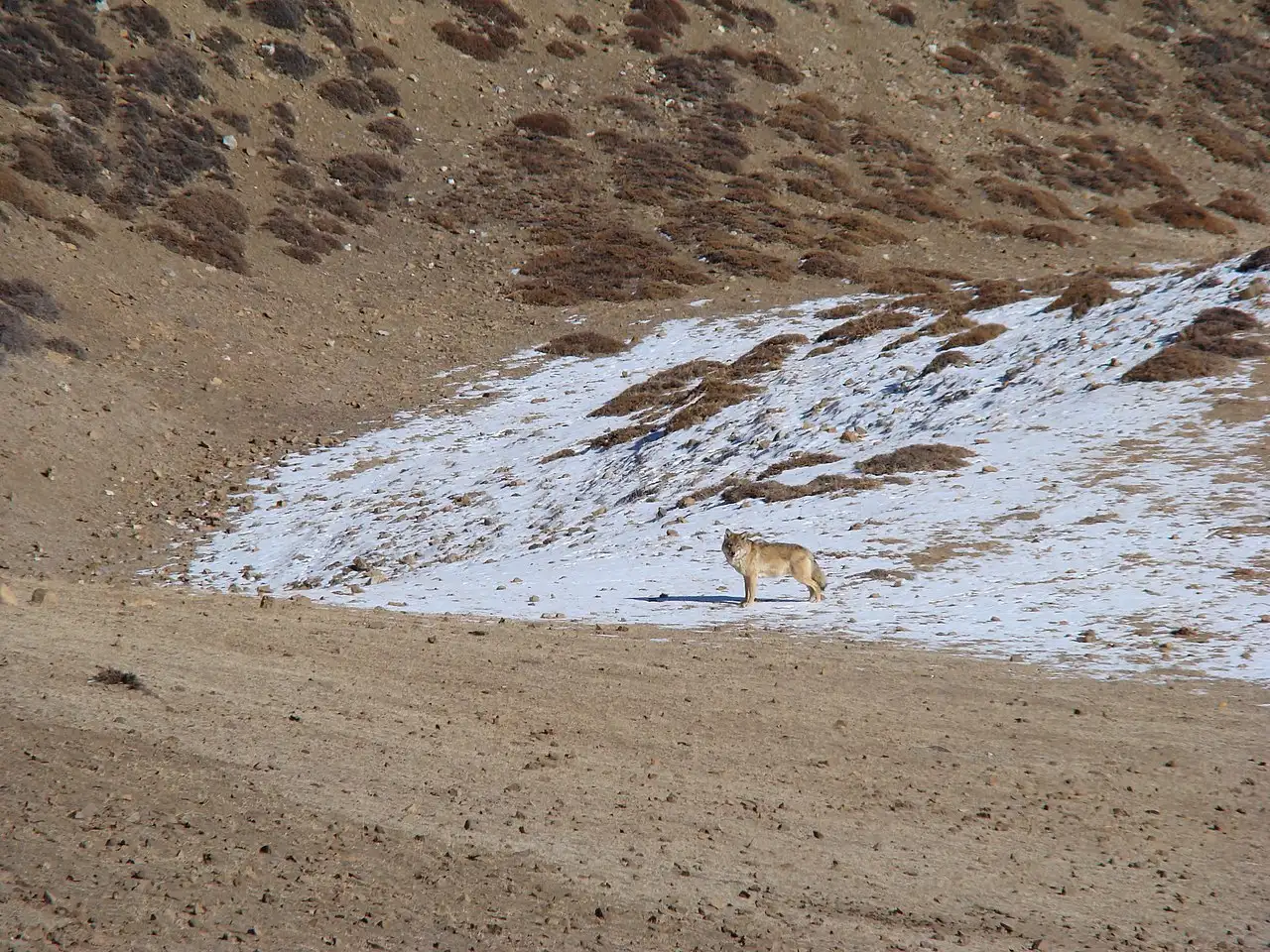
- Other Mammals: You might also spot smaller animals like the Himalayan Marmot (a large, playful squirrel-like rodent that whistles loudly), the Red Fox, and the Tibetan Wolf (also rare).
- Birds: The bird life is limited but specialized. Look out for the Himalayan Snowcock, Lammergeier (Bearded Vulture), and various species of finches and pigeons. The Lammergeier, with its massive wingspan, is a truly majestic sight soaring high above the peaks.
The Spiti region, including the areas around Kanamo, falls under the Kibber Wildlife Sanctuary, which is a protected area, emphasizing the importance of respecting the local ecosystem and not disturbing the wildlife. This unique blend of life thriving against all odds is a core part of the Kanamo experience.
Cultural and Historical Information
Buddhism and Monasteries: The culture of Spiti is almost entirely based on Tibetan Buddhism. The region’s history dates back over a thousand years, with strong spiritual connections to Tibet. This is why the valley is dotted with some of the world’s oldest and most revered monasteries, known as gompas.
- Key Monastery (Ki Gompa): This is the most famous landmark you will encounter. Built around the 11th century, it is a massive complex that once served as a fort. The monastery is a center for learning and a home to hundreds of monks. Visiting it gives you a sense of the immense spiritual devotion of the people here. The structure itself is a classic example of Pasada-style architecture, stacked like boxes one on top of the other, defying the steep hillside it is built upon.
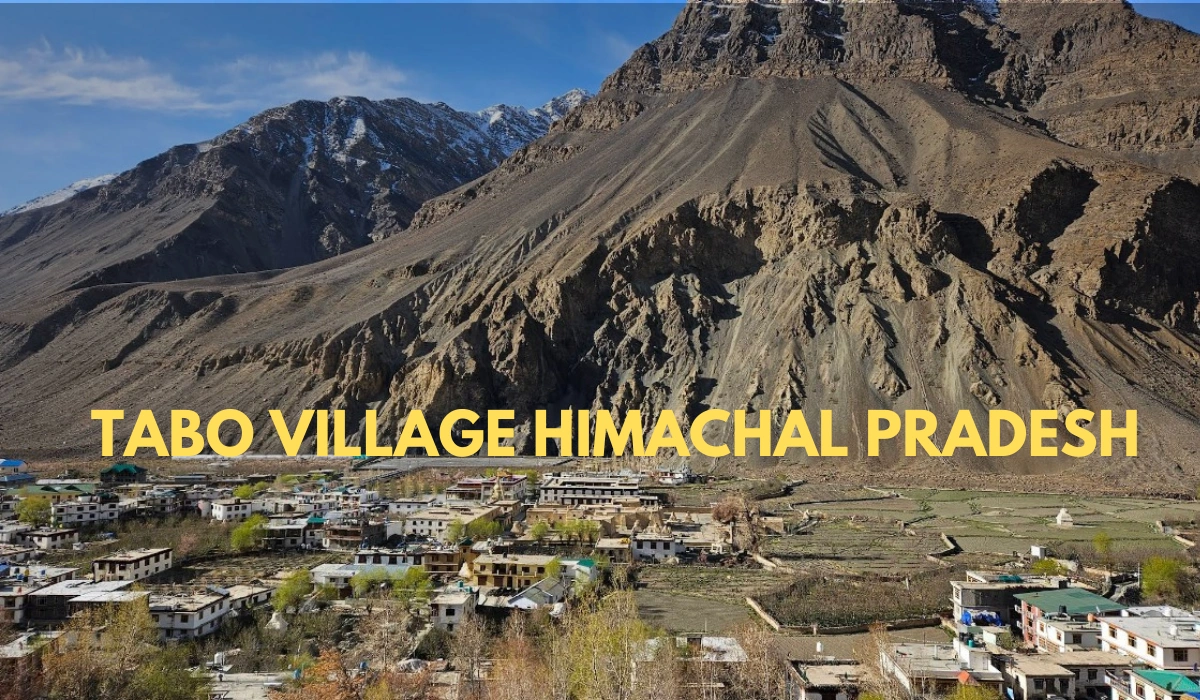
- Tabo Monastery: Although a bit further away, Tabo is a mandatory cultural stop. It was founded in 996 AD and is still active today. Unlike Key, which is built on a hill, Tabo is built on the valley floor. Its historical significance is unmatched because it houses ancient manuscripts and murals that have been preserved for a millennium in the dry Spitian climate, giving it the nickname ‘Ajanta of the Himalayas.’
Kibber: A Village of High Life: The base village, Kibber, sits at an altitude of about 4,200 meters. For a long time, it held the record as the highest permanently inhabited village in the world with a motorable road. The traditional houses here are unique. They are typically made of stone and mud, with thick walls to keep the harsh winter cold out. The roofs are flat, used both for sun-drying crops in the short summer and for collecting the precious snow in winter. Life here is tough, simple, and community-focused. The main occupations are agriculture (growing barley and peas in the short window) and yak/sheep herding. Interacting with the locals, often over a cup of traditional butter tea, gives you a profound insight into a lifestyle defined by survival and spirituality.
The Meaning of Kanamo: Locally, the peak itself, the ‘White Lady,’ is believed to be a guardian deity of the valley and its people. For the locals, Kanamo is not just a high mountain to be climbed; it is a sacred presence. Trekkers are usually asked to respect the mountain and its sanctity. This blend of adventure with spiritual reverence is something very unique to the Himalayan trekking experience. They believe the mountain ensures the well-being of the villages beneath its shadow.
The Geological History (Fossils): The history of Spiti is not just human; it is geological. When you visit places like Langza, you will find marine fossils, ancient sea creatures, shells, and fish, embedded in the rocks. This incredible fact confirms that what is now a high-altitude cold desert was once the Tethys Sea, millions of years ago. Walking on the scree slopes of Kanamo, where you might yourself find a small fossil, you are literally walking on the seabed of an ancient ocean, high up in the Himalayas. This vast, deep history adds another layer of wonder to the entire journey.
Nearby Attraction to Visit after the Trek
The Kanamo Peak Trek is part of the larger Spiti Valley circuit, which is full of historically significant and wonderfully beautiful places. You should plan to spend a few extra days exploring these nearby attractions, most of which are easily accessible from Kaza.
- Chandratal Lake (Moon Lake): A crescent-shaped, turquoise-blue lake located on the Samudra Tapu plateau, usually visited on the drive back from Kaza to Manali (via Kunzum Pass). It offers magnificent camping and stargazing opportunities.
- Key Monastery (Ki Gompa): One of the largest and oldest Tibetan Buddhist monasteries in the valley, perched dramatically on a hill.
- Langza Village: Famous for its massive golden Buddha statue that overlooks the valley and known as a fossil-hunting area.
- Hikkim Village: Home to the world’s highest post office, where you can mail a postcard back home.
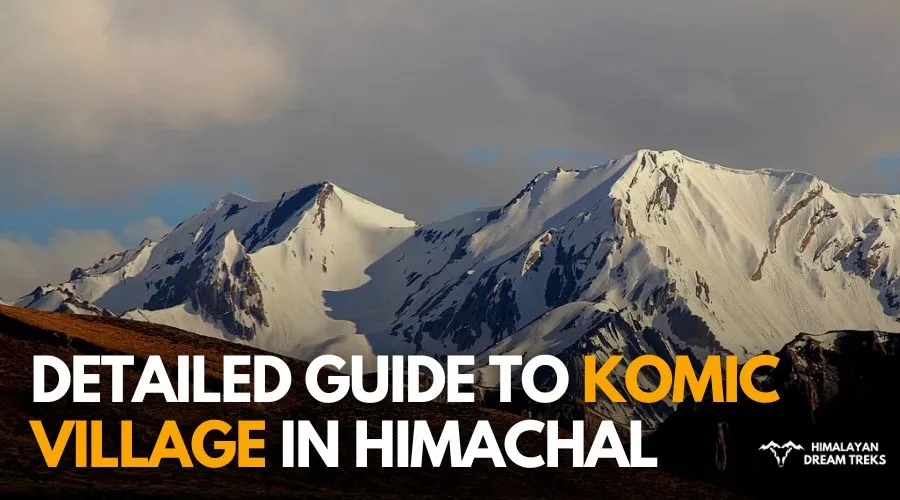
- Komic Village: Often cited as one of the world’s highest motorable villages, located near Hikkim.
- Chicham Bridge: One of Asia’s highest suspension bridges, connecting the villages of Kibber and Chicham, offering a thrilling view of the gorge below.
- Dhankar Monastery and Lake: An ancient fortress monastery dramatically situated on a cliff overlooking the confluence of the Spiti and Pin Rivers. The nearby lake requires a short, scenic trek.
- Tabo Monastery: Often called the ‘Ajanta of the Himalayas,’ it is over 1,000 years old and famous for its stunning mud-walled structures and ancient murals.
FAQs
The ideal trekking window is Mid-June to end of September. Late June has snowy trails and cooler temperatures, July-August offers clear paths and stable weather, and early September provides crisp air and excellent visibility. Avoid November to May due to heavy snow and extreme cold.
Kanamo Peak stands at approximately 5,964 meters (19,600 feet) above sea level.
The trek is moderate to difficult, suitable for those with basic fitness and some high-altitude experience.
July-August is peak season. Spiti Valley is largely dry and sunny, daytime temperatures range 10-15°C, and nights are -3°C to 2°C. Trails are clear, and summit visibility is excellent.



Leave a Comment