For decades, India’s highest dreams quite literally came with a price tag.
Before an Indian mountaineer could even lace their boots, they had to navigate layers of permissions, peak fees, camping charges, environmental levies and approvals split between multiple authorities. For many young climbers, especially those without institutional backing, the mountain wasn’t the hardest part; the system was.
On February 3, 2026, Uttarakhand changed that equation.
In a landmark move to boost adventure tourism and democratise mountaineering, the state government announced the opening of 83 major Himalayan peaks for expeditions while scrapping expedition-related permit fees for Indian climbers entirely.
Uttarakhand Chief Minister Pushkar Singh Dhami described the move as a historic initiative aimed at giving global recognition to the state’s adventure tourism potential.
“These peaks are celebrated not only for their technical difficulty but also for their breathtaking natural beauty and their symbolic representation of the grandeur of the Himalayas central to Uttarakhand’s identity, heritage and strength,” he said.
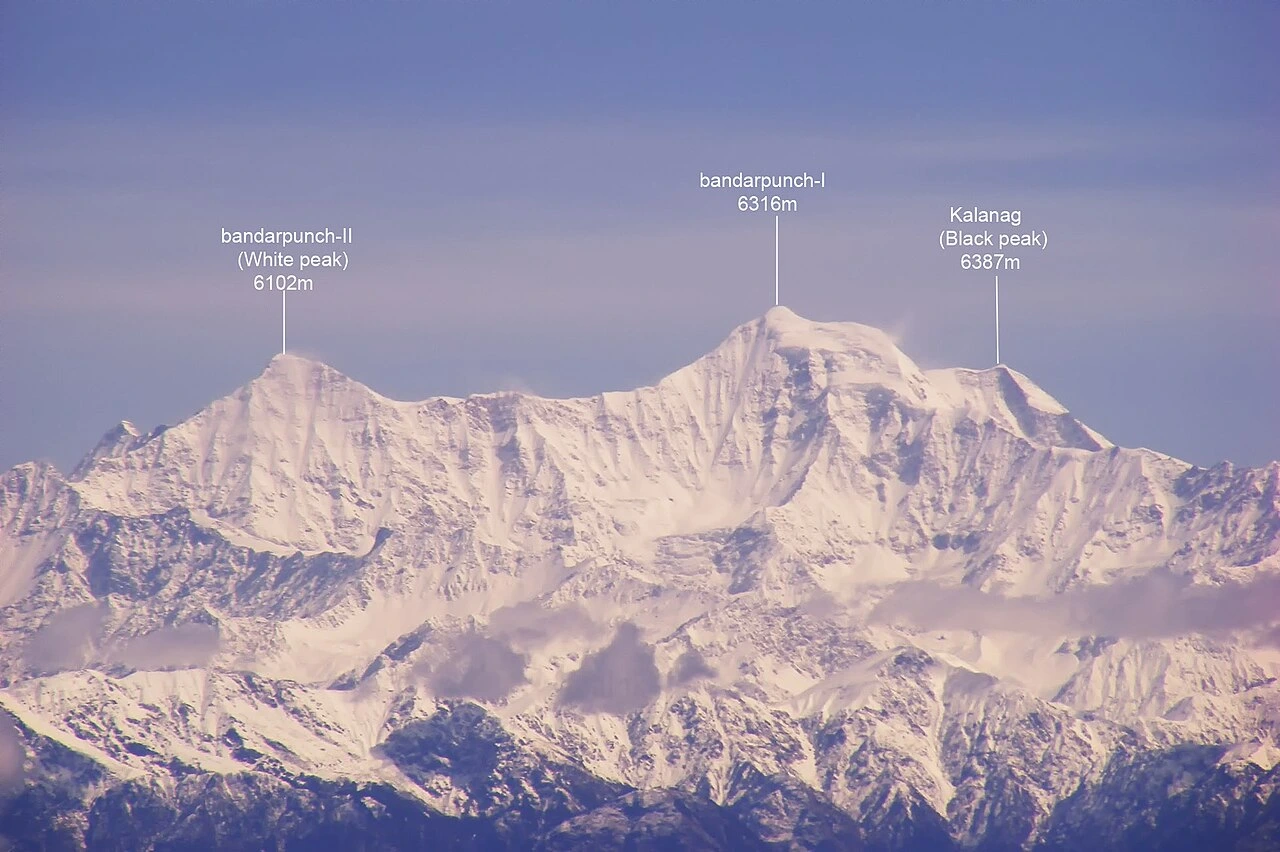
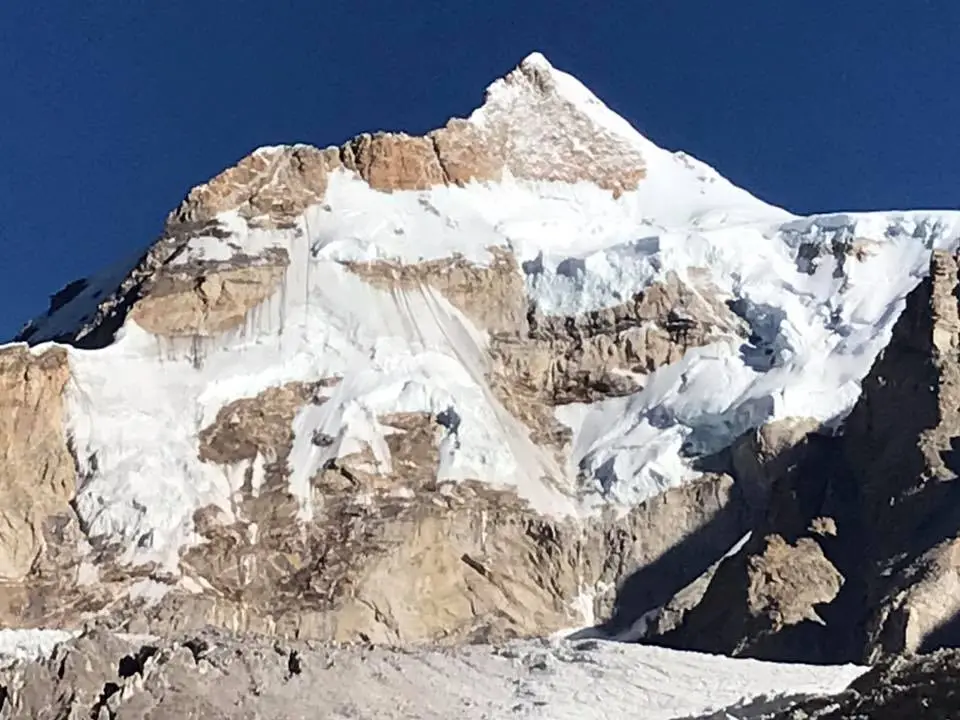
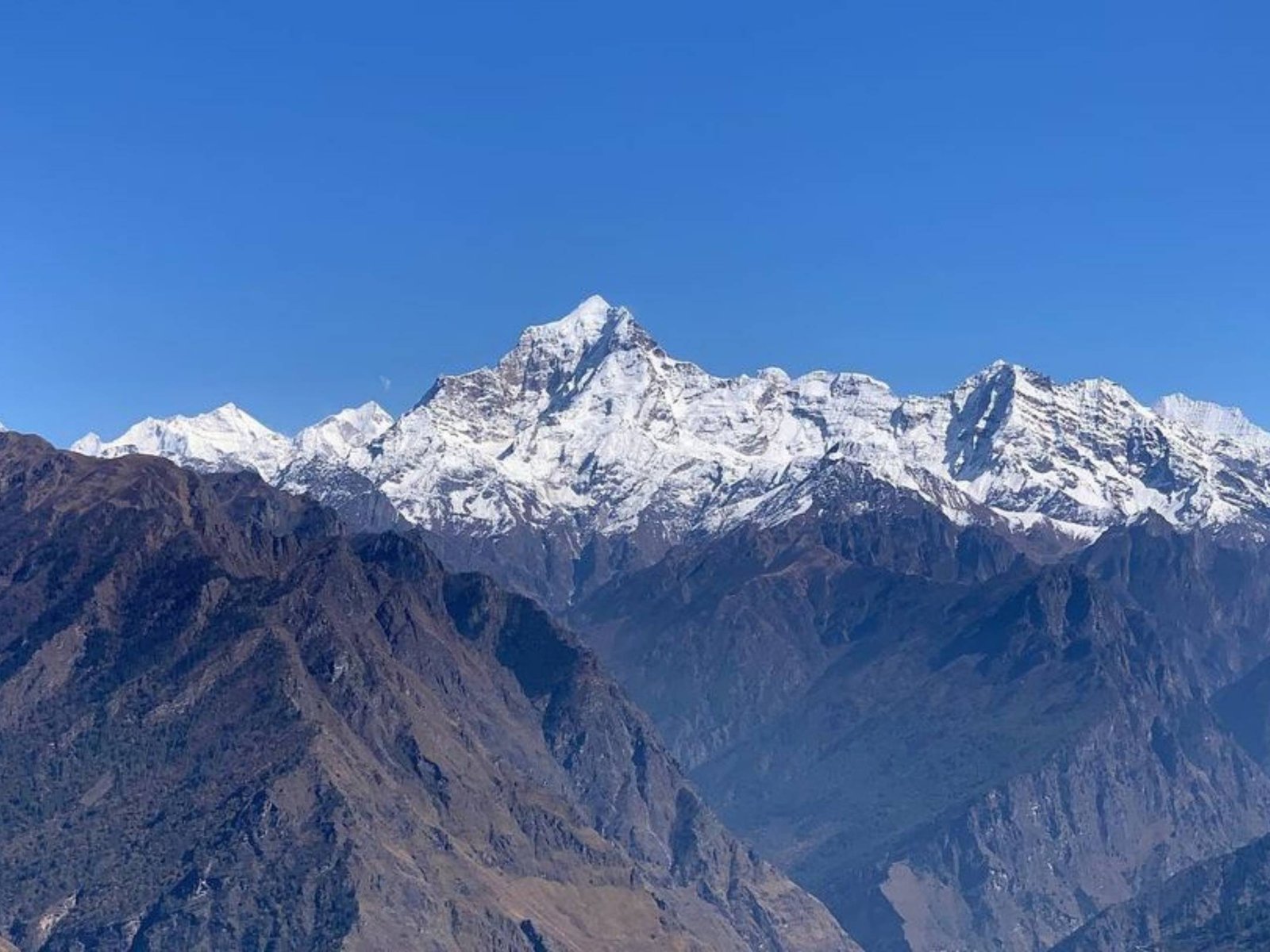
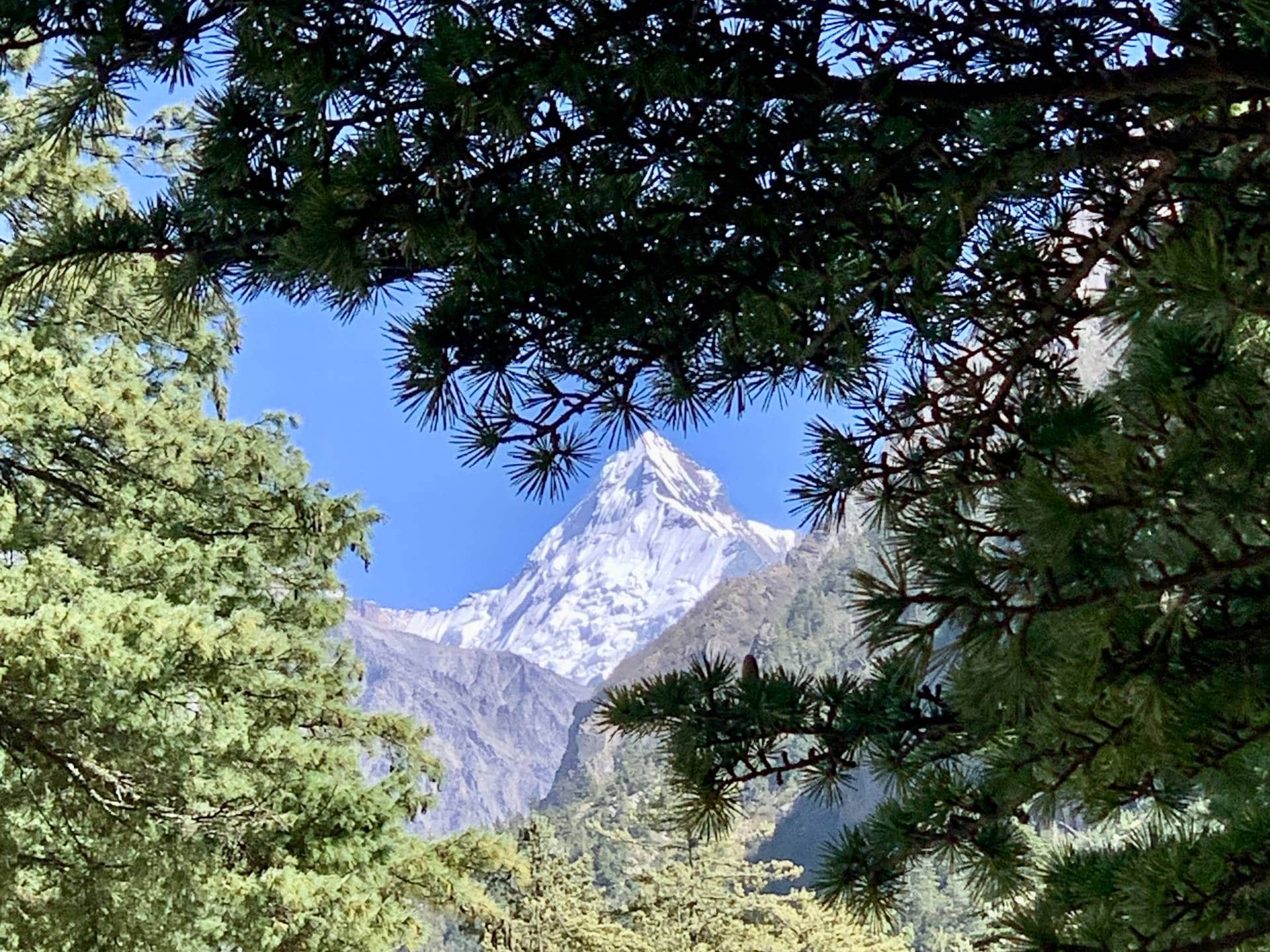
The newly opened peaks range from 5,700 metres to 7,756 metres and include some of the most iconic and technically challenging mountains in the world:
- Mount Kamet (7,756 m)
- Nanda Devi East
- Chaukhamba Group
- Trishul Group
- Shivling
- Satopanth
- Changabang
- Panchachuli Peaks
- Neelkanth
These are not “introductory” mountains.
They are the summits that define global mountaineering ambition.
What Exactly Has Changed?
For Indian Mountaineers: A Major Financial Barrier Is Gone
The Uttarakhand Tourism Development Council (UTDB) has waived off:
- Peak fees
- Camping fees
- Environmental fees
- Other expedition-related charges
Earlier, these fees were collected by the Indian Mountaineering Foundation (IMF) and the Forest Department. Under the new framework, the state government will bear these costs.
For young Indian climbers, many of whom self-fund expeditions, this change is transformational.
For Foreign Mountaineers: Simpler, Cleaner Rules
Uttarakhand has also removed additional state-level fees previously imposed on foreign climbers.
Now: Foreign mountaineers will only pay IMF-prescribed fees. No extra state charges for the 83 notified peaks
This brings alignment with international expedition norms, making Uttarakhand a far more attractive destination for global climbers and guided expeditions.
Why Does This Decision Matter?
At first glance, this looks like a tourism policy. In reality, it’s a structural reset for the Himalayan adventure.
1) From Elitist to Accessible
Historically, serious Himalayan expeditions in India were dominated by:
- Military teams
- Well-funded international groups
- Government-backed institutions
By removing cost barriers, the state is sending a clear message: Mountaineering is not a luxury sport. It is a national capability.
This could dramatically expand India’s base of trained climbers, instructors, rescue professionals and expedition leaders.
2) Employment for Mountain Communities
Every expedition creates a local economic ecosystem:
- High-altitude porters
- Local guides
- Cooks and logistics staff
- Transport providers
- Homestays and base-camp services
With more peaks open and lower entry barriers, consistent livelihood opportunities can emerge in remote Himalayan villages without industrial disruption. Balanced development, not extractive tourism, is the stated goal.
3. Conservation Through Regulation, Not Exclusion
Opening peaks does not mean opening them irresponsibly. The Uttarakhand government has made it clear:
- Strict safety protocols are mandatory
- Expeditions must follow the “Leave No Trace” principle
- Environmental compliance will be enforced rigorously
This approach reflects a global shift in mountain governance where regulated access often protects ecosystems better than blanket bans that push activity underground.
A Timely Push, Backed by the Union Budget
This state-level decision also aligns with a broader national vision.
The timing of Uttarakhand’s decision is particularly noteworthy, aligning with a broader national push to elevate India’s standing as an adventure destination.
In the Union Budget 2026–27, Finance Minister Nirmala Sitharaman announced the development of eco-friendly mountain trails across Uttarakhand, Himachal Pradesh, and Jammu & Kashmir, an initiative designed to help position India as a world-class trekking and hiking hub.
Together, these efforts suggest growing policy coherence, where infrastructure, accessibility, and sustainability are being approached not as isolated goals but as interconnected pillars of tourism strategy.
Looking Back: How We Reached Here
India has no shortage of mountains. What it lacked was systemic support. To fully appreciate the importance of this moment, it helps to look back.
Complex approval structures, layered fees, and inconsistent regulations historically slowed expedition planning and dampened international interest.
Meanwhile, countries such as Nepal streamlined processes, invested heavily in guide training, and built strong global reputations despite having fewer accessible peaks. Uttarakhand’s move suggests that India is ready to close that gap not by imitation, but by designing a framework suited to its scale and environmental sensitivities.
Looking Ahead: What the Future Could Look Like
Looking ahead, the long-term impact of this policy could be far-reaching. A wider base of Indian climbers may emerge, mountaineering institutes could see increased enrollment, and the country’s high-altitude rescue and safety capabilities may strengthen alongside the sport itself.
Tourism patterns could gradually shift from seasonal pilgrimage-heavy travel toward more diversified, year-round adventure activity. If executed with discipline and foresight, Uttarakhand has the potential to evolve into one of South Asia’s most influential mountaineering centers.
But success will depend on execution, permits processed efficiently, safety standards enforced uniformly and ecological limits respected strictly.
To conclude
By opening its highest peaks while removing financial barriers, Uttarakhand is doing something rare in governance, trusting its people with its most fragile assets, while setting clear rules for responsibility.
For countless young climbers who once saw these summits as financially out of reach, the path upward now appears clearer. And in that quiet shift lies the true power of this announcement: it does not merely open mountains, it expands the idea of who gets to climb them.


Leave a Comment