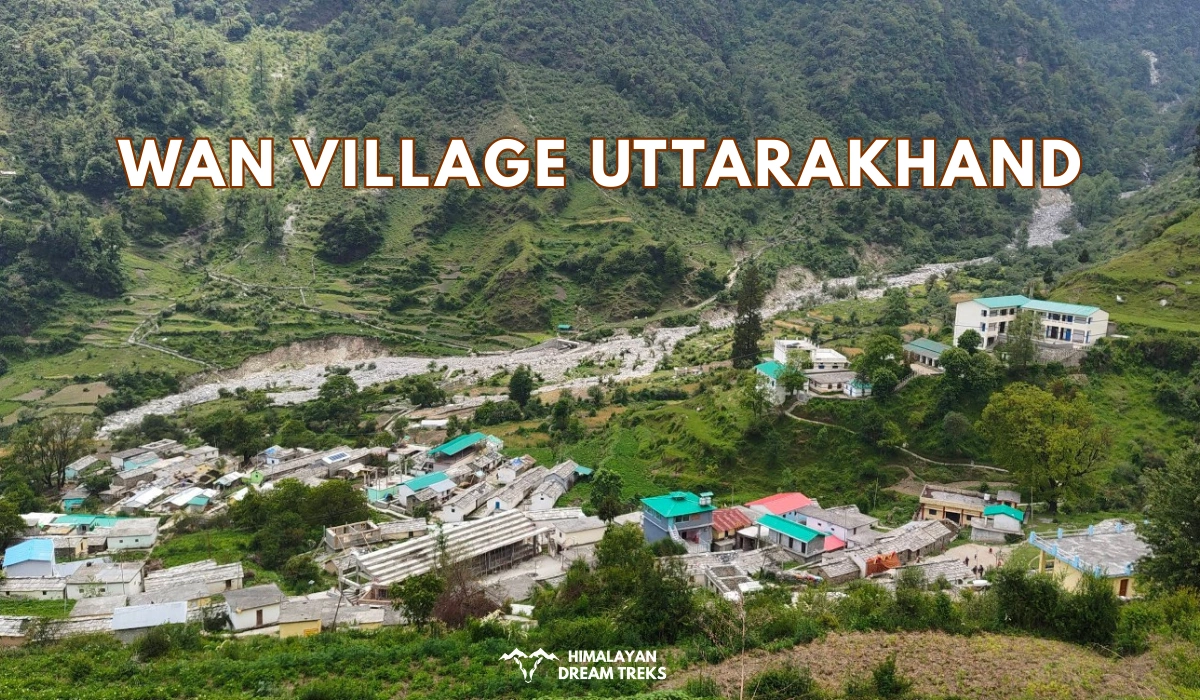
Hidden deep in the Garhwal Himalayas, Wan village Uttarakhand feels like a place where time slows down on purpose. Surrounded by dense forests, alpine meadows, and high Himalayan peaks, this small village quietly connects travelers to some of the most beautiful landscapes in Garhwal. Unlike crowded hill stations, Wan does not try to impress you. It simply stays real.
Located at an altitude of around 2,400 meters, Wan serves as the base village for popular himalayan treks like Ali bedni bugyal and Roopkund. Yet, the village itself deserves attention, not just as a stopover but as a destination that reflects authentic mountain life. Simple homes, stone paths, and warm local smiles define its character better than any travel brochure ever could.
Where Is Wan Village Located?
Wan village is located in Chamoli district of Uttarakhand, in the Garhwal region of the Himalayas. It sits at an altitude of approximately 2,400 meters above sea level, surrounded by dense oak and rhododendron forests.
The village connects to Lohajung and Mundoli by road, making it accessible yet remote enough to stay untouched. Wan also acts as a natural entry point to high-altitude bugyals, which are vast alpine meadows unique to Uttarakhand.
Despite its trekking importance, Wan remains relatively untouched. The absence of commercial tourism keeps its landscape raw and its culture intact.
How to Reach Wan Village Uttarakhand
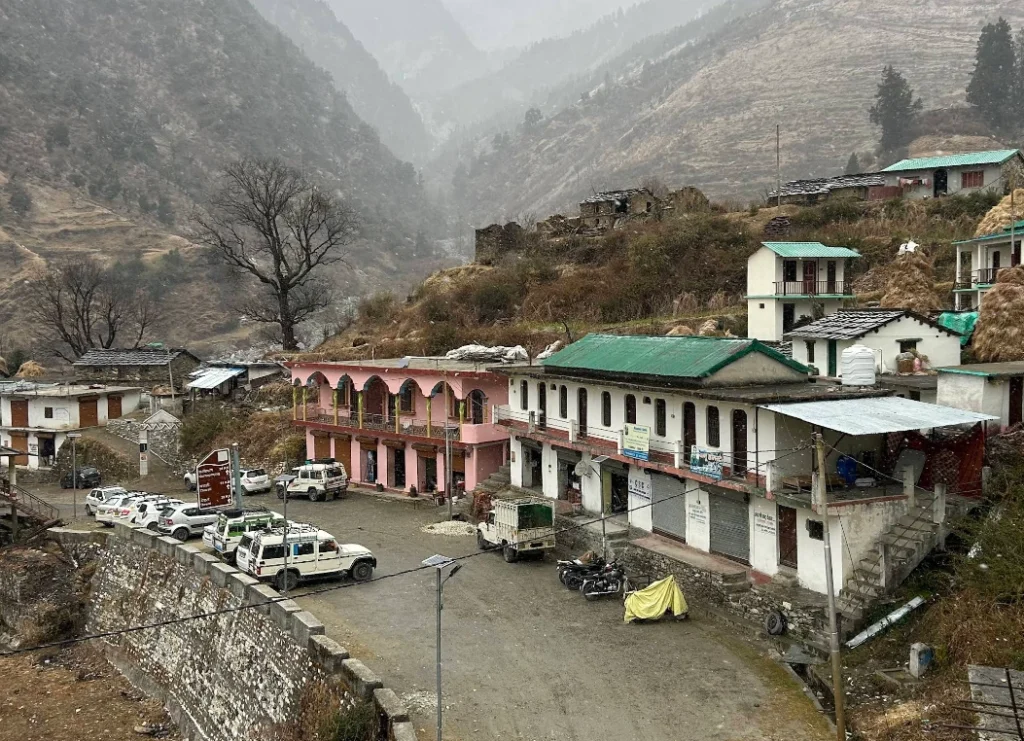
Reaching Wan village takes a bit of effort, but the journey rewards you with beautiful mountain views and a gradual escape from city noise. Lohajung acts as the main access point before entering the village.
By Road
Wan village is located around 325 km from Dehradun. You can travel by private vehicle or take a bus to Lohajung via Rishikesh, Karnaprayag, Gwaldam, Dewal. From Lohajung, Wan is just 15 km away, connected by a narrow mountain road. Local taxis and shared jeeps regularly operate on this route, especially during the trekking season.
By Train
The nearest major railway stations are Kathgodam and Rishikesh. Kathgodam is located about 224 km from Wan village and offers good rail connectivity with cities like Delhi. Rishikesh railway station is around 287 km away and serves as a convenient option for travelers coming from North India.
By Air
Jolly Grant Airport, Dehradun is the closest airport. After landing, you must continue by road, as no direct public transport reaches Wan from the airport. Hiring a taxi remains the most convenient option.
Road conditions change with weather, especially during monsoon and winter, so checking local travel updates before starting the journey is always advisable.
Trekking Routes That Start From Wan Village
Wan village is widely known as a gateway to several iconic Himalayan treks in Uttarakhand. Due to its location and gradual trails, many trekkers prefer starting from Wan for a more peaceful and scenic trekking experience.
1. Roopkund Trek
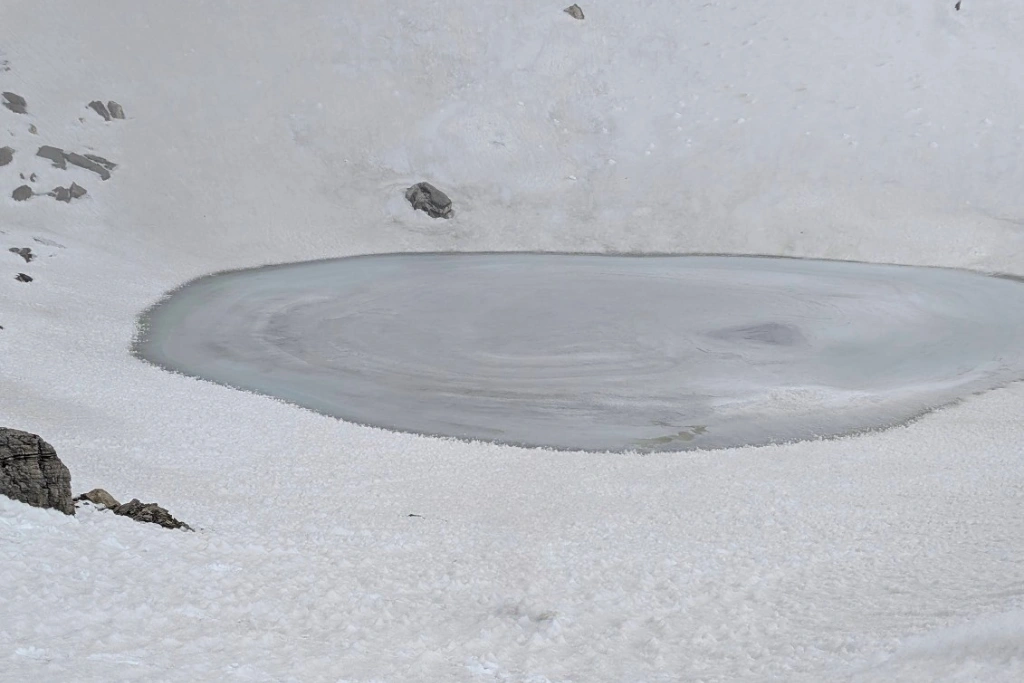
Wan village serves as a traditional and less-crowded route to the Roopkund Trek, passing through the beautiful Bedni Bugyal. This trail features steady ascents, forest sections, and open meadows, making it suitable for trekkers who prefer a balanced pace. Compared to other routes, this approach feels quieter and allows better acclimatization.
2. Ali Bedni Bugyal Trek
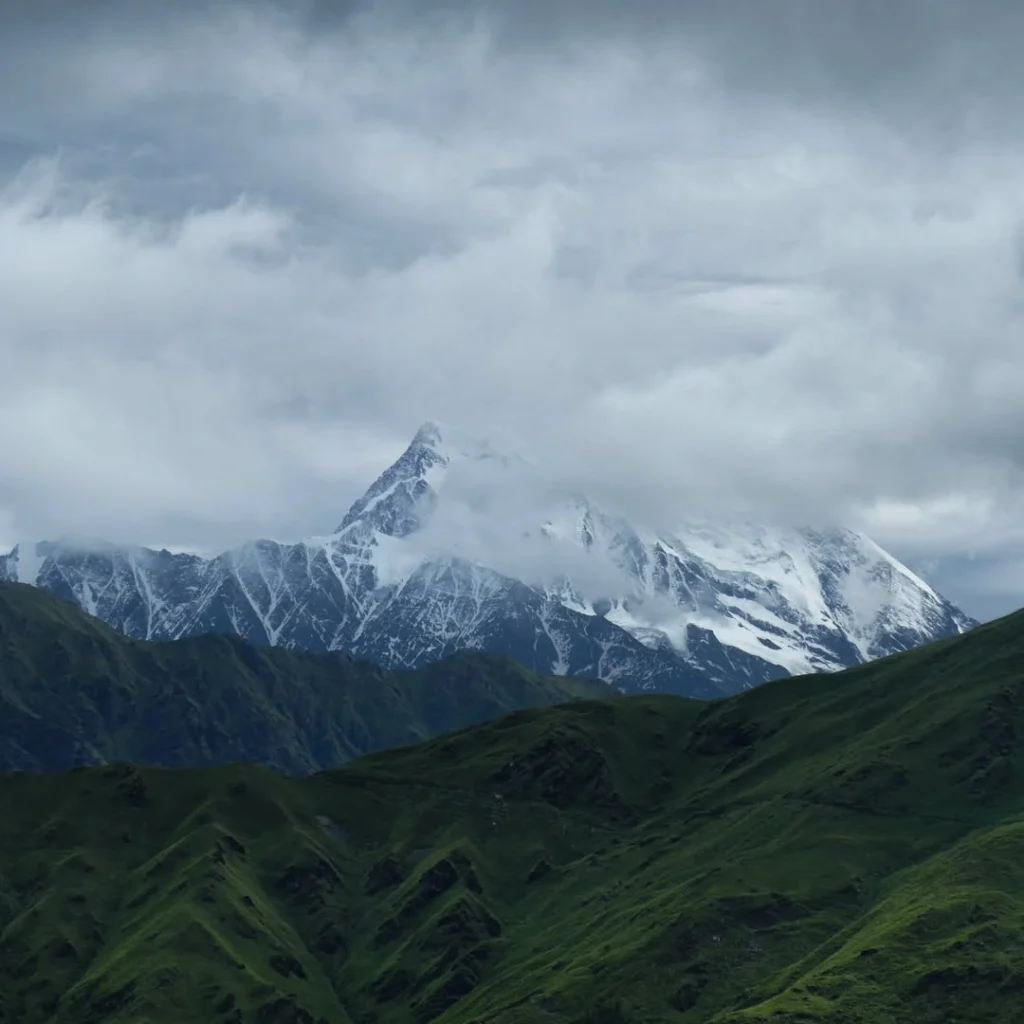
The trek from Wan to Ali Bedni Bugyal is one of the meadow walks in the Indian Himalayas. These alpine meadows rank among the largest in Asia and offer uninterrupted views of Trishul and Nanda Ghunti peaks. The gradual trail from Wan makes this route ideal for both beginners and experienced trekkers.
3. Brahmatal Trek Extension
Although Brahmatal Trek usually starts from Lohajung, some extended itineraries include Wan village as a cultural stop. Trekkers visiting Wan get a chance to explore local life, interact with villagers, and understand the region’s spiritual background before or after the trek.Treks starting from Wan village feel slower, quieter, and more immersive, which is why many seasoned trekkers and nature lovers prefer this route over busier trailheads.
Best Time to Visit Wan Village Uttarakhand
The best time to visit Wan village depends on the kind of experience you are looking for, whether it is trekking, sightseeing, or enjoying quiet mountain life.
Summer (April to June)
Summer is the most comfortable and popular season to visit Wan village. Daytime temperatures stay pleasant, while nights remain cool. Forest trails come alive with greenery, and rhododendron blooms add color to the landscape.
Monsoon (July to September)
Monsoon brings heavy rainfall to the region. The surroundings turn lush and scenic, but frequent landslides and slippery roads can disrupt travel plans. Trekking becomes risky during this time, and some routes may remain closed. This season suits travelers who prefer solitude and are comfortable with unpredictable weather, but extra caution is necessary.
Autumn (October to November)
Autumn offers some of the clearest mountain views of the year. Skies stay blue, temperatures remain crisp, and trekking conditions improve significantly. The post-monsoon freshness enhances visibility of peaks like Trishul and Nanda Ghunti. This season works well for trekking, photography, and peaceful village stays.
Winter (December to March)
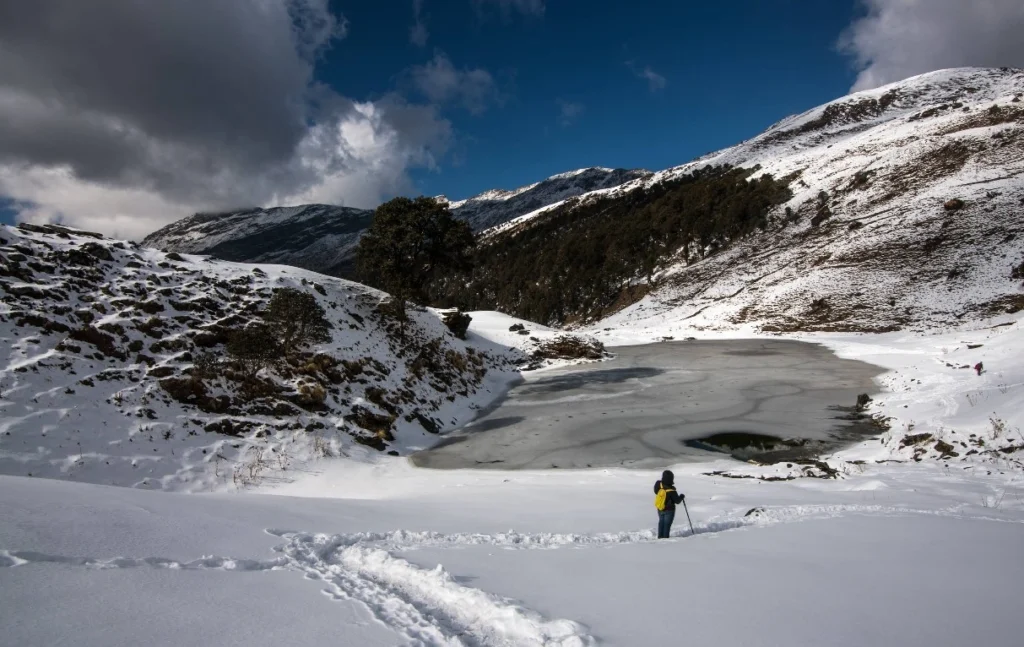
Winter transforms Wan village into a snow-covered landscape. Heavy snowfall often blocks road access, especially between January and February. While the village looks stunning, travel becomes challenging, and trekking activity remains limited. Winter visits suit experienced travelers who are prepared for harsh conditions.
Places to Visit in and Around Wan Village
1. Lohajung Village
Lohajung is a small yet important mountain town located close to Wan village and acts as the primary trekking hub of the region. Situated at an altitude of around 2,300 meters, Lohajung offers calm surroundings with dense forests and clear views of Nanda Ghunti Peak. Most popular treks like Roopkund, Brahmatal, and Ali Bedni Bugyal begin or pass through this area, which makes Lohajung a key stop for trekkers.
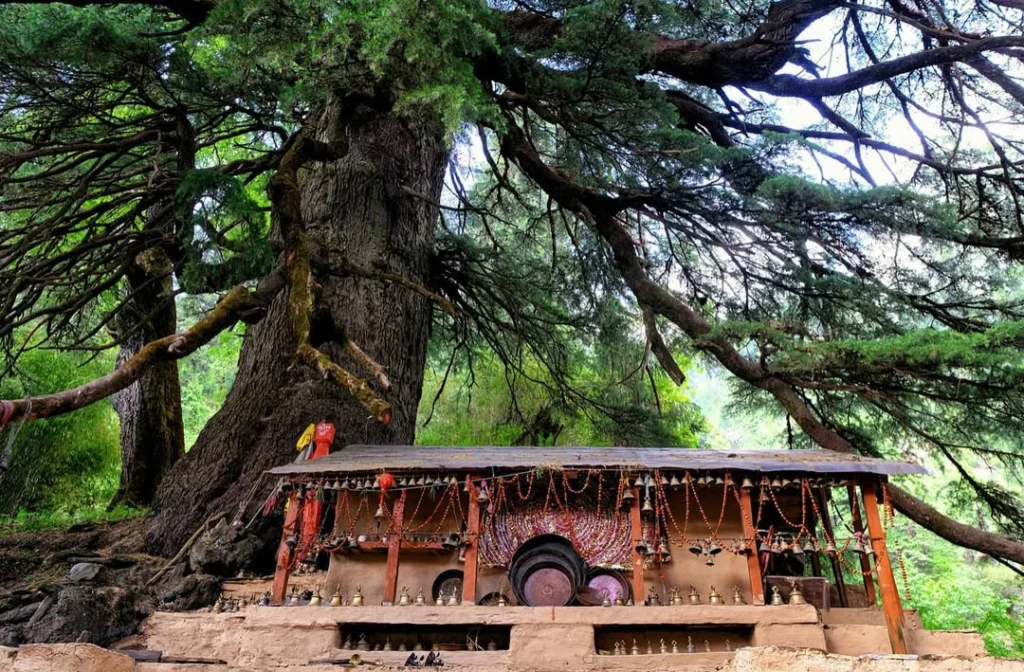
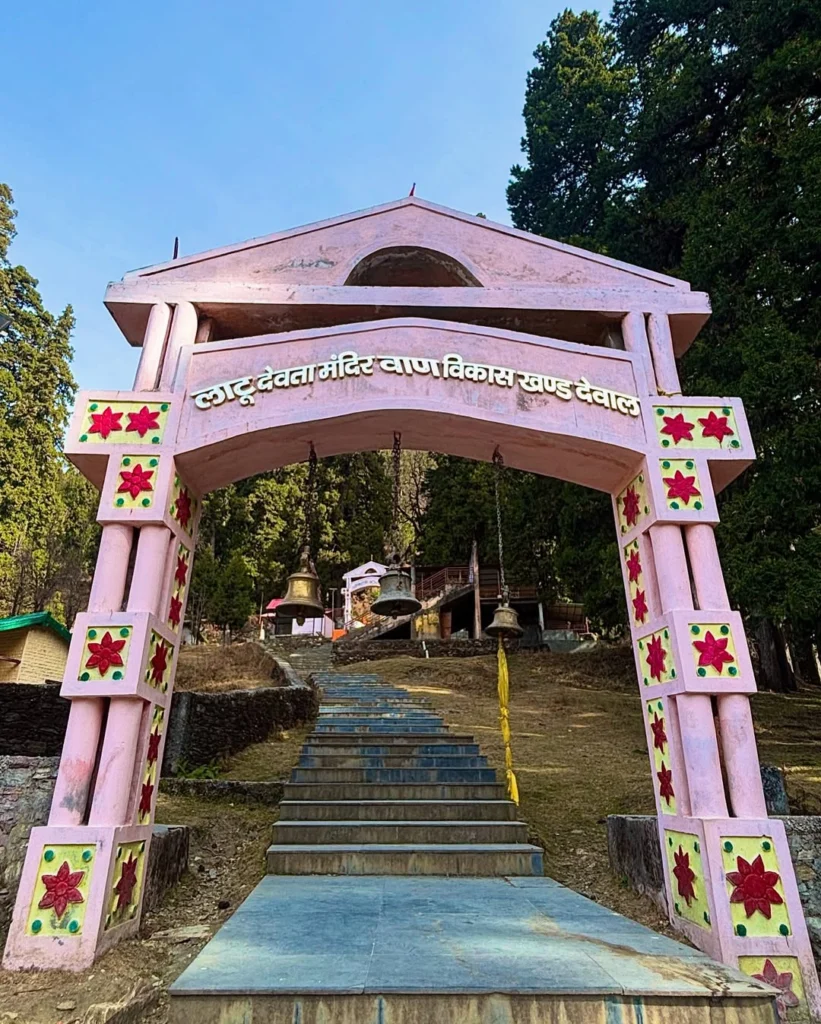
2. Latu Devta Temple: The Sacred Heart of Wan Village
The Latu Devta Temple is the most significant spiritual site in Wan village.The temple follows strict traditions. Even priests cover their eyes while entering the sanctum, symbolizing humility before divine energy.
Pilgrims heading towards Nanda Devi Raj Jat Yatra consider this temple an essential stop. The rituals here reflect centuries-old customs passed down without alteration.
This spiritual depth adds a powerful cultural layer to Wan village.
Accommodation and Stay Options in Wan Village
Wan village does not offer luxury hotels, and honestly, that works in its favor.
Homestays
Local families run simple yet comfortable homestays. These stays provide warm meals, clean bedding, and genuine hospitality.
Guesthouses
A few basic guesthouses operate during trekking seasons. They cater mostly to trekkers and pilgrimage visitors.
Electricity and mobile networks can fluctuate, so expect minimal digital comfort. The experience feels more personal and grounded.
Why Wan Village Uttarakhand Is Worth Visiting
Wan village does not try to impress. That is exactly why it does. It offers raw landscapes, spiritual depth, and authentic village life without filters. Whether you trek, pray, or simply sit quietly under oak trees, Wan leaves an impression that feels personal.
In a state filled with tourist hotspots, Wan village Uttarakhand stands apart by staying true to itself. Sometimes, the quietest places tell the strongest stories.
Final Thoughts
Wan village Uttarakhand quietly reminds us that meaningful travel does not depend on famous landmarks, luxury hotels, or packed itineraries. Sometimes, the most memorable journeys happen when you slow down. Walking on stone-paved paths, listening to the sound of wind moving through oak forests, and sitting beside a local hearth with a cup of hot tea create experiences that feel real and unforced.
This village does not chase attention or validation from social media trends. It stays rooted in its land, traditions, and rhythm of life. That honesty makes Wan special.

Leave a Comment