Have you ever dreamt of a place where you are not only surrounded by nature, but where nature cuddles you wholeheartedly? A place where houses are covered with sheets of corn for 12 months and villagers accept you with open heart.
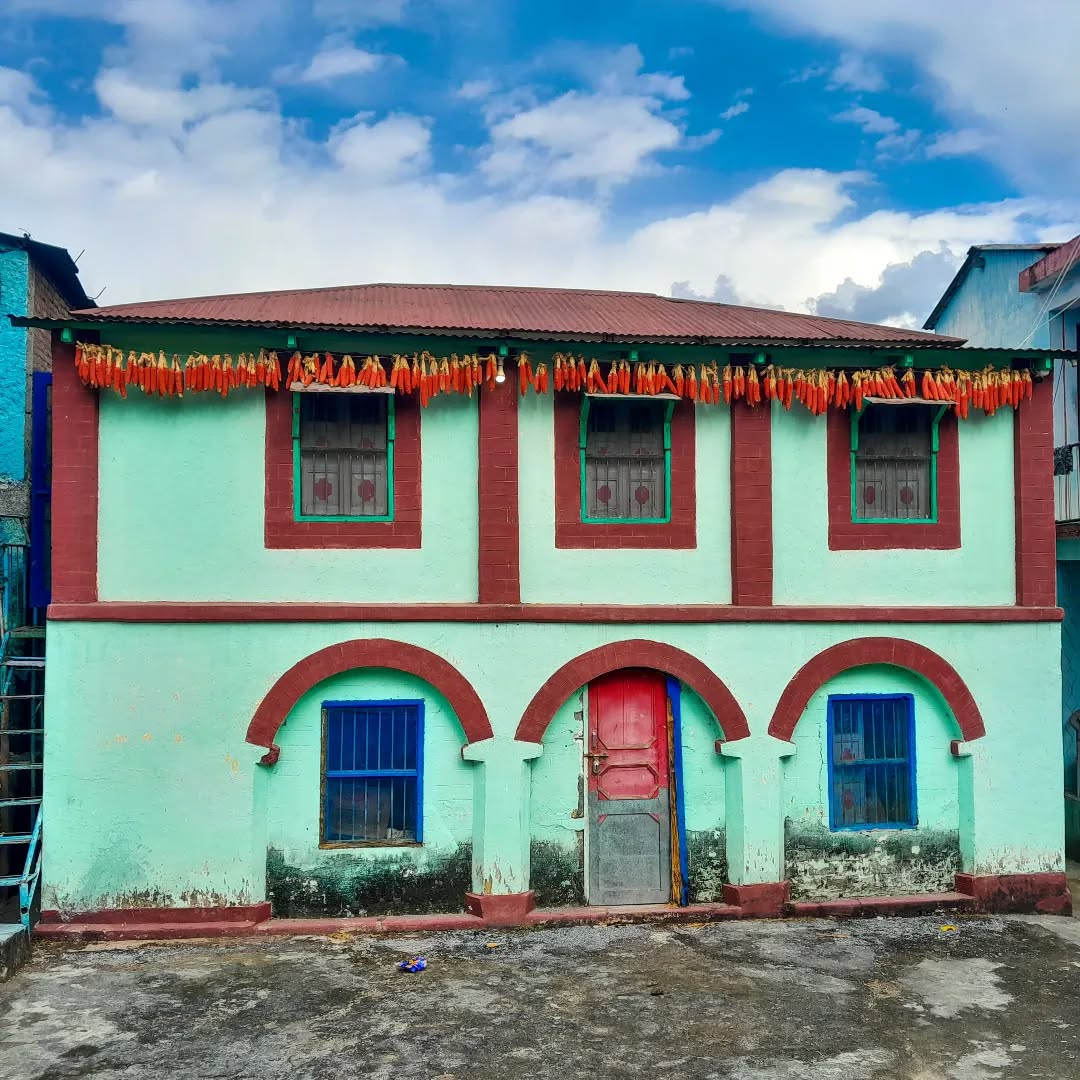
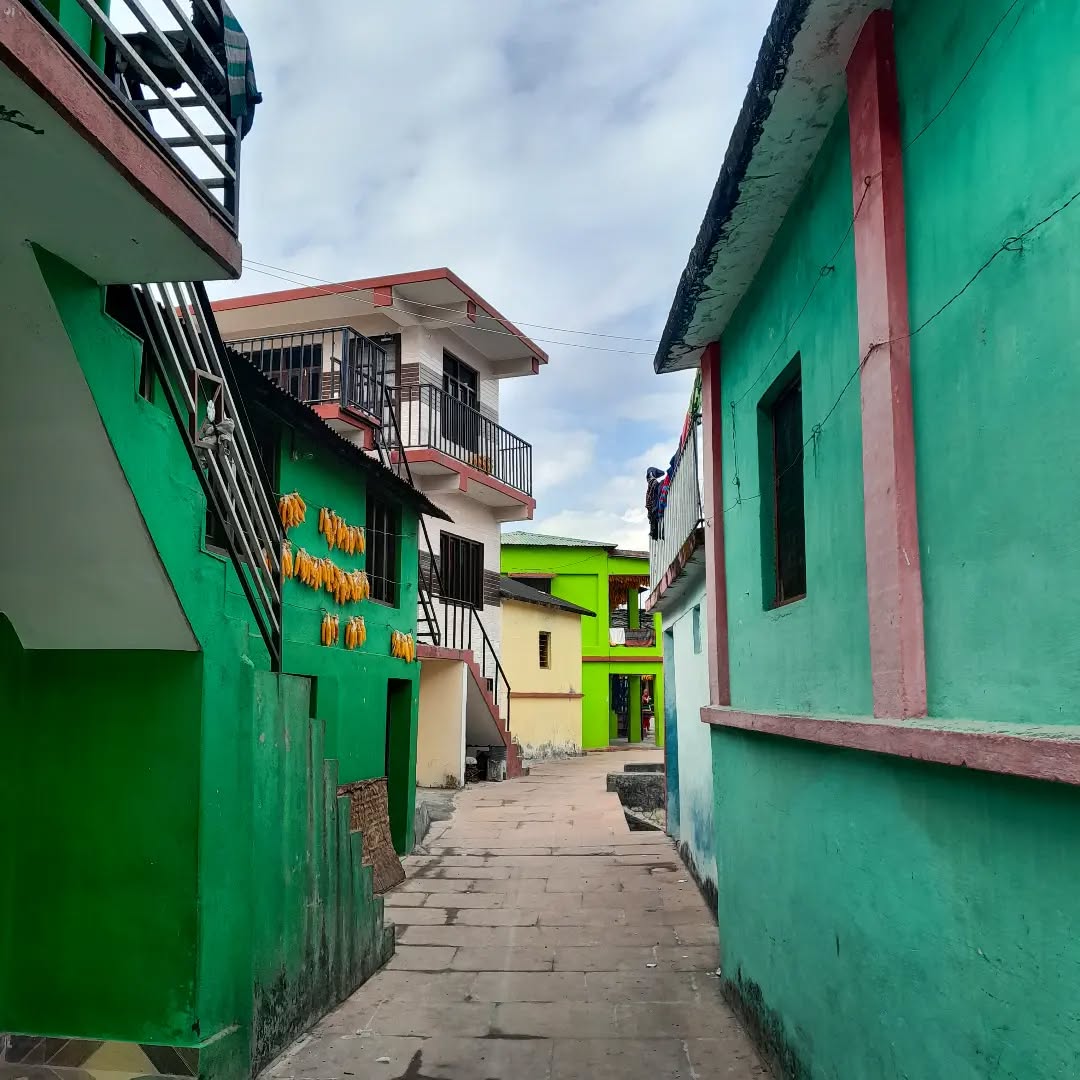
Sanji – The Corn Village, near Mussoorie, the Queen of Hills, engages everyone with its simple and authentic charm. It refreshes old memories and offers a chance to reconnect with forgotten roots, creating experiences that last a lifetime. There are 30-40 families totaling around 4500 people. The old-styled houses are called Tawari or Kath-Kuni style homes, similar to those found in Jaunsar, Uttarkashi, and Jaunpur. In recent years, people have started building concrete houses (Pucca ghar), leaving their ancestral homes abandoned.
For every Mussoorie lover, exploring Sainji corn village will help them add a new place to their bucket list.
Table of Contents
How to Reach Corn Village Mussoorie?
Known as the “Corn Capital”, Sainji is located in the Jaunpur region of Tehri district. It is situated at an altitude of 1,200 meters above sea level. It is on the road from Dehradun to Mussoorie to Kempty Falls and is 35-40 km ahead of Kempty Falls. It is one of the most popular photographic villages in Uttarakhand.
Another path also includes Tehri Garhwal via Dhanaulti and Kaddupur, or from Chandigarh via Vikasnagar and Yamuna through Herbertpur. Sainji is a hidden gem, not yet discovered by many. This makes it the ultimate gateway for those who want to take some peaceful moments out of their busy lives.
Ideal Season to Visit Sainji Village
The best time to visit here is right after harvest (September-October) when the corn is hung out to dry. From a distance, it looks like a garland of flowers, giving the village a unique and vibrant feel.
How Did Sainji Get Its Name as the Corn Village?
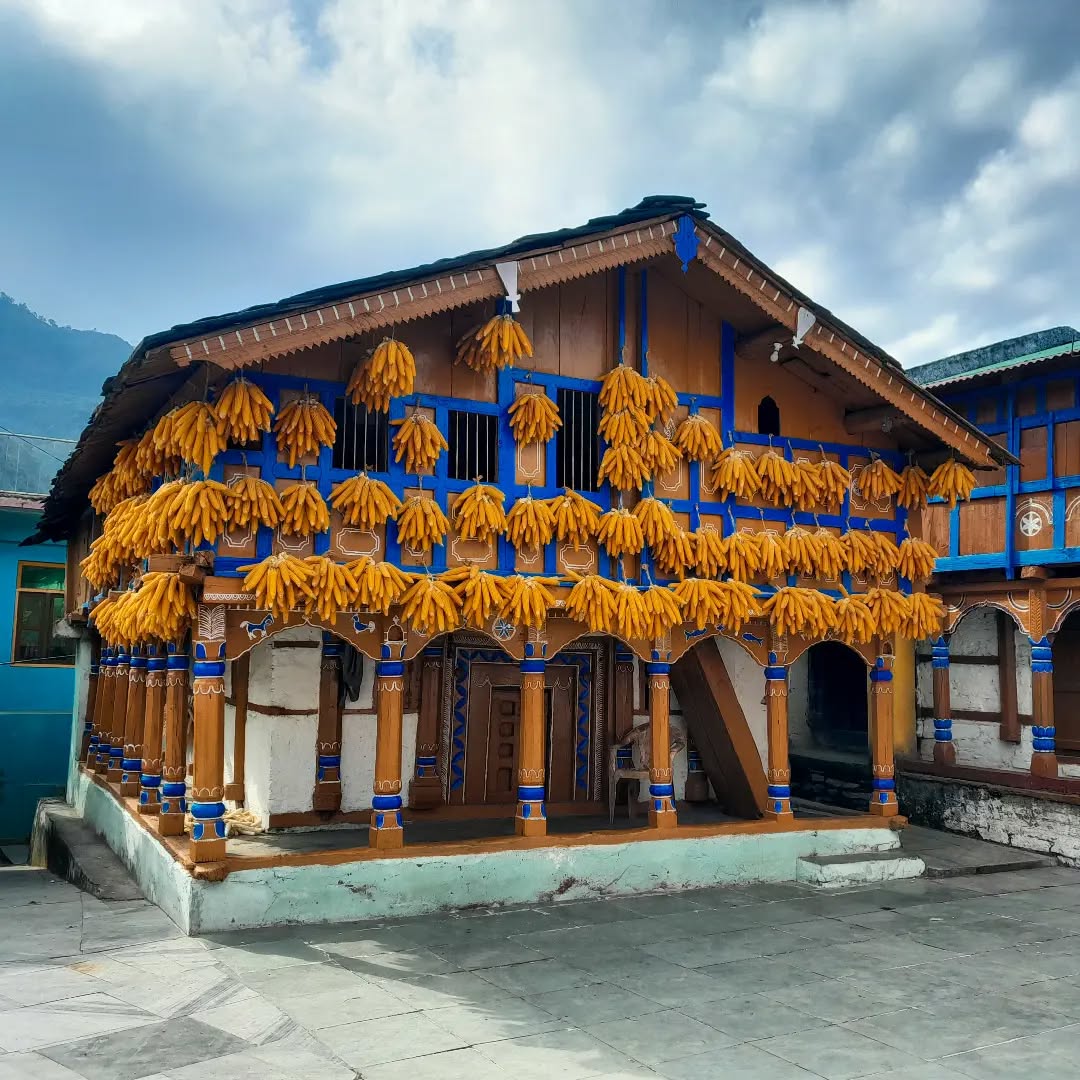
The story began around 8-10 years ago when some Mussoorie hoteliers brought international guests to the village. Seeing the unique display of corn in various forms, they named it as “Corn Village of India.”The method of drying corn is quite different from other villages of Uttarakhand.
During monsoon season, the villagers tie the corn together in bundles and call it Jhuth. They hang them on their house balconies, where they dry naturally in the sunlight. This method prevents the corn from rotting and keeps it fresh for 12 months, until it’s ready to be sent to the city. Along with corn, kooda, jangura, maake, gehu, peas, and other vegetables are also cultivated here. The villagers go to Vikarnagar Market, Dehradun and sell all this stuff.
Why Corn Stays King in Sainji’s Cuisine?
In Sainji village, corn is not just a food item but an art and tradition that symbolizes wealth, prosperity, and community bonding. Since corn is the main crop here, it is used in all kinds of dishes like meals, snacks, and festive dishes.
Organic farming methods are used instead of chemicals. Manure made from cow dung enriches the soil, resulting in a good harvest. This shared farming also promotes brotherhood and maintains peace in the village. At the same time, corn cultivation boosts the local economy rather than being dependent on the outside market.
- Ghada (King of Dishes): It is kneaded with water and thick rotis are made. Locals eat it with raita or ghee, and it is a hearty meal after a day of farming.
- Makke ki Roti: The corn is finely ground into flour and hot golden brown rotis are made by placing it on a garam tawa (hot pan). It is served with butter or yogurt, and satisfies the stomach.
- Corn Raksi: It is a warm drink which is also called a local alcohol. To make this, corn is kept to ferment, and after a few days, it is ready to drink. People drink it at night during the winter to keep warm. Adults sit together and drink it, while sharing old stories and this drink is not meant for children to consume.
Apart from this, people also eat boiled corn, dalia, corn soup, pakora’s, and corn bhel. All the dishes mentioned above show how versatile and nutritious corn is.
The Story of Garhwal English Medium School?
Garhwal English Medium School (GEMS) was established by Mr. Kunwar Chauhan and his wife Mrs. Lori Chauhan in 2009. This makes a very important contribution in building the future of the Sainji village and surrounding villages. GEMS is a non-profit school that operates on donations and community support.
This school, just started with eight children, now educates more than 150 children. GEMS is up to 8th class and all subjects are taught. Here, teaching focuses more on practical practices than theoretical ones, so that students can understand the concepts better.
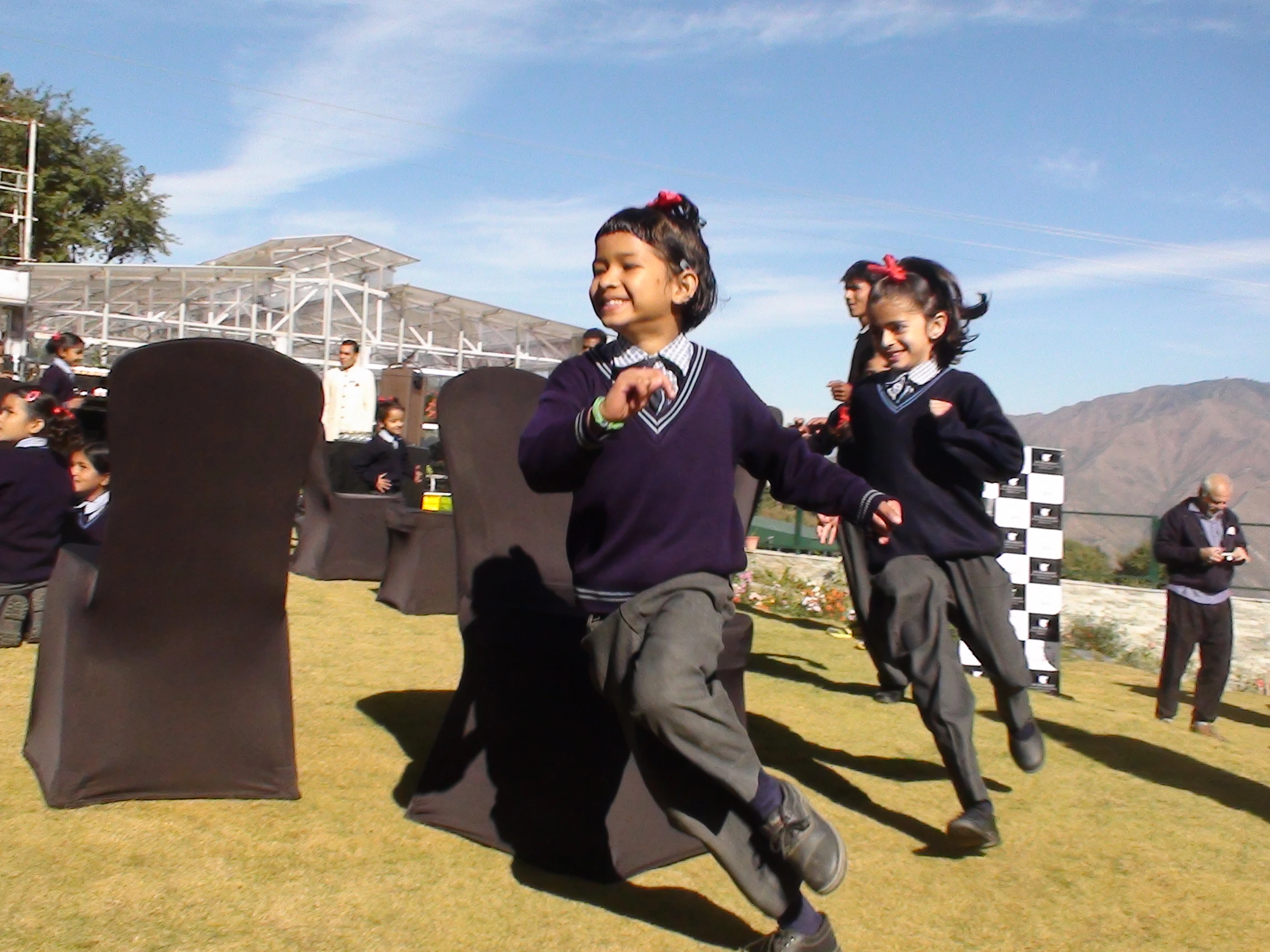
Children from 50 different villages come here to study. Magic buses have been implemented to ensure they have no difficulty getting to school. Because many of the students come from poor families, the school fee is low, and stationery is provided by the school.
Because English has now become a global language, children now read, write, and speak English everyday. This increases their confidence and communication skills, enabling them to face the real world. Due to this, they are able to prepare for government exams easily.
How Do Festivals Bring the People of Sainji Together?
In Sainji, festivals are more than cultural events, they are the lifeline of the people. They bring the villagers together through rituals, music, and language strengthening the bonds between generations. They offer travellers a golden opportunity to experience the true spirit of the village.
Festivals & Traditions
As per panchang, Diwali is celebrated a month later and is popularly known as Egaas. Mauna Mela is held in the last week of June in which all the men of the village catch fish using Timru powder. Around 5,000-10,000 people from different districts of Dehradun, Tehri Garhwal, Uttarkashi, and Jaunsar participate in this festival. This is a festival celebrated since the time of kings and keeps people connected to their roots.
Music, Dance, and Collective Joy
Apart from corn farming, this Sainji is known for preserving Garhwali culture via language, music, and dress. The most spoken language here is Garhwali, which people use in their daily conversations. Apart from conversations, it is also used in folk songs and storytelling. Hindi is spoken with visitors, but Garhwali remains the heart of communication. Children learn Garhwali at home while learning Hindi and English at school. It creates a perfect mixture of tradition and modernity.
The people of Sainji sing their traditional old songs on joyous occasions such as harvesting, weddings, and seasonal festivals. Well-known folk styles include the Jhora, Chanchari, and Cholia. These songs are not easy to sing but also easy to dance to.
The valleys of the Himalayas come alive with the sounds of Dhol, Damau, Torri, and Flute. Today’s generation is making new songs and uploading them on social media platforms to raise awareness about their culture.
Sainji Village Costumes for Men and Women
The costumes of Sainji village reflect the Garhwal culture, which they wear with pride. Men wear Dhoti or Pajama and Kurta, which they pair with a woollen coat in winter. By wearing a Topi (cap) they show respect towards their tradition.
As for women’s attire, they wear Ghagra (long skirt), Choli (blouse), and Odhni (veil). During weddings they proudly wear the Pichora. For ornaments, they wear Hansuli, Poohchi on their wrists, and Nath (nose ring). They also beautify their hair with fresh flowers, which enhances their beauty.
How Did a Canadian Woman Start a Cafe in Sainji?
Famous for its corn cultivation and rich history, but has a special story that reflects courage, kindness, and belonging. This is the story of Lori Chauhan who came to India to do research but life had something else in store for her.
The Beginning: From Canada to Uttarakhand
Lori arrived in India in 2006 while pursuing PhD in Anthropology. She first mastered Hindi and Garhwali languages and while doing research, she reached a village near Sainji. Kunwar Singh Chauhan, a graduate of Delhi University and the future Sarpanch came to meet her.
They got married after six months and both had the same vision: to make the future of Sainji village golden. However, running a school in a rural area was a challenge. It was at this point that she came up with the idea of using her baking skills. And this idea gave birth to Canadian Bakery Café.
The Idea of Café & Daily Routine
The café started with a small resource with a powerful purpose. Lori started baking brownies, pastries, cakes, tarts representing her childhood. But the main catch was that all of these food items were made from organic items without harming any animals or nature. As time passed, people travelling to Mussoorie or Kempty Falls started visiting the café, where they learned about Garhwali traditions.
Every morning, Lori wakes up early, cleans the kitchen herself, and then starts preparing the dishes. She tries to prepare just enough food for the day to avoid any waste. The Canadian Bakery Café is small, but the sweet nature of people and Lori’s warm personality makes the atmosphere vibrant and inviting.
The School Connection
Lori’s bakery doesn’t just stop at food; it also raises funds for education. Whatever the profit café makes goes towards improving Garhwal English Medium School (GEMS). The school provides high-quality English-medium education to secure the children’s future. Other than that, books, pencils, and pens are also provided by the school. Besides academics, the school also promotes extracurricular activities. For villagers, this school is a ray of hope that their children will receive a good education and have better opportunities and the cafe is their hope.
Cultural Exchange: Canadian Roots, Indian Soil
The Canadian Bakery Café is an important example of how two different cultures can be beautifully combined. Eating at the café gives people a taste of international and local food, which keeps them coming back again and again. Lori’s hard work and dedication has taken Sainji village to the next level by using her baking skills and adding local Garhwali dishes into the menu.
Conclusion
While roaming in Sainji Village, it feels as if you are reading a poem in which nature, culture, and humanity have been described beautifully. Corn garlands hanging outside the houses show that even today they are connected to their heritage and are proud of it. While leaving the village, you will feel that you are taking with you a box full of memories which you will never forget.
Sources:
- Baramasa: Sainji | कैसे बना Corn Village of India | सैंजी | Village Tour
- THE UNTRAVEL SHOW: She Bakes Cakes To Run A Village School
- Visiting Sainji -The Corn Village near Mussoorie by Road To Taste

Leave a Comment