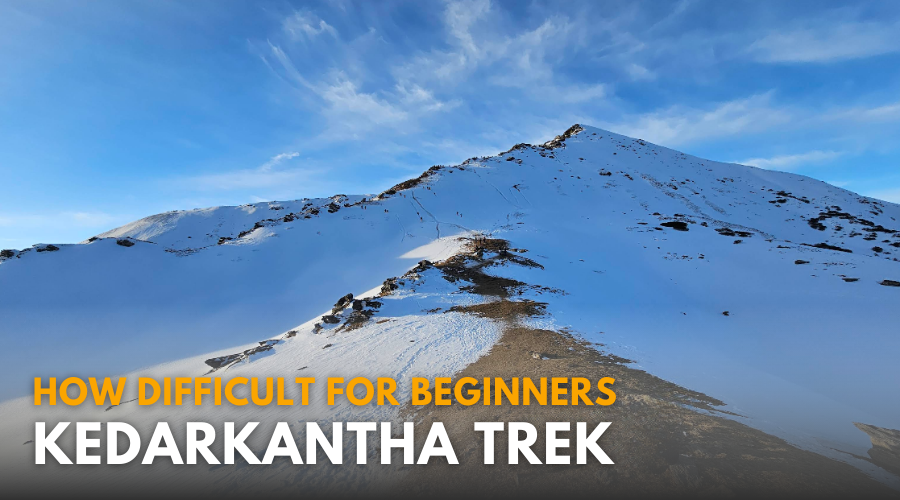
When people first hear about the Kedarkantha trek, one of the most common questions that arises is about its difficulty level. Is it too hard for a beginner? Can families do it? Do you need to be extremely fit? and many more.
At first glance, the idea of climbing a Himalayan summit sounds intimidating. But Kedarkantha has earned a unique reputation—it’s one of the rare summit treks in the Indian Himalayas that is considered both beginner-friendly and deeply rewarding. Its difficulty level is generally rated as easy to moderate.
Let’s break this down step by step-
Kedarkantha Trek Difficulty Level Explained
Location and Basic Facts about Kedarkantha
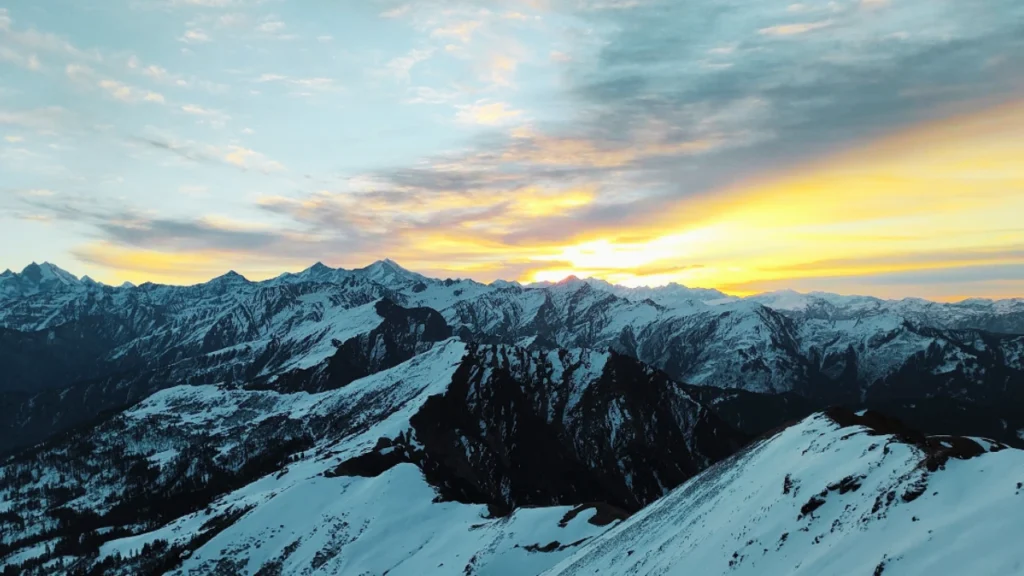
Kedarkantha is a beginner-friendly yet thrilling summit climb, reaching an impressive altitude of 12,500 ft (3,810 m). The easy-moderate trek lies within the Govind Pashu Vihar National Park in the Uttarkashi district of Uttarakhand, India. It winds through dense pine forests, and snowy meadows, eventually leading trekkers to a 360-degree view of the Himalayan ranges, including peaks such as Swargarohini, Bandarpoonch, Black Peak, Ranglana, and the Yamunotri mountain range.
The difficulty of trek is often described as easy to moderate, which means it is not extremely technical or physically grueling, but it does present certain challenges—especially during the winter months when snow covers much of the trail.
Daily Trek Difficulty Breakdown: What to Expect on Each Day
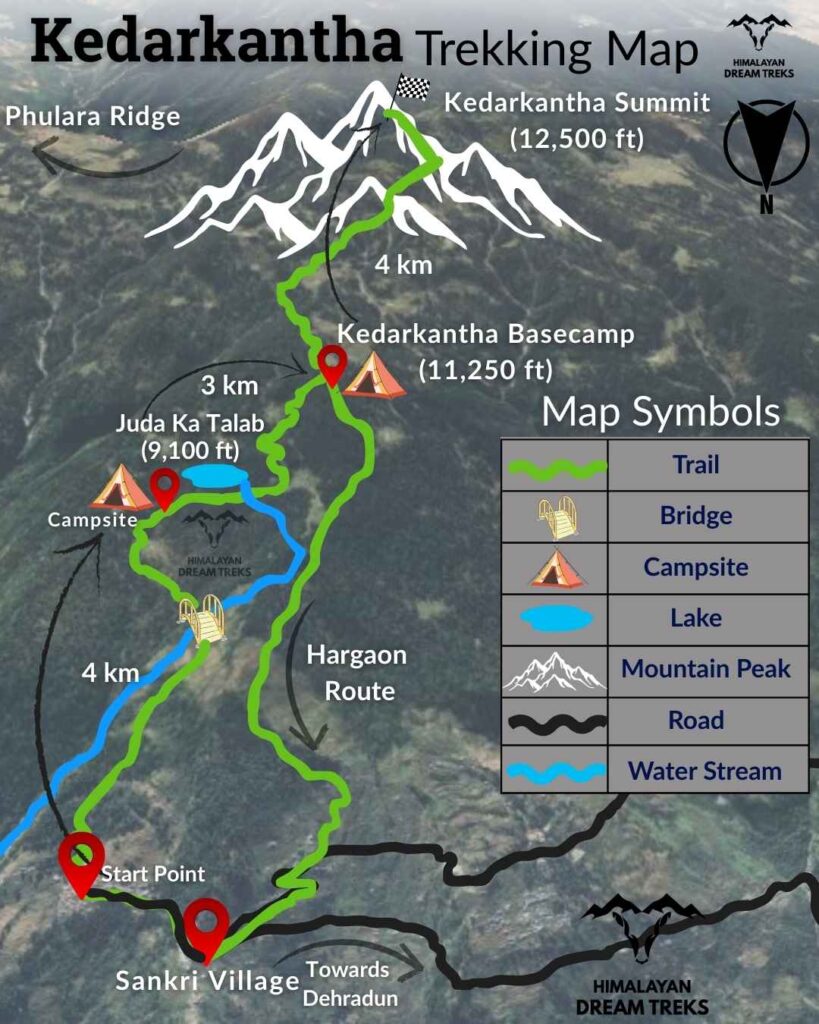
The trek begins from Sankri village, located about 200 km from Dehradun. The total trekking distance is approximately 20-22 km, covered over 3 to 4 days depending on the chosen itinerary.
- Day 1: Sankri to Juda ka Talab – Gradual ascent
- Distance & Effort: Around 4 km trek in 4–5 hours with an altitude gain of ~2,700 feet.
- Trail Condition: Wide and clear path through pine, oak, and deodar forests; safe even for beginners.
- Physical Challenge: The gradual ascent may feel tiring as it’s the first day and trekkers are adjusting to altitude while carrying backpacks.
- Overall Difficulty: Mildly challenging but very manageable, with no steep or technical sections.
- Day 2: Juda ka Talab to Kedarkantha Base Camp – Mostly Gradual with few steep sections
- Distance & Effort: Approximately 3 km trek in 2–3 hours with an altitude gain of ~1,000 feet.
- Trail Condition: Clear path through oak and rhododendron forests with occasional open meadows.
- Physical Challenge: Gentle ascent; walking becomes easier and more enjoyable as trekkers settle into the rhythm.
- Overall Difficulty: Easy and pleasant.
- Day 3: Summit Day, Kedarkantha Base Camp to Summit and back – Challenging but manageable
- Distance & Effort: About 8 km round trip, taking 6–7 hours with an altitude gain of ~2,500 feet to the summit.
- Trail Condition: Snow-covered slopes with steep sections (40°–60° incline); non-technical, no ropes or ice axes needed.
- Physical Challenge: Demanding due to early start, dark conditions, snow depth, ridge walking and steep climb; requires stamina, balance, and leg strength.
- Overall Difficulty: Moderate and challenging, but manageable for beginners with preparation; highly rewarding summit views.
- Day 4: The Descent
- Descending back to base camp and eventually to Sankri can be physically tiring because walking downhill strains the knees. In snowy conditions, the trail can be slippery, so careful steps are needed.
- Difficulty level: Manageable with trekking poles and good trekking shoes.
Why Kedarkantha’s Difficulty Level Suits Beginners
Several features make Kedarkantha accessible for beginners:
- Gradual Ascent: Except for the summit push, the trail gains altitude slowly, allowing the body time to acclimatize.
- Short Distances: Daily walking distances are usually not very long, typically between 3–5 km, which is shorter than on many other Himalayan treks.
- Max Altitude: At 12,500 ft, the trek is high but not at extreme altitudes.
- No technical climbing: You don’t need ropes, or advanced mountaineering skills.
- Well-Marked Trail: The trail is clear and easy to follow, so there’s very little chance of getting lost.
- Support System: Local guides and trek leaders provide safety and assistance throughout the trek.
Even 10-year-old children and families are often seen on this trek. Only the summit push and first section from Sankri to Juda Ka Talab can feel a little tiring because it’s the very beginning, but the forest surroundings make it enjoyable.
Key Challenges to Be Aware of on the Kedarkantha Trek
While the trek is mostly easy, some sections raise the difficulty to a moderate level:
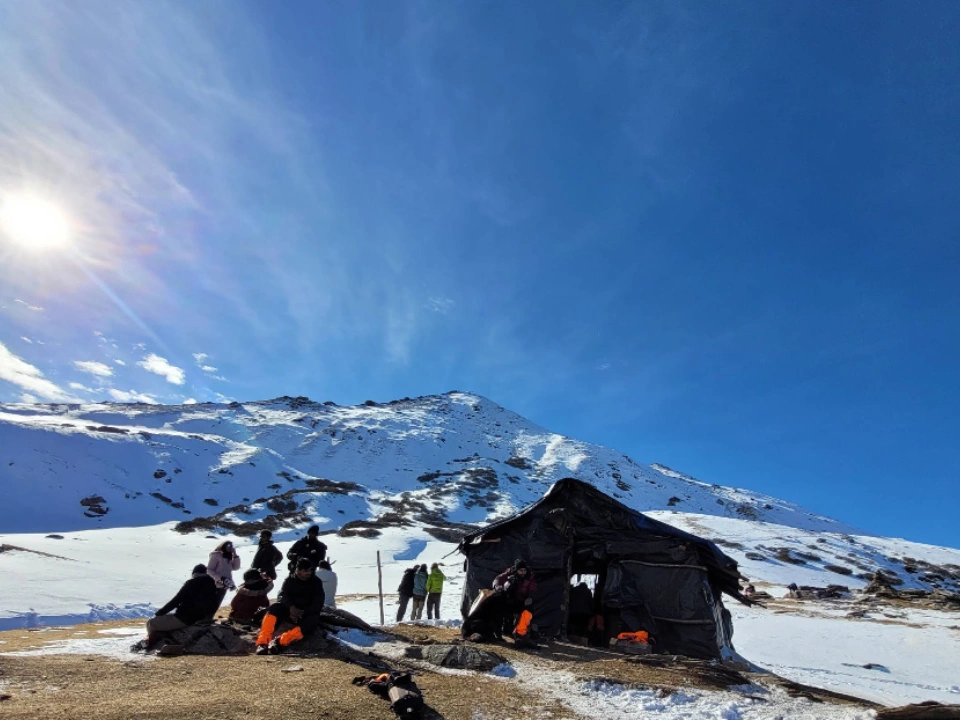
- Summit Climb: The final push to 12,500 ft involves a steep incline of about 40° to 60°, which can test your stamina, specially in winter.
- Snow Conditions: In winter (December to April), deep snow can slow you down and make every step hard. Sometimes, the snow can reach knee or even waist level. Walking on fresh snow is more exhausting compared to hard snow.
- Cold Weather: Temperatures drop to around -10°C or even lower at night at higher campsites like Kedarkantha Base Camp, which can be challenging if you’re not prepared to cold conditions.
- Altitude: Although not extremely high compared to other Himalayan treks, 12,500 ft is still enough to cause mild altitude symptoms like breathlessness.
So overall, the trek is called easy to moderate. It’s easy because of the well-paced days, short distances, and non-technical paths. It becomes moderate because of the summit climb and snow.
How Seasons Affect the Difficulty Level of the Kedarkantha Trek
The time of year greatly affects how difficult the Kedarkantha trek feels. To help you understand this better, here’s a season-wise difficulty rating on a scale of 1 to 10. For reference, easy treks like Dayara Bugyal and Nag Tibba during the summer usually fall around 2–3 on the same scale.
- Winter (December–February): This is the most popular season. Snow makes the trek beautiful but also adds some extra effort. Walking on snow needs more balance and energy. Day temperatures stay around 5–10°C, while nights can drop to –15°C or even lower. Winter is great for anyone who wants a true snow trek. The difficulty level in this season is around 6 out of 10.
- Spring (March–April): The meadows start to bloom, the forests fill with rhododendrons, and the snow slowly begins to melt. The trek feels easier during this time because the temperatures are milder. The difficulty level is around 4 out of 10.
- Summer and Autumn (May to June & September to November): The snow disappears, and the trails become dry and easy to walk on. This is the least difficult time to do the trek, though it’s not as popular as winter. The difficulty level is around 4 out of 10.
Why Kedarkantha is Worth the Challenge
Summit View: The Reward After a Challenging Climb
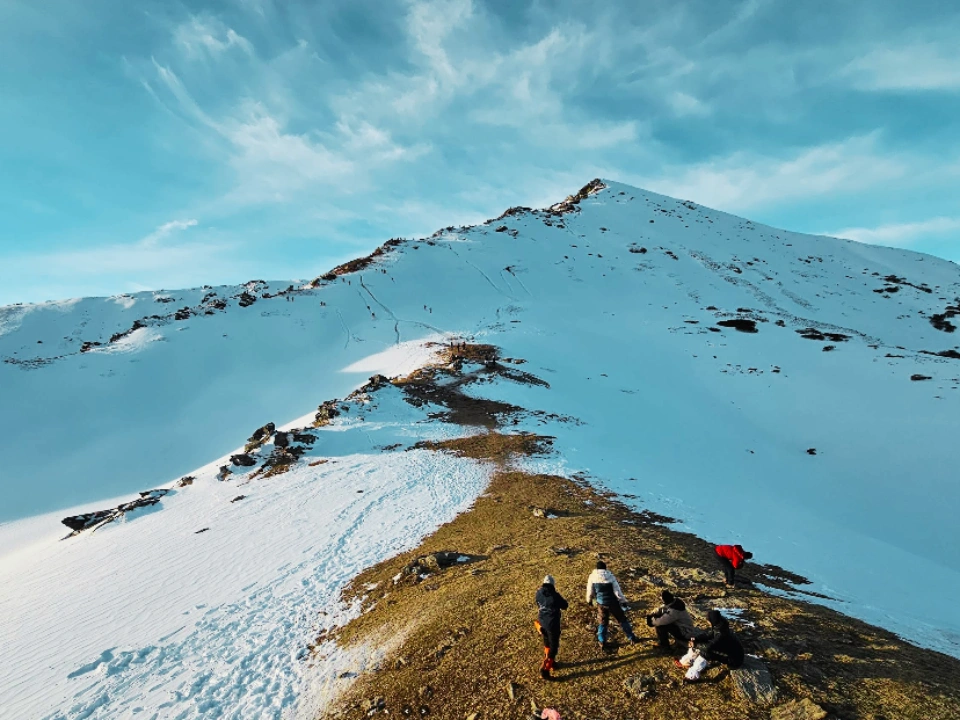
The biggest highlight of the Kedarkantha trek is the summit push. It begins early in the morning, often before sunrise. As you climb higher, the sky slowly lights up and the snow-covered trail starts to glow with the first rays of the sun.
When you reach the summit at 12,500 ft, you are welcomed with wide, stunning views of the Himalayas including Swargarohini, Bandarpoonch, Black Peak, and several other peaks. The feeling of achievement is huge, especially because the climb is challenging yet very much doable.
This perfect balance of effort and reward is what makes Kedarkantha truly special.
Natural Surroundings
A perfect natural setting helps calm the mind and reduce mental fatigue during the trek. This makes challenging sections feel easier and the overall trail more enjoyable.
- Forests: Between 2,000 and 3,000 meters, you’ll walk through pine, deodar, oak, and rhododendron forests.
- Deodar comes from the Sanskrit “deva” (divine) and “daru” (tree). These tall, straight trees are often used in temple construction.
- Oak and rhododendron wood is traditionally used for agricultural tools, while their leaves serve as fodder for livestock.
- Flora: The trail is home to Himalayan wildflowers like Reinwardtia (Yellow Himalayan Flax), Primula denticulata (Drumstick Primrose), Himalayan Gentian, White Himalayan Lungwort, Pink Knotweed, and Himalayan Wild Strawberries. These typically bloom in early spring (March–April).
- Fauna: The Govind Wildlife Sanctuary is home to animals such as the Himalayan black bear, barking deer, marmots, and leopards, as well as birds like the Himalayan snow cock, magpie, thrush, paradise flycatcher, and bulbuls. While wild animals generally avoid human paths, some can be heard at night through their calls.
So, if you go in winter, be prepared for a more moderate challenge. In summer or autumn, it feels much easier.
Physical Fitness Requirements
The difficulty of the Kedarkantha trek largely depends on your fitness level. With basic preparation, most beginners can manage it comfortably. The fitter you are, the more you can relax, enjoy the scenery, and fully experience the trek.
Recommended Fitness Routine
- Cardio Training: Running, brisk walking, cycling, or swimming to build stamina. Aim to run 5 km in under 40 minutes before the trek.
- Strength Training: Squats, lunges, and step-ups to strengthen legs.
- Core Training: Planks and mountain climbers for balance on uneven trails.
- Flexibility: Yoga and stretching to avoid injuries.
- Mental Preparation: Research the trek, understand challenges, and practice mindfulness techniques to stay calm during tough sections.
How to Acclimatize and Adjust to Altitude on the Kedarkantha Trek
The trek is structured with short distances each day, which allows your body to adjust to the altitude gradually. Unlike higher treks like Kalindi Khal or Auden’s Col, Kedarkantha does not pose severe altitude risks. Still, it’s wise to:
- Walk at a steady pace without rushing.
- Drink plenty of water (2–3 liters a day).
- Rest well at campsites.
Because of this natural acclimatization built into the itinerary, Kedarkantha is considered safe for most trekkers, even first-timers.
Other Challenges You Might Face on the Kedarkantha Trek
Even though Kedarkantha is beginner-friendly, challenges are part of the experience:
- Cold nights in tents.
- Slippery trails when snow hardens.
- Steep summit climb that tests stamina.
- Carrying your backpack if you don’t hire a mule or porter.
- Adjusting to camping lifestyle with basic facilities.
None of these challenges are unmanageable, but being aware of them helps set realistic expectations.
Food, Recovery, and Lifestyle Preparation
To enjoy the trek fully, your preparation should also include diet and lifestyle.
- Diet on Treks: Add proteins (lentils, paneer, eggs, whey protein), whole grains (wheat, barley), and green vegetables (spinach, bitter gourd, seasonal produce).
- Muscle Recovery: Stretching, yoga, and rest days between workouts.
- Hydration: 2–3 liters of water daily; coconut water and fruit juices help.
- Sleep: Aim for 7–8 hours every night.
- Avoid: Excess alcohol and caffeine, as they dehydrate the body.
These small habits go a long way in making the trek easier and more enjoyable. As the saying goes, the less fatigued you feel in the Himalayas, the more you can breathe in the beauty around you instead of being conscious of every breath.
Final Verdict: What is the Difficulty Level of Kedarkantha trek?
The Kedarkantha trek falls under the category of easy to moderate level.
- Easy because:
- Short duration (3–4 days).
- Gradual ascents.
- Non-technical route.
- Beginner-friendly campsites.
- Moderate because:
- Steep summit climb.
- Snow conditions in winter.
- Cold temperatures.
In conclusion, it’s easy-moderate. For a first-time trekker, Kedarkantha is a perfect introduction to Himalayan trekking. For experienced trekkers, it’s a refreshing snow adventure.
The trek isn’t about extreme difficulty. It’s about balance—a balance between challenge and comfort, nature and culture, forests and snowfields. That’s why Kedarkantha has become one of the most popular winter treks in Uttarakhand.

Leave a Comment