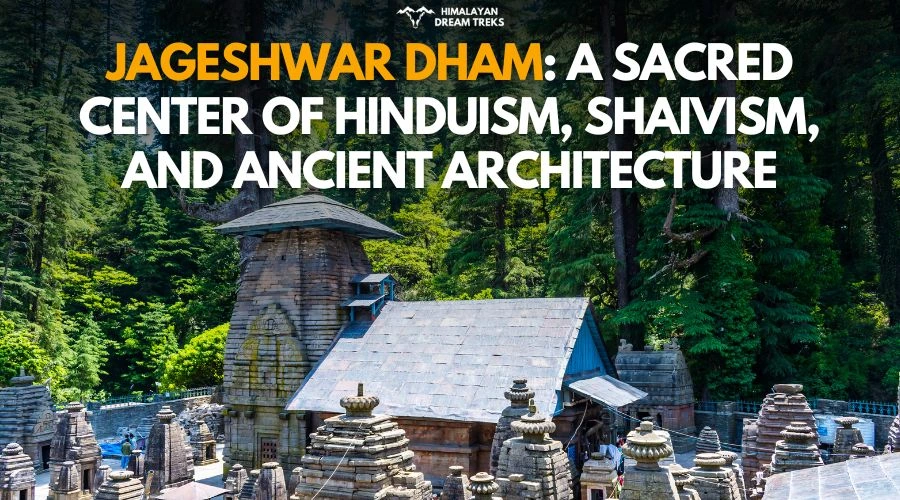
This guide explores everything you need to know about Jageshwar Dham, its history, spiritual importance, architecture, temples within the complex, itineraries, how to reach, best time to visit and nearby places worth exploring.
Jageshwar is a Hindu pilgrimage town located near Almora in the Almora district of Uttarakhand, situated at an altitude of around 1,870 meters in the Jataganga River Valley.
Surrounded by dense forests of deodar, oak, pine and rhododendron. Jageshwar is counted among the important Dhams of the Shaivism tradition and its significance goes far beyond modern religious travel.
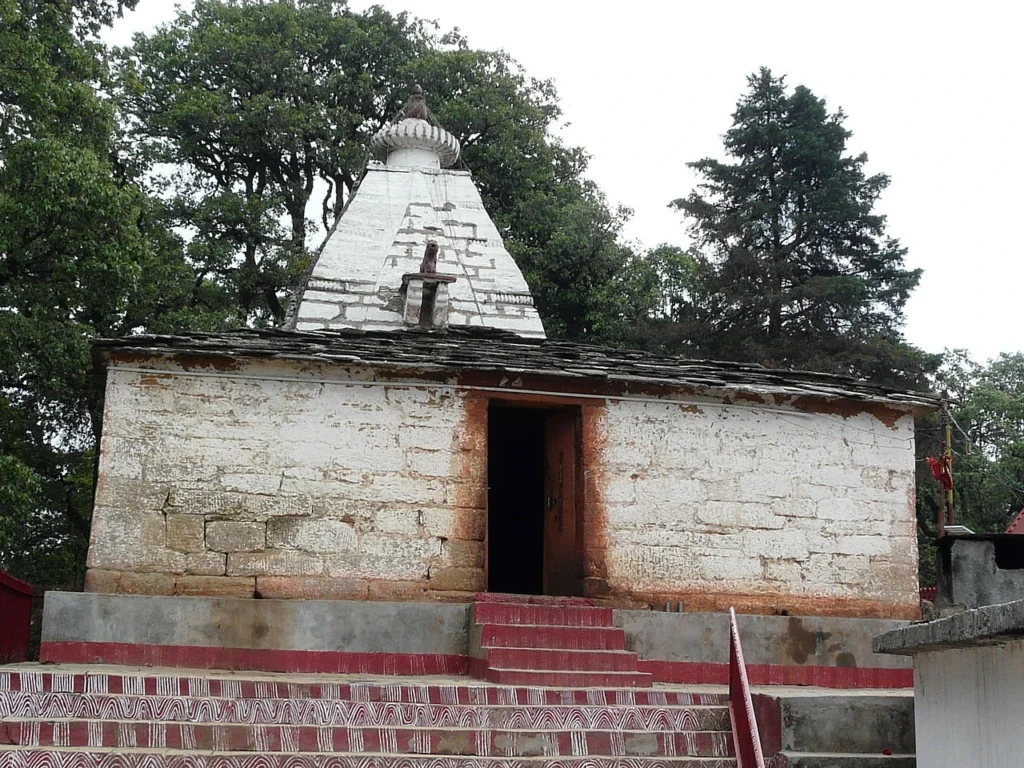
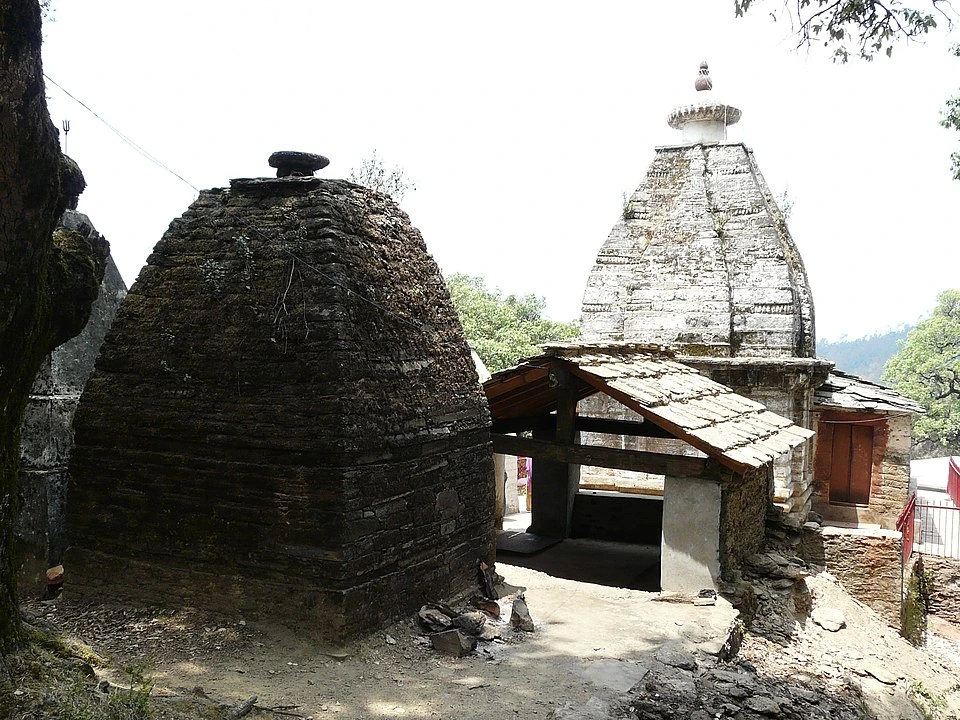
What makes it exceptional is that it is not dominated by one grand structure, but by over 125 ancient stone temples, built between the 7th and 14th centuries with archaeological evidence suggesting even wider construction phases.
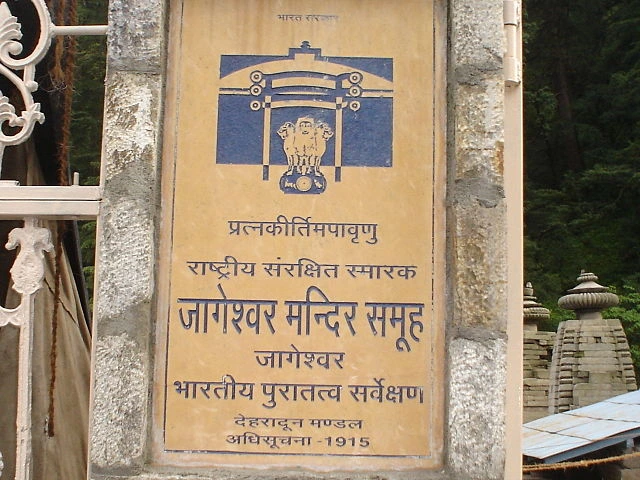
The site is protected and managed by the Archaeological Survey of India (ASI), making it both a spiritual and archaeological treasure of the Himalayas.
Table of Contents
Historical, Religious & Spiritual Significance of Jageshwar
Historically, Jageshwar is believed to have been one of the most important Shaiva centres in the Himalayan region. Ancient texts refer to it as “Yageshvara”, a revered tirtha (pilgrimage site), long before the 10th century.
The valley was once a major centre of Lakulish Shaivism, an early ascetic sect of Shaivism associated with intense yogic practices and monastic traditions.
Unlike later Hindu temples designed for large worship gatherings, many temples here appear to have been memorial shrines or monastic dedications, possibly linked to saints rather than ritual-heavy practices.
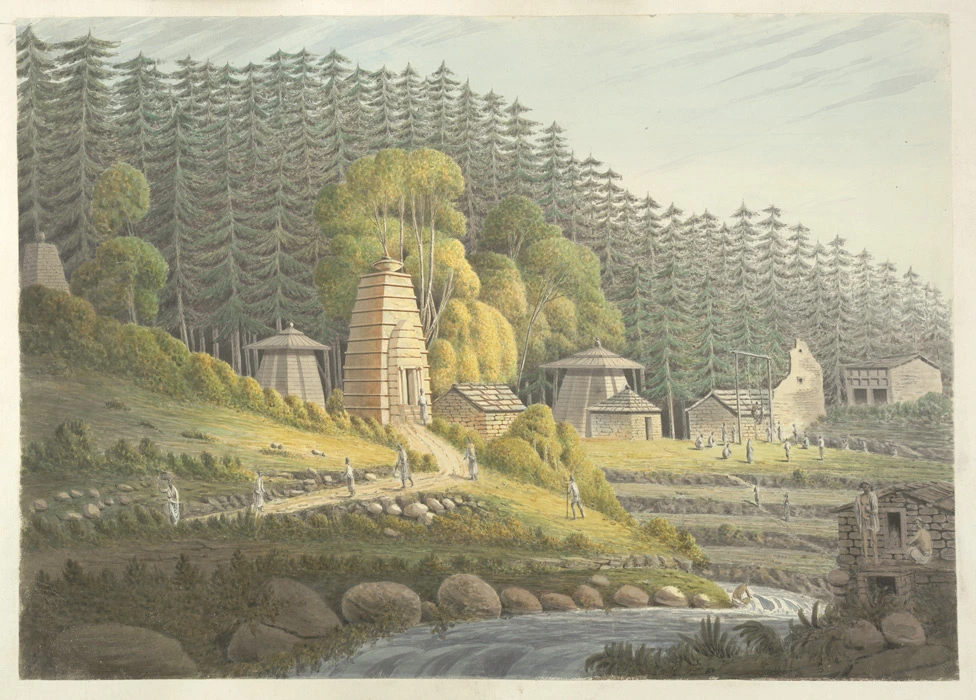
Katyuri & Chand Legacy
Role of the Katyuri Dynasty (7th-11th Century)
The Katyuri dynasty, which ruled large parts of present-day Uttarakhand between the 7th and 11th centuries, is widely credited with transforming Jageshwar into a major Shaiva religious center.
Most historians and archaeologists agree that the majority of the temples at Jageshwar Dham were constructed during the Katyuri period. The dynasty were devoted followers of Shaivism and actively patronised temple-building across the Kumaon region, including Baijnath, Dwarahat and Jageshwar.
Under Katyuri rule:
- Jageshwar evolved into a clustered temple complex rather than a single shrine
- Stone temple architecture flourished, reflecting early Nagara-style influences
- The region became an important religious and cultural hub, attracting sages, scholars, and pilgrims
Contribution of the Chand Rulers (11th-18th Century)
After the decline of the Katyuri dynasty, power in Kumaon shifted to the Chand rulers, who ruled the region for several centuries. Instead of allowing Jageshwar to fade into obscurity, the Chand kings continued to support, preserve and expand the temple complex.
During the Chand period:
- Several existing temples were renovated and restored
- New shrines and supporting structures were added
- Jageshwar remained an active pilgrimage site, not just a historical relic
Many of the stone inscriptions found in and around Jageshwar Dham date back to the Chand era. These inscriptions provide valuable insights into land grants & temple administration.
Archaeological Importance (ASI Perspective)
From an archaeological standpoint, Jageshwar is extraordinary.
- 151 temples are officially numbered and protected by the ASI
- Structures date from post-Gupta period to late medieval era
- Architecture represents North Indian Nagara style, with rare influences from Central and South India
- Stone reliefs depict Shaivism, Vaishnavism, Shaktism, and Sauraism all coexisting in one valley
Many sanctums are remarkably small, often too compact for elaborate rituals. Several Shiva lingas lack drain systems for abhisheka, a feature common in later temples, suggesting these temples were not primarily designed for daily worship.
The Jageshwar Temple Complex
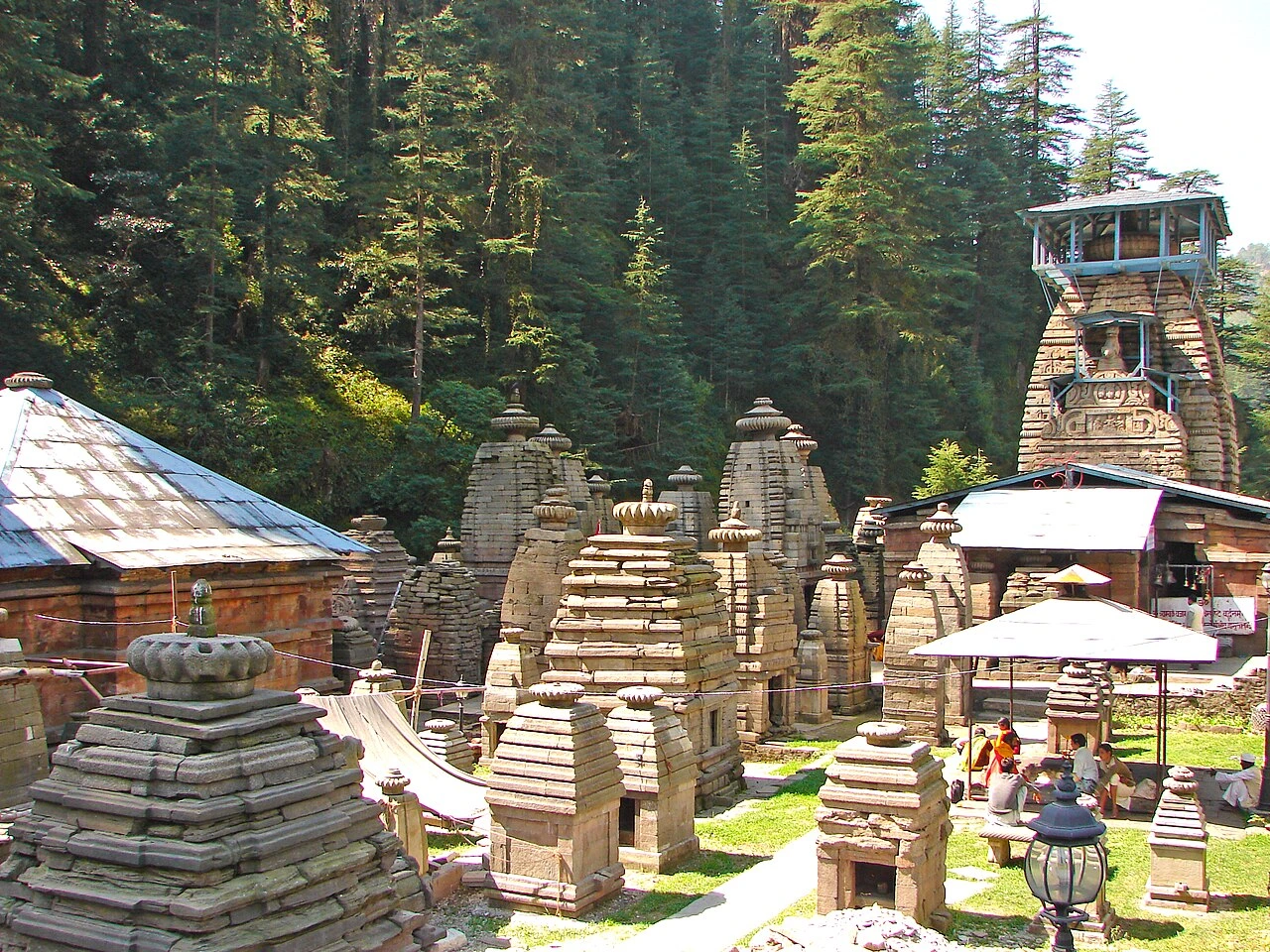
The temple complex stretches over 3.5 km along the Jataganga rivulet, forming a narrow, forested valley. The temples are grouped mainly into two major clusters:
- Jageshwar Group of Temples
- Around 124 temples
- Includes the most significant and large temples
- Dandeshwar Group of Temples
- Around 15 temples
- Located near the village of Dandeshwar
- Includes some of the earliest architectural styles
Together, these clusters form one of the largest temple concentrations in the Himalayas.
Important Temples Within the Jageshwar Complex
Some notable temples you should not miss include:
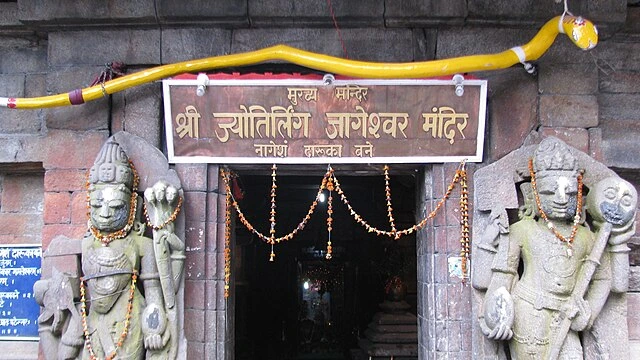
Jageshwar Mahadev Temple (Temple 37)
The principal temple of the complex, dedicated to Lord Shiva, features a pyramidal stone tower, mandapa, vestibule and sanctum. Built around the 12th-13th century, it shows multiple phases of reconstruction.
Mrityunjaya Mahadev Temple (Temple 76)
One of the most architecturally significant temples, dedicated to Shiva as the conqueror of death. It follows classical vastu principles and includes inscriptions dated between the 8th and 10th centuries.
Dandeshwar Mahadev Temple
Located slightly away from the main cluster, this temple stands near the flowing river and is believed to predate many other structures.
Kuber Temple
Dedicated to Lord Kuber, the god of wealth, symbolising prosperity in ancient Shaiva belief systems.
Mritunjaya Temple
Associated with longevity and healing, this temple holds strong spiritual significance.
Nanda Devi / Nau Durga Temple
Dedicated to Goddess Nanda Devi and the Shakti tradition.
Navagraha Temple
Housing representations of the nine planetary deities, reflecting astrological importance.
Surya Temple
Dedicated to the Sun God, reflecting the Sauraism tradition within the complex.
Batuk Bhairav Temple
Associated with protection and tantric Shaiva practices.
ASI Archaeological Museum, Jageshwar
The Archaeological Museum, maintained by ASI, houses over 150 stone sculptures discovered across the valley. These date from the 9th to 13th century and include:
- Uma-Maheshwar
- Surya
- Navagraha panels
- Chamunda Devi
- Saptamatrikas
- Vishapaharanamurti (Shiva consuming poison)
For anyone interested in history, art or iconography, this museum adds context to the site. Jageshwar is not only about temples, nature plays an equal role in geography.
- Jata Ganga River flows through the complex
- Sam Ganga, originating from Jhanker Saim temple, merges nearby Brahma Kund
- Airavat Gufa, a cave associated with legends
Budha Jageshwar Trek (Vriddha Jageshwar)
One of the lesser-known experiences near Jageshwar is the Budha Jageshwar trek, leading to Vriddha (Old) Jageshwar, believed to be older than the main temple complex.
The term Vriddha literally means old or ancient and local belief holds that Budha Jageshwar predates the main Jageshwar complex.
According to oral traditions and regional legends:
Sage Jabali is believed to have performed deep penance here. The Shiva lingam at Budha Jageshwar is considered swayambhu (self-manifested). It is believed that worship here grants spiritual clarity and detachment rather than material desires. The trek to Budha Jageshwar is short and deeply immersive, making it suitable for beginners and families too.

Trek Overview:
- Starting Point: Jageshwar village
- Distance: Approx. 1.5–2 km (one way)
- Duration: 45 minutes to 1 hour
- Difficulty Level: Easy
- Altitude Gain: Gentle, gradual ascent
The trail passes through deodar and oak forests. Unlike commercial trekking routes, this path remains quiet and untouched, especially during early morning hours.
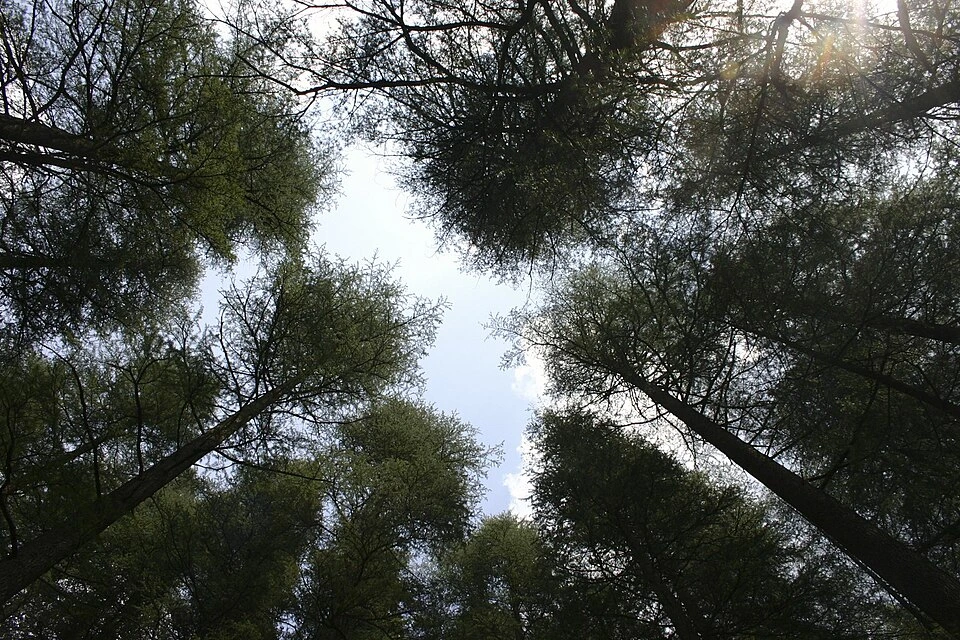
You may encounter:
- Natural stone steps
- Moss-covered boulders
- Small clearings ideal for rest and reflection
The absence of shops, noise or heavy footfall makes the trek feel less like a hike and more like a walking meditation.
Suggested Itinerary for Jageshwar Dham
3 Nights / 4 Days Itinerary
Day 1: Kathgodam → Almora → Jageshwar
- Drive Distance: 125 km
- Total Drive Time: 5.5/6.5 hours (including breaks)
Arrive at Kathgodam Railway Station and begin the drive towards Almora.After a short halt at Almora for refreshments, continue the drive to Jageshwar Dham. Upon arrival, check in to your hotel or KMVN guest house.
The rest of the day is kept light, leisure walk through the deodar forest surrounding the temple complex.
Day 2: Jageshwar Temple Complex & Archaeological Exploration
Exploration Time Required: 4/6 hours
Start early to explore the Jageshwar Valley Temple Complex, spread across nearly 3.5 km along the Jata Ganga river
Spend the day exploring:
- The Jageshwar group of temples and Dandeshwar group, observing the architectural differences
- Major shrines such as Mrityunjaya Mahadev, Jageshwar Mahadev, Dandeshwar, Kuber Temple, and Navagraha Temple
- The ASI Archaeological Museum,
- In the evening, attend the aarti at Jageshwar Mahadev.
- Return to your stay for dinner and overnight rest.
ASI Museum Details:
- Entry Fee: ₹10 per person (Indians) | ₹250 (foreign nationals)
- Timings: 9:00 AM – 5:00 PM (Closed on Fridays)
- Houses 150+ sculptures from the 9th: 13th century, including depictions of Shiva, Uma–Maheshwar, Chamunda, Surya and Navagrahas
In the evening:
- Attend the evening aarti at Jageshwar Mahadev, which usually takes place around 6:30–7:00 PM
Day 3: Budha Jageshwar trek, visit Chitai Golu Devta Temple
Trek Distance: 3.5/4 km (one way)
Trek Duration: 2–3 hours (ascent), 1.5/2 hours descent
Difficulty Level: Easy to Moderate
After breakfast, begin the Budha Jageshwar (Vriddha Jageshwar) trek, which starts near Jageshwar Dham. At the summit: Visit the Vriddha Jageshwar Temple, believed to be associated with Lord Shiva’s elder form. After descending, drive towards Chitai Golu Devta Temple.
Distance from Jageshwar: 25 km
Drive Time: 1.5 hours
Post-trek, drive towards Chitai Golu Devta Temple, one of the holy temples in Kumaon, known for its thousands of bells and strong local faith. Return to Jageshwar by evening and relax
Day 4: Optional visit to Patal Bhuvaneshwar and return
On the final day, travellers may choose to visit Patal Bhuvaneshwar, a limestone cave temple associated with Lord Shiva and Hindu legends. The cave journey is short but involves steps and narrow passages. After the visit, begin your return journey towards Almora and Kathgodam.
Cave Visit Details:
- Walking distance inside cave: 160 meters
- Steps involved: 90 steep steps
- Average exploration time: 45/60 minutes
How to Reach Jageshwar Dham
By Air
- Nearest Airport: Pantnagar Airport
- Distance: Approx. 155 km
- Travel Time: 6-7 hours by road
Pantnagar is connected to Delhi via limited flights. From the airport, taxis are available to Almora and further to Jageshwar.
By Rail
- Nearest Railway Station: Kathgodam
- Distance: Approx. 121 km
- Travel Time: 4.5-5 hours by road
Kathgodam is well connected to major cities like Delhi, Lucknow and Kolkata. From Kathgodam, shared taxis and private cabs are easily available to Almora. Jageshwar lies 37 km from Almora, connected by a well-maintained mountain road.
By Road
Jageshwar is well connected by road but remains untouched by mass tourism.
- From Almora: 37 km | 1–1.5 hours
- From Haldwani: ~110 km | 4–5 hours
- From Delhi: ~420 km | 10–12 hours
The final stretch from Almora to Jageshwar is particularly very beautiful because of the hill settlements.
Where to Stay Near Jageshwar Dham
Accommodation around Jageshwar is intentionally low-key, aligning with the area’s spiritual and ecological sensitivity. Instead of luxury resorts, you’ll find peaceful stays that complement the forested surroundings.
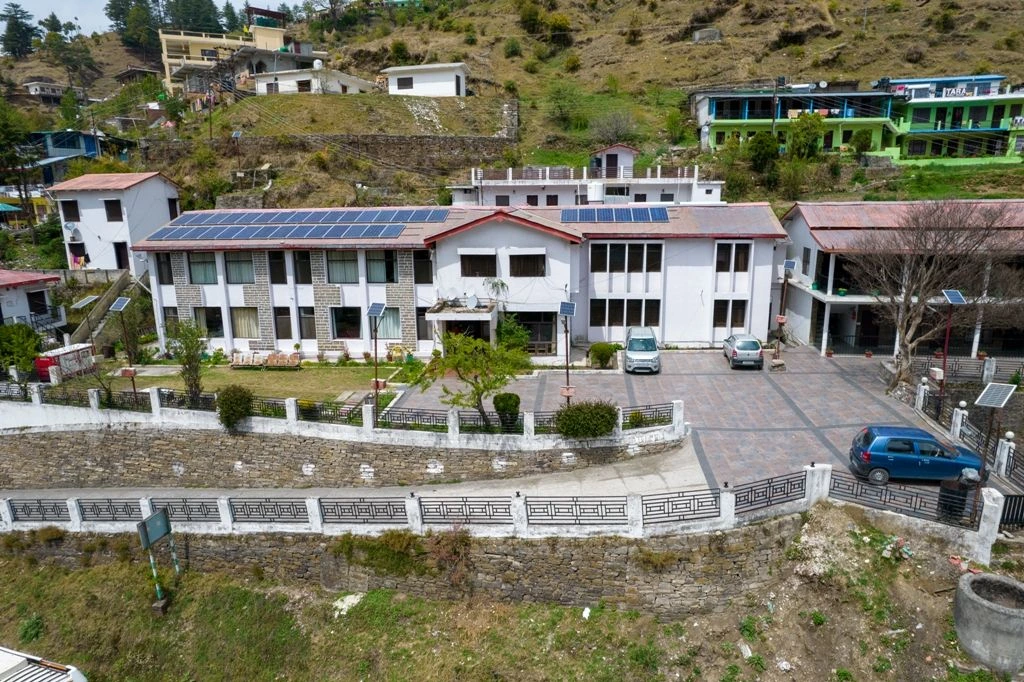
- KMVN Tourist Rest House, Jageshwar
Operated by Kumaon Mandal Vikas Nigam (KMVN), this is one of the most reliable and preferred options for pilgrims and trekkers.
- Located close to the temple complex
- Clean, well-maintained rooms
- Affordable pricing
- Ideal for families and spiritual travellers
- Forest Rest House (Limited Availability)
For travellers looking to stay closer to nature, the Forest Rest House near Jageshwar offers a unique experience in deodar forests. Availability is limited and usually requires advance booking through forest department channels.
- Homestays Around Jageshwar & Almora
Several local families run homestays in villages near Jageshwar and on the Almora-Jageshwar route. These stays provide warm hospitality, home-cooked Kumaoni food and insights into local culture.
Staying in a homestay also supports the local economy and promotes sustainable tourism.
- Staying in Almora (37 km Away)
If you prefer more options, Almora offers:
- Boutique hotels
- Budget lodges
- Heritage stays
Many travellers choose to stay in Almora and do a day trip to Jageshwar, combining comfort with exploration.
Nearby Places to Visit
Chitai Golu Devta Temple (Approx. 45 km)
Dedicated to Golu Devta, the god of justice, this temple is famous for the thousands of bells and written petitions offered by devotees. People believe that sincere prayers here are answered.
Patal Bhuvaneshwar (Approx. 70 km)
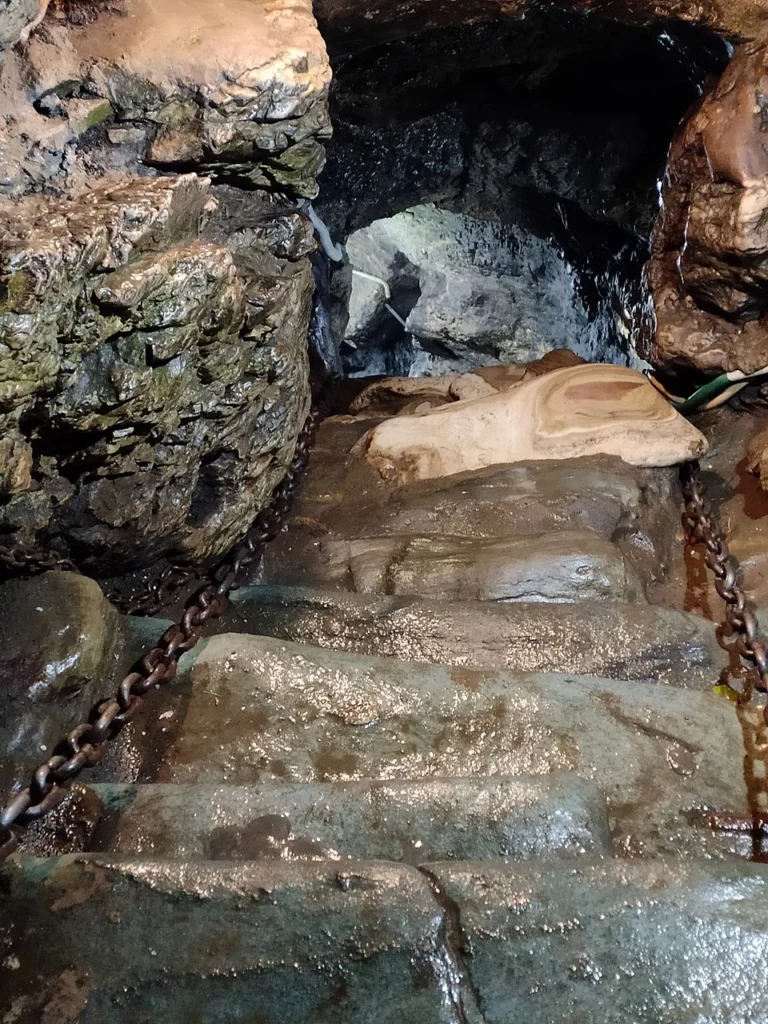
A limestone cave temple, Patal Bhuvaneshwar is believed to house underground shrines of 33 crore deities. The cave involves narrow passages and rock formations resembling mythological figures.
It is considered one of the most powerful subterranean pilgrimage sites in Uttarakhand.
Mukteshwar (Approx. 60 km)
Known for its Shiva temple and Himalayan viewpoints, Mukteshwar offers clear views of Nanda Devi and surrounding peaks.
Binsar Wildlife Sanctuary (Approx. 55 km)
A protected forest reserve rich in flora and fauna, Binsar is perfect for nature lovers and birdwatchers. The sanctuary offers forest trails, zero-point Himalayan views and deep silence making it a natural extension.
Baijnath Temple Complex (Approx. 100 km)
Located on the banks of the Gomti River, Baijnath is another ancient Shaiva site dating back to the 12th century. The temples here display exquisite stone craftsmanship and are closely associated with early Katyuri rulers.
Final Thoughts
Jageshwar Dham is not a destination you rush through. It is a place to walk slowly, observe quietly and feel it all. Whether you come as a pilgrim, history enthusiast, trekker or seeker, the valley offers meaning that unfold with time.
For those exploring the Himalayas beyond the usual tourist routes, Jageshwar stands as a reminder that true sacredness often exists away from crowds.

Leave a Comment