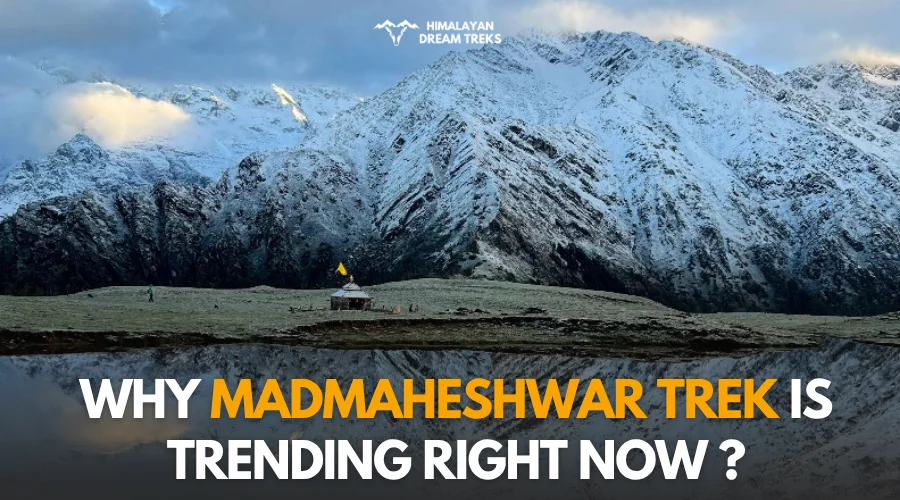
In the Garhwal Himalayas, the trek to Madmaheshwar feels calm and personal, like you finally get a quiet moment away from everything.This ancient shrine sits at about 3,497 meters and holds an important place in the sacred Panch Kedar Yatra. Both devotees and trekkers come here to experience a mix of spirituality and untouched mountain beauty.
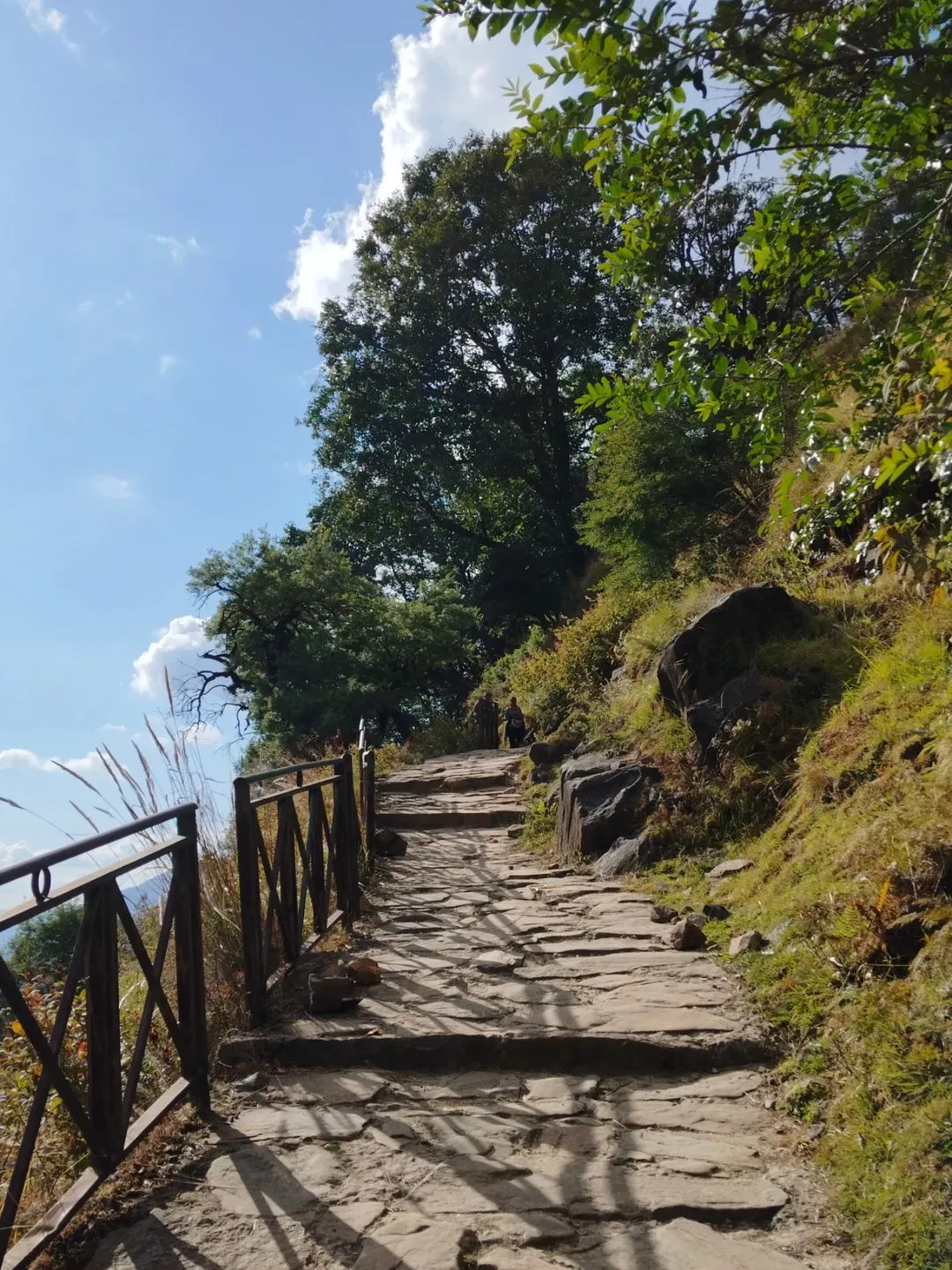
In Rudraprayag district of Uttarakhand, the temple is dedicated to Lord Shiva and feels far less commercial than many other Himalayan shrines. The journey includes a moderate trek through forests, small villages, and open meadows, which naturally keeps the crowds away.
So why is everyone suddenly talking about this trek? The answer comes down to changing travel trends, the influence of social media, and a growing interest in quieter, more meaningful experiences in the mountains.
The Hidden Gem Factor: Why Trekkers Are Choosing Madmaheshwar Over Kedarnath
One of the biggest reasons behind the growing buzz around Madmaheshwar is its “hidden gem” appeal. While places like Kedarnath attract massive crowds every season, Madmaheshwar still feels quiet and untouched. You don’t have to deal with long queues, packed trails, or constant noise. Instead, the journey feels slower, calmer, and much more personal. Also the Madmaheshwar temple closely resembles to Kedarnath Temple, with a similar style of architecture and overall structure adding to that familiar spiritual connection.
When people compare it with Kedarnath, a few things stand out clearly:
- Fewer crowds, which means a more relaxed trekking experience
- A peaceful atmosphere where you can actually enjoy the surroundings
- A raw Himalayan feel, without too much commercial setup
This shift is not random. More travelers now look for offbeat destinations where they can avoid chaos and connect with nature in a real way. That’s exactly where Madmaheshwar stands out.
The Social Media Effect: From Hidden to Trending
Let’s be honest social media plays a huge role in shaping travel trends today. A place can stay unnoticed for years, and then suddenly, a few viral posts bring it into the spotlight. That is exactly what’s happening with Madmaheshwar, as more people discover it through reels and travel videos.
Platforms like Instagram and YouTube have turned Madmaheshwar into a visual highlight. Trekkers and creators share clips of quiet trails, scenic views, and the overall journey, which feels raw and real. This kind of content builds curiosity, and once a few videos perform well, more people start searching and planning their visit.
Some of the most viral highlights include:
- Views of the majestic Chaukhamba Massif glowing during sunrise
- The magical sunrise at Buda Madmaheshwar
- Vast green bugyals that look straight out of a postcard
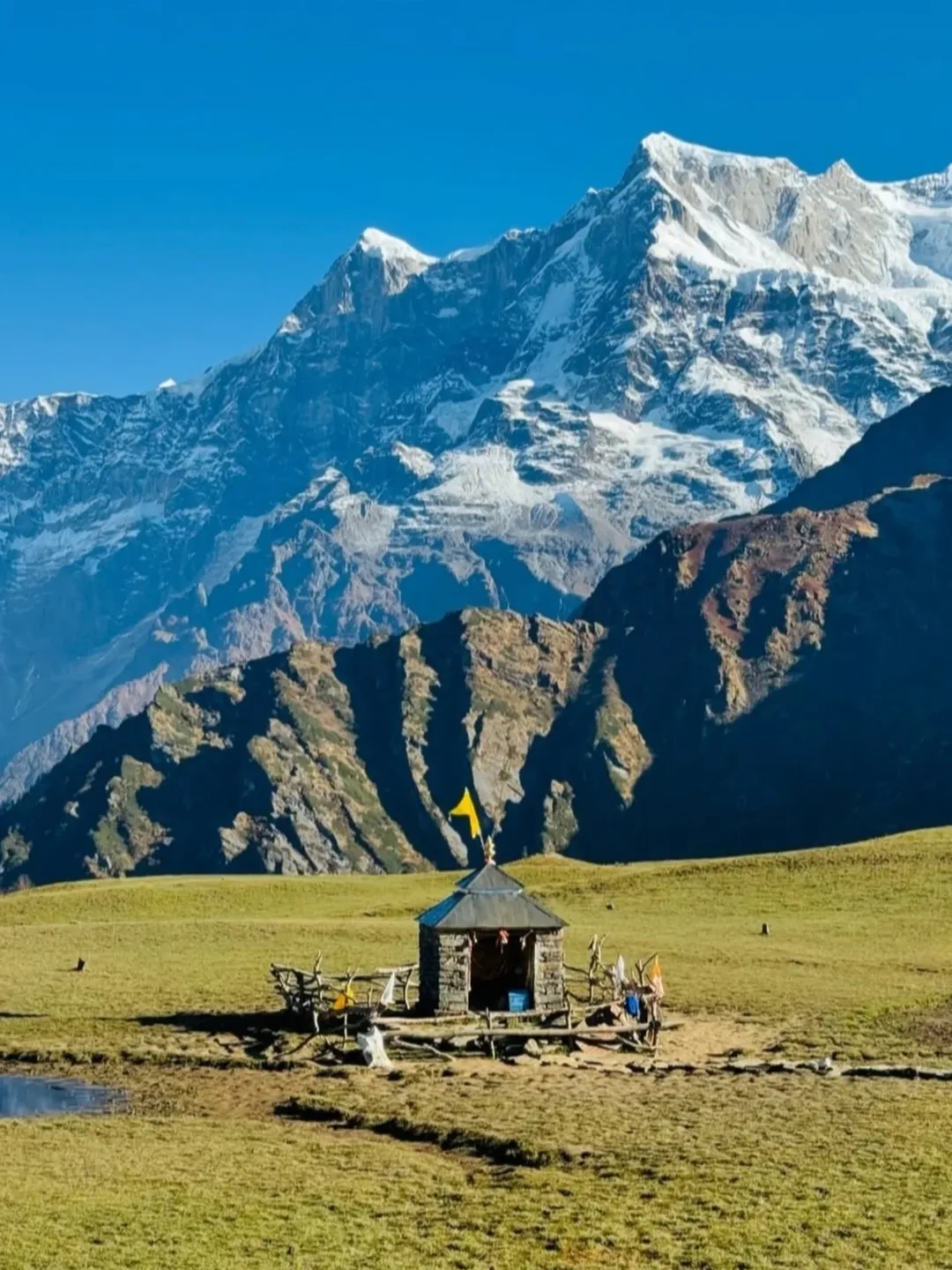
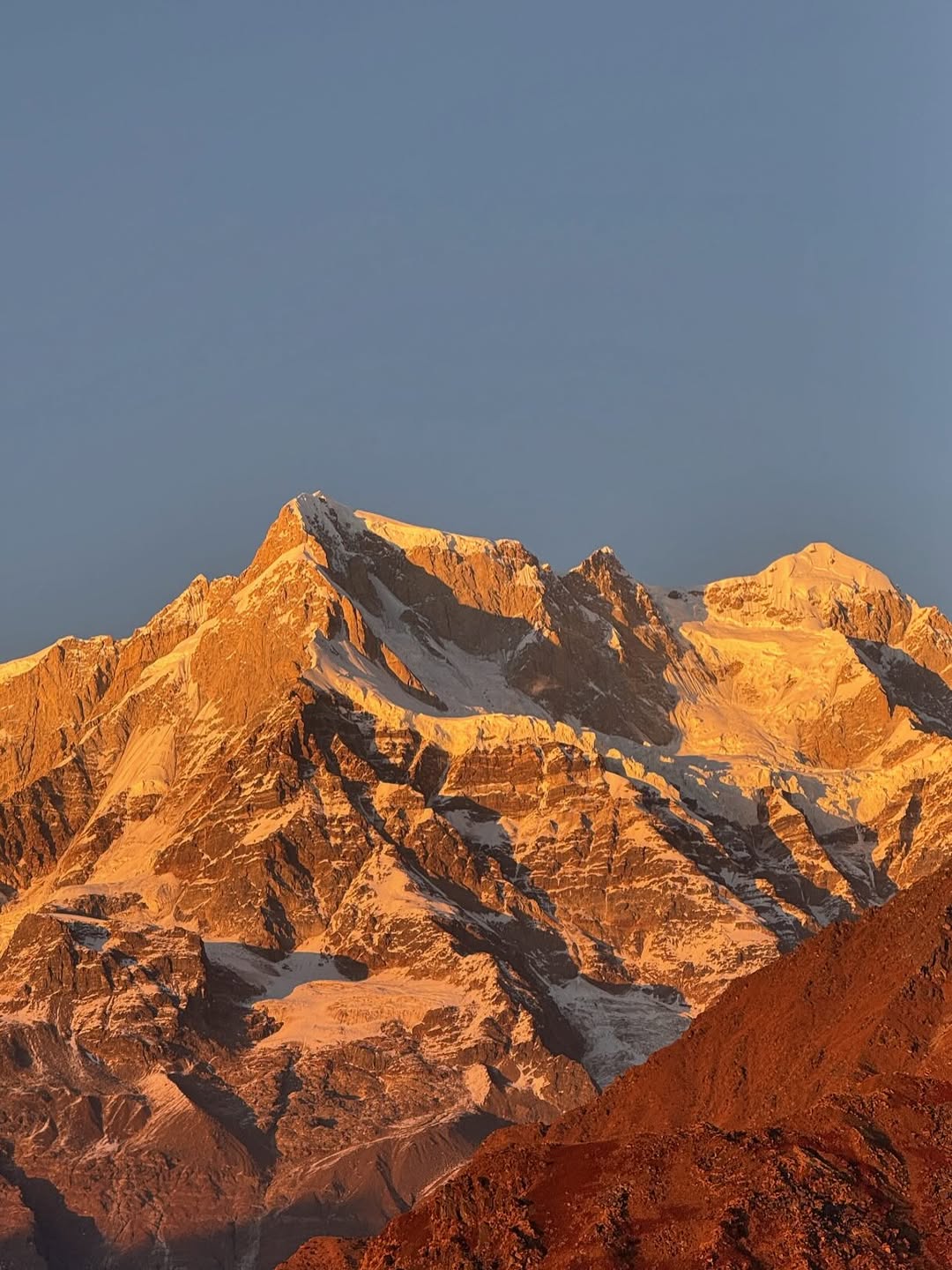
Once a few reels gain traction, search interest naturally spikes. People start looking up routes, itineraries, and best times to visit. This cycle continues, pushing the trek into the “trending” category.
However, the appeal is not just visual. The content feels authentic. Unlike heavily edited tourist spots, Madmaheshwar still looks real and that honesty resonates with viewers.
Spiritual Significance of Madmaheshwar
Madmaheshwar is not just a scenic trek, it carries deep spiritual meaning in Hindu mythology. The temple is dedicated to Lord Shiva and is considered one of the most important shrines in the Garhwal Himalayas. Unlike more crowded pilgrimage sites, the peaceful setting here allows visitors to connect with both nature and spirituality in a more personal way.
It is also an important part of the sacred Panch Kedar pilgrimage, which holds strong religious value for devotees across India. Each temple in this circuit has its own story and significance, making the journey even more meaningful.
Key spiritual aspects of Madmaheshwar include:
- Believed to represent the navel of Lord Shiva, according to mythology
- Strong connection with the Pandavas from the Mahabharata era
- An essential stop in the Panch Kedar pilgrimage circuit
- A calm and less crowded space for prayer and reflection
This mix of mythology, faith, and peaceful surroundings adds a deeper purpose to the trek, making it more than just a mountain journey.
Conclusion
The Madmaheshwar Temple trek did not become popular overnight. Its rise comes from a mix of real factors—peaceful trails, strong spiritual value, and stunning Himalayan views that still feel untouched. It offers something many destinations have lost over time: space to slow down, breathe, and actually experience the mountains.
At the same time, growing popularity also brings responsibility. If you plan to visit, respect local culture, avoid littering, and support local communities along the route. Small actions go a long way in preserving the beauty of places like this.
Madmaheshwar is not just another trending trek. It reflects a larger shift in travel mindset, where people choose meaningful experiences over crowded checklists. If this trend continues, quieter and lesser-known trails across the Himalayas will shape the future of trekking in India.

Leave a Comment