You wake up before dawn in Manali, your breath misting in the crisp mountain air.
As you sip your tea by the light of your headlamp, the silhouette of Deo Tibba looms on the horizon – a vast, softly rounded dome of snow, timeless and majestic. This is not just any peak; for centuries, locals have believed that the gods gather upon its snowy summit.
Table of Contents
Climbing History
Deo Tibba (“Deo” meaning gods, “Tibba” meaning hill) stands at an elevation of 6,001 meters in the Pir Panjal Range of Himachal Pradesh.
Its unique summit is not a sharp peak, but a broad, gently sloping snow dome – a formation that both challenges and captivates mountaineers.
The very first ascent of Deo Tibba was made in 1952 by Dr. J. de V. Graaff, his wife Clare, and Pasang Dawa Lama, via the northwest ridge from Duhangan Col. Since then, several notable expeditions have followed. In 1958, a Himalayan Club team explored a route via the watershed ridge, establishing camps in steep glacial terrain.
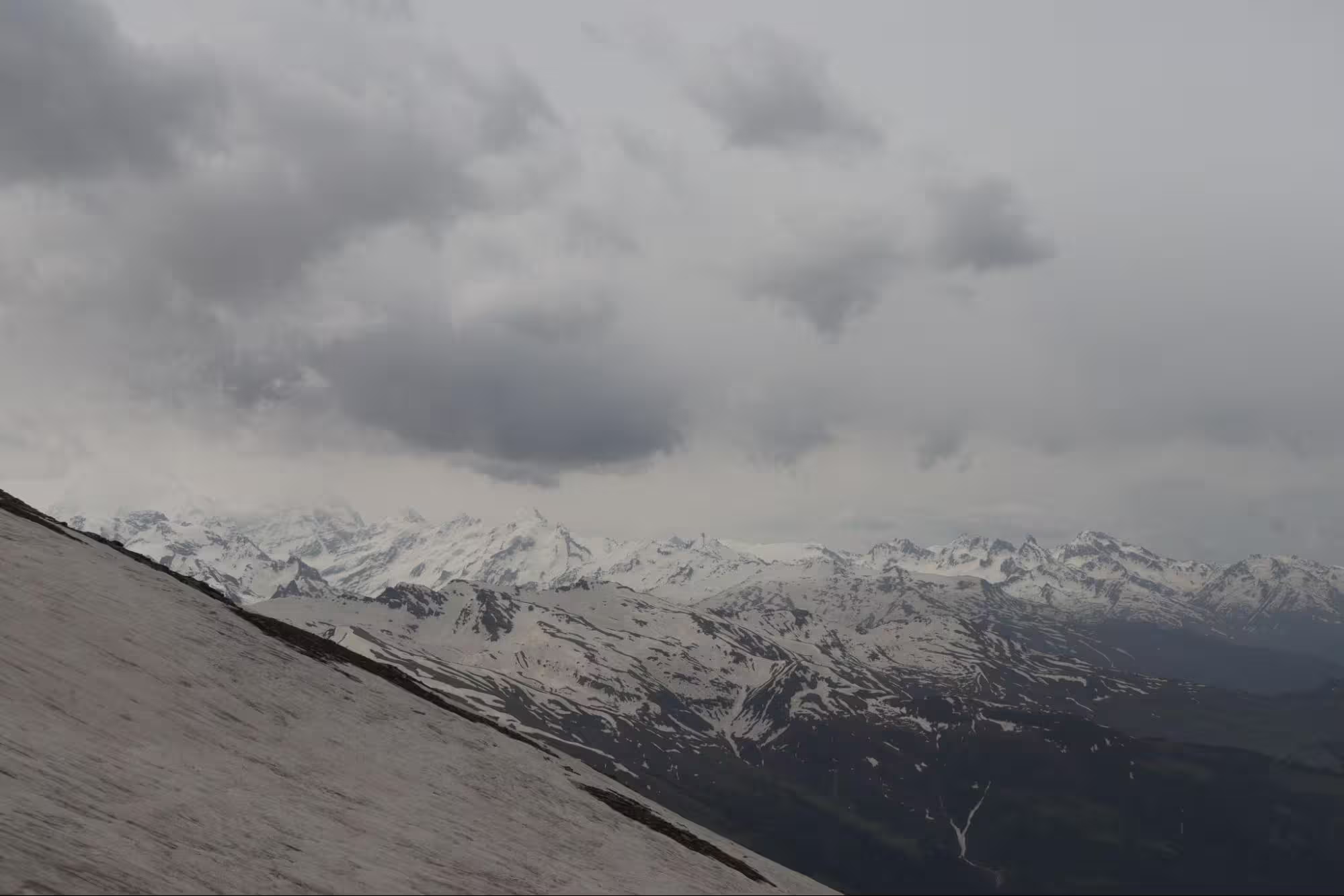
In 1969, an ambitious Italian group of 24 climbers made a successful ascent, marking a turning point in significant expedition-style climbs. More recently, a four-member Japanese team summited Deo Tibba in July 2012, founding a route they dubbed the “Prow of Shiva” after tackling challenging snow ridges and bivouacking under cornices.
For decades, Deo Tibba has remained a favourite among climbers seeking a technically demanding Himalayan peak – not merely for its height, but for its complex glaciated terrain, crevassed ice fields, and the fixed ropes required to reach its flat summit plateau.
When to Climb (Best Season)
If you’re planning to climb Deo Tibba, the ideal windows are May–June and September–October. During these months, the weather is relatively stable, snow conditions are favourable, and visibility is often excellent, making technical climbing safer and more predictable. Outside of these periods, heavy snow, poor weather, and increased risk make the climb far more challenging.
Map & Route Overview
Imagine a map of the Kullu Valley in Himachal Pradesh, with Manali to the northeast and Deo Tibba rising to the southwest, above the village of Jagatsukh. The standard approach to the peak starts near road-heads close to Jagatsukh, and involves trekking through the scenic Hamta nala and ascending via Duhangan Col.
From the base camp at Tenta (4,156 m), climbers ferry loads to Camp I at the Duhangan Col (5,100 m). From Camp I, teams navigate glaciers, crevasses, and rock-fall zones to reach high camps near 5,600 m or higher. The final push to the summit involves fixed ropes, crampons, ice axes, and often a bivouac, before you reach the 6,001 m summit dome.
Duration & Package Options
Depending on how ambitious you are, whether you just want to trek to base camp or attempt the full summit your trip may vary in duration:
- Base Camp Trek: Several operators offer treks lasting 6 days / 5 nights.
- Longer Base Camp Tours: For instance, Camp Wanderers runs an 11-day base trek.
- Full Climbing Expedition: For the summit, typical itineraries are 11 days or 13 days.
Budget & Cost Breakdown
Your total expense for Deo Tibba depends largely on whether you choose to trek to the base camp or attempt the summit. The duration, inclusions, and technical support required will shape the overall cost. Below is a general cost range to help you plan wisely:
1. Base Camp Trek
For those aiming only for the base camp, expect:
- 6–10 day packages
- Estimated cost: ₹13,000-₹25,000 per person
Most base camp packages typically include:
- Accommodation in camps
- Meals during the trek
- Trek leader and support staff
- Permits and entry fees
- Camping gear (tents, sleeping bags, etc.)
- Porters or mule support for luggage
Higher-priced packages may offer better gear quality, medical backup, larger support teams, and optional transportation from major cities.
2. Full Summit Expedition
A complete Deo Tibba expedition includes technical climbing, high-altitude equipment, and trained mountaineering guides. These factors significantly increase the cost. Expect:
- 11–14 day packages
- Estimated cost: ₹75,000–₹1,20,000 per person
- Some international operators may list prices starting from US $1,000+
3. Typical summit packages include
- All meals and camping during the expedition
- Certified technical guides and high-altitude porters
- Climbing gear (ropes, harness, helmets, crampons, ice axes)
- High-altitude tents, ropes, anchors, fixed-line setup
- Peak permits, insurance for staff, and government documentation
- Oxygen support and emergency evacuation planning
4. Extra Costs You Should Keep in Mind
- Personal gear (mountain boots, gloves, layered clothing)
- Travel to and from Manali
- Extra porter charges for excess luggage
- Travel insurance covering high-altitude rescue
- Tips to staff and guides
Who Should Attempt Deo Tibba?
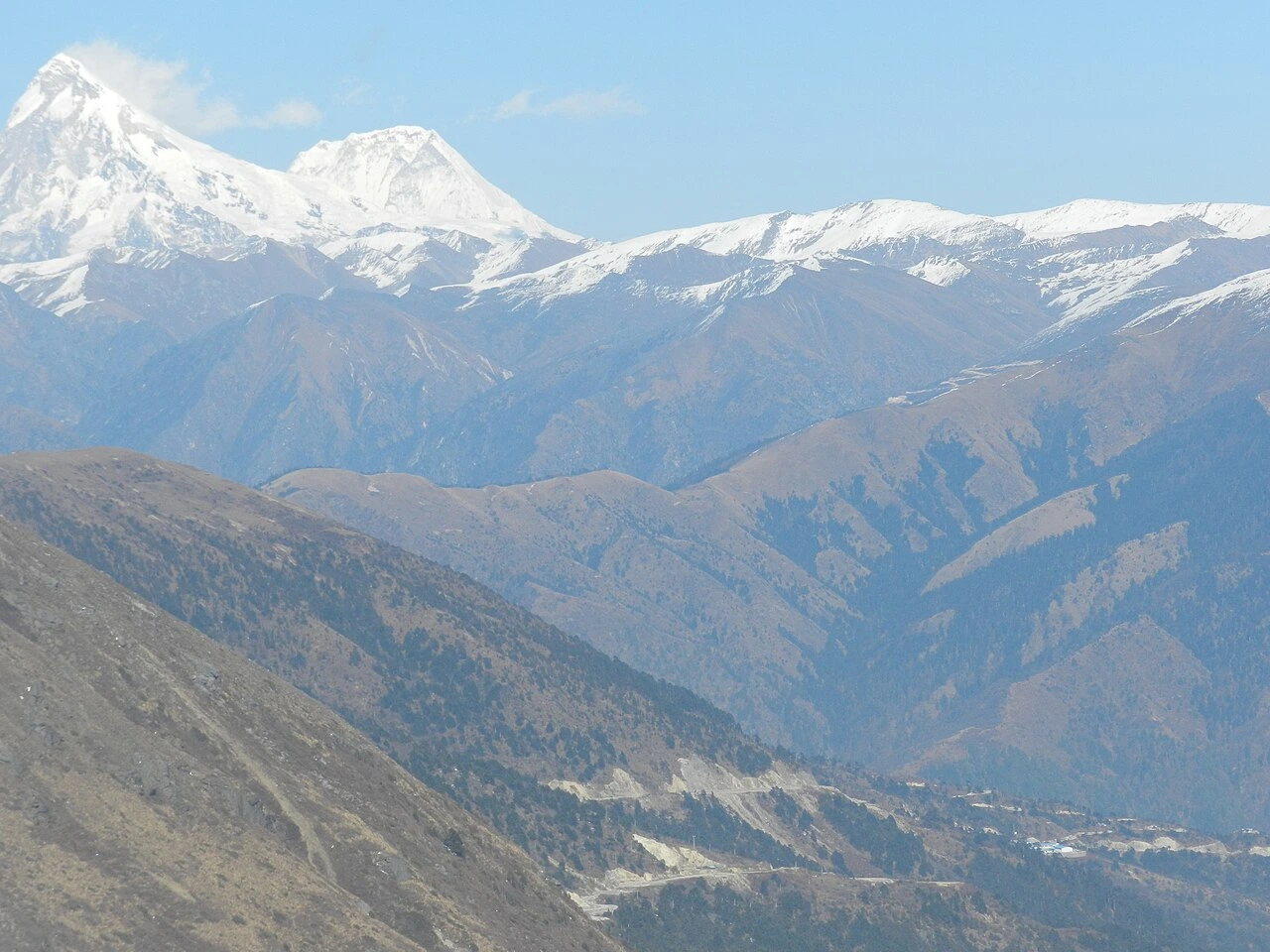
You should consider Deo Tibba if:
- You have some experience: While it’s not the highest Himalayan summit, climbing Deo Tibba is technically demanding. You need to be comfortable with ice climbing, fixed ropes, crampons, and high-altitude glacier travel.
- You’re not a complete beginner: Several expedition notes emphasize that Deo Tibba requires prior mountaineering experience; it’s not merely a trekking peak.
- You’re ready for logistics: The expedition involves organizing permits, technical gear, hiring experienced guides, porters or mules, and often managing risk via acclimatization days. Many guided companies offer complete packages.
Key Tips & Advice
- Acclimatize properly: Use the extra days to adjust to altitude before attempting the summit push.
- Train in advance: Practice with crampons, ice axes, and fixed rope climbing in lower-altitude terrain if possible.
- Pack smart: Bring technical gear (boots, crampons, helmet), warm clothing, and a personal medical kit.
- Permits: For foreigners, an Indian Mountaineering Foundation (IMF) liaison officer is usually required.
- Insurance: Make sure your travel insurance covers high-altitude rescue.
- Respect local culture: Deo Tibba is sacred. Engage respectfully with local guides and shepherds (Gaddis), who are part of the heritage.
Wrapping Up
As you stand at the base of Deo Tibba, you realize this is more than a destination; it’s an invitation. You’re not simply climbing a mountain; you’re stepping into a story carved by wind, snow, and legend.
With every step through the Duhangan Col and across crevasses, you feel the presence of history beneath your boots and the gaze of the gods overhead.
You train, plan, and push onward, but the mountain asks for more than strength; it asks for reverence. And when you finally reach its divine dome, you’ll know you’ve earned a place in its timeless tale!

Leave a Comment