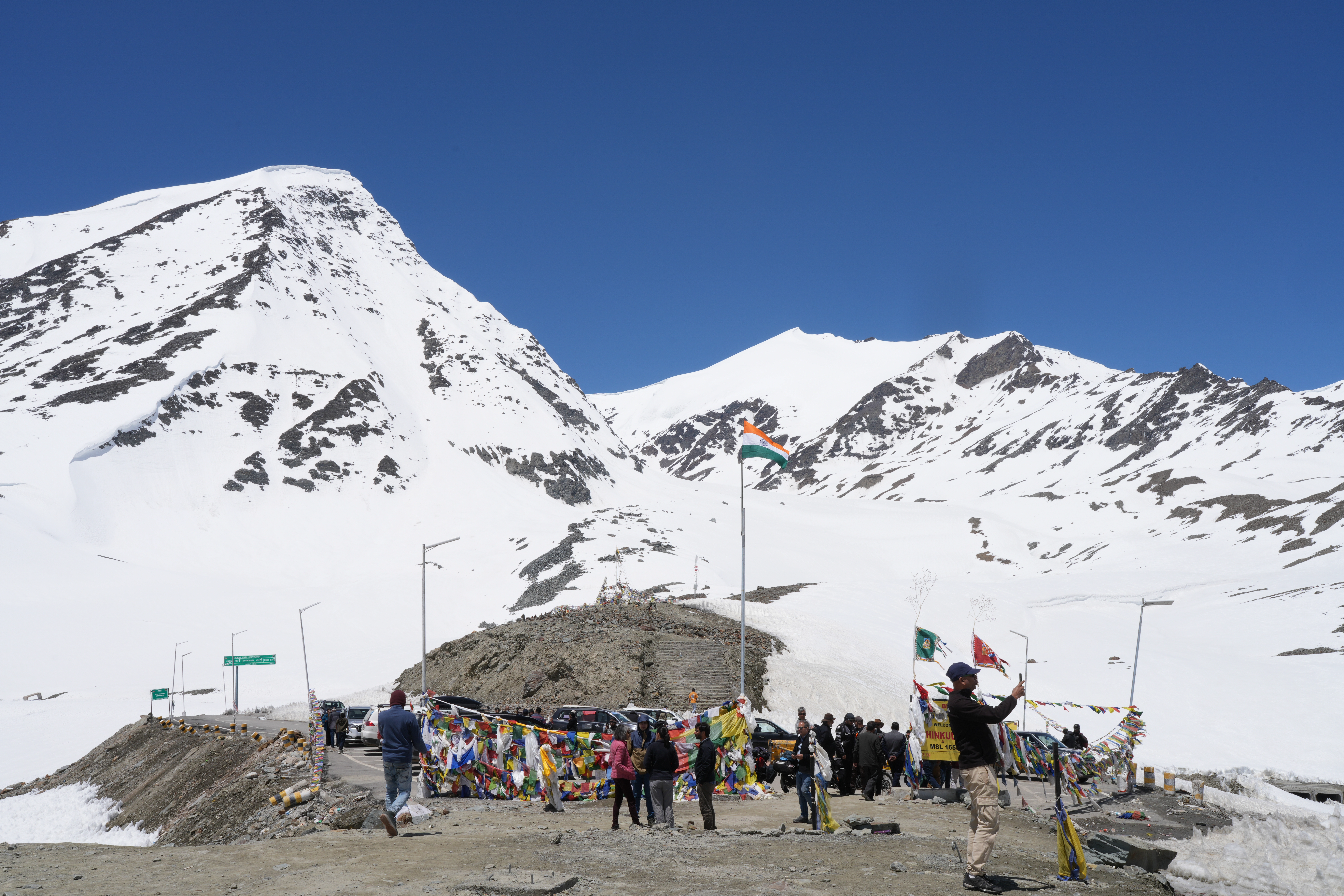
Perched just above the remote Shinkun La, a high pass linking the dramatic cliffs of Lahaul to the rugged plateaus of Zanskar, these 6,000-plus-meter mountains sit at roughly 32.79°N, 77.21°E, tucked far from common trekking routes.
Their flanks fall into deep glacier-cut valleys, once part of age-old trade paths that threaded between these regions. Today, only a handful of mountaineers ever reach this corner of the Himalaya, where the climb blends moderate technical challenges with the raw commitment required in true wilderness terrain.
For anyone drawn to unclimbed-feeling horizons, quiet camps under enormous skies, and the satisfaction of standing on a summit few have ever touched, the journey to Shinkun East and West offers an experience as rare as the mountains themselves.
Table of Contents
Climbing History
- First ascent of Shinkun East: The first recorded successful summit of Shinkun East (6,081 m) was accomplished by a seven-member team organised by the Himalayan Club. They established a base camp at Chuminakpo (4,650 m) and a high camp at about 5,190 m. On September 10, the summit push overcame challenging cornices, steep rock bands (some 70 m high), and rock barriers before reaching the final ice slope to the top.
- First ascent of Shinkun West: A separate expedition in 2004 successfully summited Shinkun West (6,127 m). On August 5, six team members, accompanied by two Sherpas, followed the east ridge to reach the summit.
- Recent climbs: Even in recent years, these peaks continue to attract mountaineering groups. For example, a team in 2024 from a mountaineering club reached the summit of Shinkun West.
When to Climb & Best Season
The ideal time to attempt Shinkun East or West is between July and August, when weather conditions in the Lahaul–Zanskar region are relatively stable, snow and ice are manageable, and the skies are often clear.
Outside this window, weather becomes unpredictable, passes such as Shinkun La may block access, and avalanche risk or heavy snowfall can make climbing dangerous. Thus, summer offers the safest window for both access and summit push.
Suggested Package & Budget
Based on recent expedition offerings and registered climbs, here is a rough template for a 10-day climbing package (for Shinkun East or West):
- Typical duration: 10 days (from transit start to return) — though some seasons or groups may stretch to 12–14 days to allow for acclimatization and weather delays.
- What’s usually included: Transportation from nearest major hub (e.g., from Chandigarh or Manali), food (meals during the trek and on the mountain), camping gear (tents, sleeping bags), technical mountaineering equipment, high-altitude support (guides, porters or Sherpas), first-aid kit / oxygen cylinder, and permits.
- What may not be covered: Personal luggage porters (sometimes required), personal travel to start city or Manali, any extra nights or delays due to weather, tips, insurance beyond the basic first-aid/expedition insurance.
Keep in mind: Because this is a remote and demanding expedition, many operators insist on prior mountaineering experience or at least good trekking experience. Additionally, actual costs may vary depending on group size, services (e.g. whether Sherpas or mules are included), current transport costs, permit fees, and gear rental.
Where & How to Start: Route & Map
Your journey usually begins from Manali (Himachal Pradesh), which is the well-connected hub nearest to the Shinkun region. From Manali, you travel via road to villages such as Jispa, then on to the trailhead near the pass (Shinkun La / Shingo La), and from there head towards base camp.
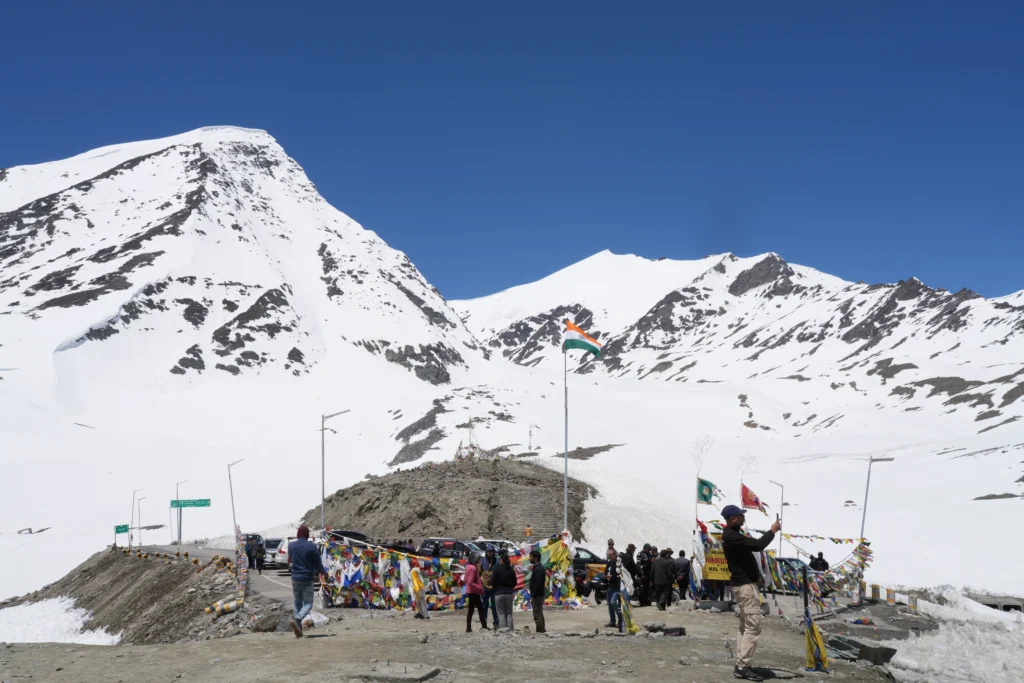
The pass itself, Shinkun La, connects the Lahaul valley to the Zanskar region. East of the pass lies Shinkun East (6081 m), while Shinkun West (6127 m) lies to the west.
Here’s a simplified map-like outline of the route:
- Starting point: Manali to Jispa (by road)
- Trailhead: Near Shinkun La / Chuminakpo
- Base Camp: 4,650–5,100 m (depending on expedition)
- High Camp / Summit Push: From high camp (5,100–5,500 m) to summit (6,081 m or 6,127 m)
Because of the remoteness and difficult terrain, you should plan for road travel + trekking + high-altitude climbing, and coordinate closely with organized expedition operators.
What to Watch Out For
- Altitude & Acclimatization: At over 6,000 m, altitude sickness can be a real risk. Proper acclimatization days are critical.
- Technical Sections: On past expeditions (especially Shinkun East), climbers negotiated cornices, steep rock bands, rock barriers, and ice slopes.
- Unpredictable Weather & Delays: High Himalayan weather can cause delays; snow, storms or strong winds are possible even in summer.
- Remoteness: Medical facilities are non-existent nearby. Rescue would be difficult. You must carry proper safety gear (first aid, oxygen, communication) and be prepared for emergencies.
- Logistics & Permits: Organising transport, permits, porters (or Sherpas), food, and waste disposal requires careful planning. Choosing a reliable operator helps mitigate risks.
How to Contact / Plan Your Expedition
If you’re keen to attempt Shinkun East or West, consider the following steps:
- Connect with experienced mountaineering clubs or operators known to run Shinkun expeditions. Many recent climbs (e.g. 2019, 2021, 2024) have been led by clubs offering organised expedition packages.
- Confirm what the package includes; transportation from base city, food, tents, high-altitude gear, guides or Sherpas, emergency support, permits, insurance, etc.
- Plan for a minimum 10-day block (often 12-14 days is safer to allow acclimatization and buffer for weather delays).
- Ensure you are physically fit, ideally with prior high-altitude trekking or climbing experience, and carry or rent suitable mountaineering gear (ice-axe, crampons, ropes, high-altitude clothing).
- Choose the climbing season (preferably July–August) for best safety and success rate.
Conclusion
As you step back from these raw Himalayan giants, let the silence and scale of Shinkun East and West stay with you.
You’ve seen how remote these summits are, how few footsteps mark their ridges, and how much determination they demand. Now it’s your turn to carry that inspiration forward.
Whether you choose to climb, to plan, or simply to dream, you hold the power to turn this distant horizon into your next great adventure.
Pack your courage, trust your preparation, and let the high winds of Shinkun guide you toward a summit that is truly your own!

Leave a Comment