Friendship Peak Expedition: A High-Altitude Climbing Adventure
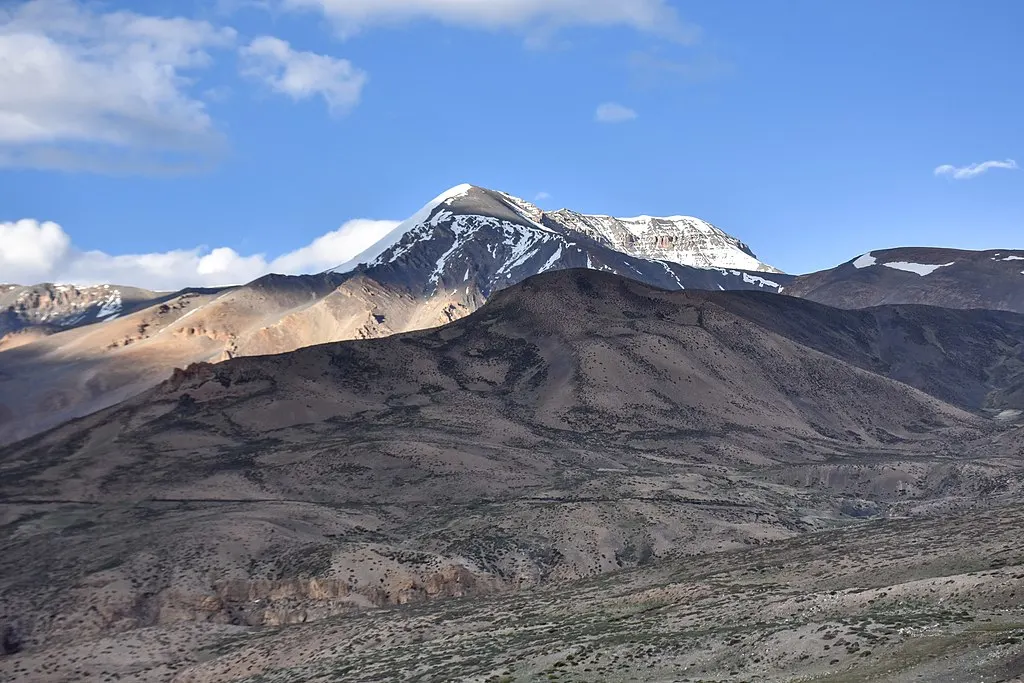
A thrilling semi-technical climbing destination, Friendship Peak Expedition offers an adrenaline-filled adventure at 5,289 meters. Located in Himachal Pradesh’s Pir Panjal range in Manali, it is popular among mountaineering enthusiasts. You will experience its forested steep slopes in the lower reaches, expansive alpine meadows, moraine fields, and snowy trails near the col.
Your journey starts from Manali, leading through the mountainous landscapes of Solang Valley to the trailhead at Dhundi. From here, you take on the challenges of the higher camping grounds of Lohali and Lady Leg campsites. On your way, you will witness the holy Beas Kund and glaciers from a distance. The final adventurous journey to the Friendship Peak summit involves technical rock climbing, giving you an experience of a lifetime.
This 7-8 day expedition is of challenging-level difficulty, where formal mountaineering training is not mandatory, but recommended. This five-thousand-peaked expedition may seem easy, but only experienced high-altitude trekkers should take it up. It involves a total distance of approximately 30-40 km for the entire trek, with short walking distances each day, but with steep altitude gains.
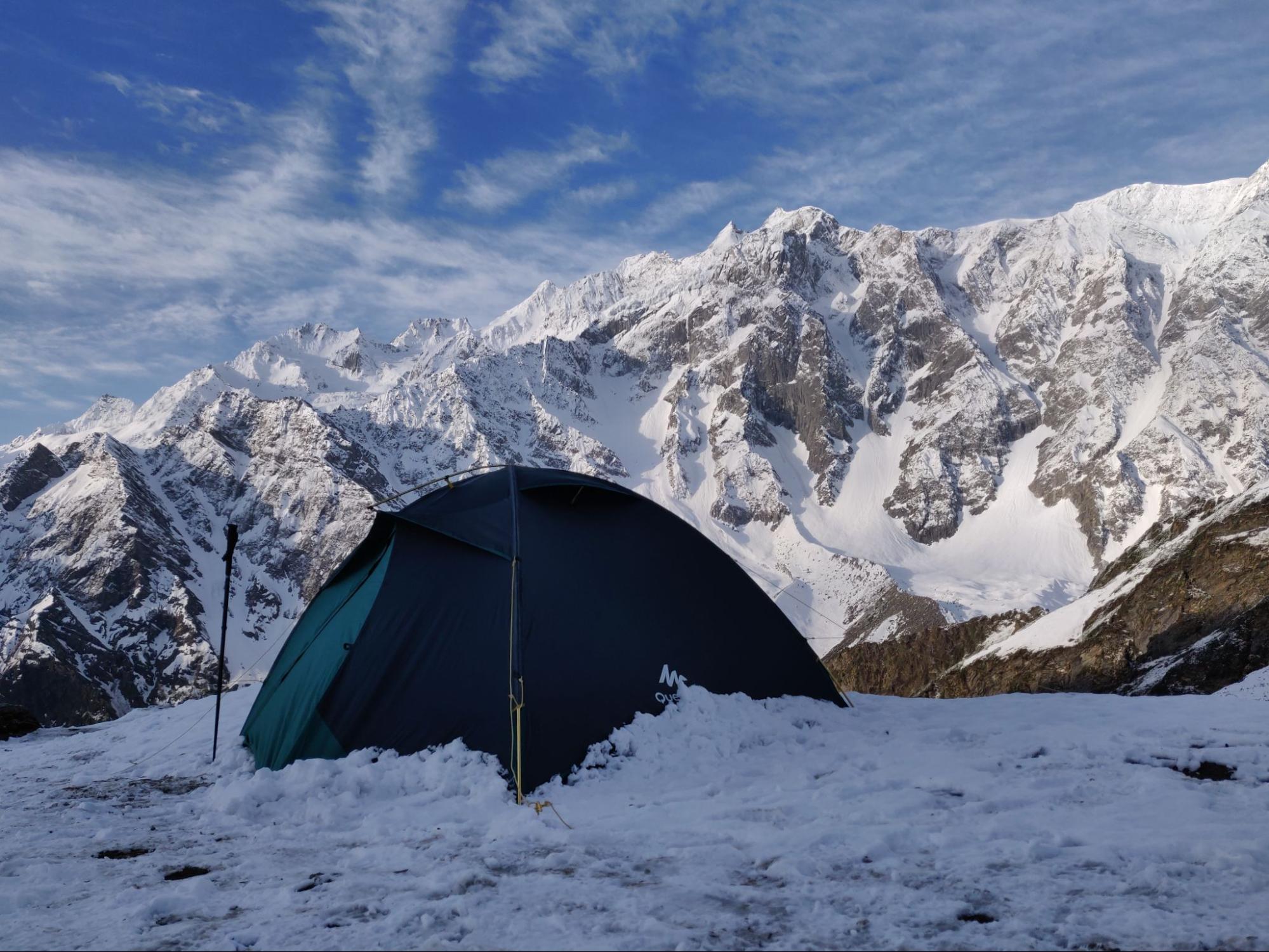
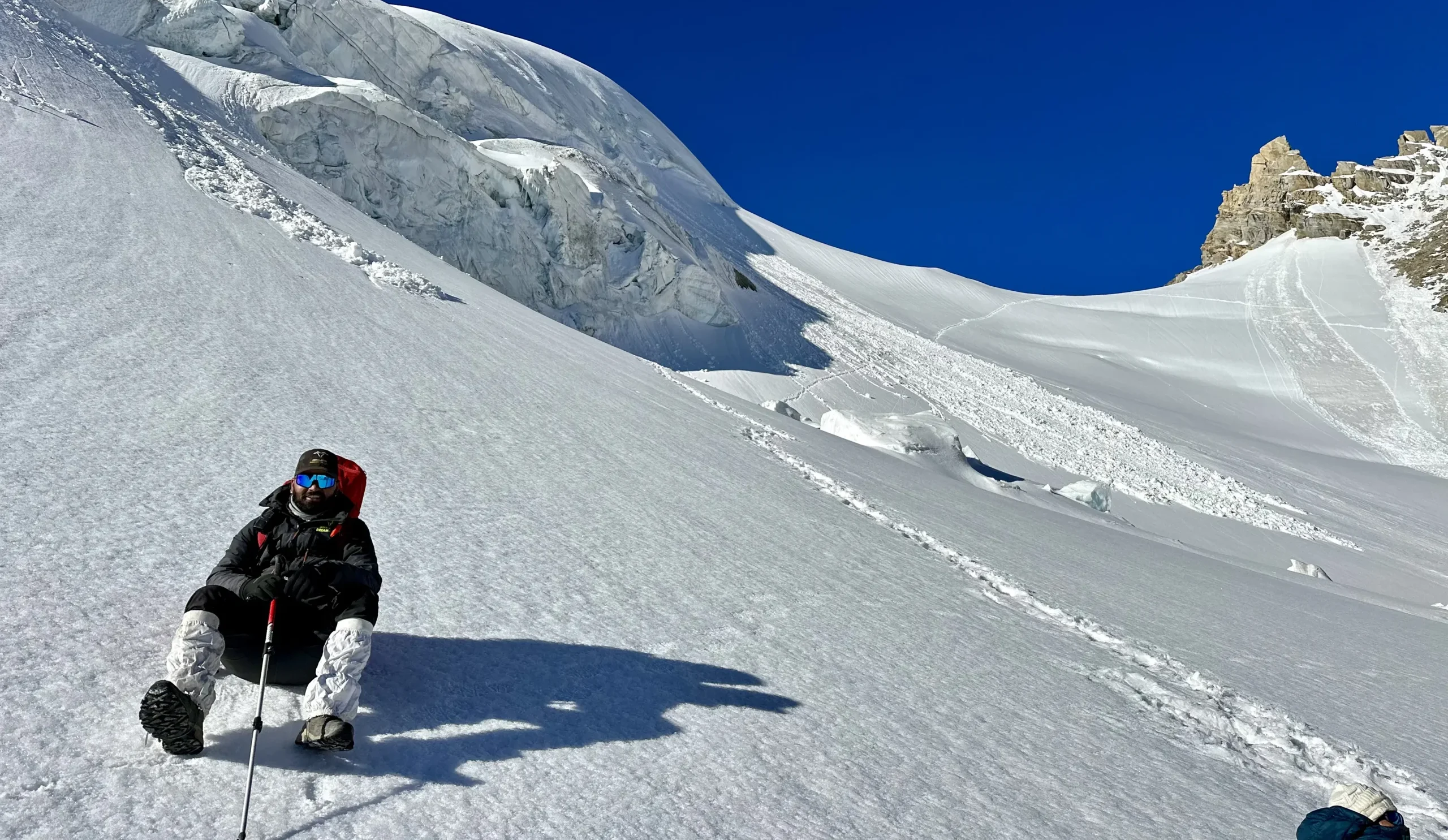
The main terrain changes from oak and pine forests to flower-filled meadows, to loose moraine, and finally to snow and ice, where crampons and ice axes are required. Your trek leader (a trained mountaineer) will familiarize you with all the ice-climbing techniques to ensure your safety for high-altitude trekking. Gaining such an altitude within a short interval of time puts you at risk of altitude sickness. To prevent this, include an acclimatisation day and a reserve day to reduce that risk. You should enhance your physical preparedness through cardio and strength training exercises.
The best seasons are late spring (May-June) for fresh snow and stable pre-monsoon weather, and autumn (September-October) for dry climatic conditions. You must plan to travel with a licensed operator, obtain local and IMF permits (foreign nationals), and carry or rent technical gear (crampons, harness, ice axe). Expect cold nights at Lady Leg and summit camp, so pack insulated clothing accordingly. If you have extra days in your itinerary, we recommend you explore nearby attractions like: Solang Valley, Rohtang (seasonal), Beas Kund, and the cultural town of Manali.
Excited to take on the challenges of this adventure? Scroll down to discover what makes the Friendship Peak expedition a must-do trek, its 8-day itinerary, difficulty analysis, best time to visit, and other interesting facts.
What Makes it a Worthwhile Experience
The Friendship Peak expedition is every adventurers dream trekking destination that rewards you with stunning views of prominent Himalayan peaks and a mountaineering experience. Let us have a detailed look at the features that make this trek stand out:
Beautiful Views of Pir Panjal and Dhauladhar Ranges
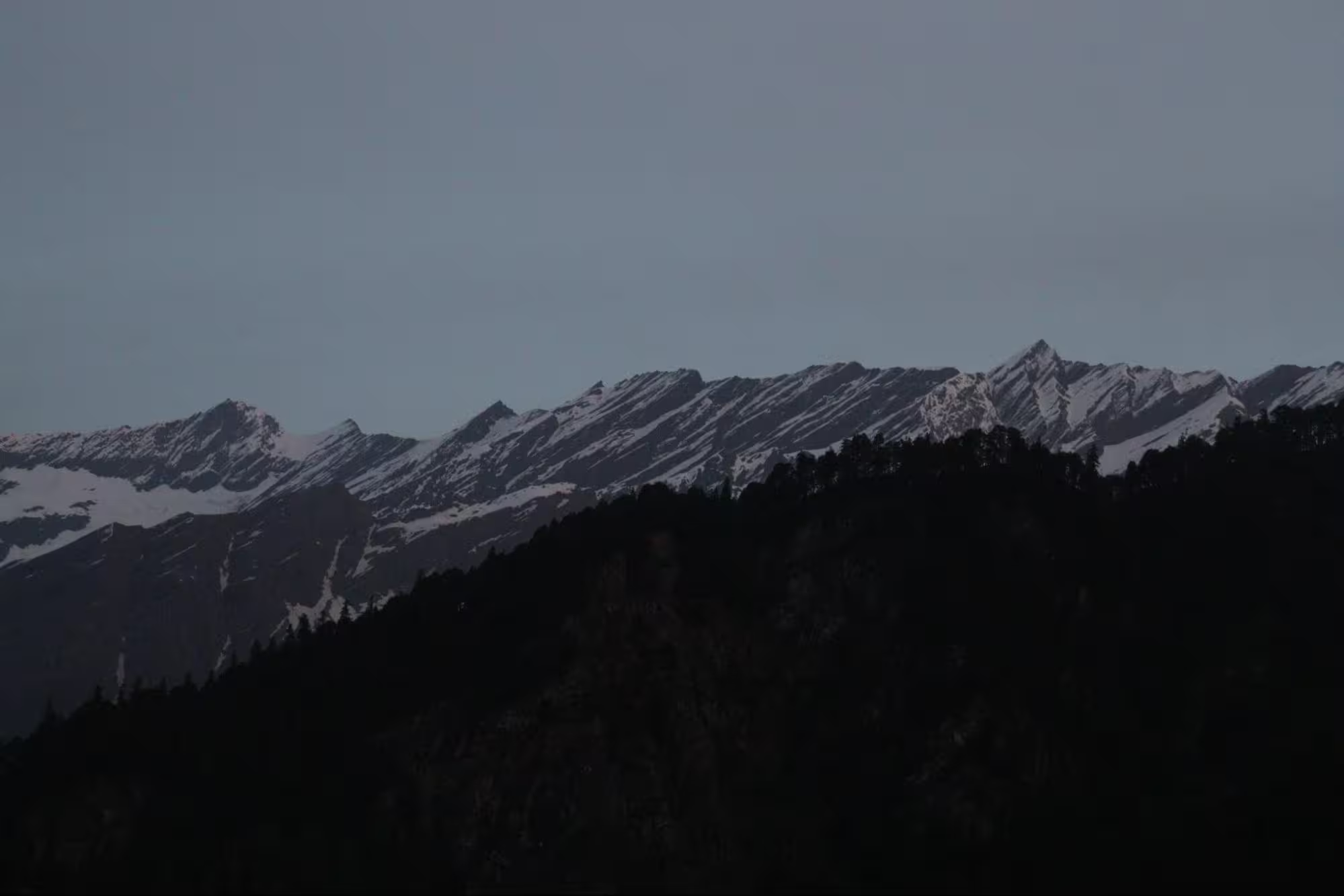
Standing on Friendship Peak summit, you get a full 360° panoramic view across the Pir Panjal and Dhauladhar ranges. On a clear morning, you can pick out Hanuman Tibba, Deo Tibba, Indrasan, and the Seven Sisters. These magnificent views of the Himalayas make the long and cold semi-technical climbing utterly worth it.
A Semi-technical Climbing Experience
While less extreme than major Himalayan faces, Friendship Peak serves as an excellent 5,000-m peak. It introduces climbers to high-camping experience, night trekking, and rope-team movement without requiring prolonged glacier expeditions. This is why many training courses and clubs use it as a skills milestone.
Varied Alpine Terrain and Landscape
The route moves from oak and pine forests into high meadows, moraines, and permanent snowfields. As you approach the summit, you take on the climbing challenges with the help of crampons, ice-axe work, and short rope sections. That mix of easy meadow crossing and technical snow/ice makes Friendship Peak feel like a true mountaineering expedition even on a relatively short itinerary. This makes Friendship Peak a choice for those who want to transition from high-altitude trekking to mountaineering.
Cultural and Religious Significance
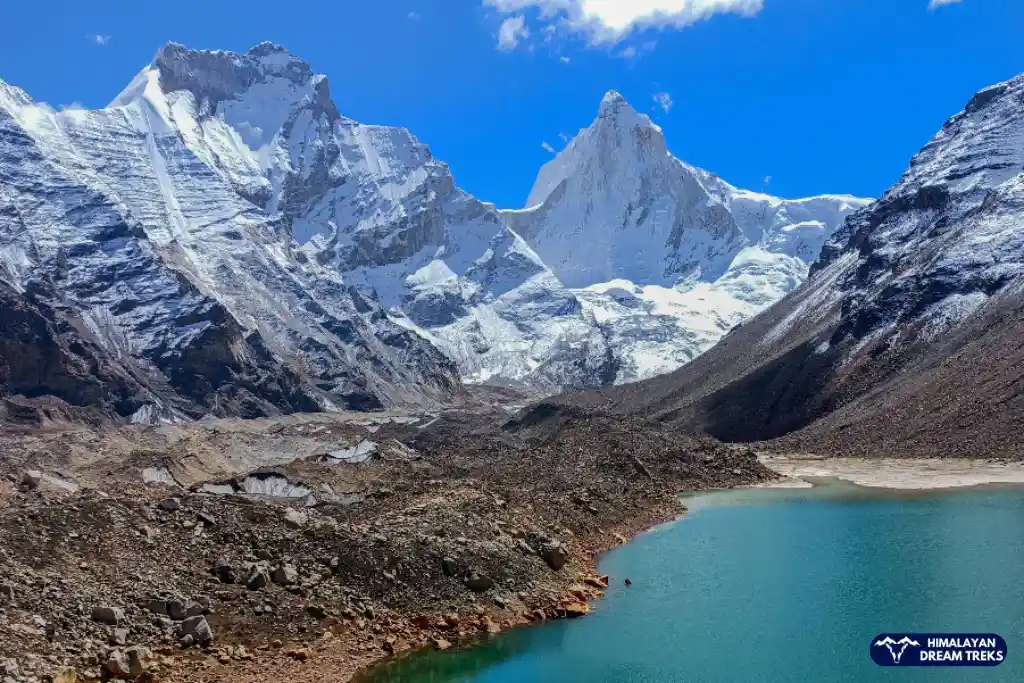
The trek includes Beas Kund, a glacial lake linked in local legend to sage Veda Vyasa, and passes pastoral hamlets and meadows that show Himachali life. These cultural and natural touchpoints add peaceful and contemplative moments to the hard climbing. You get an enriching expedition story and a next-level experience that stays with you for a long time to cherish.
Friendship Peak Itinerary
Altitude: 2,050 m
On the first day, you will arrive at Manali, a popular tourist destination in Himachal Pradesh. This makes it an accessible location with connectivity from almost all the major cities in India. Upon arrival, settle into your accommodation and get accustomed to the mountain air during the first half of the day.
After lunch, attend the basic orientation and learn about the equipment and gear you will be using on the Friendship Peak expedition. Your guide will give you a detailed briefing about the itinerary, safety rules, and packing guidelines. Use this day to ensure you have all the required permits and IDs ready for the expedition.
If time permits, you can also go sightseeing around Manali. You can explore the famous Hadimba Temple, Vashisht hot springs, and the local market. End your day with a delicious meal and have a restful sleep to recharge for the next day.
Drive Distance and Time: 20 km, 1 hour
Trek Distance and Time: 4 km, 3 hours
Altitude: 2,050 m at Manali – 3,150 m at Dhundi – 3,300 m at Lohali
Start your day early so that we can drive and reach Dhundi by 10:30 am. Try to check out of your accommodation after your breakfast, as it may take about 1-1.5 hrs to cover 20 km, depending on the traffic. The driving route winds through the scenic views of Solang Valley, crossing the bubbling Solang Nalla and several small villages. Keep your eyes peeled to catch the scenic views of the mountains of the Pir Panjal and Dhauladhar ranges.
Upon reaching Dhundi, we will ensure that we are carrying all our food items and other necessities in our backpacks. Other tent equipment and gear will be carried up by the porters. We will start the trek in the afternoon to cover the 4-5 km before evening. The trail towards Lohali starts with an almost flat gradient and is accessible for trekking. Cross this slightly steep section that runs along the Beas valley and through the dense pine and oak forests. Eventually, the valley opens to a wide alpine and flowery meadow, where you can sit and relax your weary feet.
The hike to Lohali (also known as Bakarthach or shepherds’ grassland) is a continuous uphill walk that helps you get accustomed to the altitude. Its trail sections are easy in the beginning, but you will encounter a few rough patches in the final section with big and pointy boulders and loose stones. Keep a steady pace throughout the hike and hydrate to avoid any mishap.
At the campsite, your tents will be set up on a clearing, and a simple one-pot meal will be served in the evening. You will also get a small briefing from the trek leader about acclimatisation and maintaining hygiene on the trek. After refreshments, you can go for a walk around the area to catch stunning glimpses of the Seven Sisters and the Hanuman Tibba mountains for the first time.
You will be served a hot meal for dinner. Enjoy the starry night and retire for the next day
Trek Distance and Time: 5 km, 3-4 hours
Altitude Gain: 3,300 m at Lohali to 3,840 m at ABC Lady Leg
On the third day, we will face a slightly more difficult hike than the previous day. After having an early breakfast, you will pack all your tent equipment and gear. Begin the uphill hike with a warm-up session to activate your muscles.
Today’s trail section has the same walking distance as day 2 but goes through steeper and rougher terrain. The path winds through the alpine meadows, which display dried scrub and blooming yellow wildflowers. With a gradual altitude gain and non-technical sections, keeping a steady pace will help you complete the tough climb without any difficulty. However, be wary of loose soil and stony patches and maintain a stable stance while walking.
After 3 to 4 hours of continuous climbing, you will finally arrive at the Lady Leg plateau. This is named so that its tabletop mountain’s shape resembles a leg. It is an amphitheatre-like hollow below the surrounding glaciers that gives you panoramic views of Indrasan and Deo Tibba peaks. Its vast stretches with mountain goats, sheep, shepherd dogs, and horses grazing on its grassland make it an ideal camping location. The ranges of the Dhauladhar and Pir Panjal play hide and seek with clouds, painting a heavenly picture.
After setting up your tents and having lunch, your trek leader will take you towards the higher reaches of the campsite. Here, you will find a few snow patches, where you can practice the basics of snow-craft. This will include walking in snow boots with gaiters, using crampons, and trekking poles.
Depending on the weather and other circumstances, we may spend an extra day or two at this campsite before attempting to summit Friendship Peak. This will help you acclimatise and get accustomed to the cold high-altitude temperatures.
Trek distance & Time: 4 km, 2-3 hrs
Altitude Gain: 3,840 m at the advanced base camp to 4,200 m at the Summit camp
The fourth day in the itinerary will serve as a practice day for the expeditioners. After your breakfast, you will carry all your equipment and gear required to cover the technical sections to the summit. Hiking uphill, we will leave the meadows and almost flat gradient behind and venture into a snow-laden and rocky terrain. You will face moraine, scree, and thick patches of snow in your snow boots, which will help you get familiar with walking with near gear before the expedition.
This day will teach you the importance of teamwork to pass these rough stretches. You will practice other important techniques, from using ice axes to rope-work. Once you reach the higher summit camp area, look for a stable section where water is available. Set up your tent and store your extra gear here, so that half of your heavy load is available near the summit.
Spend some time at this campsite to admire the prominent mountain ranges like Hanuman Tibba, Priyadarshini, Indra Asan, Deo Tibba, and the full view of Friendship Peak jutting out in front. Following the principle of “Climb high, sleep low”, we will descend back to the Lady Leg campsite. You can carry back a few personal items if asked by your guide.
However short, this significant day has a high learning value for the expeditioners as it prepares them for the difficulties of the final leg of the summit.
Total Trek Distance & Time: 3 to 3.5 km; 2 to 3 hours
Altitude Gain: 3,840 m at the advanced base camp to 4,200 m at the Summit camp
Today, we will take our remaining tents and other supplies back to the summit camp. This day’s hike will seem easier than yesterday, as you have already trodden on its trail and terrain hurdles before. Try to get ample sleep till late morning because we will be climbing towards the summit before the crack of dawn the next day.
After having a light lunch, we will carry all our gear towards the summit camp. Look out for loose scree sections and follow your guide’s advice. Upon reaching, unpack all your equipment and aim for a thorough rest post-dinner.
If the weather remains stable, we will continue as planned. If not, the team leader will ask you to follow the fallback plan, returning to the Lady Leg and waiting for a day till the weather calms. Try to eat healthy and hydrate yourself, get proper rest, and protect yourself from extreme cold at high altitude.
Total Trek Distance & Time: 10-12 km; approx. 16 hours
Altitude Gain: 4,200 m at summit camp to 5,289 m at Frienship Peak summit
Today marks the D-day of the Friendship Peak expedition. This exciting day will give you an adrenaline rush due to its difficult and snowy trails and steep ascent. Wake up at around 12:30 am to do light stretching exercises and pack all your essential belongings. Have dried fruits or a protein snack to get that energy boost.
We will start the expedition between 1:00 to 2:00 am in the dark, so keep your helmets and headlamps ready. This pre-dawn hour is chosen by trek leaders because the snow is still firm at this time, making it easy to walk on. In contrast, the snow becomes soft under direct sunlight, exposing you to cracks and crevices. Make sure you are wearing insulated clothing, gloves, a harness, and gators for optimum safety.
Tie up the ropes and follow your trek guide’s advice on wearing crampons and how to keep a rhythmic pace. It will take a minimum of 8 hours to reach the summit, so try to cover the maximum distance before the day starts. The route is narrow with rocky and rough patches, so follow the marching techniques and others like duck walk, side step (for high gradient), heel walk, and heel pointing (for higher gradient), as guided by your trek leader.
After a few hours, you will arrive at the col, making it a perfect location to watch the magical sunrise hitting the grandeur of the majestic peaks of the Pir Panjal ranges. The final leg of the Friendship Peak expedition is demanding, with a near-vertical climb to an exposed ridge. You will need a fixed rope to cross this section, so be careful while changing your carabiners while shifting from one rope to another.
By mid-morning, you will reach the summit if the weather conditions remain stable and favourable. The sweeping views of towering peaks of Hanuman Tibba, Shetidhar, Indra Asan, Seven Sisters, and Deo Tibba amidst the drama created by sunrays and thick clouds will drain all your tiredness. Savour this sense of accomplishment and take pictures for memories. We advise you to be extra careful while you’re at the summit, as the platform is very narrow here.
Start your descent after a short break, such that you can return to the summit campsite in about 2.5-3 hours. As the air at the top is very thin and low in oxygen, most trek leaders recommend a quick descent for a safe return. Once you are back, check for any symptoms of HACE or HAPE. You may feel fatigue or cold hands/feet, which will dissipate after a few hours of restorative rest.
Celebrate your Friendship Peak expedition responsibly at night with your teammates. Remember to stay warm and hydrated and watch out for any altitude sickness.
Trek Distance: 8 km/ 4-5 hours
Drive Distance: 190 km/ 8-9 hours
Given the extreme weather conditions at the upper reaches of the Beas Valley, the climate can be unpredictable while you are on the Friendship Peak trek. Hence, we will keep an extra day as a buffer day in the itinerary to wait out the unfavourable conditions on the trails. We will treat this day as a rest day in case of successful expedition completion and plan our descent accordingly. This buffer day also helps the team members recover from injuries and fatigue without rushing them for a hasty descent.
After spending your buffer day at one of the campsites, we will retrace our steps back to Dhundi. The walking distance of 7 to 9 km may seem like a daunting task, but descending is easier on your legs. Cross the boulder and slippery sections carefully.
Upon reaching Dhundi, we will drive back to Manali via Solang Valley. Enjoy the stunning views of the mountain valley and cherish the moments from your successful expedition. You will arrive in Manali by evening, where you can either stay at a pre-booked accommodation or consider booking your return tickets for your city on that day in advance.
Friendship Peak Trek Package
Price Inclusion
Stay: Accommodation is included for all days of the trek. Tents will be provided on a triple-sharing basis. Single and double sharing available at extra cost.
Meals: All meals are provided from Day 1 dinner to Day 7 breakfast.
Trek Equipment: All essential trek equipment is included, such as sleeping bags, kitchen and dining tents, utensils, mattresses, personal tents, toilet tents, and crampons.
Forest Entry and Permits: All required fuel charges, tolls, forest entry fees, and permits are covered.
Trek Staff: A qualified, professional team, including a mountaineering-certified trek leader, guide, cook, and support staff, will accompany you.
Emergency Kit: First aid medical kits, oxygen cylinders, and stretchers are provided for safety.
Trek Certificate & HDT Badges: Receive a trek certificate and HDT badges to celebrate your adventure.
Price Exclusion
Meals during Transfer: Meals are not included while traveling to and from the trek starting points.
Emergency Evacuations: Any charges related to emergency evacuation are not included
Personal Expenses: Any meals or accommodations outside of the provided itinerary or additional services not listed in the inclusions.
Personal Luggage Carrying: Charges for mules or porters to offload personal luggage are not included in the package.
5% GST
Check the booking procedure, including details on booking deposits, payment terms, and the cancellation policy.
Best Time to do Friendship Peak Expedition
The best time to attempt the Friendship Peak expedition is during the months of May, June, September, and October. This time window is considered the safest as the weather remains comparatively calmer and predictable for trekking in Himachal. We will not recommend going for this trek between July and August, as the region experiences heavy rainfall. This increases the risks of landslides and makes the isolated trails of the trek dangerous for the expeditioners.
Between late October and April, the area receives heavy snowfall and blocks the accessible sections to the peak, making climbing impossible. During May and June, you will experience clearer skies and lush scenery in the meadows of Lohali. The autumn months of September and October present a picture-perfect landscape, ideal for photography enthusiasts.
Despite the decline in difficulty during these recommended months, the icy conditions remain in the region above the summit base camp. Be prepared to endure chilly nights and snowy trails while crossing the technical sections of the Friendship Peak expedition.
Difficulty Level Analysis of the Expedition
The Friendship Peak expedition is a moderate to challenging difficulty level trek, depending on whether you have past high-altitude trekking experience. Despite its technical sections on the summit day, you do not need formal training to attempt this trek. All you need is good physical fitness, prior trekking experience, and strong willpower to complete the Friendship Peak trek.
Let us break down its difficulty factors for a detailed analysis:
Terrain and Walking Distances
When we say that the Friendship Peak expedition is not suitable for beginners, we are referring to its long walking distance across rugged terrain. Starting from Dhundi, you initially navigate through easier forest sections until the Beas Valley opens up to a trail filled with loose rocks, boulders, and scree. Throughout the trek, the trail is mostly rough and challenging, with you covering about 3-5 km each day.
On the summit day, the climbing is more technical over a thick sheet of snow covering cracks, crevices, and rocky surfaces. It is suitable for experienced trekkers as it requires proper knowledge of using ice axes, crampons, gaiters, rope climbing, and more.
Altitude Gain and Mountain Sickness Issues
The Friendship Peak trek starts from Dhundi at an altitude of 3,150 m, and within a span of 2-3 days, you attempt the summit (5,289 m), gaining more than 2,000 m. This sudden altitude gain puts you at risk of mountain sickness, requiring proper acclimatisation and rest days in your itinerary. In addition to this, the unpredictable weather changes in the upper reaches may worsen your Acute Mountain Sickness (AMS), HAPE, or HACE symptoms. So, follow all the safety guidelines recommended by your trek leader and watch out for signs of extreme headache, nausea, or vomiting to avoid any physical risks.
Things to Carry [Backpack Essentials]
- Sleeping Bag
- Common Tent
- Mattress
- Dining Tent
- Camping Stool
- Walkie Talkie (For Team)
- Utensils
1. Clothing
- Base Layer (Thermals): 2 sets (Top & Bottom)
- T-shirt: 2 Quick-dry trekking T-shirt (+1 extra)
- Mid Layer: 1 Fleece Jacket + 1 Sweater
- Outer Layer: 1 Down Jacket (Heavy)
- Waterproof Shell: 1 Windproof and waterproof shell jacket
- Rain Gear: 1 Poncho or Raincoat
- Trekking Pants: 1 Insulated, quick-drying trek pant + 1 trouser (for camp)
- Warm Socks: 3 pairs
- Woolen socks 4 pair (for trekking) + 3 pair (for night)
- Gloves: 1 Waterproof & insulated gloves + 1 pair liners
- Headwear: 1 Warm Hat + 1 Scarf/Balaclava
- Sun Hat: 1
- Gaiters: 1 pair (Must-have) Microspikes: 1 pair (Must-have)
2. Footwear
- Trekking Boots: 1 pair (Sturdy, high-ankle, waterproof)
- Camp Shoes: 1 pair (Sandals/Slippers)
3. Backpack & Trekking Gear
- Rucksack: 1 (50–60 liters, with a waterproof cover)
- Daypack: 1 (For day-hike)
- Trekking Poles/Sticks: 1 pair
- Headlamp: 1–2 head torches (with extra batteries)
4. Health & Hygiene
- First-Aid Kit: 1 (Personal medications, painkillers, etc.)
- Toiletries: Biodegradable soap, mouthwash, wet wipes
- Sun Protection: Sunscreen
- Lip Balm: 1
- Snacks: Energy bars, dry fruits, chocolates (Must include)
5. Accessories
- Bottle/Bladder: 1
- Reusable Thermos: 1 (For hot beverages)
- Sunglasses: 1 (UV-protected and polarized)
- Camera (optional): 1
- Power Bank (optional): 1
How to Reach Manali
By Air
The closest airport to Manali is known as Kullu-Manali Airport or Bhuntar Airport. The airport is 11 km away from Kullu and 52 km from Manali. From here you can hire a taxi or take a bus which plies frequently on this route.
Currently, Air India’s Alliance operates flights to Kullu-Manali Airport, but this is not a feasible option. As the price leans on the higher side, and the flights may get cancelled anytime.
To save time, you can reach other nearby cities by flight, like Delhi or Chandigarh, and then continue on a road journey.
By Train
Though we said there’s no direct train to Manali, you can reach any of the above cities by train or flight and then take a road journey. Chandigarh railway station is the best option as you will find buses for Manali that will leave from the station directly.
By Road
Manali is well-connected with motorable roads from all major cities nearby. You can reach these cities by flight or train, and then start your on-road journey.
The most suitable option is to take a government bus as they are on time and pocket-friendly, and you may use this chance to interact with locals and learn more. Besides, you can always take a private bus like Volvo.
Chandigarh is the most favorable city as you will find continuous buses leaving for Manali from both the Sector 17 Bus Stand andthe ISBT Sector 43 Bus Stand.
You can book your bus tickets directly from the Himachal Road Transport Corporation website.
| Starting City | Distance to Manali (by road) |
| Delhi | 573 km via NH 3602 km via NH 344 and NH 3 |
| Ambala | 304 km via NH 3 |
| Chandigarh | 264 km via NH 205 and NH 3 |
| Shimla | 225 km via NH 3 |
| Dehradun | 430 km via NH 7 |
| Pathankot | 376 km via NH 3 |
The nearest major railway stations are Haridwar and Rishikesh. From these stations, one can take a taxi or board a bus to Rudraprayag or Ukhimath. The road journey from Rishikesh to Chopta takes around 8 to 9 hours. Regular buses are available to Rudraprayag and limited services to Ukhimath. From Ukhimath, which is about 30 kilometers from Chopta, shared jeeps or private taxis can take you to the base.
If you’re planning to travel by car, it’s better to leave early in the morning and aim to reach Chopta by the afternoon. Ukhimath is the last town with ATM facilities and petrol pumps, so it’s a good place to stop and refuel or withdraw cash. Roads beyond Rudraprayag are narrow but manageable. It is wise to carry enough fuel, cash, and warm clothes.
From Rishikesh take a bus to Karanprayag and from there change buses for Tharali. Tharali is connected to Loahjung and local taxis are available. Alternatively, you can also reach Lohajung via Haldwani. From Haldwani, take a bus to Tharali and from Tharali take a taxi to Lohajung.
Special Casual Leave for Trek
Himalayan Dream Treks (HDT) is registered tour operator with the IMF, and we can cater to the needs of SCL for Government Employees. According to the rule, the government of India provides its employees with a prospect where they’re allowed to apply for a 30-day special casual leave in a calendar year to do trekking, hiking, or whatever adventure pleases them.
Mail us at [email protected], if you want to avail SCL.
Flora and Fauna of Kibber Wildlife Sanctuary
The trails of the Friendship Peak expedition go through the following vegetation zones:
- Lower slopes hold oak, maple, and mixed conifer forests
- Mid-altitudes bloom with rhododendrons and wildflowers (primulas and gentians) in spring
- Higher camps sit among alpine grasses and herbs
Wildlife in the Kullu-Manali area includes:
- Himalayan pheasants (monal and tragopan)
- Blue sheep (bharal)
- Himalayan tahr
- Musk deer
- Black or brown bear
Birdlife and small mammals are most common in forested sections, while high meadows are quieter and host mostly grazing animals and alpine birds.
Nearby Attraction to Visit after the Trek
- Manali Hill Station
- Solang Valley
- Beas Kund Trek
- Rohtang Pass
- Hadimba Temple
- Manikaran hot springs
- Vashist Kund
- Naggar Roerich Art Gallery
FAQs
If this is your first Himalayan adventure, Friendship Peak may not be the right choice. Before attempting this expedition, it is better to complete a few high-altitude treks to understand how your body reacts above 4,000 metres. Previous trekking experience also helps you become comfortable with long walking hours and mountain conditions.
The journey starts like a Himalayan trek, but the final climb feels completely different. As you approach the summit, you will be walking on snow, using climbing equipment, and moving with fixed ropes under the guidance of experienced mountaineers. This is why Friendship Peak is considered an expedition rather than a normal trekking route.
The biggest challenge is not just the climbing it is managing the combination of altitude, cold weather, and physical effort over several days. Even fit trekkers can find the summit day demanding, so consistent fitness training and proper acclimatisation play a major role in reaching the top safely.
Most climbers should keep 7 to 8 days available for the trip, including travel to and from Manali. While the climbing schedule generally follows a fixed itinerary, weather in the Himalayas can sometimes require an extra buffer day, especially during summit attempts.
Expect an early start, often around midnight or before dawn, to take advantage of stable snow conditions. Most teams spend the entire day climbing and descending, returning to camp only after many hours on the mountain. Proper pacing, hydration, and following your guide’s instructions are essential throughout the summit push.


Leave a Comment