When it comes to trekking, there is no one-size-fits-all approach because every individual has their specific demands. Some of us are all about that spontaneous group energy, while others prefer a solo adventure to dive deep into the natural world without distractions.
Whether you are setting off for the peaks of the Himalayas or exploring the more secluded trails, the choice between customized treks and fixed departure group treks can significantly impact your trekking experience.
So, the question “which trek style fits your vibe?” might confuse you. Let’s break it down and explore the differences, so you can decide what’s right for you.
Table of Contents
Customized vs Fixed Departures
Before moving to the detailed info, here’s a look at the difference between the two:
| Aspect | Customized/ Private Treks | Fixed Departure Group Treks |
| Vibe | Tailored to your preferences, more solitude | Social, shared energy with a set group |
| Cost per Person | Higher due to customization | More affordable, shared costs |
| Flexibility | Completely flexible because you design it | Pre-set schedule, limited flexibility |
| Social Interaction | Limited, more personal and intimate | High, shared experiences with a group |
| Sustainability | More sustainable due to smaller groups and custom choices | Have a larger environmental footprint, depending on group size |
| Market Context | Popular with high-end or niche travelers | Popular among budget-conscious or social travelers |
| Pace | Slow, moderate, or fast (as you like) | Set pace with the group |
Customized/ Private Trek
As the name suggests, Customized / Private Treks are treks that are fully tailored to your personal preferences. You have complete control over the itinerary, including the route, pace, accommodation, and travel dates.

Pros
- Flexibility
The best part of a custom trek is that you get to call the shots. You decide on the route, the pace, the stops, and the dates as well. If you want to explore remote trails that aren’t packed with tourists, this is the way to go. Plus, you can change your plans on the fly without worrying about coordinating with a large group.
- Personalized Experience
Whether you are an experienced trekker or a beginner, you can tailor the trek to your exact fitness level and interests. Want a luxury camping experience with gourmet meals and hot showers? Done. Prefer a more minimalist trek with basic campsites and fewer amenities? You’ve got it.
- Solitude
No crowded trails or noisy groups this time. If you are someone who values peace and serenity in nature, a customized trek allows you to experience nature at its most untouched. It’s just you (and your companions) in the wilderness who are enjoying the sounds of nature without the hustle and bustle of other trekkers.
- Flexible Timings
Unlike fixed treks, where you are bound by set dates, a private trek allows you to choose your own schedule. Want to travel during off-peak seasons or avoid busy times? You can. It is also easy to adjust your timings based on your personal needs, such as arriving a day early or taking longer breaks.
- More Comfort
The level of comfort is entirely up to you, and it can be customized to suit your preferences. You can opt for more luxurious accommodations, such as glamping or staying in comfortable lodges, or choose to go ultra-light with basic campsites and minimal gear.
Cons
- Higher Cost: Custom treks often come at a premium because you are paying for a personalized experience, guide, and logistical support.
- More Planning: You are responsible for organizing the details, which can be a bit overwhelming if you are not familiar with the trekking world.
Best For:
- Couples seeking privacy
- Solo travelers
- Families with kids
- Small groups that want a personalized experience and are willing to invest more for flexibility and solitude.
- Trekking enthusiasts who seek less-crowded trails and are willing to venture into more remote areas.
Fixed Departure Group Treks
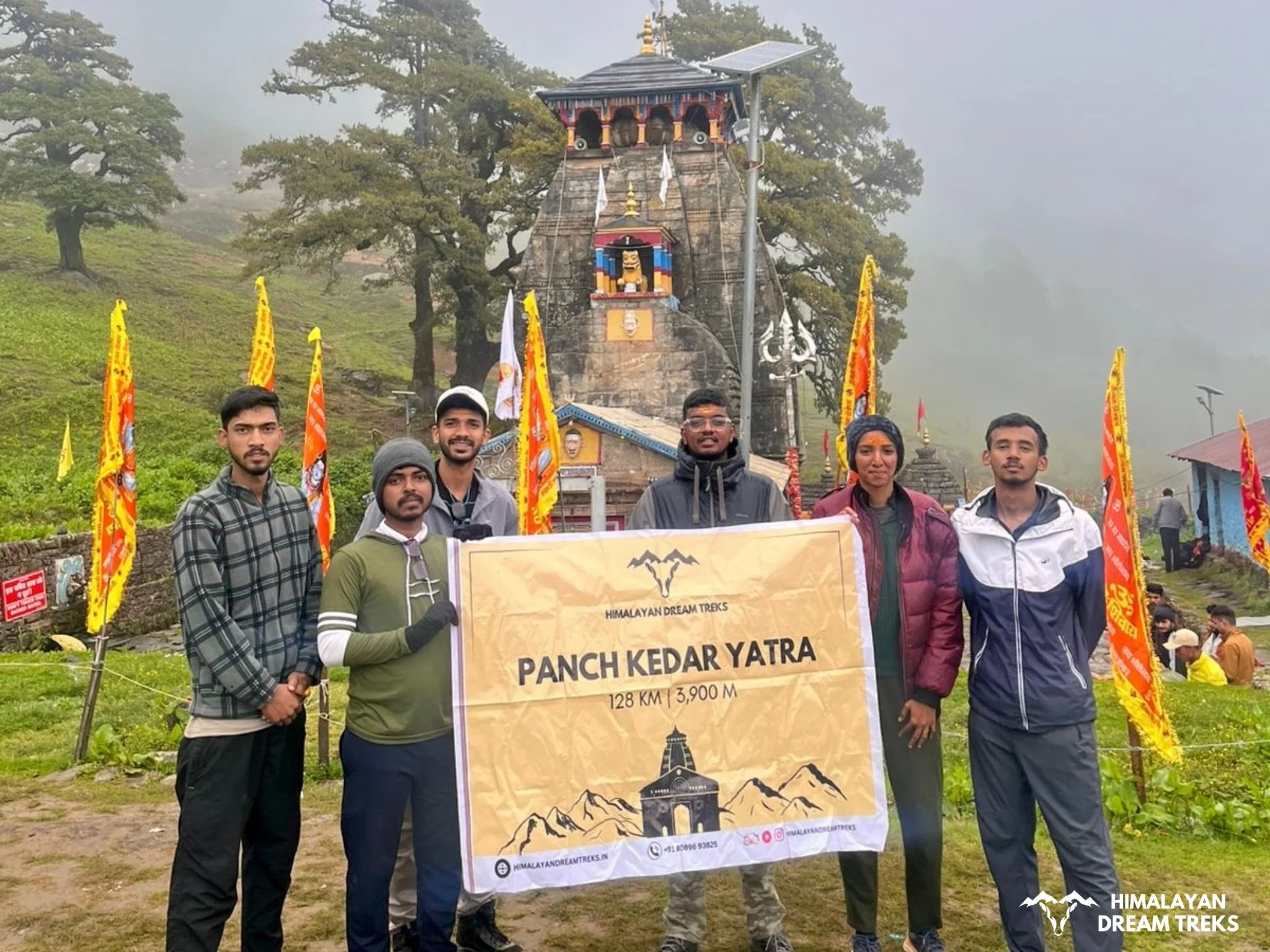
On the other hand, a Fixed Departure Group Trek is a pre-scheduled trekking experience where groups of travelers follow the same itinerary. Unlike private treks, the dates and route are set in advance, and participants join an organized group of people. These treks are typically led by an experienced guide, and the cost is shared among the group members.
Pros
- Social Energy
Group treks are fantastic for those who want to meet new people and share the experience. The vibe of traveling with others, especially when they come from different backgrounds, adds an exciting layer to the adventure. Whether you are trekking with friends or joining solo, the social energy will gift camaraderie to your journey.
- Pre-organized
One of the biggest advantages of a fixed departure group trek is that all logistics are taken care of. So, you don’t have to worry about planning the route, booking accommodations, or coordinating meals. Everything, from transportation to lodging, is arranged for you. This takes the stress out of planning and offers a hassle-free way to explore new places, especially if you’re short on time or don’t want to handle all the details yourself.
- Affordability
Group treks are often more affordable compared to private or customized treks because the costs are divided among all participants. This makes them an excellent option if you are on a budget but still want to experience the thrill of trekking in stunning locations. Since group treks pool resources, it also allows for more frequent or longer treks that may otherwise be too expensive for solo travelers.
- Social Interaction
With a group trek, you will have plenty of opportunities to interact with fellow travelers. The shared experiences and teamwork during the trek can lead to strong connections and friendships.
- Assigned Trek Lead or Guide
On a fixed trek, you will typically have a dedicated trek lead or guide who ensures everything runs smoothly. The guide is responsible for navigating the trail, ensuring safety, and managing any challenges that arise. They also provide valuable insights into the area, history, and culture.
- Scheduled Departure and Arrivals
Fixed departure treks come with set dates for departure and arrival, which makes it easier to plan your trip. If you prefer structured travel where everything is pre-determined, this is a good option. You can plan your travel around these fixed dates and know exactly when you will be starting and finishing your trek.
Cons
- Fixed Itinerary: You have less control over the pace, the route, and even the stops. If the group is too fast or too slow for your liking, you will have to adapt.
- Crowded Trails: Popular treks tend to attract many participants, and you might find the trails a bit more crowded, which can detract from the peacefulness of the experience.
- Varying Experience Levels: You’ll likely be trekking with people of varying fitness levels and experience, which could impact the overall pace or atmosphere of the trek.
Best For:
- First-time trekkers who prefer a structured & guided experience.
- People who love meeting new people and don’t mind sharing the adventure.
- Those on a budget, as group treks are usually more affordable than private ones.
Which Is Right for You?
If you are the kind of person who loves exploring new places at your own pace, a customized private trek might be your best bet. You will get to design your experience, pick the perfect route, and avoid the hustle of crowded trails.
On the other hand, if you thrive in a social setting and enjoy learning from others’ experiences, fixed departure group treks could be more your style. The shared camaraderie of a group trek can really turn every meal and campfire into a chance to bond over new stories.
Insights from Experienced Trekkers
As it depends on preferences, Himalayan Dreams Trek organizes both customized and fixed group treks. In the past 2 years, the share of customised treks has increased in our firm. Also, I want to add a point from my experience that winter treks in Uttarakhand attract new trekkers, while summer treks are mostly chosen by experienced ones.
This is also true that Winter treks are easy or moderate in Nature. On the other hand, all range of treks and expeditions gets opened in Summer and Autumn. Hence, experienced trekkers tend to trek in Summer or Autumn. Customized treks are usually preferred by NRIs, Foreign nationals, High-income individuals, and families; on the other hand, young individuals tend to group treks.
Here’s a little wisdom from fellow trekkers who’ve done both sides of the trekking spectrum with Himalayan Dream Trek. We ran a poll on our community where 50 people voted. Reason for their preference was asked, and we had a discussion over this particular topic. A few of the responses are mentioned below:
- Customized Trek: 21 Votes
- Fixed Departures: 29 Votes
Niloy:
“I prefer group treks for the vibe, culture, and age diversity. But when I choose to go solo, I want to customize my trip. I love exploring less crowded, offbeat routes that aren’t offered by agencies. That said, I have to inform them beforehand to arrange something special for my group. Finding like-minded strangers who match my dates for these offbeat adventures can be tricky, though.”
Sunaina Raman:
“Solo treks are much more peaceful. The more people there are, the more the chaos. I’d rather trek with people who respect the sport. I’ve had trekkers who didn’t even know the basics—no understanding of the Do’s and Don’ts. That kind of crowd kills the serenity of trekking.”
Ansh:
“I love travelling with new people from different cities and states. I really enjoy having conversations about their culture, habits, and experiences. Meeting diverse people and learning from them excites me.”
Anshu Yadav:
“I’m mostly a solo traveler, but when I join any group trip, it feels comforting. Shared laughter, collective surprises, and instant support make every place a warm memory. Discovering new perspectives through others’ eyes and making unexpected friendships—that’s what makes group treks special.”
Kirat:
“When you travel solo or with your friends in group departure you meet the people who are elder and younger than us and get to learn different things from everyone in the group and sometimes you want a break from the people around you and then you meet with strangers in a group departure and unexpectedly, the bond becomes special with them!”
Dhamu:
“I am a solo traveler and mostly I adjust my trips and operators as per the availability of dates and my leaves or weekends. Group tours are more affordable and convenient for a solo traveler. This is the only reason for me.”
Himalayan Trekking is Growing – But We Must Protect the Environment
Himalayan Adventure Travel has grown significantly in the past few years; however, it raises a question about over tourism and its impact. With the influx of travelers, local infrastructure has struggled to keep up, raising concerns about the environmental impact and vulnerability of these fragile ecosystems.
For trekkers, this underscores the importance of choosing sustainable and eco-friendly trekking options that respect both the environment and local communities. Private treks in nature are more sustainable. Only a handful of trekkers are on the trail, with a small team and minimal setup. This supports sustainable travel and is far less harmful than group departures, where many tour operators play the number game. Large groups put pressure on the trail, ecology, and even the local economy.
A well-known example is the Kedarkantha trail. Around 2021, the trail became extremely popular, and suddenly huge crowds and multiple tour operators flooded the area. Today, soil erosion is clearly visible, and wildlife sightings around the forest of Juda Ka Talab have almost disappeared because of constant human activity. During winter, the place stays full, and once the snow melts in spring, you often find wrappers, plastic bottles, and cans scattered across the route.
Because of its popularity, tour operators from Himachal, Delhi, and even within Uttarakhand rushed here to grab trekkers. Only a few of them managed their waste properly—most could not. When thousands of trekkers arrive in a season, waste management becomes a real challenge, especially when India already struggles with proper systems and Himalayan regions are even further behind. NGOs like Waste Warriors have published detailed reports on tourism-related waste in Sankri.
It’s not that we don’t organize this trek—we do—but we avoid crowds and large groups.
So, the takeaway is simple: private treks are better than large group tours for anyone conscious about sustainable travel. Choosing offbeat trails and travelling with a small team and setup is better in many ways. And if you plan to travel in a group, make sure it’s a small one, and choose an organisation that follows sustainable trekking practices.
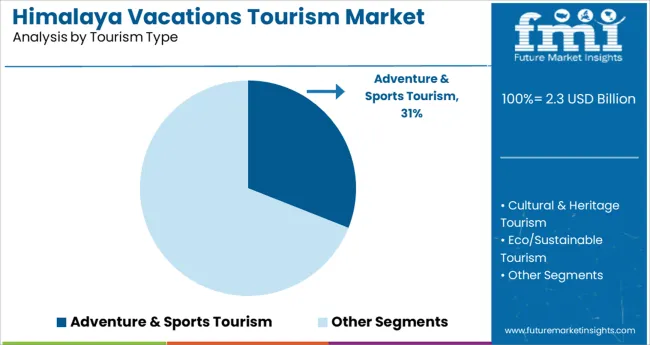
Current Stats
- Industry Value (2025): USD 2.3 billion
- Forecast Value (2035): USD 3.8 billion
For more insights on how tourism is impacting the region and what measures are being proposed, check out: https://www.cwejournal.org/vol1no1/pchanging-tourism-trends-and-vulnerability-assessment-of-built-environment-in-hill-stations-of-indian-himalayan-regionnbspp
We welcome industry experts to share insight on this topic. You can leave us an email at info@himalayandreamtreks.in

Leave a Comment