Overview
Auli is known as the ski capital of the country for all the right reasons. Located above Joshimath in Uttarakhand’s Chamoli district. Auli is stretched over an expanse of approximately 8,200 ft (2,500 meters) to 10,010 ft (3,050 meters) above sea level.
The term “Auli” itself translates to “meadows” in the Garhwali language, giving the perfect name to a high-altitude grassland. This alpine meadow remains covered in snow in the winter season, with snow up to 3 meters deep.
Over the years, Auli has evolved from a seasonal ski slope into a year-round mountain destination and is valued for its landscape and ease of accessibility.
What sets Auli apart is its geographical positioning. Unlike many Himalayan hill stations that require long hikes or rough last-mile access, Auli sits on an open ridge that can be reached easily either by road or via one of the longest ropeways of the country from Joshimath. This makes it suitable for travellers who want a high-mountain experience without physically demanding travel.
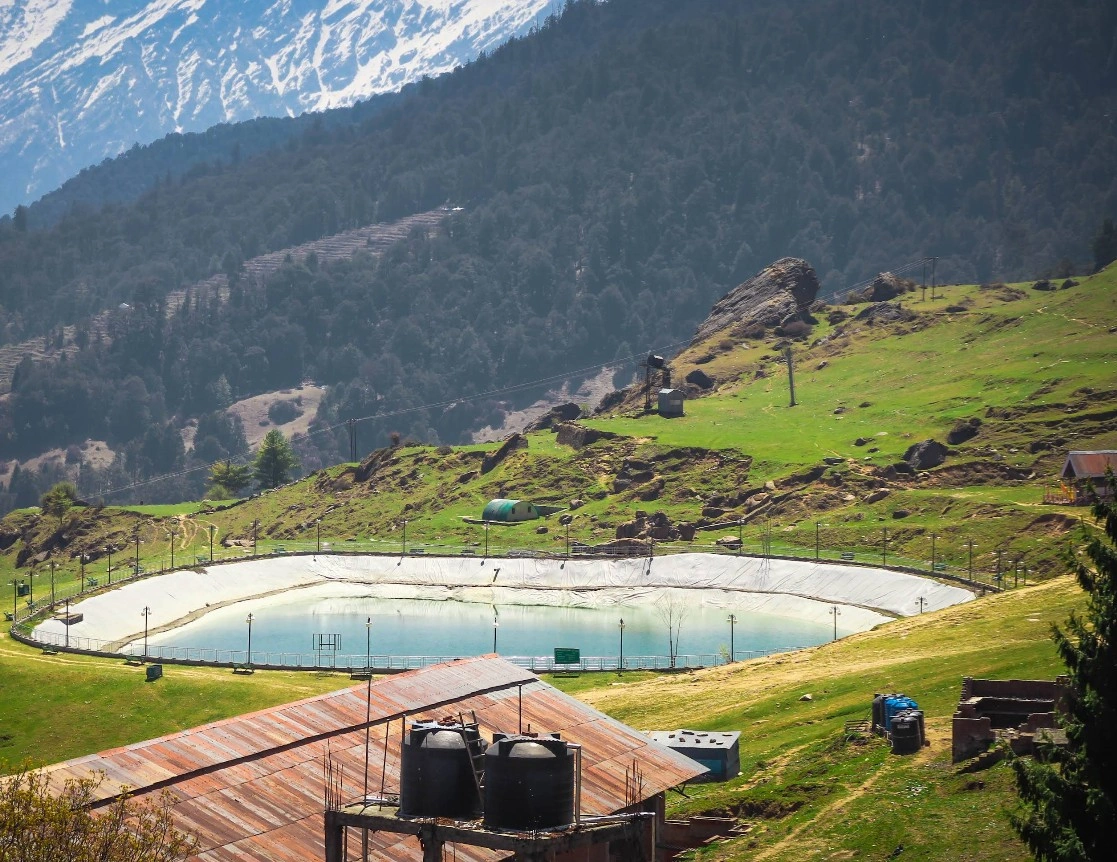
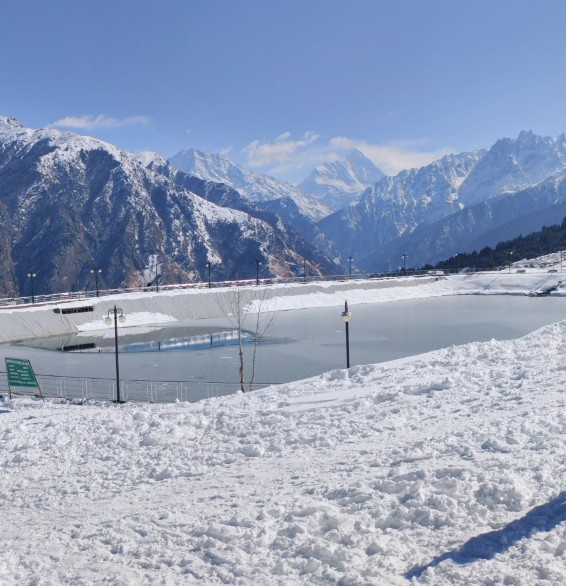
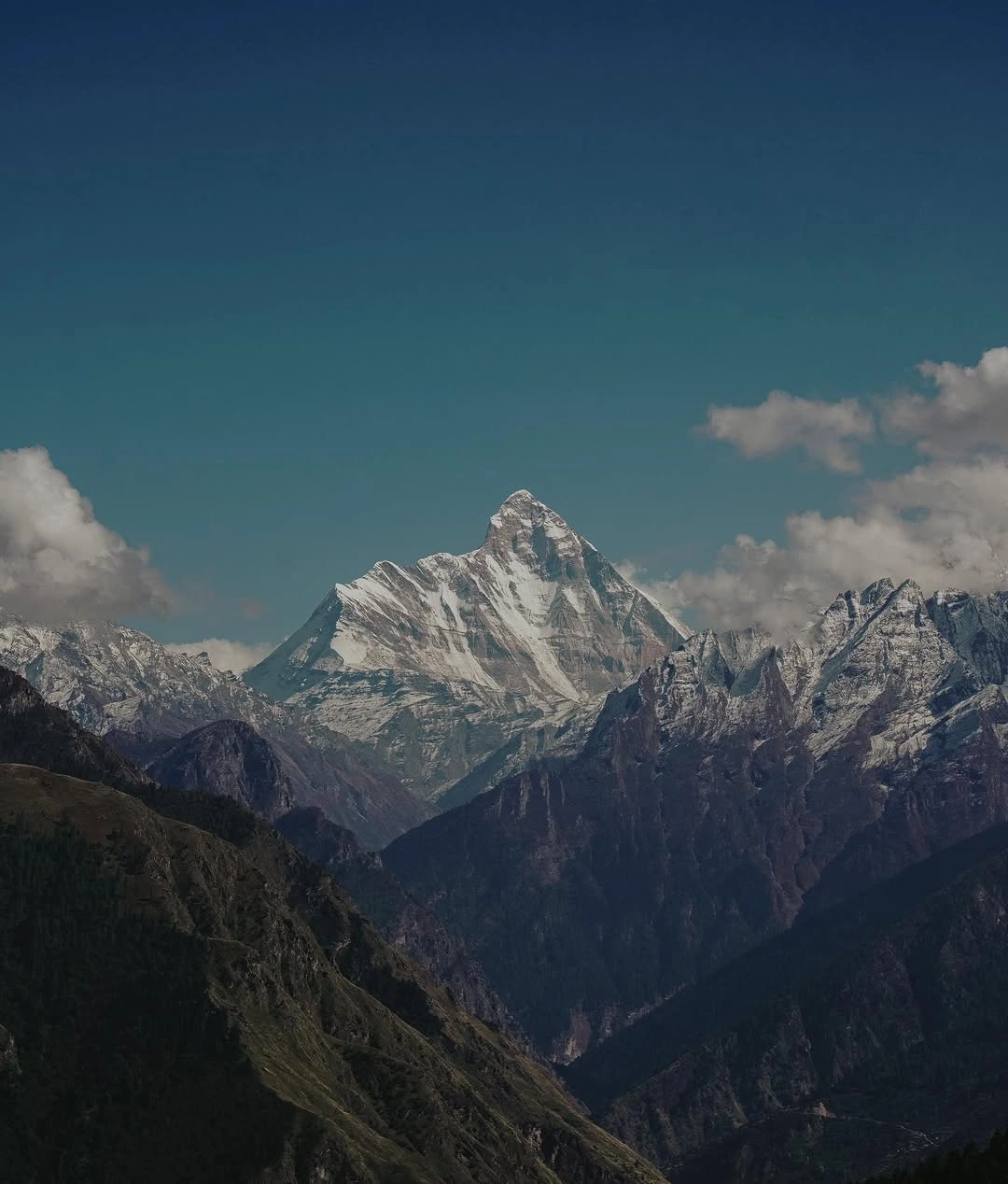
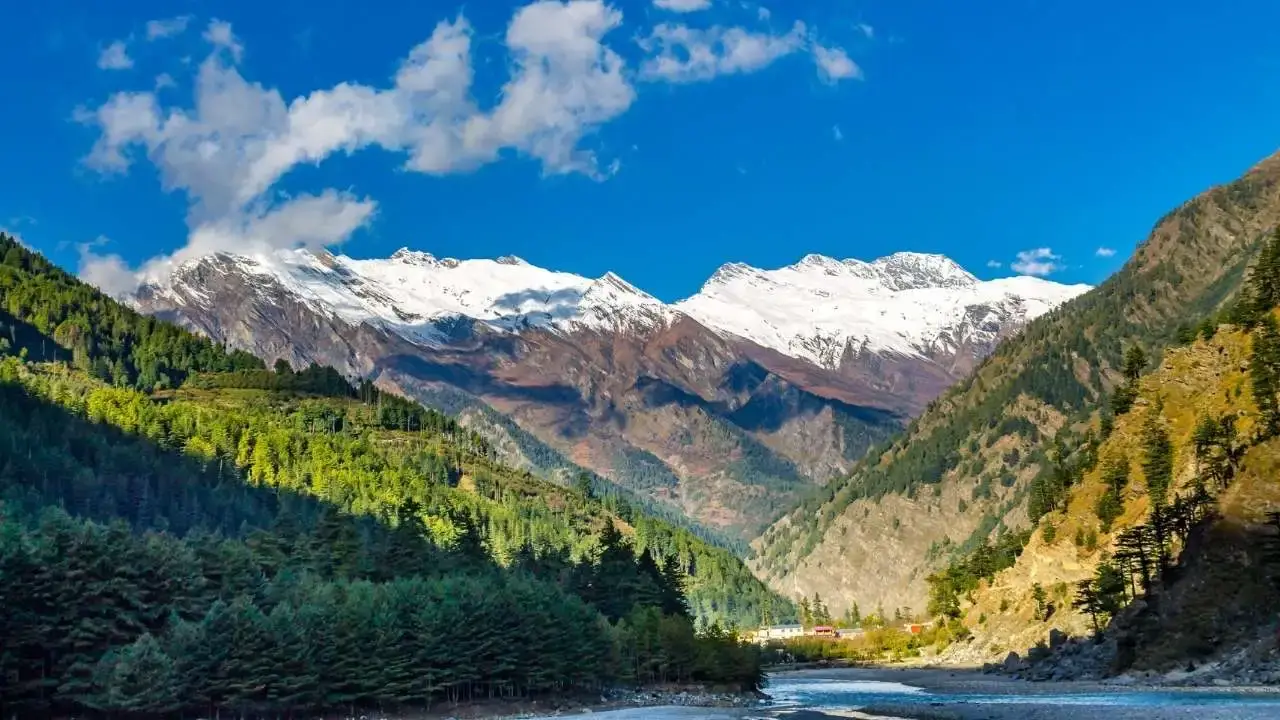
From Auli, travellers get to enjoy the views of some of the most prominent Garhwal Himalayan peaks, like Nanda Devi, Kamet, and Dunagiri.
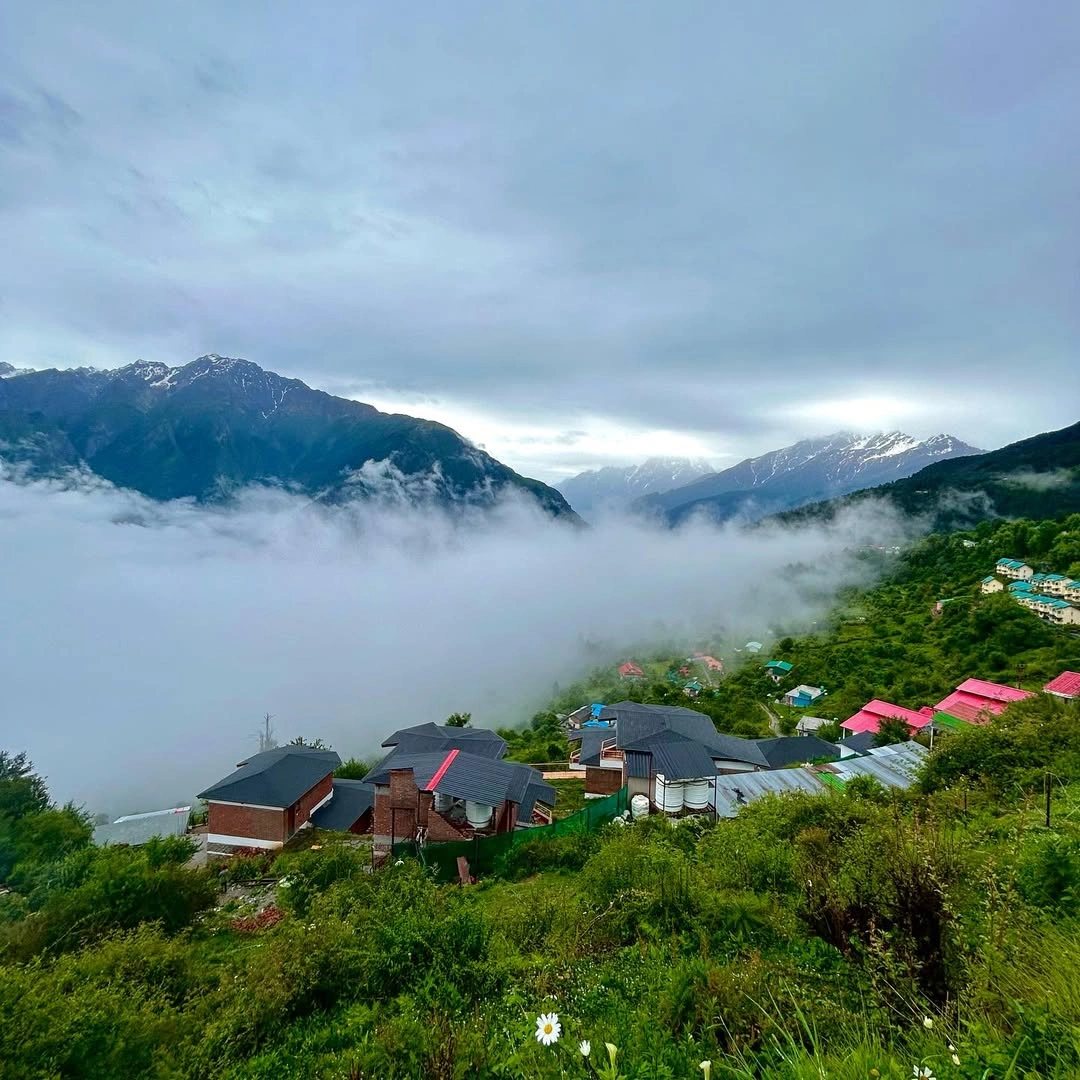
Seasonally, Auli’s character changes quite distinctly, adapting to the weather’s demands. In winter, it functions as a skiing and snow destination, while in spring and summer, it becomes quieter, greener, and more focused on views, ropeway travel, and slow-paced, peaceful sightseeing. Autumn season is marked by clear skies and dry weather, a golden-brown backdrop often offering the best long-distance mountain visibility of the year.
Because of these shifts, travellers are advised to choose the timing based on what they want to experience. Auli gives the chance to the visitors to adapt itineraries as per their liking and weather conditions rather than just following rigid schedules.
Auli Winter Itinerary: 4 Days / 3 Nights
This itinerary is the most comfortable and is commonly followed by travellers to explore Auli, keeping the road fatigue, weather conditions, and altitude gain in mind. It is structured to suit first-time visitors while remaining flexible allowing you to shorten, extend, or modify the stay depending on the experiences you want to prioritise.
First, you have to reach any big city like Dehradun, Haridwar, or Rishikesh, which is the closest to Joshimath. From Joshimath, you can hail a shared cab/bus, book a private vehicle or use the ropeway to reach Auli.
Read our full how to reach Auli for more city and mode of transport-wise details.
Drive Distance: 247 km
Travel Time: 9 – 11 hours (depending on road and traffic conditions)
Altitude: 6,150 ft
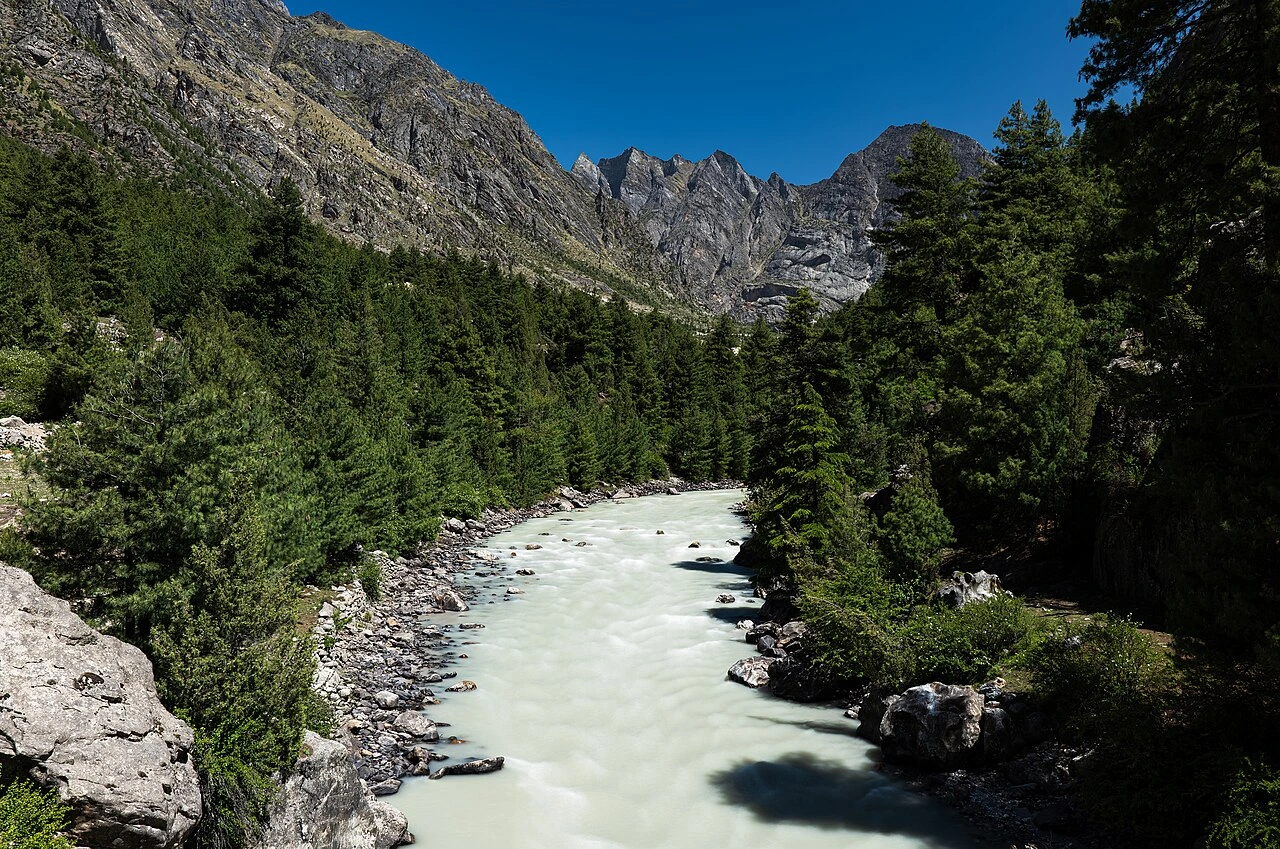
The journey follows the Alaknanda River through all the prayags – Devprayag, Rudraprayag, Karanprayag, and Nandprayag. While the journey is long, the ascent is gradual, making Joshimath a sensible halt for acclimatisation before moving higher. Evening is kept unstructured to rest after the drive.
Adjustment note: If you start early and are comfortable with long drives, this day can be extended up to Auli, but it often makes the day physically tiring.
Distance: 16 km by road / 4 km by ropeway
Travel Time: 40–60 minutes by road | 25 minutes by ropeway
Altitude Gain: ↗ Approx 2,050 ft
From Joshimath, you get two options to reach Auli road or ropeway.
The roads provide a scenic and high-incline drive, and the short distance makes the drive more enjoyable without being overwhelming.
The Auli ropeway is one of the longest and highest ropeways in the country and world, hence making a special place in everyone’s itinerary. It provides a steady ascent and gives an unbeatable panoramic view of the meadow.
After reaching Auli, the rest of the day is kept for acclimatisation, short walks to soak in the atmosphere, and rest.
This is the core day in Auli. Time is spent around the ski slopes, open meadows, and the ropeway area. Here, you can enjoy multiple activities like skiing, zorbing, zip lining, etc. These are provided both individually and clubbed together; a whole package is recommended, as it is cost-effective.
Activities to try –
- Leisure Option – Walk around the ski slopes and enjoy the snow.
- Fun snow activities – Skiing (a short distance, no hardcore teaching but a fun experience), zorbing, zip-lining, ATV Quad biking, paragliding, and a short trek to the nearby spots.
- To learn something new – Snow activities or practice sessions (winter). They are available for different durations, like 3 or 7 days, and advanced courses as well.
Note: Opting for courses like these increases your trip days, so plan and book accordingly. - Ropeway ride, if not done earlier. Chairlifts – they take you to the high skiing slopes without wasting your energy while enjoying the view and chill of winter.
- Treks – Auli can be used as a base camp for various treks. Some are short, like a 1-day hike, the Auli artificial lake, Chattrakund and Gorson bugyal. Longer treks like Kuari Pass can also be accomplished.
- Paragliding – It can be done in any season, with the distinction of scenery in every season. The launch sites are usually in the areas of Khulara and Dang.
- Helicopter Himalaya Darshan – Now you can enjoy a short helicopter ride of 10-12 minutes amidst the Himalayan peaks, ridges and meadows.
Note: Check for availability with both the government and private agencies.
Adjustment note: If you are tight on schedule, then you can plan your departure in the evening itself. Though it will be tiring and not suggested.
Drive Distance: 255 km; 9-11 hours
Departure follows the same route back through the Alaknanda valley. Note: Team HDT provides travel support from and to Dehradun.
How this Itinerary Changes by Season
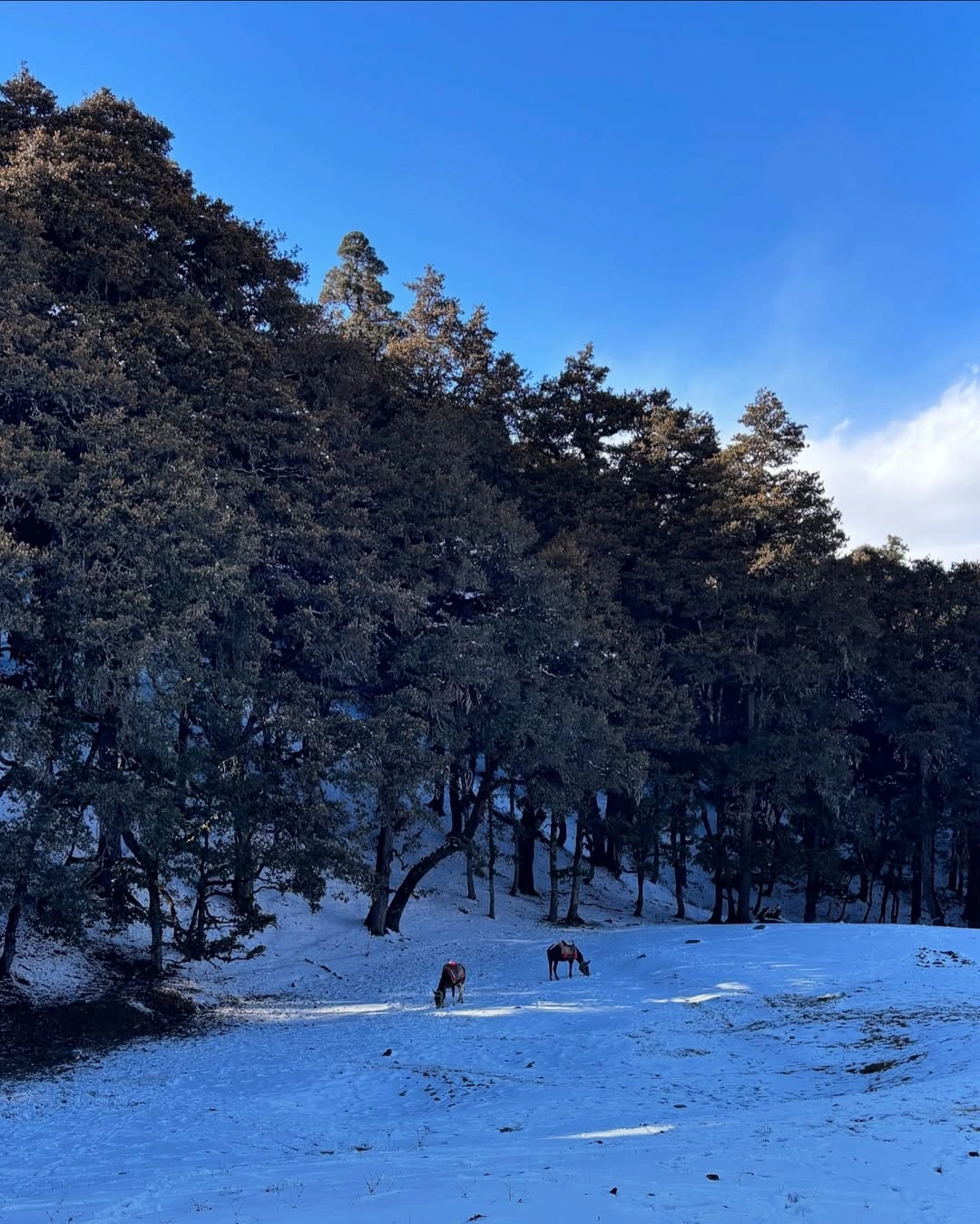
Winter (December to February)
- Temperature:
- Day: -2°C to 7°C
- Night: -8°C to -2°C
- Roads may be snow-covered, and chances of black ice are high; travel buffers are essential.
- Activities revolve around snow and skiing.
If your primary goal is snow, then this itinerary works well for you.
Extension suggestion:
- If time permits, travellers can extend their stay and enrol in a multi-day skiing course (5–7 days) conducted during peak winter months. This requires staying longer in Auli and keeping weather buffer days.
Spring & Summer (March to June)
- Temperature:
- Day: 10°C to 20°C
- Night: 2°C to 8°C
- Snow recedes, meadows open up to the bright colour of green and flowers, and road conditions stabilise.
- Sightseeing, ropeway travel, and relaxed pacing suit shorter stays.
Shortening option:
- This season allows the trip to be compressed into 2 nights / 3 days.
Monsoon (July to September) – Not Recommended
- Temperature:
- Day: 12°C to 18°C
- Night: 8°C to 12°C
- Lush green meadows with misty views welcome you. Beautiful but dangerous time to travel.
- Travel times may increase due to rain-related delays.
Visibility can be limited, risk of landslides and getting stuck is high.
Autumn (October to November)
Trekking in this season is also favoured as it will not be too cold or too hot. Comfortable temperature with clear skies and views makes autumn the best time for treks and spotting peaks.
- Temperature:
- Day: 8°C to 15°C
- Night: 0°C to 5°C
- Dry weather and clear skies make this a visually rewarding season, perfect for photography and birdwatching.
Auli Tour Package
Price Inclusion
Accommodation: 3-night hotel stay at Joshimath/ Auli on a triple sharing basis.
Transportation: Traveller/ cab from Dehradun to Auli and back is covered.
Meals: 3 Breakfasts and 3 Dinners
Permits: All the required toll charges, forest entry permits and other tickets for Indian nationals are covered.
Sightseeing as per the itinerary.
A local guide or a trip coordinator
First Aid Kit
Price Exclusion
5% GST is excluded.
Extra snacks, lunches and beverages during the hikes are not included.
Any entry ticket for sightseeing that is not mentioned in the inclusions.
Cost of emergency evacuation in case of bad weather, landslides, flooding, etc.
Charges for adventure activities like rafting, skiing, boating, etc. are excluded.
Note: Check the booking procedure here, including details on booking deposits, payment terms, and the cancellation policy.
Cultural and Historical Info
Mata Murti Ka Mela (Near Badrinath): A Key Cultural Event of the Region
Mata Murti ka Mela is one of the most significant cultural and religious events observed in the region around Auli, an annual festival associated with Lord Badrinath. Although the festival does not take place in Auli itself, it is closely linked to the Chamoli–Joshimath belt. The festival lets you understand and experience the deeper religious traditions of the Garhwal Himalayas.
When Is Mata Murti Ka Mela Celebrated?
- Time: Every year on Vaman Dwadashi (Shravan Dwadashi)
- Month: Usually August or early September (dates vary according to the Hindu lunar calendar)
Note: This period coincides with the monsoon season, and travel plans around this time should account for weather-related delays.
Cultural & Mythological Significance
According to local belief, Mata Murti was the mother of Nara and Narayana, the twin incarnations of Lord Vishnu. It is believed that Mata Murti prayed to Lord Vishnu to be born as her son, and in response, Vishnu incarnated as Nara–Narayana in the Himalayan region. The fair symbolises the annual visit of Lord Badri Vishal to his mother, making it a deeply emotional and symbolic occasion for devotees.
Festival Progression
The whole procession of the festival is marked by the traditional chants and devotional hymns, creating a spiritual yet celebratory environment.
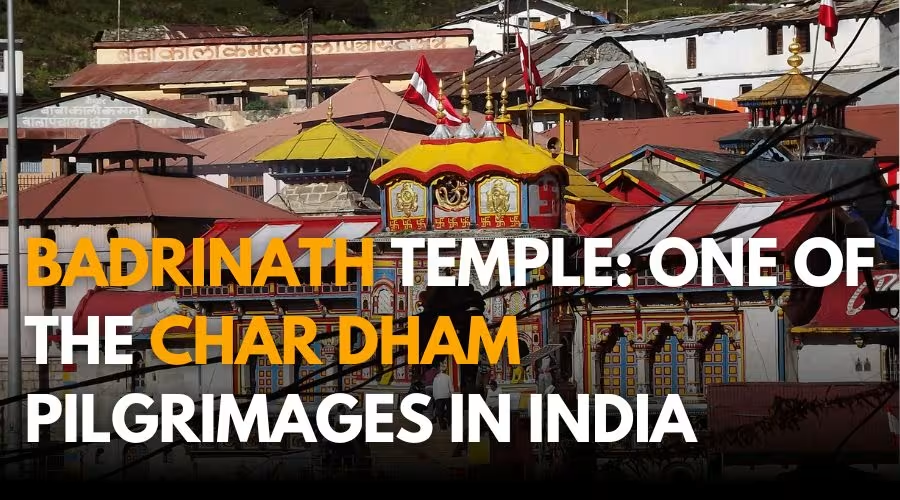
On the day of Mata Murti Ka Mela, the idol (doli) of Lord Badri Vishal is taken in a ceremonial procession from the Badrinath temple to the Mata Murti Temple, located about 3 km from Badrinath on the right bank of the Alakhnanda River.
The rituals are led by the Rawal (chief priest) of Badrinath, accompanied by temple priests and devotees.
Flora and Fauna
Auli is close to Nana Devi Biosphere Reserve and Valley of Flowers Park (both UNESCO sites), so it is obvious that the region is flourishing in both flora and fauna.
Fauna:
Wildlife sightings around Auli are occasional and mostly in the deep forested areas below the ski slopes. Species found in the wider region include the Himalayan monal (Uttarakhand’s state bird), Himalayan fox, musk deer, and the Himalayan black bear. Wildlife activity is more noticeable during early mornings and in warmer months.
Flora:
Vegetation around Auli consists mainly of alpine meadows, grasses, and seasonal wildflowers at higher elevations, like Brahma Kamal, Himalayan Blue Poppy, Faran, Choru, rhododendrons, etc.
Big trees like oak, deodar, pine, and fir forests are found on the lower slopes toward Joshimath. Other shrubs to be found are wild cherry, wild apple, fig, poplar, holly, dogwood, horse chestnut, etc.
In winter, most of the meadow region remains buried under snow, while spring and summer bring the alpine blooms.
Tour Essentials
- Day backpack (20-30 litres) with rain cover and ergonomic design.
- A 1 ltr refillable water bottle to store warm/cold water (Milton or Borosil)
- Personal medicines and toiletries.
- ID proof and other documents.
- Mobile charger and power bank.
- Extra plastic bags to store your wet clothes.
- Energy bars, ORS, and other snacks.
- Suncap
- U/V-protected sunglasses or photochromic spectacles.
- Woollen cap or ear muffs.
- Water-resistant and insulated hand gloves.
- 3-5 pairs of Cotton socks, hiking socks, and woollen socks
- Body Warmers or Heat Pouches
- For winters, carry full sleeves heavy thermals, padded/hollofil windproof jacket, and fleece inners.
- For summer and autumn, carry full-sleeve light thermals, moisture-wicking quick-dry tees, and a down jacket.
- Hiking pants or leggings.
- Waterproof Poncho
- Woollen jacket or pullover
- 1 Hiking Shoes
- 1 Pair of Floaters
- Hand Sanitizer and Sunscreen Lotion
- Toothbrush and Toothpaste
- Toilet Paper
- Quick Dry Towel
- Lip Balm and Antibacterial Powder
- Moisturizer
- Medical Certificate
- Self-Declaration Form
- Sleeping Bag
- Common Tent
- Mattress
- Dining Tent
- Camping Stool
- Walkie Talkie (For Team)
- Utensils
Weather & Temperature
Nearby Attractions and Destinations
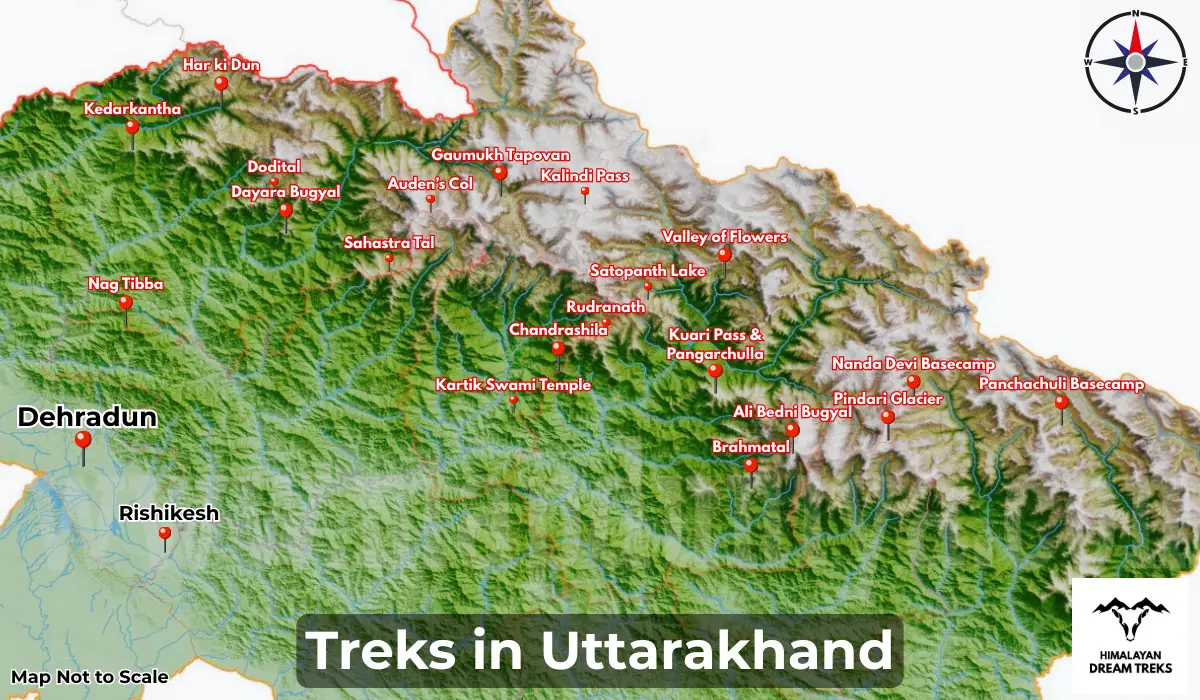
- Saildhar tapovan
- Chattrakund
- Gurson Bugyal
- Kwani Bugyal
- Auli Artificial lake
- Gopeshwar town – Known for the ancient Gopinath temple, Vaitarinikund.
- Ghangria village – a crucial basecamp for the Badrinath temple and Hemkund Sahib.
- Valley of Flowers
- Badrinath Temple
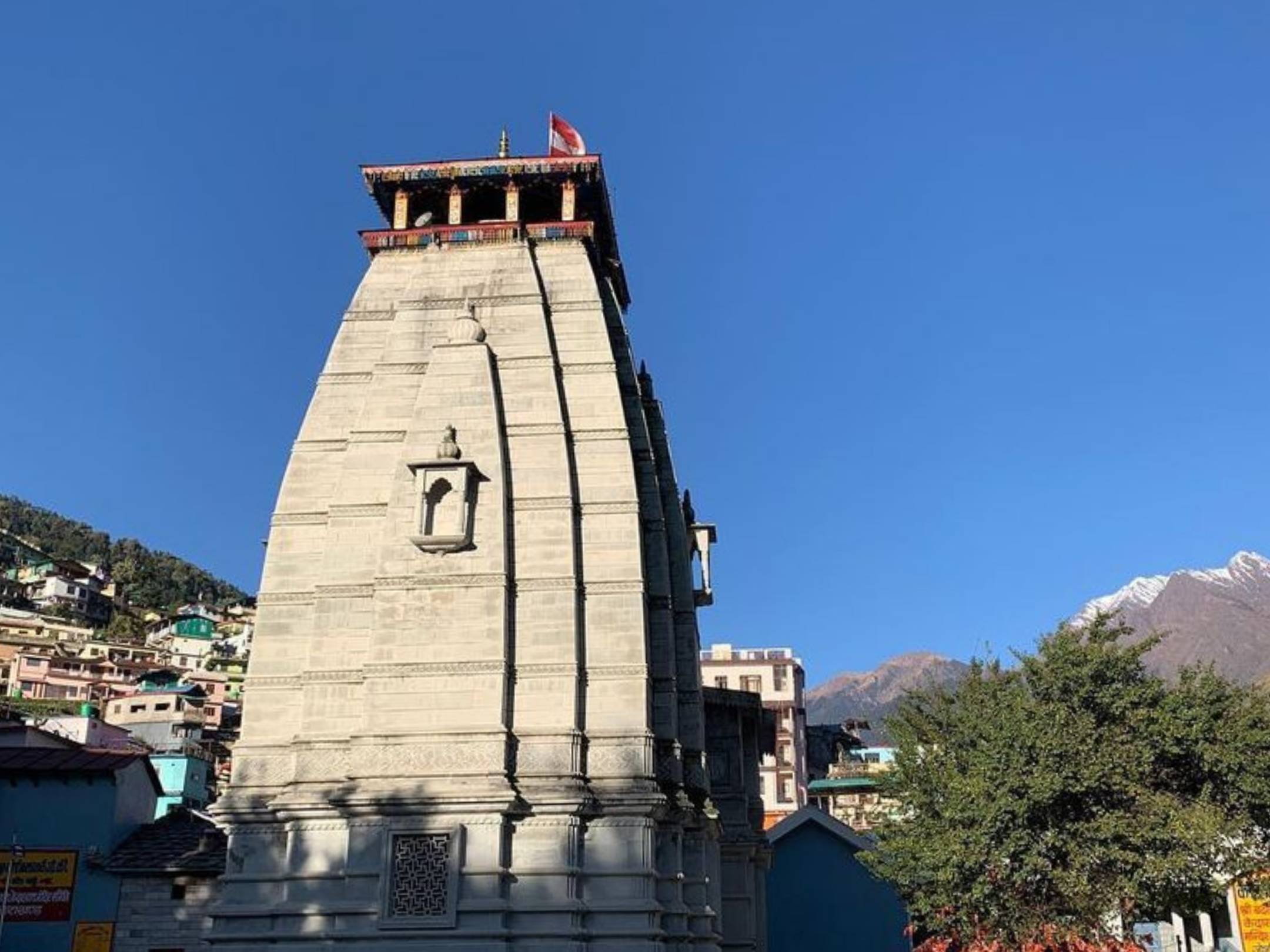
- Narsingh Temple
- Joshimath – Spiritual retreat to Shri Narsingh temple, Jyoteshwar Mahadev temple, Vishnuprayag, and many other places. Also enjoy authentic Grahwali cuisine like Bhatt ki dal, Jakhiya Aloo, Bal mithai (a popular local sweet), Choulai Ladoo (healthy Amaranth ladoos), etc.

Leave a Comment