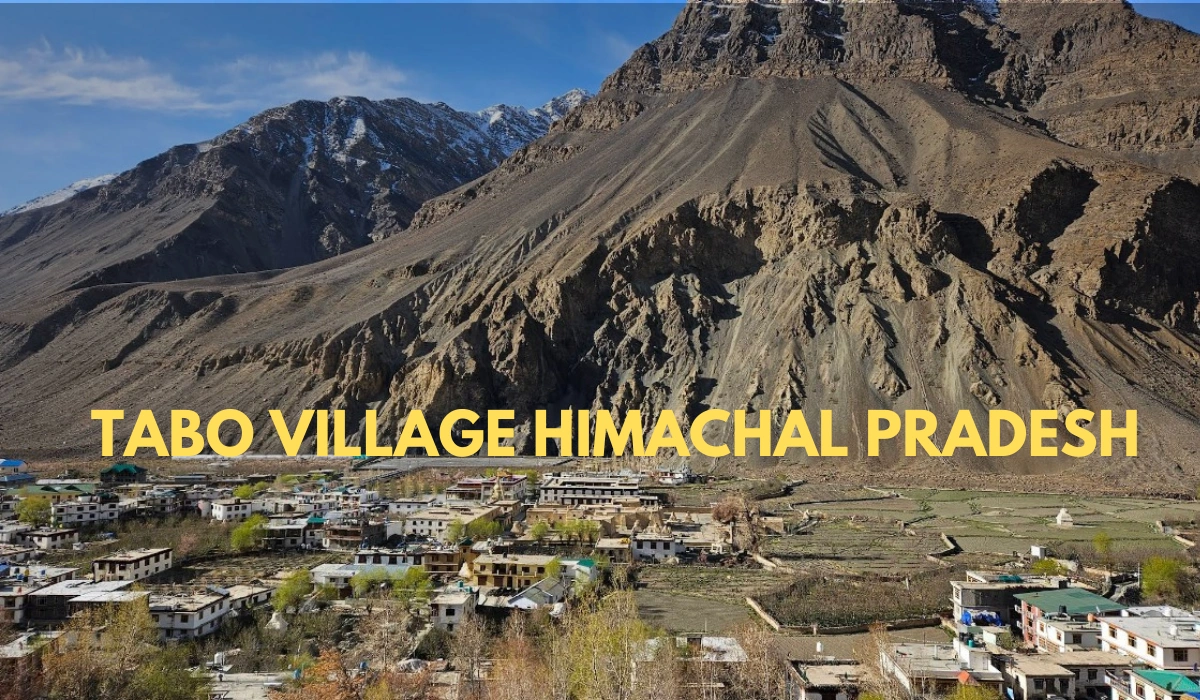
Have you ever dreamt of a place where time stands still, where the air hums with centuries of spiritual energy, and where the mountains don’t just surround you, they speak to your soul? Forget the rushed tourist trails of Shimla and Manali.
We’re talking about a destination tucked away in the deepest corners of the mighty Spiti Valley, a high-altitude cold desert region of Himachal Pradesh, that remains, quite honestly, the Himalayas’ best-kept secret. For the intrepid Indian traveler, the one who seeks moksha in the silence and sukoon in the rugged landscape, Tabo Village isn’t just a place; it’s a pilgrimage.
Table of Contents
A Journey Back in Time: The Unmatched History of Tabo
The 1,000-Year-Old Legacy: Tabo Monastery
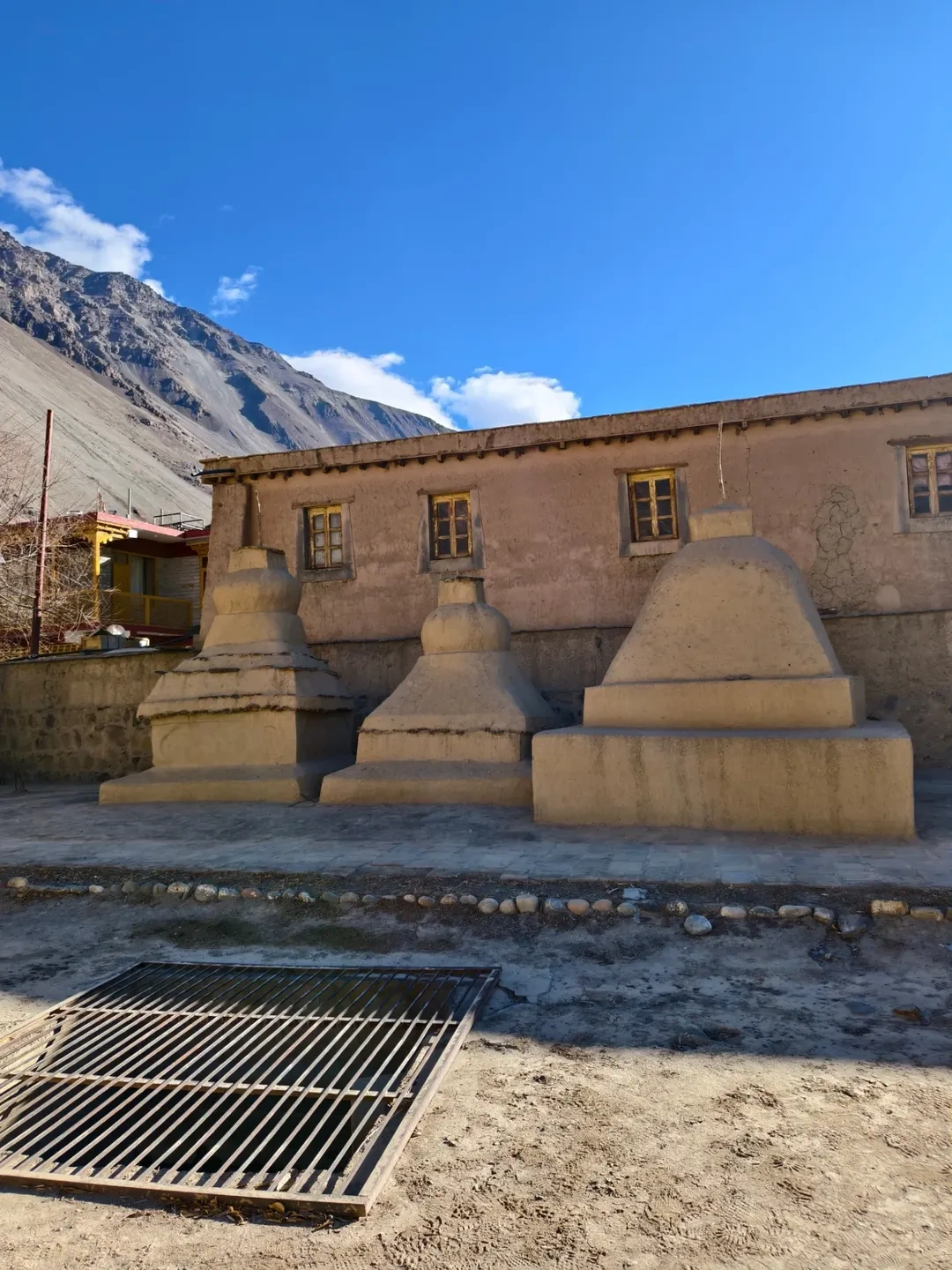
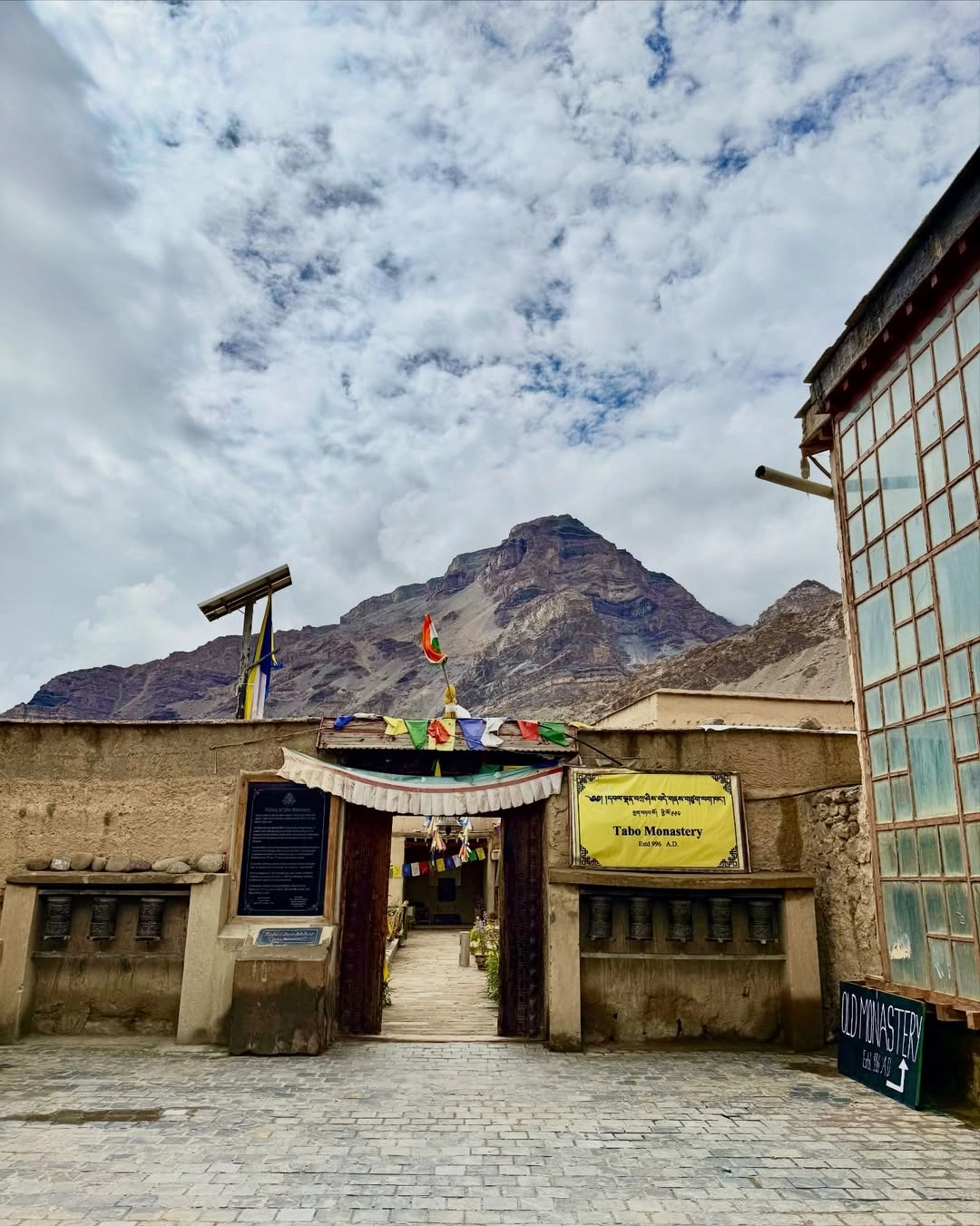
The monastery was established in 996 CE by the great Tibetan Buddhist king, Yeshe-O’d. Think about that for a moment: this structure has witnessed over a millennium of history. It was standing long before the Mughal Empire flourished, before the British arrived, and even before many of the modern landmarks we visit today were even conceived. This makes it one of the oldest functioning Buddhist monasteries in India and the entire Himalayan region.
What sets Tabo apart, and what earns it the legendary nickname, is its exquisite collection of murals and stucco sculptures. The original structure is built entirely of mud and earth, a technique that has miraculously preserved the ancient artwork from the harsh cold desert climate. The complex comprises nine temples, four renovated stupas, and various other structures. The murals here depict Jataka tales, mandalas, and various deities, offering an unparalleled glimpse into the art and spiritual practices of 10th – 11th century Tibet and India.
Unlike the grand, often intimidating structures of some newer monasteries, the ambiance inside the main Tabo Gompa is one of intimate, quiet reverence. The low ceilings, the earthy aroma, and the flickering light on the faded, sacred art create an atmosphere that is truly unforgettable. It is here, standing in the dark heart of the oldest temple, that you feel the palpable weight of a thousand years of continuous prayer. This is the ultimate destination for any search of “Spiti Valley historical sites.”
How to Reach Tabo Village
Reaching Tabo is a part of the adventure itself. Situated at an altitude of 3,280 meters (10,760 feet) above sea level, deep within the Lahaul and Spiti district of Himachal, Tabo is accessible only by road, and that too, only for a specific window of the year. The journey is long, often arduous, but the views are an unmatched reward for your perseverance.
The Two Iconic Transport Options
For the Indian traveler, there are essentially two main routes, forming the famous Spiti circuit:
1. The Shimla – Kinnaur – Kaza Route (The Safer Ascent)
- Route: Delhi/Chandigarh → Shimla → Narkanda → Rampur → Sangla/Reckong Peo → Tabo → Kaza.
- Duration: This is the preferred route for acclimatization, as the ascent in altitude is more gradual. It typically takes 2 to 3 days of steady driving from Chandigarh to reach Tabo comfortably.
Key Advantage: It generally remains open for a longer period, often accessible from April/May right up until November, and provides a smoother introduction to the cold desert terrain.
2. The Manali – Rohtang/Atal Tunnel – Kunzum Pass Route (The Scenic Shortcut)
- Route: Manali → Atal Tunnel/Rohtang Pass → Gramphu → Batal → Kunzum Pass → Losar → Kaza → Tabo.
- Duration: While geographically shorter, the terrain is much tougher. This route is typically done in 1 to 2 days from Manali to Tabo, though it’s heavily dependent on weather.
Key Disadvantage: It is blocked by heavy snow for almost 6-7 months of the year, usually only opening from late May/early June to late September/early October. Also, the rapid altitude gain (crossing Kunzum Pass at 4,551m) makes it riskier for travelers prone to Acute Mountain Sickness (AMS).
Transport Options
- HRTC Buses: The Himachal Road Transport Corporation (HRTC) runs daily or bi-daily bus services from Reckong Peo (via Kinnaur) and Kaza. These are the most economical option, a true local experience, and the most reliable in terms of knowing the road conditions.
- Shared/Private Taxis: You can hire a private cab for the entire circuit or, more commonly, hire shared taxis from major hubs like Reckong Peo or Kaza. These offer more comfort but come at a higher cost.
Pro-Tip (A must-read for our Indian audience): When looking for “how to reach Tabo”, understand that the roads are notoriously unpredictable. Always keep a buffer day in your itinerary. Do not plan tight connections, especially if traveling during the shoulder seasons (May/October).
Navigating the Climate and Acclimatization
A trip to Tabo is a high-altitude expedition, and respecting the geography is paramount. Altitude and weather dictate the success and enjoyment of your journey.
Best Time to Visit Tabo
Choosing the right time based on “best time to visit Tabo” searches is crucial:
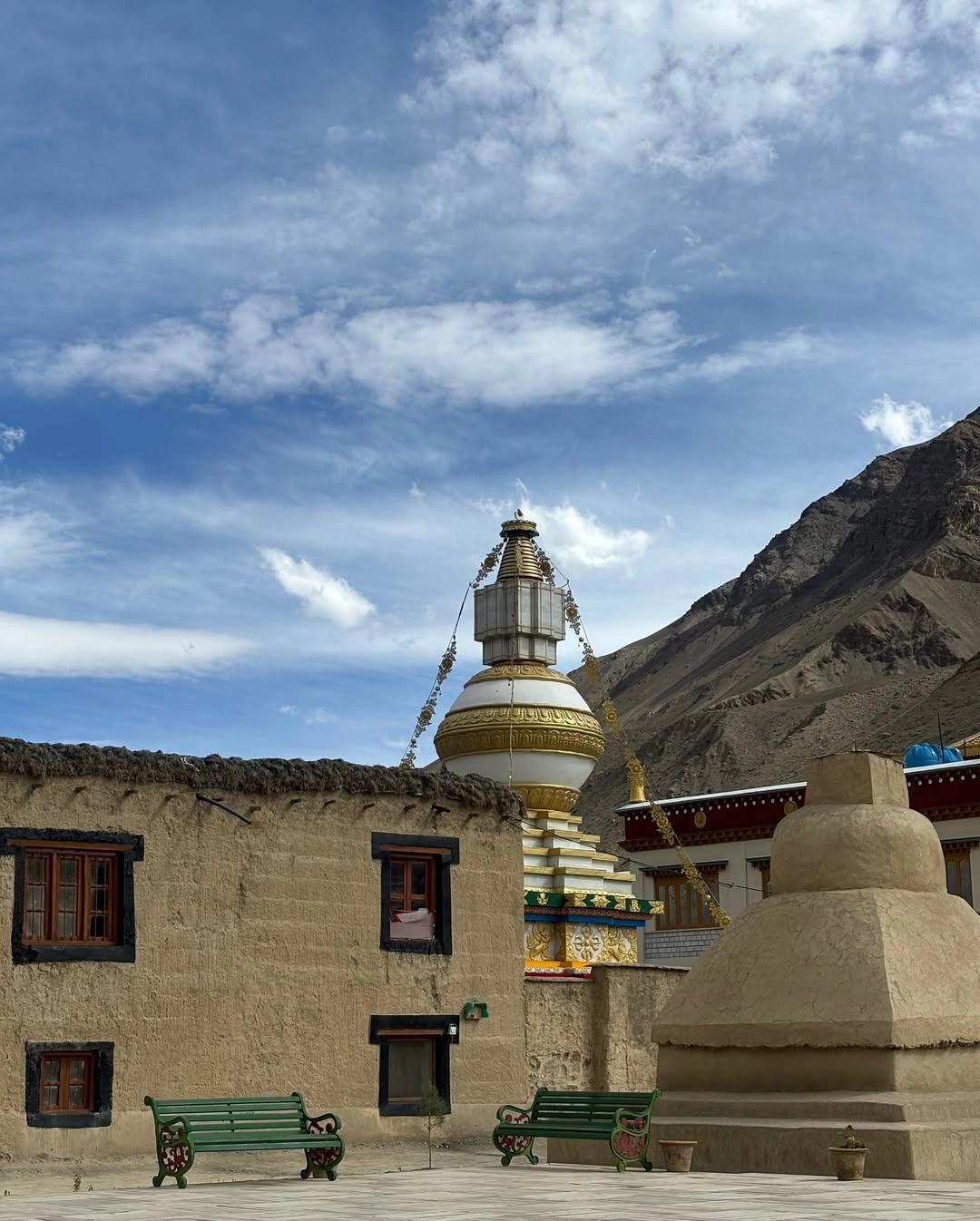
Summer (May to Mid-October): The Golden Window
- The Experience: This is the most popular time. The weather is pleasant (daytime temperatures 15°C to 25°C), the sun is strong, and both major routes (Shimla and Manali side) are open. This allows for the complete Spiti Circuit.
- The Vibe: Everything is accessible, homestays are open, and the mountains are mostly snow-free, revealing their unique, stark brown landscape.
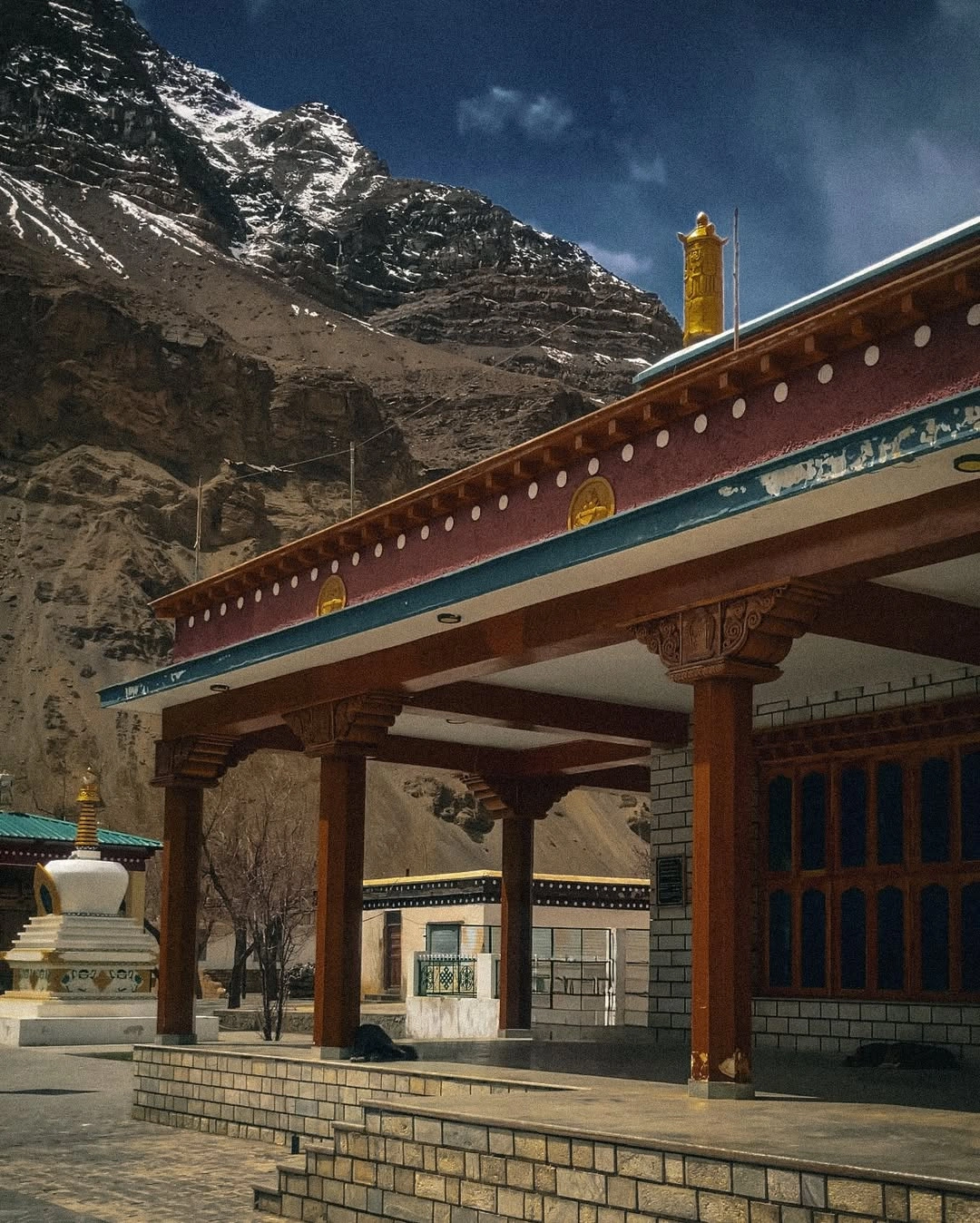
Autumn (Late September to November): The Photographer’s Delight
- The Experience: The tourist crowd thins out, and the air becomes crisp and very cold, especially at night. The skies are generally the clearest during this period, offering breathtaking views of the star-filled cosmos.
- The Vibe: The Manali route might start closing, but the Shimla-Kinnaur route remains accessible. This is perfect for those seeking solitude and dramatic photographic opportunities.
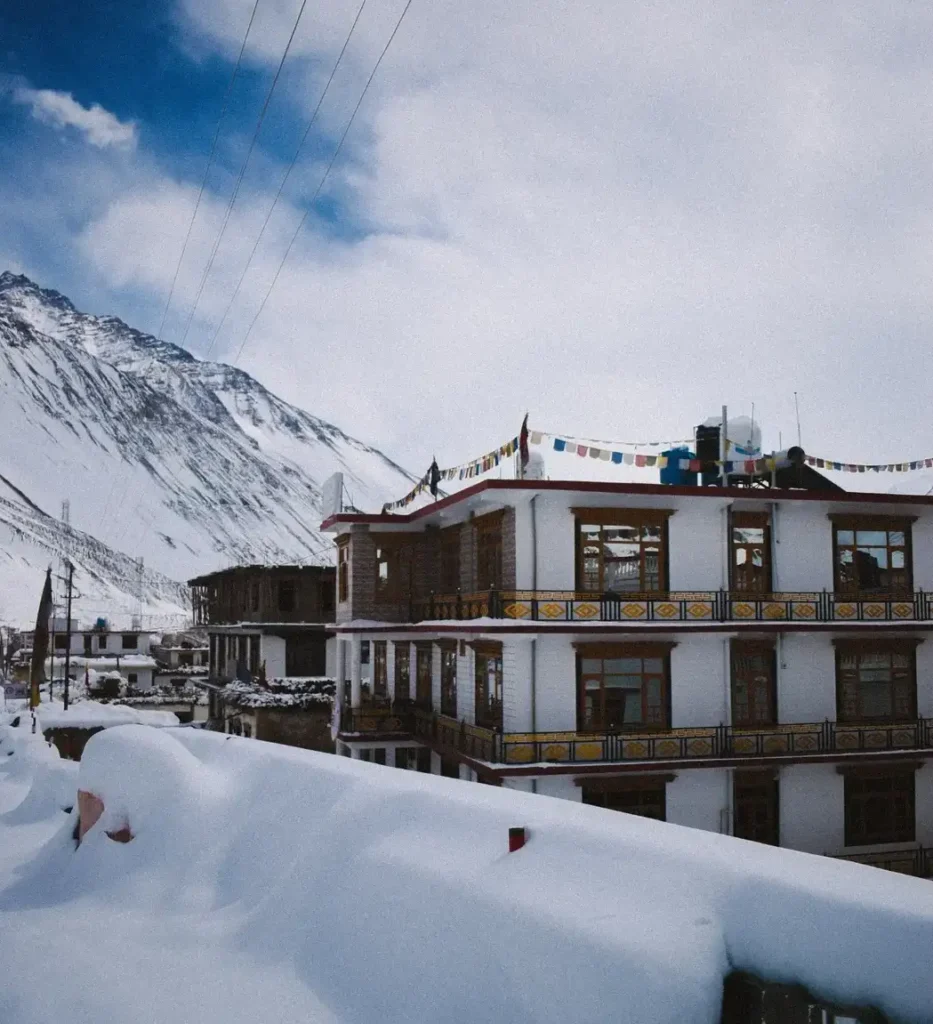
Winter (December to April): The Challenging Expedition
- The Experience: This is for the hardened traveler. Temperatures plummet to well below freezing (-15°C to -30°C). Roads are often blocked, and Tabo is usually only reachable via the Shimla route, if at all.
- The Vibe: Harsh, yet incredibly beautiful. You witness the true cold desert in its stark white glory. Most hotels shut down, leaving only a few hardy homestays open, offering a truly local and rugged experience.
Acclimatization: The Unskippable Priority
At over 10,000 feet, Acute Mountain Sickness (AMS) is a real risk. We cannot stress this enough. Tabo is slightly lower than Kaza, but you must take necessary precautions:
1. Stop and Rest: Plan overnight stops at lower-altitude locations like Reckong Peo or Sangla/Chitkul before proceeding to Tabo.
2. Stay Hydrated: Drink plenty of water. Avoid alcohol and smoking, especially on the first couple of days.
3. Go Slow: The mantra is slow and steady. Do not exert yourself on arrival. Spend the first evening relaxing and exploring the village gently.
4. Local Remedy: Many locals recommend Garlic (Lahsun) and Ginger tea as natural remedies. Carry personal medications like Diamox (after consulting your doctor).
The Must-See Attractions in and Around Tabo
While the Gompa is undoubtedly the main event, Tabo offers a wealth of cultural and natural beauty that can easily fill two to three days.
1. The Tabo Caves: Ancient Meditation Sanctuaries
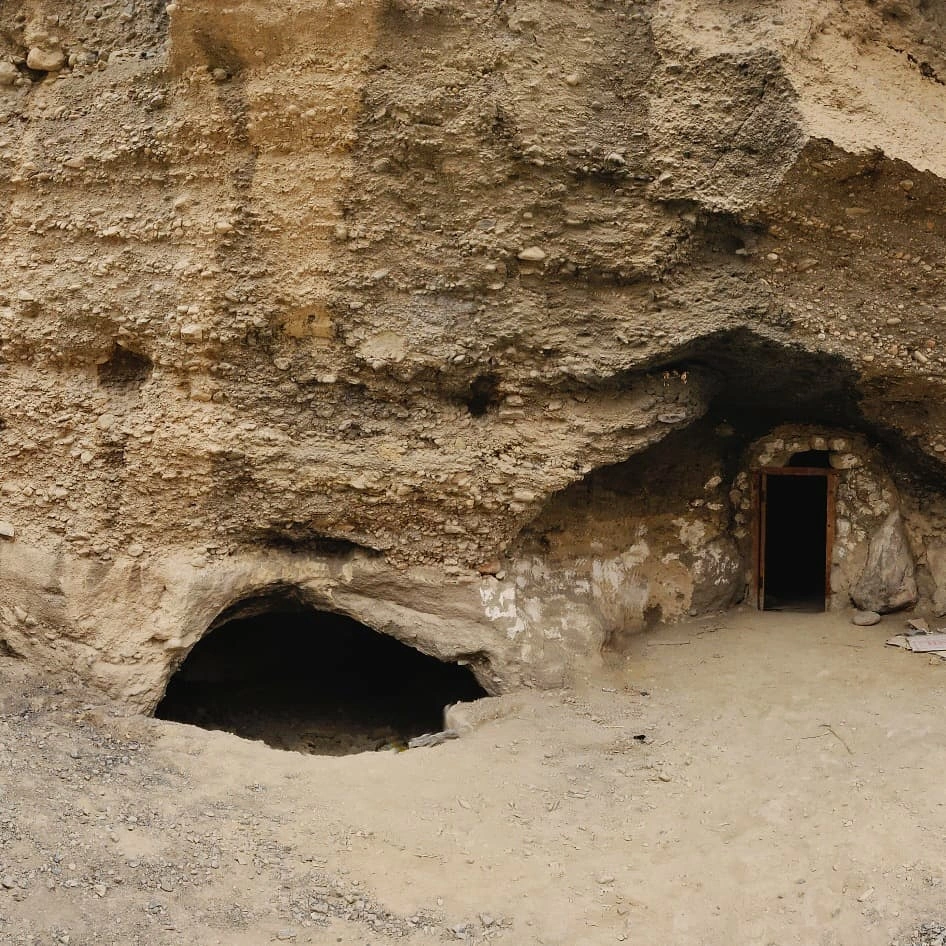
Look up at the hills that overlook the main village. You will see a series of small, dark openings dotting the mountainside. These are the Tabo Caves, ancient caves carved by Buddhist monks centuries ago to serve as their solitary meditation chambers and, sometimes, as their winter shelters.
A short, but slightly steep, trek up to the caves is highly recommended. The views from this vantage point are spectacular, offering a panoramic sweep of the entire valley and the geometric pattern of the village below. Stepping inside one of these small, cold chambers, you get a powerful sense of the austere lifestyle and deep commitment of the lamas who sought enlightenment here. The silence is profound,a perfect spot for your own moments of reflection.
2. The New Monastery (Gompa) and Chorten Complex
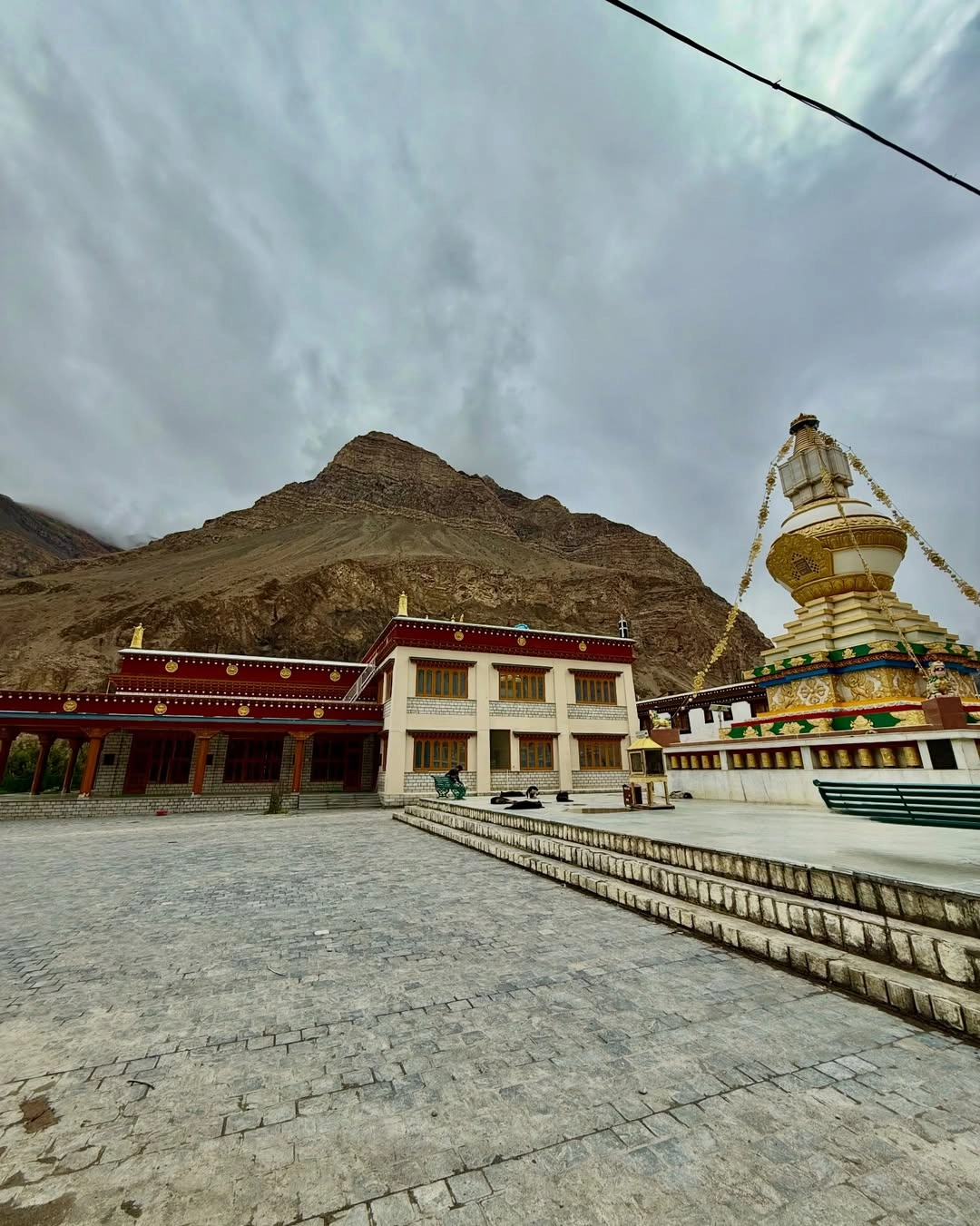
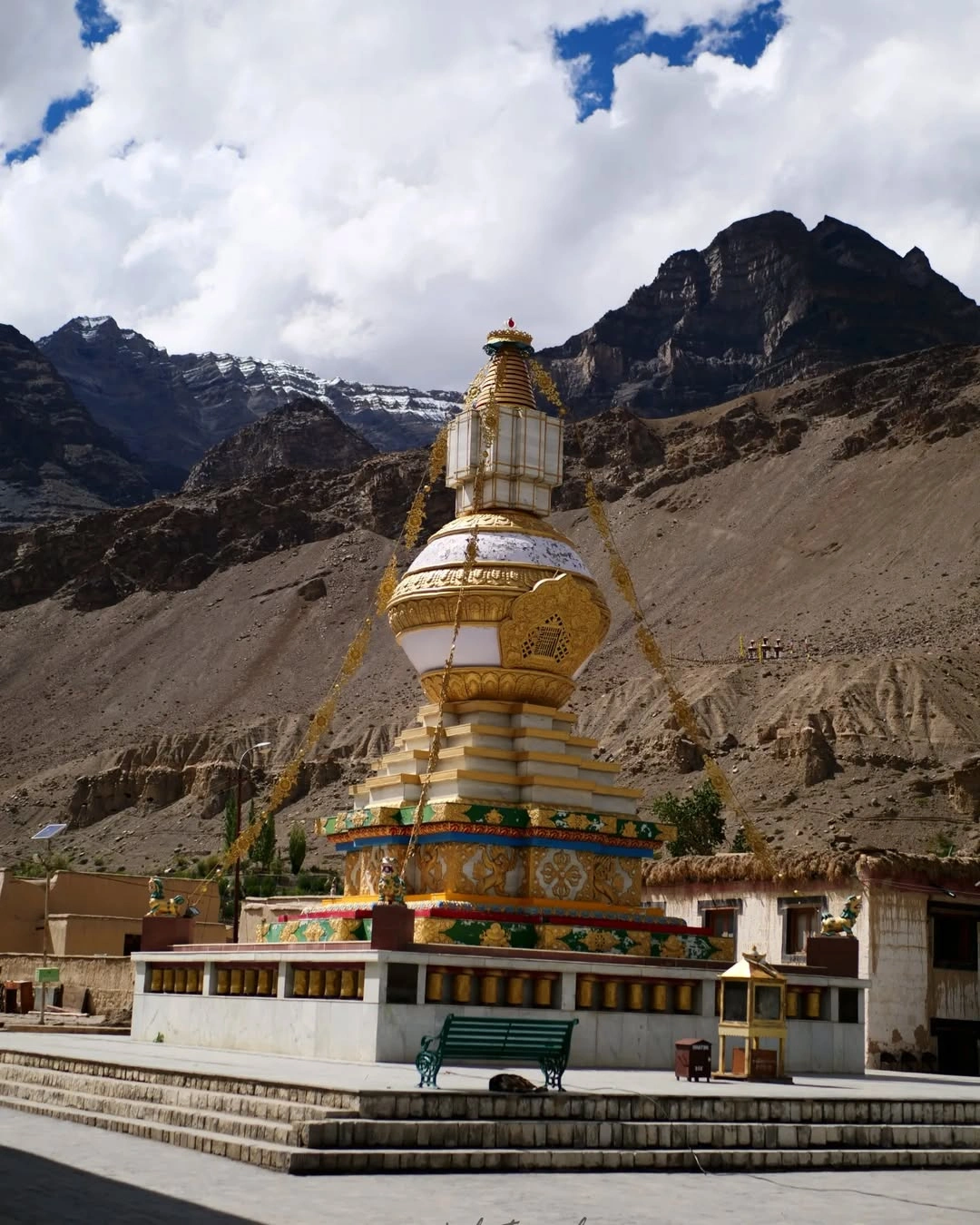
Opposite the ancient Tabo Gompa, you will find a relatively newer complex. This area is usually bustling with activity, featuring the main assembly hall and a stunning collection of chortens (stupas). While the new monastery lacks the sheer historical weight of the old one, it is often where the daily prayers and religious ceremonies take place.
It’s a great spot to observe the modern life of the Tabo monastic community. The newer murals and statues are vibrant and well-preserved, offering a contrast to the old, faded masterpieces.
3. Village Walk and Interactions
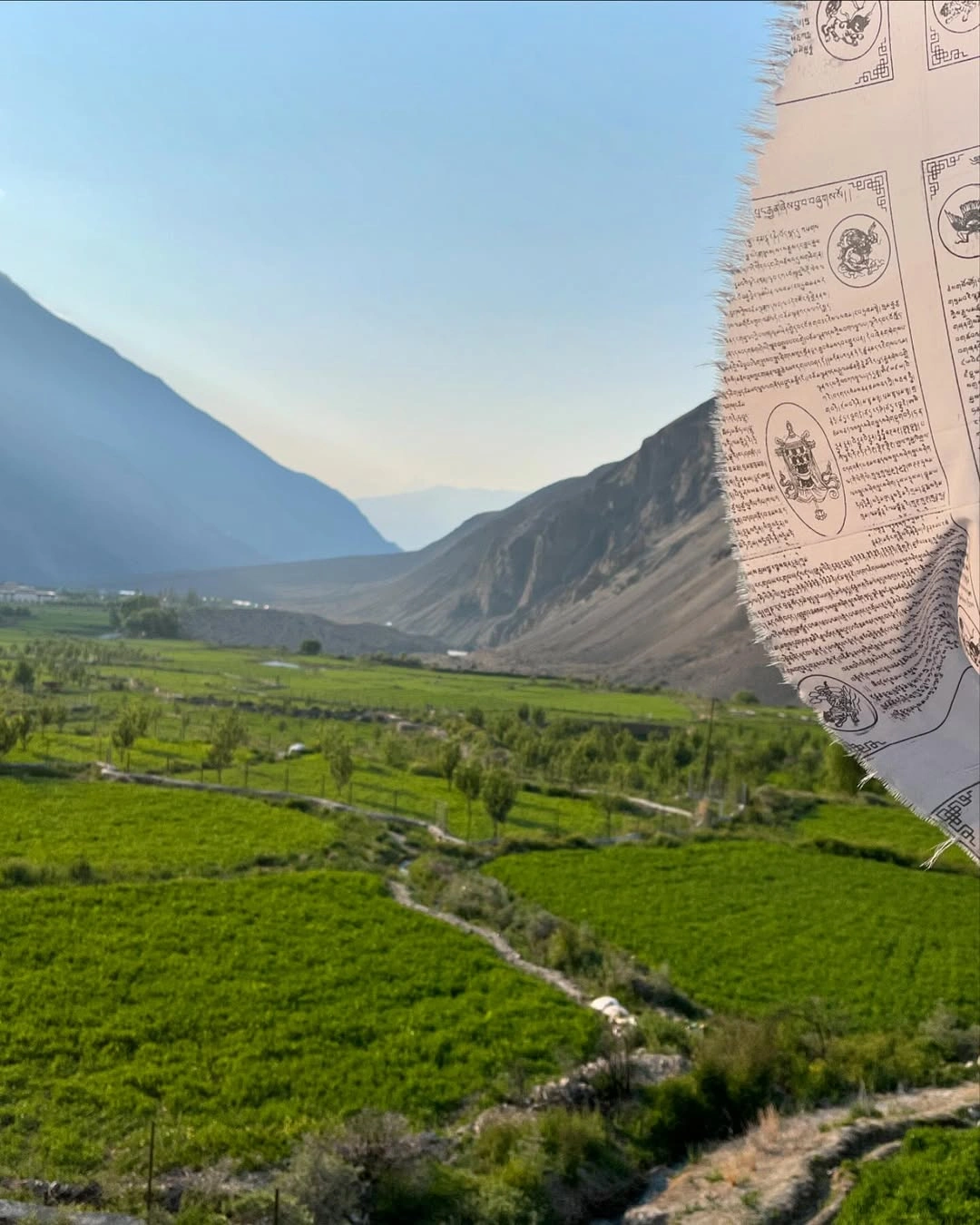
Tabo is a small, compact village. The best way to truly experience its soul is to simply wander. Take a leisurely walk through the narrow lanes connecting the mud houses. The architecture is unique, perfectly adapted to the harsh environment, utilizing mud and willow branches as primary building materials.
The locals,the Spitians,are known for their warmth, gentle nature, and deeply ingrained Buddhist ethos. A simple “Julley” (Hello/Thank you/Welcome in the local language) goes a long way. This is where you connect with the real pulse of Spiti Valley culture.
4. Excursion to Nako Lake (The Gateway to Tabo)
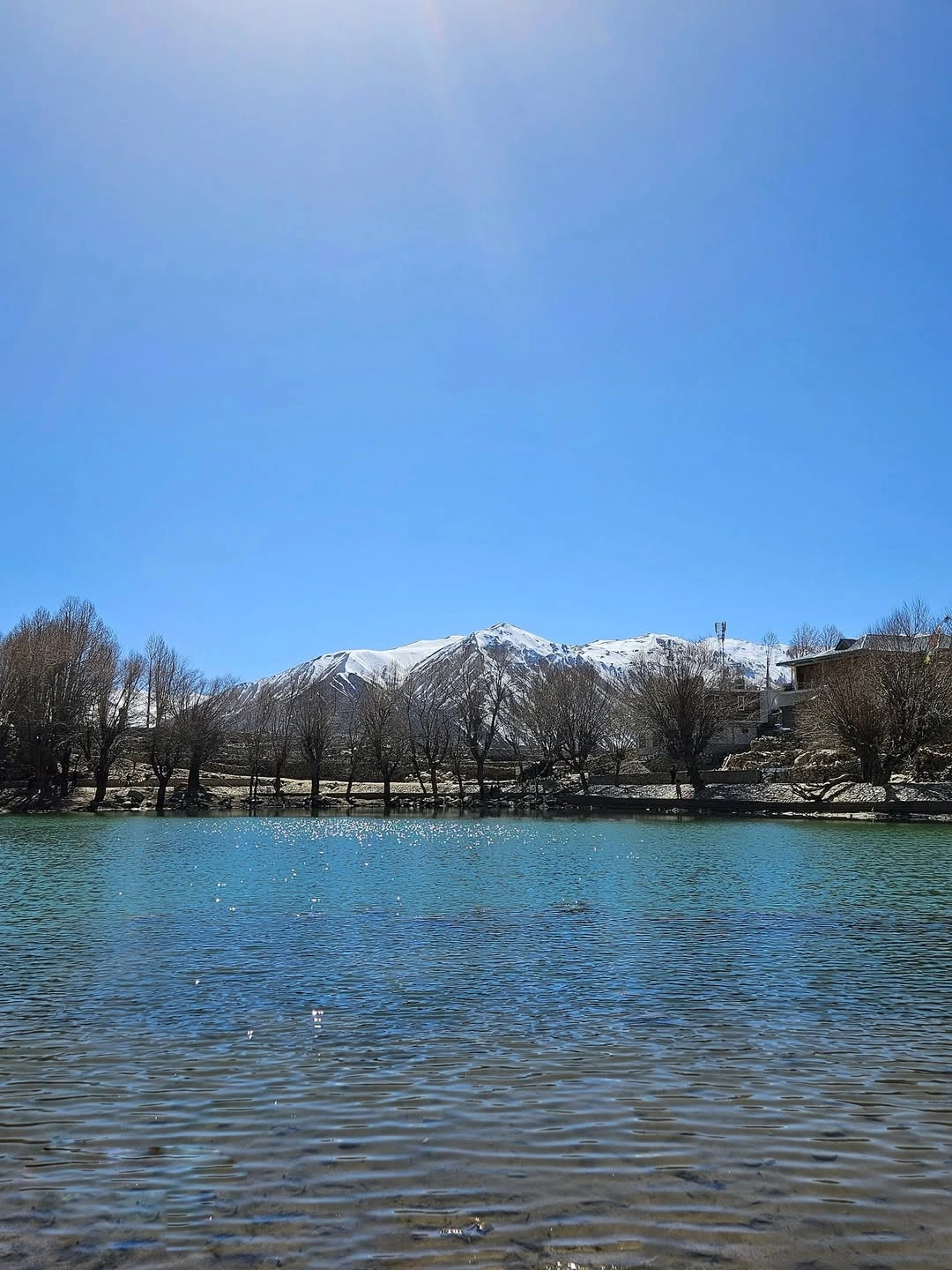
Just an hour’s drive from Tabo (towards Reckong Peo) lies Nako Village. Nako is often considered the eastern gateway to the main Spiti circuit. The village is famous for the small, beautiful Nako Lake, which remains frozen for much of the winter.
The village also houses an ancient monastery and offers stunning views. A half-day trip to Nako is essential, as the drive itself, navigating the hairpin bends and dramatic gorges, is an adventure. The confluence of the ancient monastery, the sacred lake, and the backdrop of the Kinnaur mountains makes for a truly memorable stop.
5. Driving Towards Kaza: Pin Valley National Park
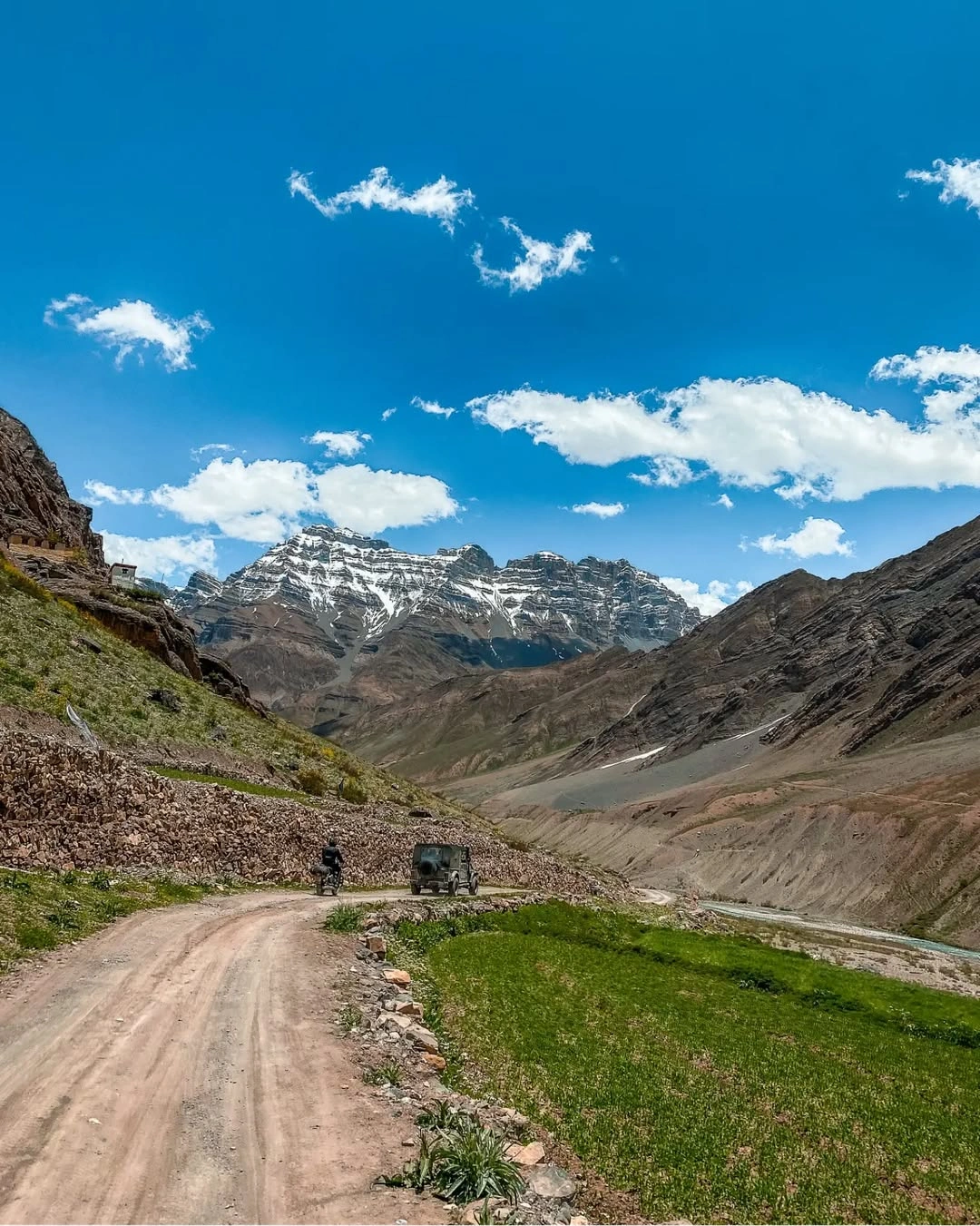
As you leave Tabo and head upstream towards Kaza (the administrative capital of Spiti), you enter a different, equally magnificent landscape. A crucial detour is to the Pin Valley National Park, the land of the snow leopard, Siberian ibex, and Himalayan tahr.
The sheer variety of flora and fauna in this tributary valley is startling. The drive up to the villages of Mudh and Sagnam within the Pin Valley is a must-do for any nature enthusiast and provides excellent fodder for those searching “Spiti Valley itinerary.”
Staying and Savoring: Accommodation and Cuisine
Tabo is not a luxury destination; it is an experience in rustic, mindful living. The focus here is on comfort, warmth, and genuine local hospitality.
Accommodation: Choosing Your Stay
You have two primary options, and both are equally enriching:
- Homestays: This is the most authentic choice. Staying with a local family means sharing their modest but cozy home, dining with them, and truly understanding the rhythm of life in Tabo. They are usually budget-friendly, offer simple, clean rooms, and most importantly, provide essential heaters and warm blankets, which you will definitely need. You can choose between White Lotus Homestay, Green Tara Homestay and Neema Homestay.
- Guesthouses/Hotels: Tabo has a few dedicated guesthouses, usually run by local entrepreneurs. These offer slightly more privacy and sometimes attached western-style washrooms. The famous Tabo Monastery Guest House is a popular choice, offering clean rooms right next to the historic complex.
A Word of Caution: Due to the altitude, water scarcity, and reliance on solar power, hot water may be available only for limited periods. Embrace the cold; it’s part of the Tabo charm! Electricity can be erratic, so carry a good power bank.
The Flavors of Tabo: Spitian Cuisine
The food in Tabo is simple, hearty, and tailored to provide warmth and energy in the high altitudes. It’s a delightful mix of Indian, Tibetan, and local Spitian flavors.
- Thukpa: A bowl of steaming hot noodle soup, packed with vegetables (or meat), is an absolute necessity. It’s comforting, nutritious, and the perfect antidote to the biting chill.
- Momos: Steamed or fried, the Tibetan dumplings here are fresh and delicious. Don’t miss the chutney,it’s often incredibly spicy and warming.
- Butter Tea (Salty Tea): Known locally as Cha-su, this is an acquired taste for many Indian travelers, but it’s a staple. Made with yak butter, salt, and tea leaves, it is essential for hydration and providing energy and fat to fight the cold.
- Sea Buckthorn Juice: The juice of this local berry is a power source of Vitamin C and an absolute immunity booster. It’s a local delicacy and a must-try.
- Indian Staples: Most homestays also serve comforting Indian food like Dal, Rice, and Roti, ensuring you have familiar food options after a long day of travel and exploration.
Conclusion
The journey to Tabo Village is not a holiday; it is a profound internal migration. You arrive in search of a destination, but you leave having found a deeper connection with yourself. The silence of the Spitian landscape forces a reckoning; the thousand-year-old murals remind you of the fleeting nature of existence; and the simple, gentle spirit of the local people teaches you the true meaning of resilience and contentment.
Tabo is where the dust of the road settles on your soul, washing away the noise of the city. For the Indian traveler who yearns for an authentic, challenging, and spiritually rewarding escape, Tabo offers a transformative experience unmatched by any other destination. So, pack your bags, prepare your mind, and make your way to this miraculous piece of living history. Julley!

Leave a Comment