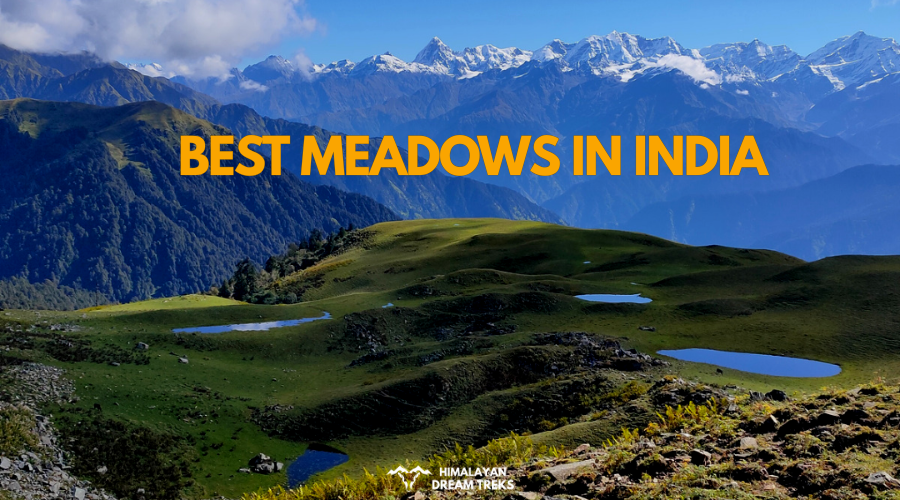
Meadows in India exist quietly between dense forests and towering snow peaks. They do not compete with mountains for attention, yet they shape the Himalayan ecosystem in powerful ways. These grasslands act as water regulators, grazing grounds, and seasonal shelters for wildlife and local communities.
In India, meadows form mainly at high altitudes where trees struggle to survive due to climate and soil conditions. Locally, people call them bugyals in Uttarakhand, margs in Kashmir, and alpine valleys in the Eastern Himalayas. Each region gives its meadows a different character, influenced by weather patterns, altitude, and human use.
This guide covers some of the most significant and naturally preserved meadows in India, which are also part of many popular trekking landscapes in India.”
1. Dayara Bugyal, Uttarakhand
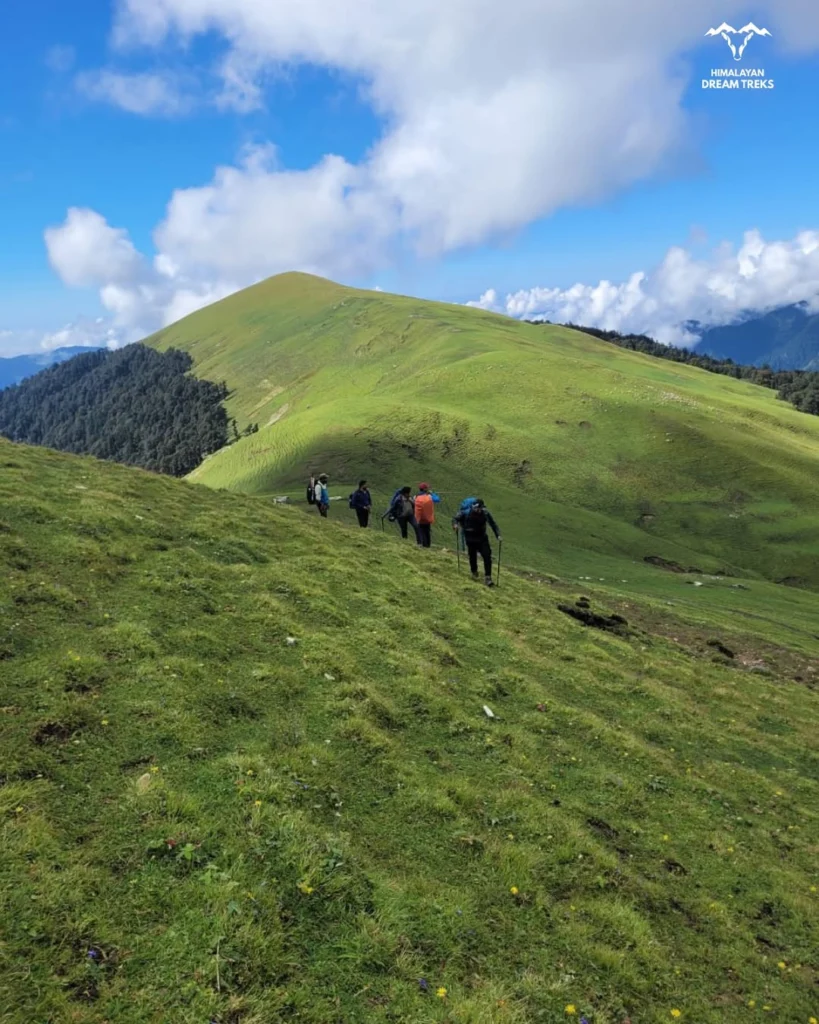
Dayara Bugyal is one of the most well-known alpine meadows in Uttarakhand. It sits at around 3,657 meters in the Uttarkashi region and spreads across rolling slopes rather than steep ridges.
What makes Dayara special is its seasonal transformation. In summer, thick green grass stretches endlessly, while winter turns the meadow into a snowfield. Snowfall here comes from western disturbances, a well-documented weather system affecting the Garhwal Himalayas.
Dayara Bugyal is well suited for beginners and families because of its gentle slopes and wide open landscape. The trek does not involve technical sections, making it comfortable for first-time trekkers and older family members.
2. Gidara Bugyal, Uttarakhand
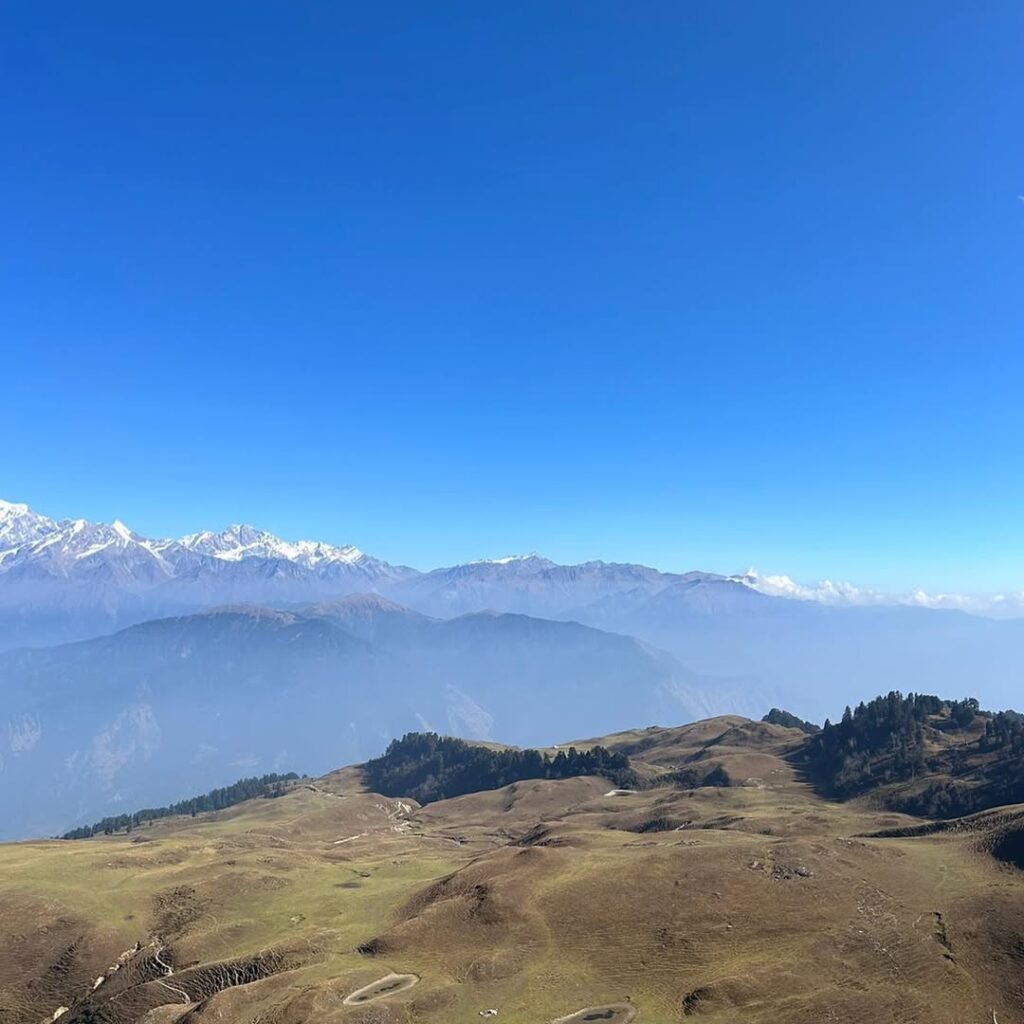
Gidara Bugyal remains one of the most untouched high-altitude meadows in Uttarakhand. Located in the Uttarkashi district at an elevation of around 14,000 feet, the meadow lies higher than Dayara Bugyal and requires multiple days of trekking to reach.
The area stays isolated due to the absence of permanent settlements. Seasonal shepherds visit only during summer, which keeps human pressure low. Meltwater from surrounding ridges feeds small streams that flow through the grassland, supporting native grasses and seasonal flowers.
Because of its remoteness, Gidara offers long stretches of open meadow without visible human structures. The silence, wide horizons, and changing light conditions make it especially appealing for experienced trekkers seeking raw and undisturbed Himalayan landscapes.
3. Ali Bedni Bugyal, Uttarakhand
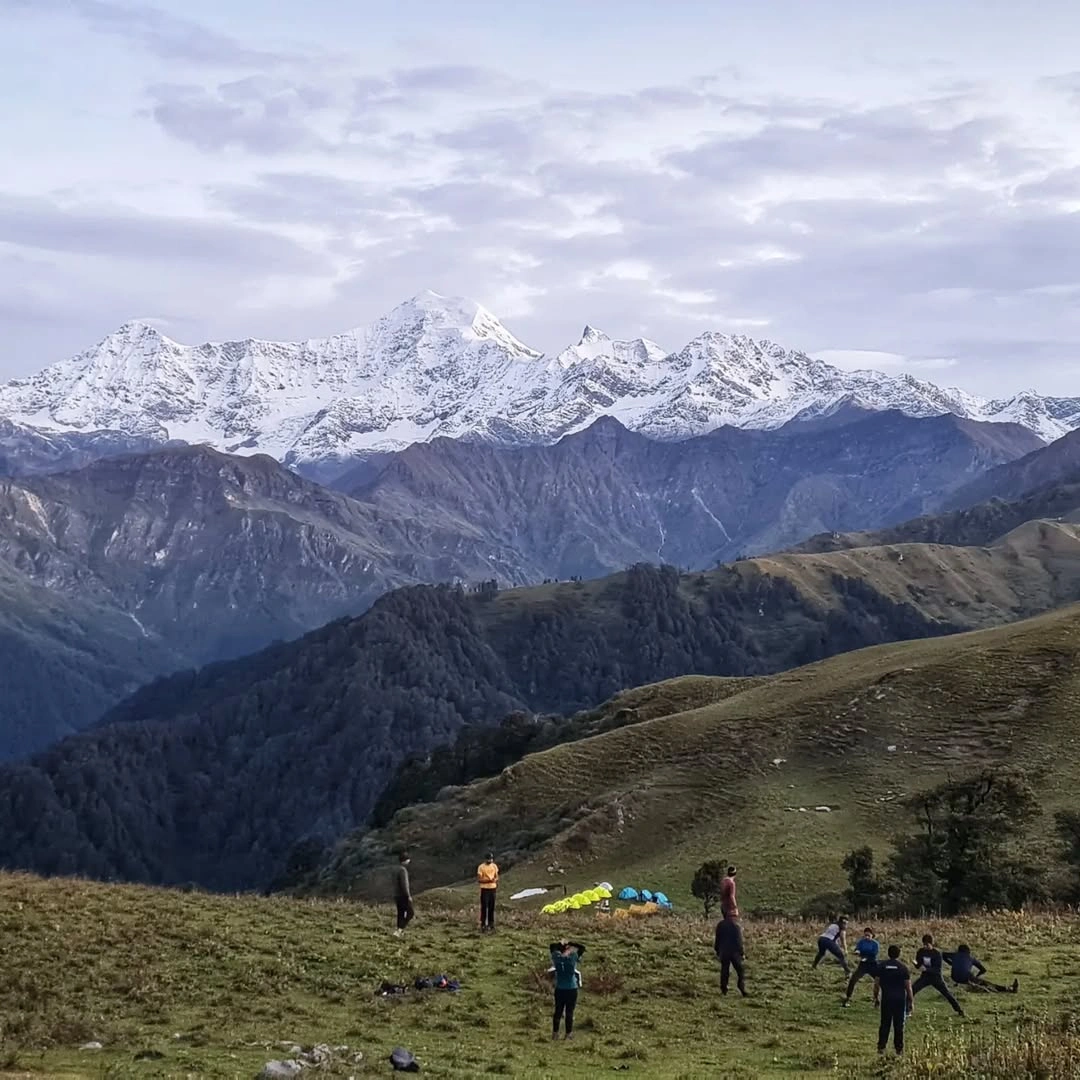
Ali Bedni Bugyal together form a vast connected meadow system in the Chamoli district of Uttarakhand. These high-altitude meadows lie between 3,300 and 3,700 meters and are known for their wide open landscapes and uninterrupted Himalayan views.
Bedni Kund, a sacred alpine lake located near the meadow, serves as an important cultural landmark rather than just a geographical feature. On clear days, the meadows offer striking views of Mount Trishul and Nanda Ghunti, which dominate the skyline and add to the region’s visual appeal.
Local communities regard these bugyals as sacred grazing grounds. Seasonal rituals and long-standing traditions reflect a deep respect for the land, a practice that has helped preserve the meadow ecosystem over generations.
4. Khajjiar, Himachal Pradesh
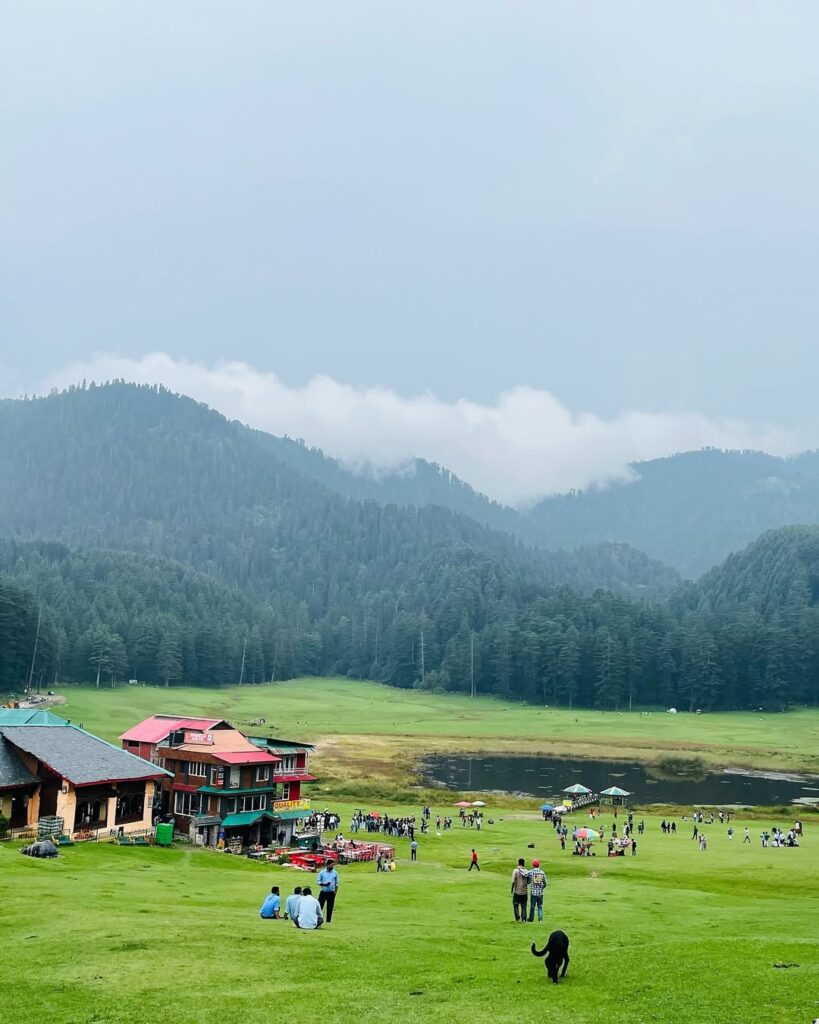
Khajjiar stands apart from high-altitude bugyals due to its lower elevation and easy accessibility. Located near Dalhousie in the Chamba district, the meadow features open grassland surrounded by dense deodar forests.
A small lake near the center helps retain moisture, keeping the meadow green for most of the year. The area is also home to the Khajji Nag Temple, a centuries-old shrine dedicated to the serpent deity, which holds cultural and historical importance for the region.
Khajjiar also serves as a popular stop for short nature walks and leisure activities, making it suitable for families and first-time visitors. The combination of open meadows, forest cover, and mild climate gives Khajjiar a relaxed atmosphere compared to more rugged Himalayan landscapes.
5. Bangus Valley, Jammu and Kashmir
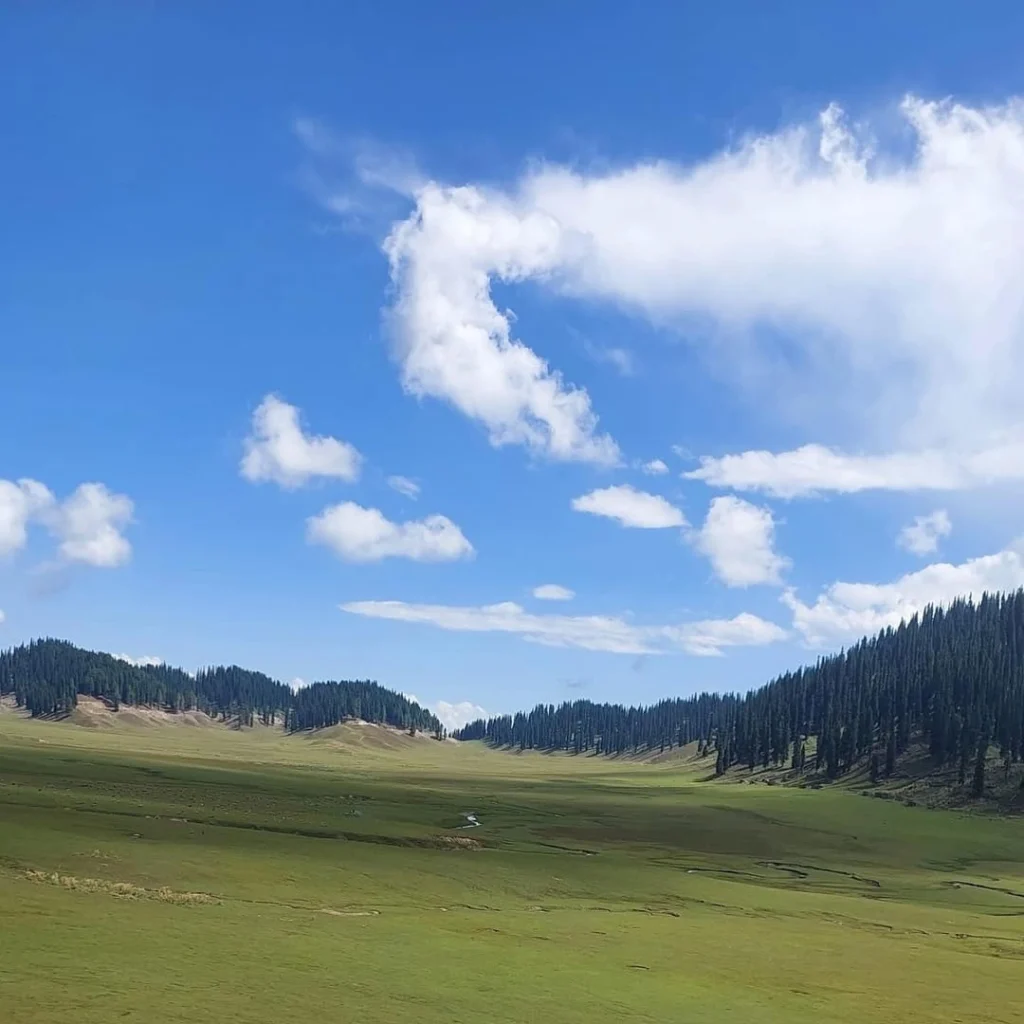
Bangus Valley is located in the Kupwara district of Jammu and Kashmir and sits at an altitude of around 10,000 feet. The valley is known for its wide, bowl-shaped meadows surrounded by gentle hills, giving it a vast and open landscape.
For decades, limited access helped keep Bangus free from commercial tourism. Even today, pastoral communities use the meadows during summer as part of their seasonal migration, a practice that has shaped the region’s traditional lifestyle.
Bangus Valley is also known for its unique sunrise and sunset viewpoints, where the open terrain offers uninterrupted views of changing skies. Every year in August, locals celebrate Bangus Mela, a cultural festival that reflects the valley’s pastoral heritage and deep connection with the land.
6. Gulmarg Meadows, Jammu and Kashmir
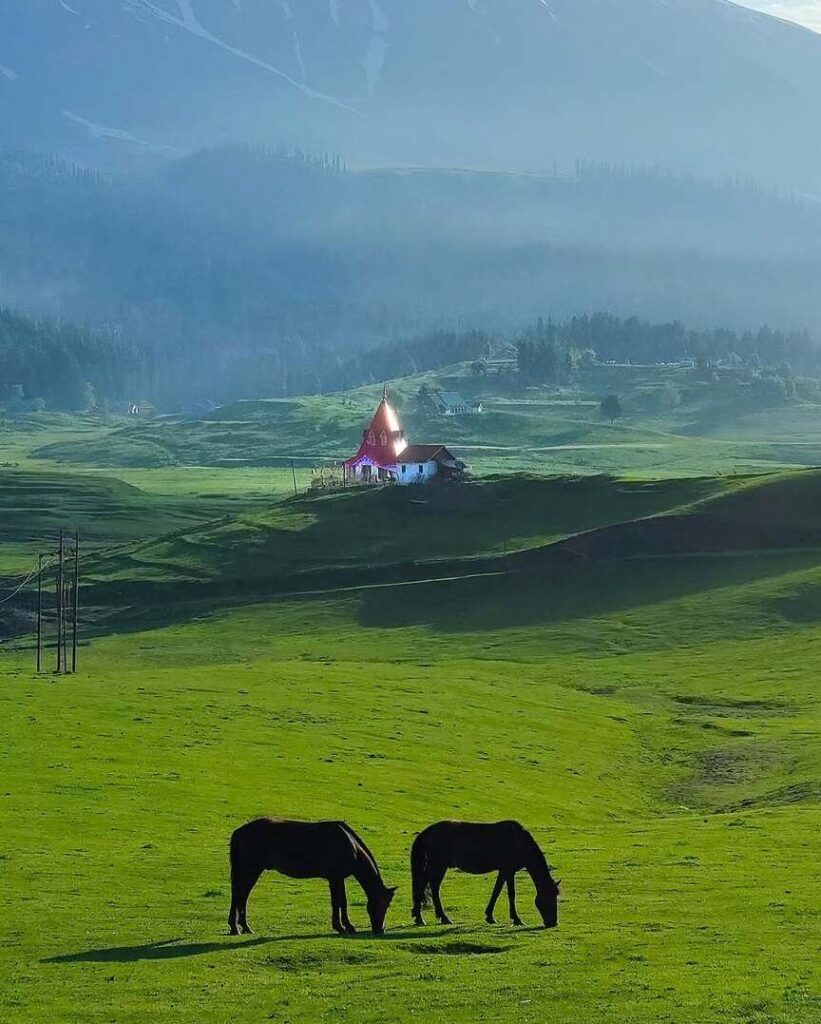
Gulmarg is widely known for winter skiing, but its meadows hold equal importance during the warmer months. Located at an altitude of around 2,650 meters, the grasslands benefit from regular rainfall and fertile soil.
From late spring to early summer, the meadows come alive with seasonal wildflowers, creating colorful open landscapes. In winter, heavy snowfall transforms Gulmarg into India’s most popular skiing destination.
The Gulmarg Gondola, one of the highest cable cars in the world, offers aerial views of the surrounding meadows and snow-covered slopes. The ride provides a clear perspective of Gulmarg’s wide grasslands, changing colors across seasons, and remains a major highlight for visitors throughout the year.
7. Sural Bhatori Meadows, Chamba
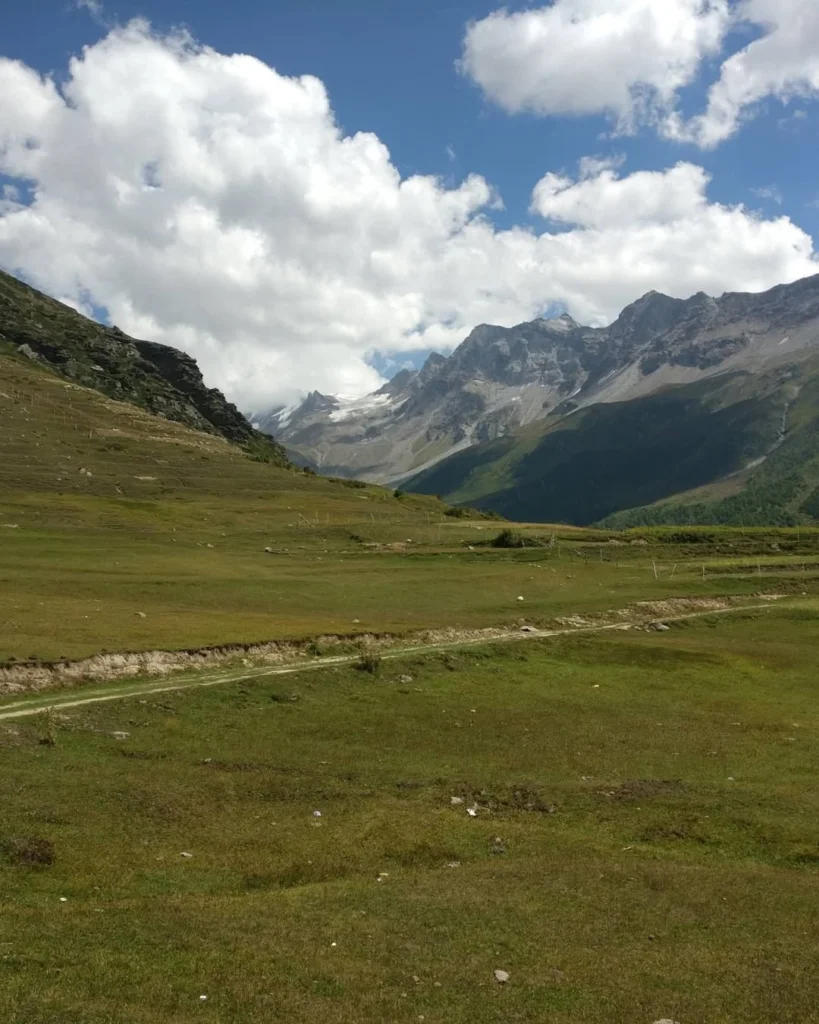
Sural Bhatori lies deep in the Chamba region of Himachal Pradesh, close to the origin of the Ravi River. Poor road connectivity and long, harsh winters keep these meadows remote and largely untouched.
During summer, seasonal shepherds bring their livestock to the grasslands, following traditional grazing routes passed down through generations. This controlled movement helps prevent overgrazing and allows the meadow to regenerate naturally each year.
The region is known for supporting alpine herbs and medicinal plants, many of which are used in traditional Himalayan practices. Surrounded by snow-capped peaks and wide open valleys, Sural Bhatori offers a raw and quiet meadow experience rarely found in more accessible parts of the Himalayas.
8. Dzongri Meadows, Sikkim
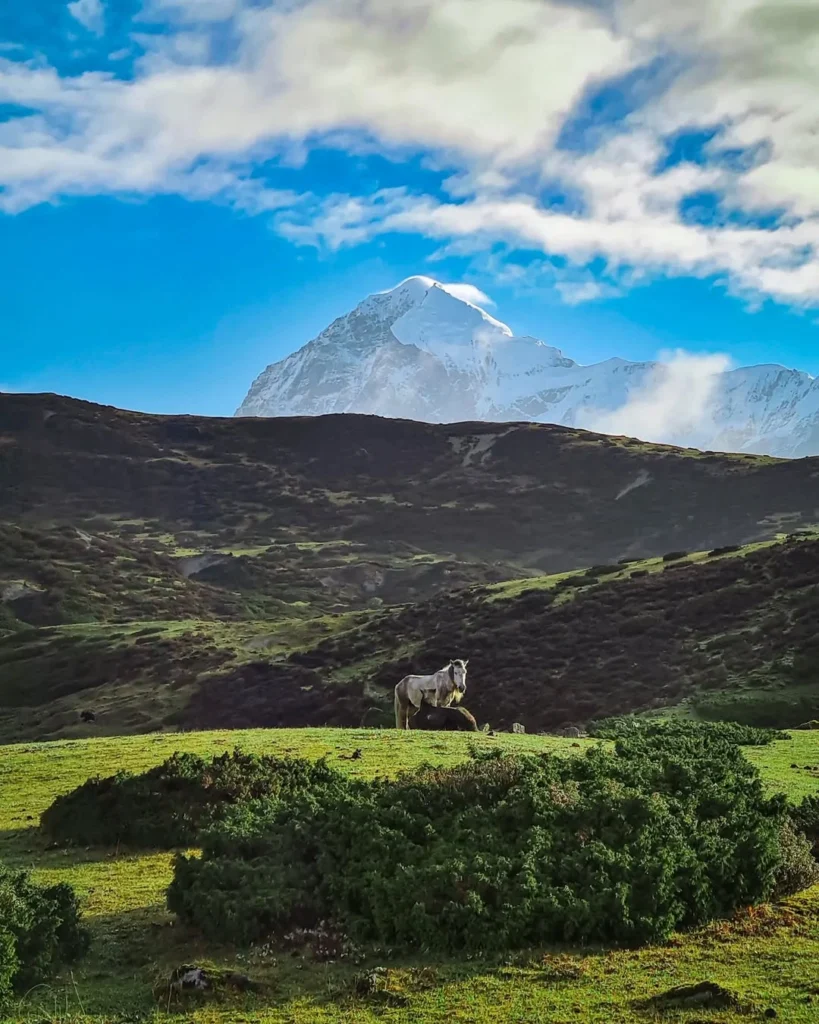
Dzongri Meadows form a key part of the Goechala trekking route inside Kanchenjunga National Park. Situated at nearly 4,000 meters, the meadows provide breathtaking panoramic views of Kanchenjunga and surrounding peaks.
Most treks to Dzongri start from Yuksom, a historic town in West Sikkim that serves as the base for Kanchenjunga expeditions. The route passes through dense forests, rhododendron groves, and small streams before opening up into the wide, green meadow.
Seasonal changes dramatically transform Dzongri. Summer brings vibrant green grass and blooming alpine flowers, while autumn turns the meadow golden, contrasting beautifully with the distant snow-capped peaks. The wide open spaces also make it a perfect spot for sunrise and sunset views, attracting trekkers and photographers alike.
9. Yumthang Valley, Sikkim
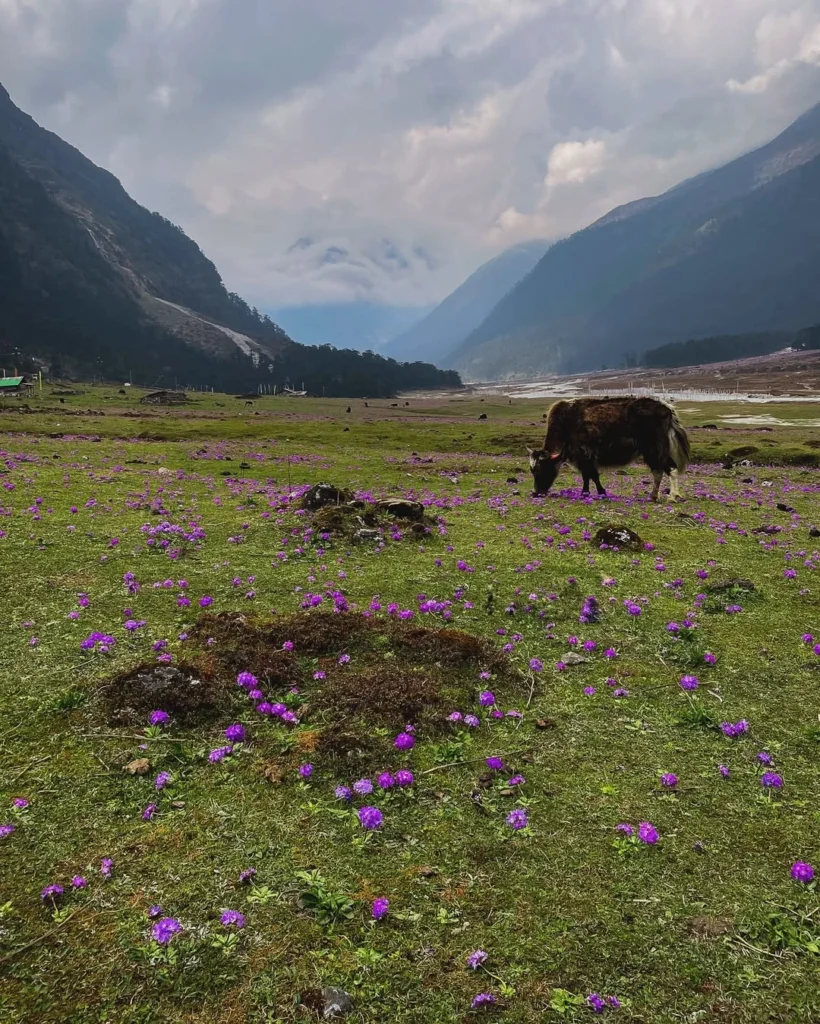
Yumthang Valley is located in North Sikkim and is famous for its wide meadow landscapes, flowing rivers, and natural hot springs. The Lachung River runs through the valley, maintaining consistent soil moisture and supporting lush greenery throughout the growing season.
In spring, the valley comes alive with thousands of blooming rhododendrons, creating a vibrant carpet of colors. Apart from flowers, the meadows are home to unique alpine vegetation, including medicinal herbs found only in the Eastern Himalayas. Snow-capped peaks surrounding the valley provide a stunning backdrop, making it a favorite spot for photographers and nature enthusiasts.
Yumthang is also known as the “Valley of Flowers of the East”, reflecting its seasonal beauty and ecological importance. Visitors can enjoy not only the flowering meadows but also natural hot springs, which are believed to have therapeutic properties.
Best Time to Visit Meadows in India
The best time to visit meadows in India depends on altitude and region, but general patterns remain consistent.
Summer (May to June)
This period offers lush greenery and clear trails. Most alpine meadows become accessible after snow melts.
Monsoon (July to September)
Meadows appear at their greenest, but landslides and slippery trails affect Himalayan regions. Travel requires caution.
Autumn (September to October)
Stable weather, golden grasslands, and clear mountain views make this one of the best seasons for trekking meadows.
Winter (November to April)
High-altitude meadows remain snowbound. Only lower meadows like Gulmarg and Khajjiar stay accessible.
Why Meadows in India Are Ecologically Important
Meadows are vital components of mountain ecosystems. Their thick grass cover helps slow down water runoff during rains and snowmelt, reducing soil erosion and aiding in the recharge of streams and rivers. This natural water regulation is essential for both wildlife and downstream communities.
These open grasslands also support a rich variety of biodiversity, from insects and birds to grazing animals. Many meadows lie within or near protected forest areas, serving as transitional zones that connect dense forests with higher alpine regions. The combination of flora and fauna makes them crucial for maintaining ecological balance.
From a climate perspective, meadow soils store significant amounts of carbon, helping mitigate the effects of climate change. Meadows also provide resources for local communities, such as seasonal grazing for livestock and medicinal herbs, reflecting a sustainable relationship between people and nature.
Overall, meadows in India are not just scenic landscapes they are essential ecosystems that support water systems, wildlife, climate stability, and human livelihoods in the Himalayas.
Responsible Travel in Meadow Regions
Meadows are fragile ecosystems that recover very slowly from damage. Walking off designated trails, littering, or creating loud disturbances can permanently harm delicate vegetation and disturb wildlife. Even small actions, like picking flowers or leaving plastic waste behind, can have lasting negative effects.
Responsible travel means following local rules and guidelines, staying on marked paths, and avoiding disruption to grazing areas used by pastoral communities. Using eco-friendly products, minimizing plastic, and carrying back all waste are simple yet effective ways to reduce your impact.
Sustainable tourism also involves respecting local culture and traditions. Many Himalayan meadows have religious or cultural significance, and following seasonal restrictions or guidance from local authorities helps preserve both the landscape and heritage.
Conclusion
Meadows in India are a testament to nature’s quiet balance. Unlike towering peaks that command attention, these grasslands thrive through patience, seasonal change, and natural restraint. They remind us that beauty doesn’t always need grandeur it can exist in open spaces, subtle colors, and gentle slopes.
From the vast bugyals of Uttarakhand to the flower-filled valleys of Sikkim, each meadow tells its own story of ecology, culture, and tradition. They provide refuge for wildlife, grazing grounds for communities, and spaces for humans to connect with nature in a peaceful way.
If mountains symbolize strength, meadows symbolize stability, harmony, and continuity a quiet yet essential part of India’s natural heritage.

Leave a Comment